#fsma-authorization
#fsma-authorization
[ follow ]
#food-safety #public-health #fda #ultra-processed-foods #food-recall #e-coli-outbreak #clostridium-botulinum
#food-safety


Food & drink
fromTasting Table
1 month agoThis Subtle Red Flag At A Deli Could Signal Bigger Food Safety Issues - Tasting Table
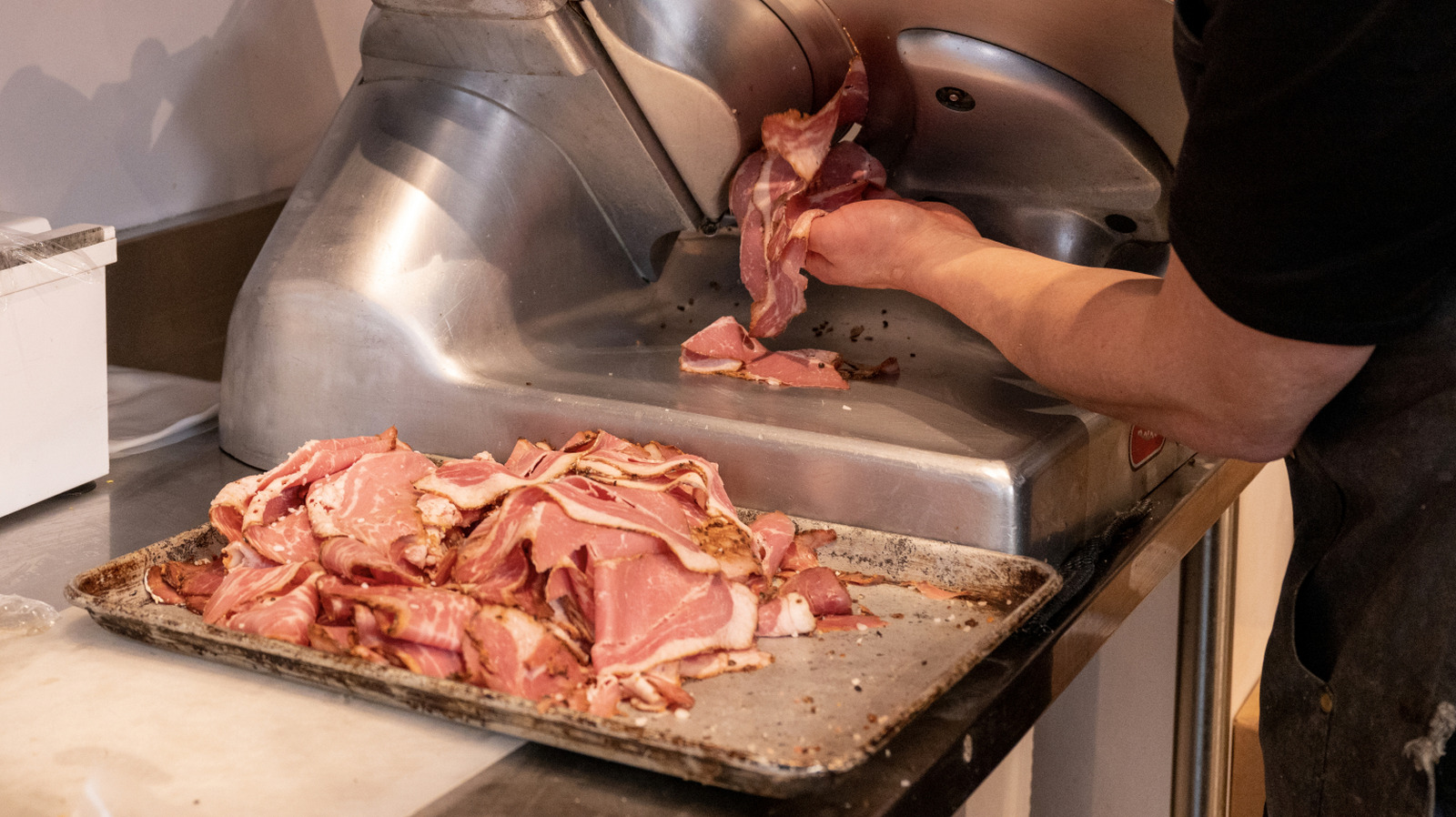
Listeria monocytogenes contamination in deli meat results from inadequate food safety practices, particularly damaged slicers that harbor bacteria in crevices and degraded seals.
Berlin food
fromTasting Table
1 month agoThe One Container You Should Never Use For Raw Meat, According To A Food Scientist - Tasting Table
Plastic food storage containers are porous and harbor bacteria more readily than glass or stainless steel, making them less safe for storing raw meat and other foods.



Everyday cooking
fromTasting Table
1 month agoWhy You'll Probably Want To Avoid This Popular Type Of Meat At The Grocery Store - Tasting Table
Pre-marinated packaged meats compromise texture and contain excessive sodium and phosphates, making homemade marinades a healthier alternative despite requiring more time.
Agriculture
fromRealagriculture
1 month agoRealAg on the Weekend: Livestock traceability, equipment sales & fertilizer fears, Mar 7 & 8, 2026
RealAg on the Weekend covers weekly agricultural news including livestock traceability regulations, fertilizer markets, and equipment sales forecasts with industry experts.
fromEntrepreneur
1 month agoHalf of Top-Selling Supplements Don't Contain What's on the Label. This Company Has a Solution.
When you purchase the top-selling creatine gummies on Amazon, you expect to get what you pay for. But a recent study found that four out of six popular brands contained virtually no creatine at all. In the case of the worst offender, customers would need to consume 2,000 gummies to get the advertised 5-gram dose. Still, combined these products sell over 50,000 units monthly and boast 4.4+ star ratings.
Public health
fromNatural Health News
3 months agoCalifornia Moves to Eliminate Ultraprocessed Foods from School Lunches - by 2035
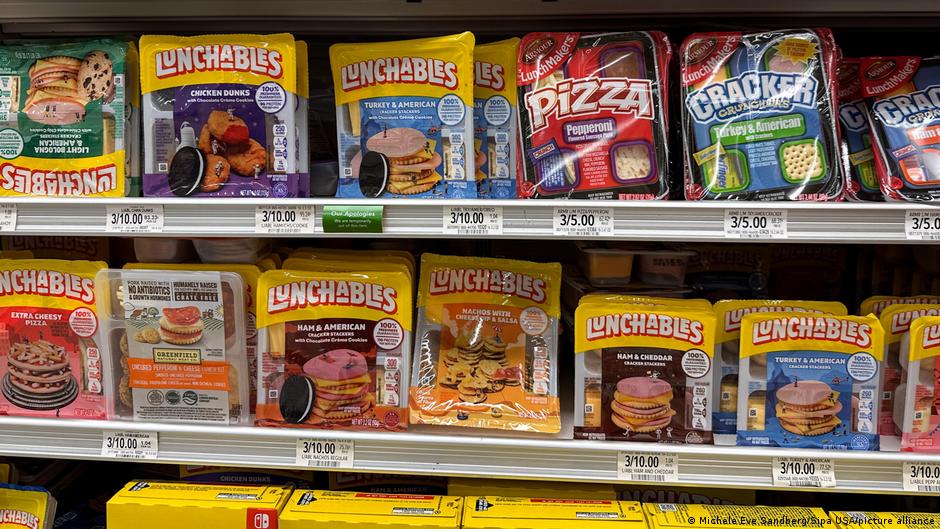
California's "Real Food, Healthy Kids Act" represents the first law in the U.S. to define and ban ultraprocessed foods (UPFs) from public school lunches. As reported by CNN, the bill requires scientists and public health experts to determine which ingredients and additives are most damaging to children's health. These "foods of concern" will then be systematically phased out of school meal programs that serve over 1 billion lunches annually.
Alternative medicine




fromwww.scientificamerican.com
1 month agoWhat if most medications were sold over-the-counter?
The U.S. Food and Drug Administration is reportedly mulling whether more prescription drugs should be sold over the counter (OTC) at pharmacies. In an interview on Wednesday, FDA commissioner Martin Makary told CNBC that everything should be over the counter except drugs that are deemed unsafe or addictive or that require clinical monitoring. Makary said the agency is reviewing how it decides which drugs can be sold with or without a prescription from a health care practitioner.
Healthcare


fromLondon Business News | Londonlovesbusiness.com
3 months agoFood safety and compliance: How smart refrigeration protects your business - London Business News | Londonlovesbusiness.com
Refrigeration is one of the most important elements of a successful food safety program, regardless of whether you run a retail operation, catering service or restaurant. Smart refrigeration technologies allow for greater protection against spoilage, reduced time spent monitoring refrigerators/freezers and the ability to provide inspections without the need for manual monitoring. Keep reading to find out how smart refrigeration technology works, and the ways in which it protects your business.
Food & drink
fromTasting Table
2 months agoThese 3 Foods Are Most Commonly Linked To E. Coli - Tasting Table
E. coli - you don't want it. You really, really don't. Properly known as Escherichia coli, E. coli are bacteria found in the intestines of humans and animals. While many of them are harmless, some kinds can cause severe gastrointestinal illness, with the most dangerous pathogenic types - such as Shiga toxin-producing E. coli (STEC) - potentially leading to kidney failure and death, particularly among vulnerable groups such as children, the elderly, and those with compromised immune systems.
Public health
Public health
fromTasting Table
1 month agoThe FDA Has Issued The Highest-Level Recall For Frozen Blueberries In 4 States - Tasting Table
The FDA upgraded a frozen blueberry recall to Class I status due to Listeria monocytogenes contamination affecting 55,689 pounds across multiple states, posing serious health risks including potential death.
fromTasting Table
2 months agoWhen Buying Seafood, It's A Major Red Flag If You Can't Find These Certifications On The Packaging - Tasting Table
Consumers must be aware that seafood fraud, in which vendors label cheaper fish as products of higher quality and price, is common practice. According to Oceana, fish is mislabeled 25 to 70% of the time, especially when it comes to prized fish like wild salmon and Atlantic cod. Those of us who care about the environment are also concerned with traceability,
Food & drink
[ Load more ]