Women
fromFast Company
3 days agoWhy work still sucks for women
Women face significant workplace challenges, including the gender pay gap, leadership barriers, harassment, and unpaid domestic work responsibilities.
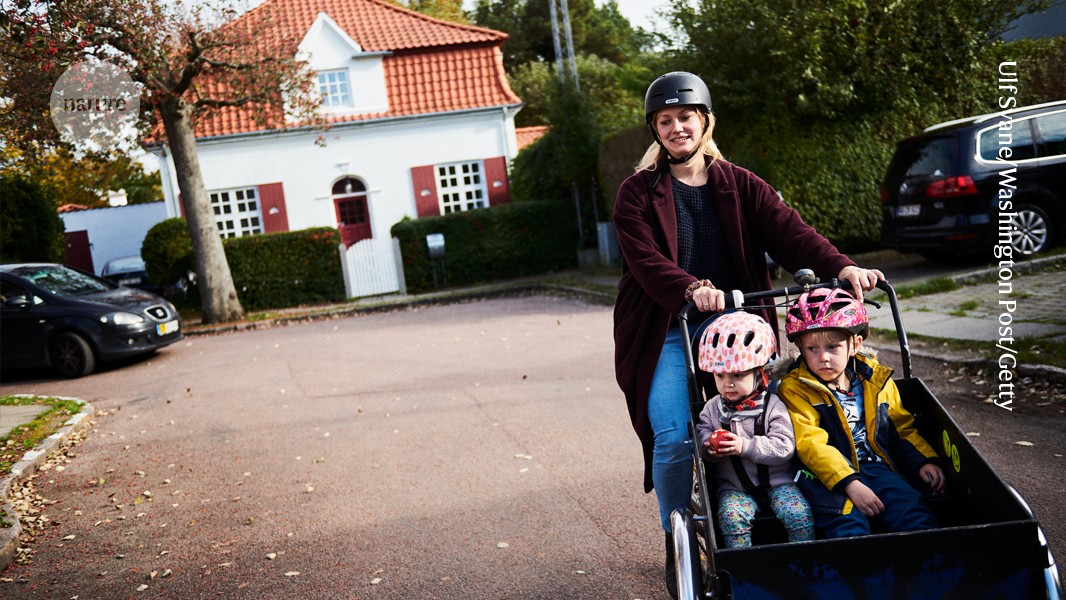
In the UK, Statutory Maternity Pay is paid for up to 39 of those 52 weeks. For the first six weeks, you get 90% of your average weekly earnings (before tax) and then £187.18 or 90% of your average weekly earnings (whichever is lower) for the next 33 weeks. The final 13 of those 52 weeks are unpaid.
I am delighted to formally launch employer action plans, which are part of our commitment to ensure women can thrive at work and tackle the gender pay gap. Too many women are still not paid fairly, held back at work due to inconsistencies in support.
Too many women are still not paid fairly, held back at work due to inconsistencies in support, or find common sense adjustments for their health needs overlooked or dismissed. This International Women's Day, we are celebrating all that women bring to our proud nation, as well as committing to giving back to them.
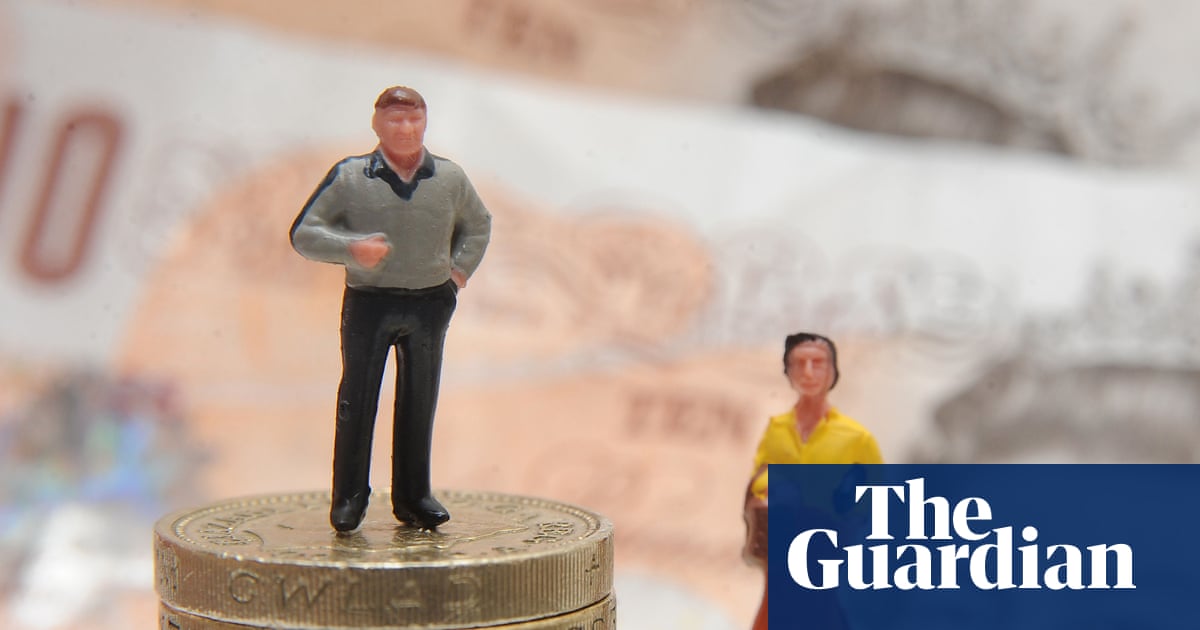
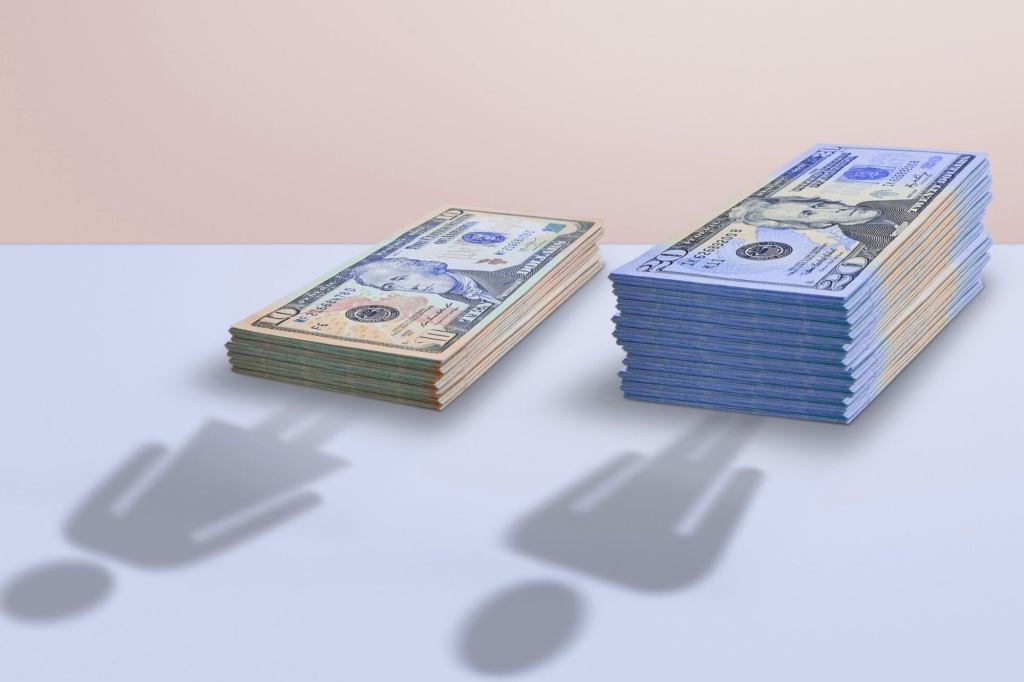
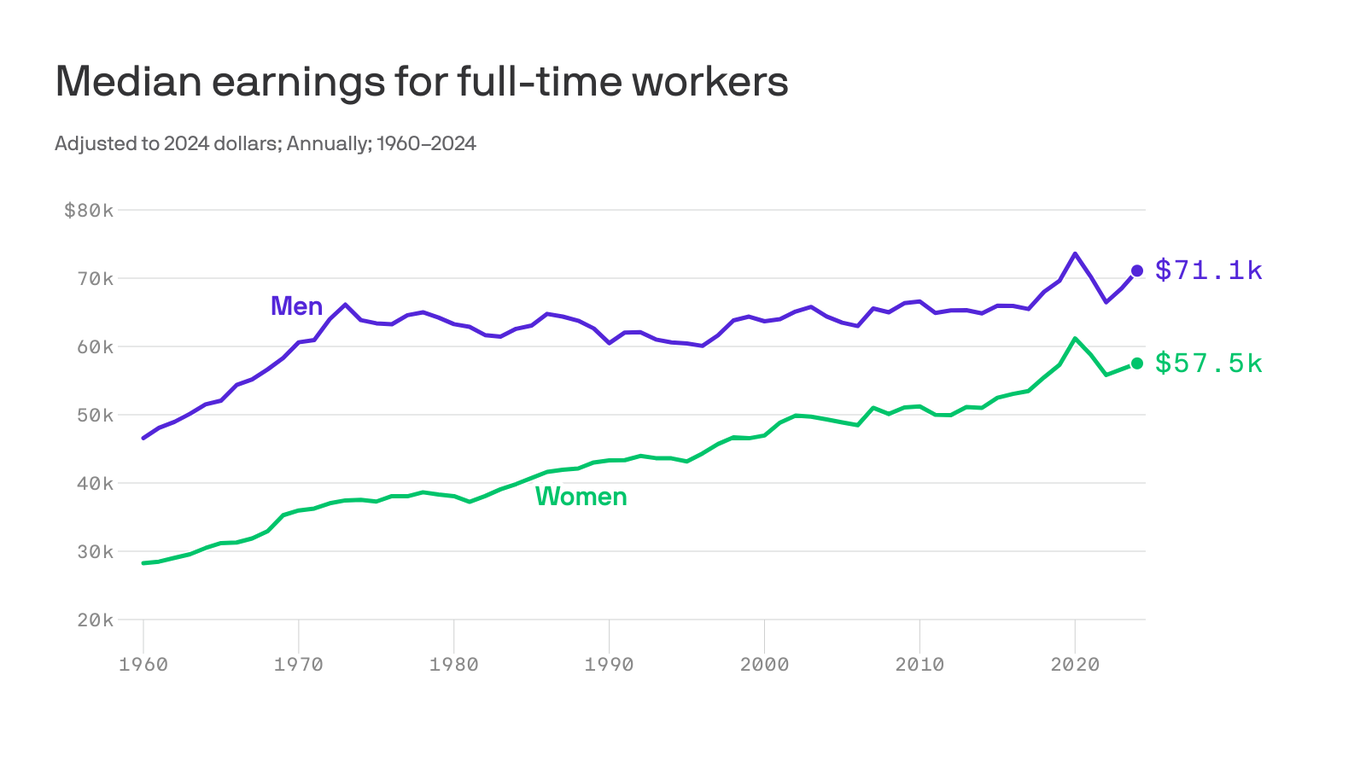
The gender pay gap in the UK has narrowed since 1997, but it hasn't disappeared. As of April 2025, women still earn 12.8% less than men, according to the Office for National Statistics. The reasons are structural: women are overrepresented in lower-paid roles such as nursing and teaching, and underrepresented in higher-paid sectors. Even graduates who studied the same subjects see pay diverge early, with men out-earning women soon after entering the workforce.
Less than 40% of employees received a bonus last year, down from 44% in 2021. And in 2024, the average bonus payout was $1,786, down from $1,857 a year earlier, according to the study. That's not the only pay-related trend to watch in 2026. Pay transparency will also be a hot topic this year, said ADP Chief Talent Officer Jay Caldwell. In June, counties in the European Union will be required to comply with new pay transparency laws, mandating salary disclosures in job advertisements (much like many U.S. states).
First marked in 1911, International Women's Day began as a campaign for women's rights to work, vote and hold public office. Over the past century, it has evolved into a global moment to celebrate women's achievements, highlight gender inequality, support female-focused charities, and push for a more inclusive society. Every year we celebrate IWD on 8th March but it's one day that comes and goes with very little tangible change.
Women across the EU symbolically begin "working for free" from today, as the bloc marks the point in the calendar when pay inequality means women, on average, stop earning relative to men. With the EU gender pay gap standing at 12%, 22 November represents the date after which women's work is, in effect, unpaid compared with their male colleagues. The European Commission used the occasion to warn that progress on closing the gap remains painfully slow and could take decades at the current pace.
The findings, released in the British Journal of Industrial Relations on Monday, suggest that, since 2004, the Office for National Statistics (ONS) had failed to properly account for the fact that it received more data from larger employers, when it reported its annual survey of hours and earnings (Ashe). It meant the survey gave undue weighting to large businesses, where pay was higher and the difference in pay between men and women was generally smaller.
Maria Pernia-Digings, a senior easyJet pilot, faces gender bias in aviation as only 6.5% of UK pilots are women, showcasing the industry's gender inequality.