#german-foreign-office
#german-foreign-office
[ follow ]
#germany #nato #ukraine #russia #eu #security #middle-east-conflict #transatlantic-relations #defense #trade-policy


World politics
fromwww.theguardian.com
2 days agoThe Guardian view on Germany, Japan and the end of the postwar order: as US alliances crumble, a new world emerges | Editorial
US alliances are under strain as global powers reassess their military strategies in response to unpredictability and authoritarian threats.

Europe news
fromwww.theguardian.com
1 month agoEverything is a political weapon since Trump's re-election, says Germany's ex-economy minister
Energy weaponization by Russia evolved into broader economic weaponization under Trump, prompting Germany to recognize strategic vulnerabilities in energy dependence and diversification.
fromwww.dw.com
2 months ago'Threat to world peace': How Germans see the US now
After the tensions of the George W. Bush era, the new US president's approval ratings among Germans skyrocketed. According to a Pew Research Center survey, 93% of Germans believed Obama would "do the right thing regarding world affairs." That remains a record to this day. Even in 2016, at the end of his second term, an extraordinary 86% of Germans still trusted Obama.
US politics


World news
fromwww.dw.com
1 month agoGermany news: Opposition slams Gulf evacuation strategy
The Left Party criticizes the German government's inadequate crisis communication regarding Gulf evacuations, demanding comprehensive evacuation plans for all 30,000 stranded citizens rather than prioritizing only vulnerable groups.
fromwww.dw.com
2 months agoGermany's Green Party under pressure over Mercosur vote
She had intended to speak about the flashpoints in international politics, Greenland and Ukraine, and US President Donald Trump, but the journalists present kept returning to the issue of the Mercosur agreement and how her party scuppered its ratification. Mercosur, the EU's major trade deal with the four South American countries of Argentina, Brazil, Paraguay, and Uruguay, was meant to be a sign of hope in a world of increasing nationalism a boost to trade based on rules, not punitive tariffs.
Miscellaneous
fromwww.thelocal.de
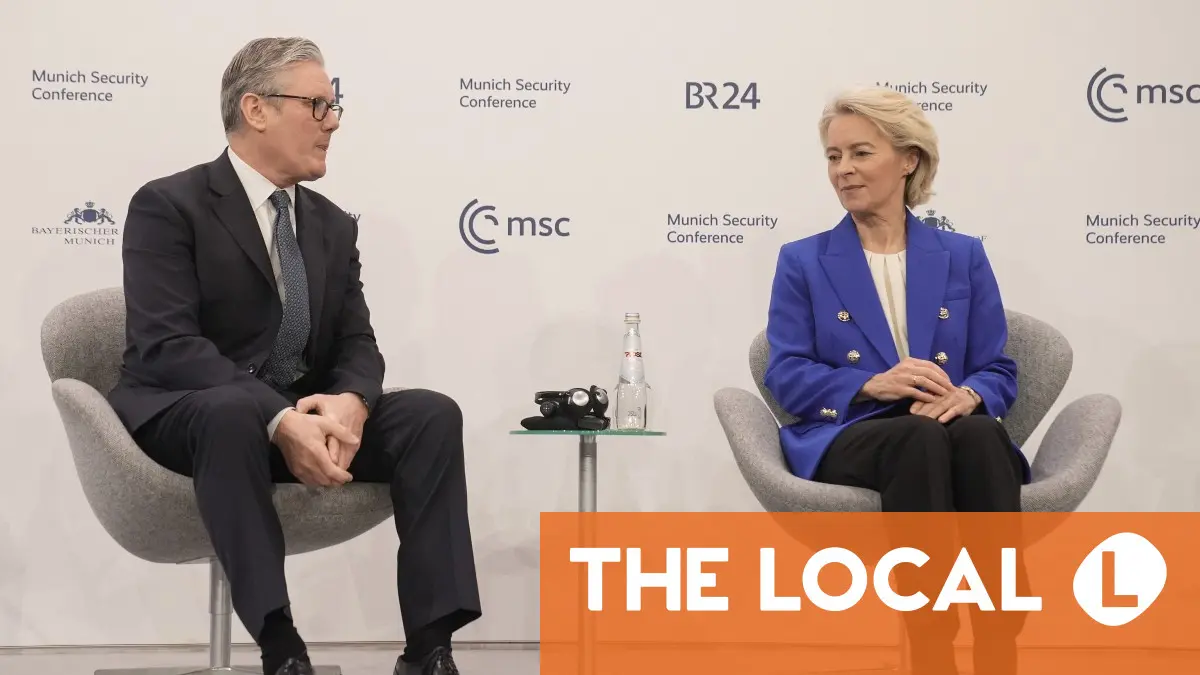
2 months agoGermany-US relations have been badly damaged but not beyond repair
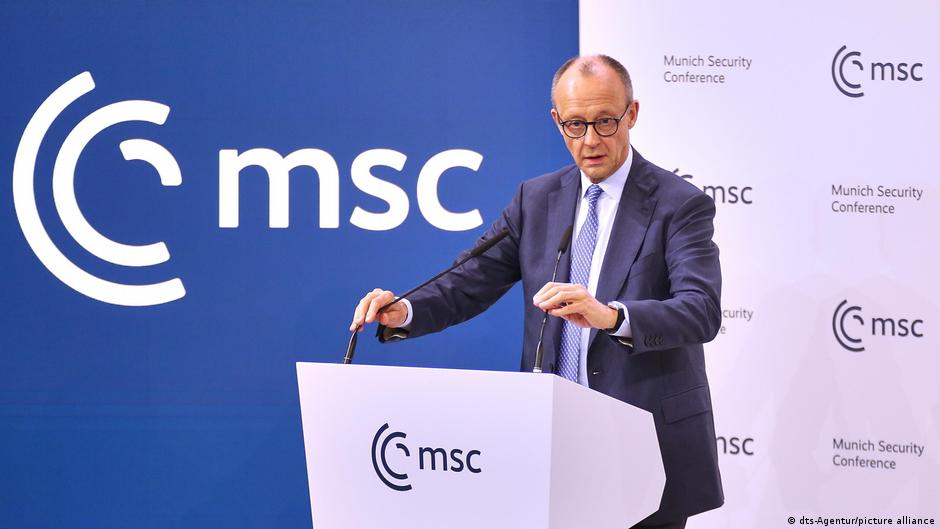
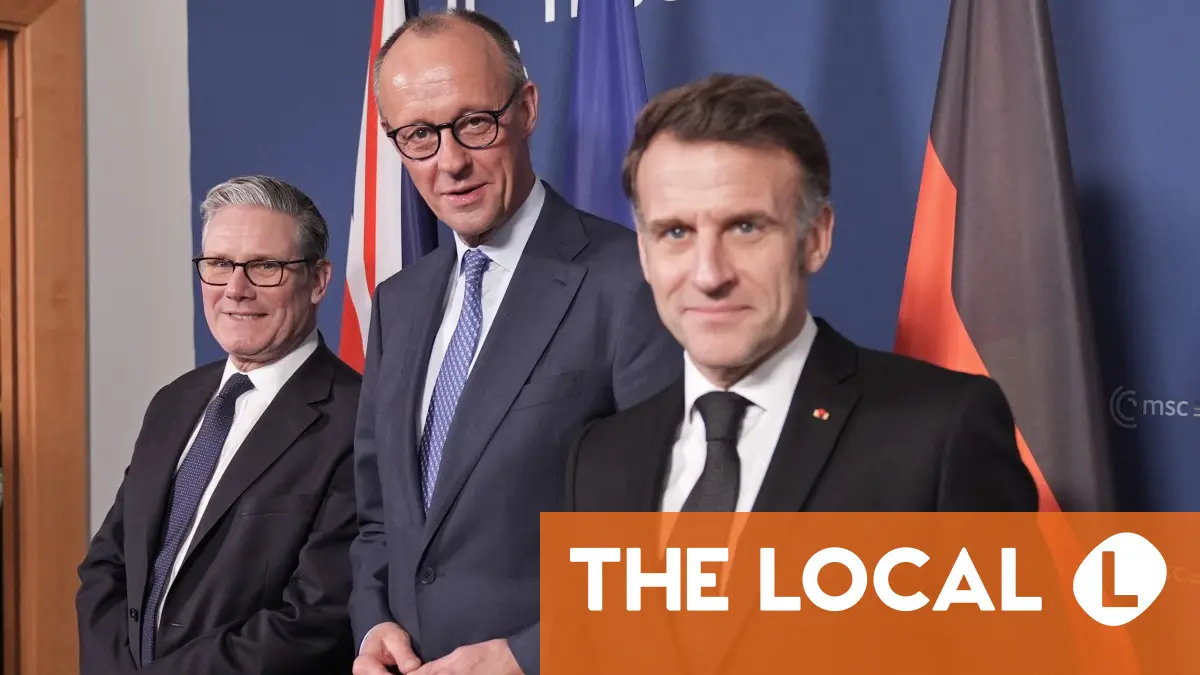
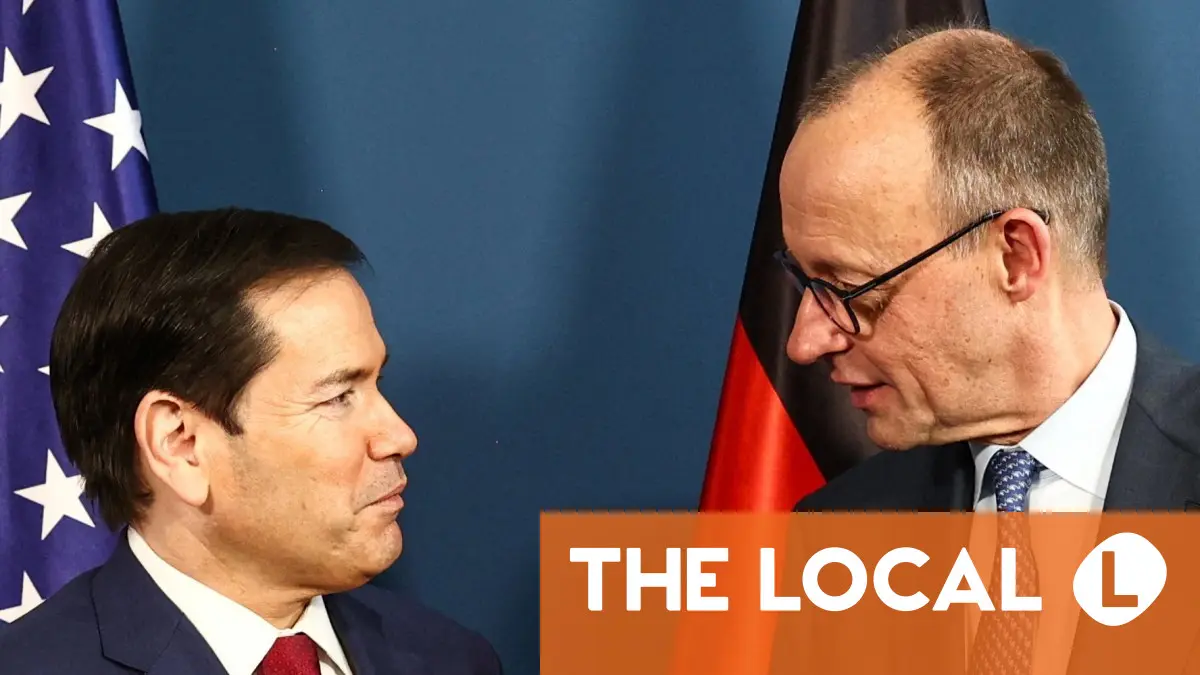
Meeting in Munich over the weekend, officials on both sides said they wanted to continue to work together. In the world of geopolitics all eyes were on Southern Germany over the weekend where the Munich Security Conference (MSC) served as the latest make or break moment for Germany-US relations. German Chancellor Friedrich Merz delivered the event's opening speech in which he acknowledged that a rift has opened up with the US, and urged trans-Atlantic partners to repair and revive trust.
Miscellaneous
fromwww.aljazeera.com
2 months agoGermany's Merz warns of potential escalation as US, Iran prepare for talks
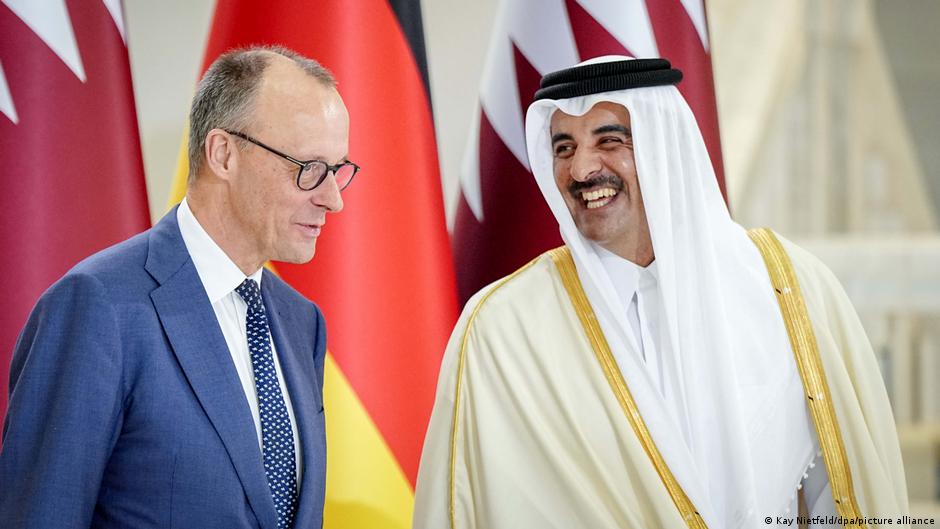
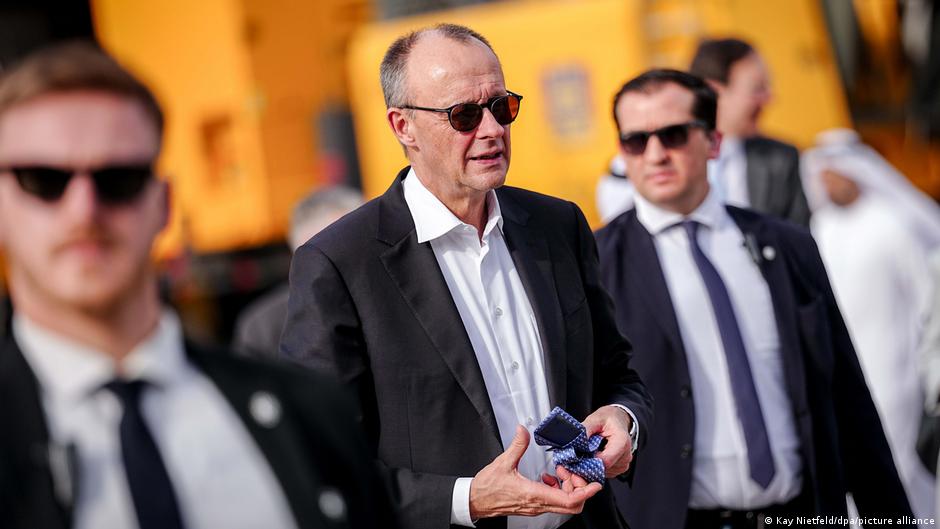
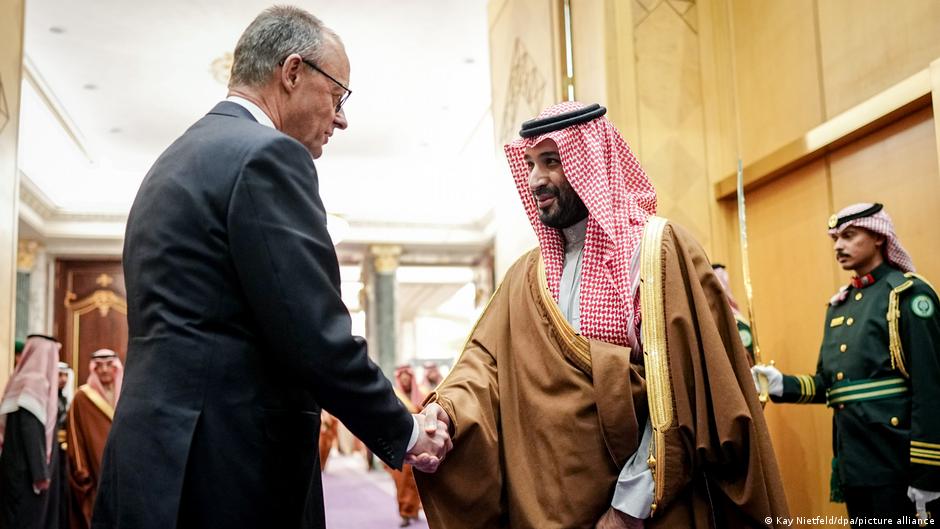
Speaking in Doha on Thursday, Merz said that fears of a new conflict had characterised his talks during his trip to the Gulf region. In all my conversations yesterday and today, great concern has been expressed about a further escalation in the conflict with Iran, he said during a news conference. Merz also urged Iran to end what he called aggression and enter into talks, saying Germany would do everything it could to de-escalate the situation and work towards regional stability.
World news
Miscellaneous
fromFortune
2 months agoGerman chancellor on Trump's claim that it didn't fight in Afghanistan: we lost 59 soldiers | Fortune
The European Union serves as a normative alternative to imperialism and autocracy while Europe strengthens security, asserts power, and pursues equal cooperation with the United States.
fromwww.dw.com
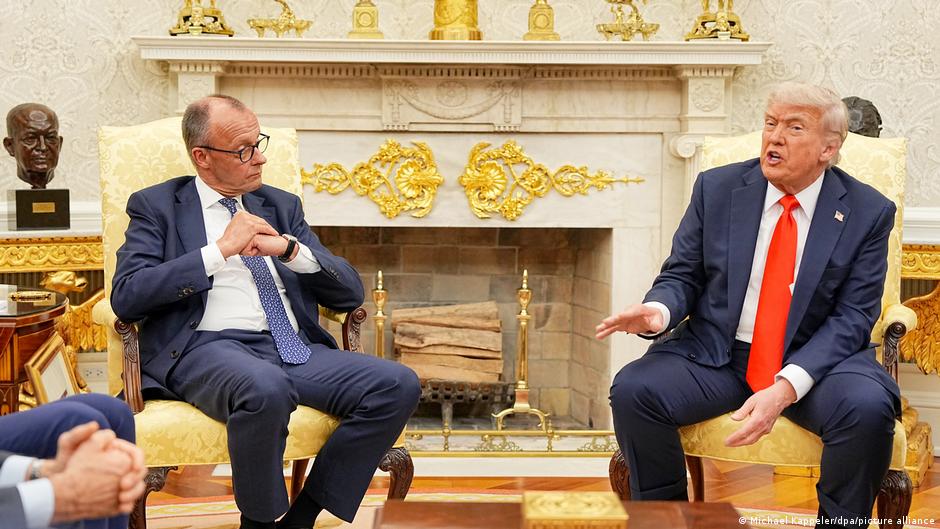
1 month agoMerz in Washington: German chancellor to meet with Trump
After the Supreme Court declared the tariffs illegal, Trump responded by declaring a new flat rate of 15% tariffs on all trading partners. As such, the EU has paused its ratification of the agreement as it waits to see what will happen with the new tariffs.
Europe politics
Europe politics
fromThe Local Germany
1 month agoGerman Bundestag approves friendship treaty with Great Britain
The Bundestag approved the Kensington Treaty establishing a new bilateral framework for German-British cooperation across foreign policy, security, defense, economics, science, technology, and culture.
fromThe Local Germany
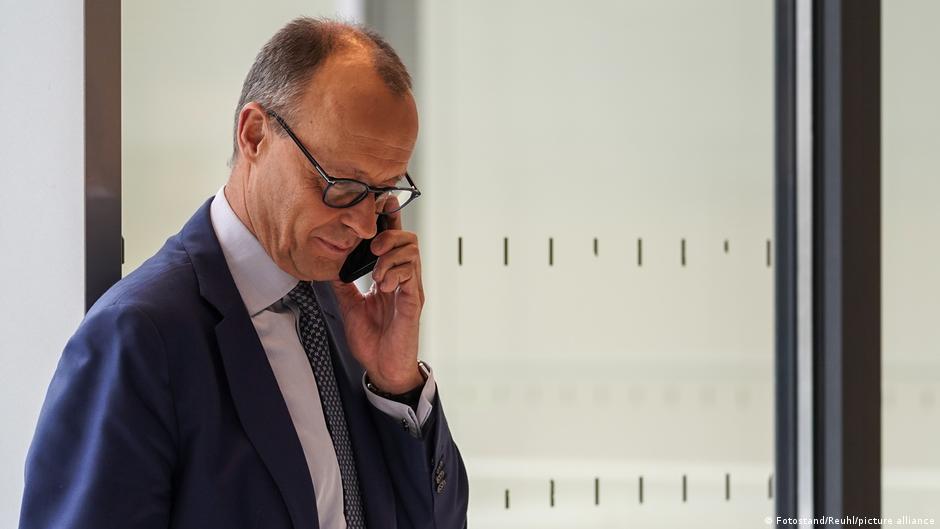
1 month agoMerz to outline EU position on tariffs to Trump on Tuesday
We want to achieve stability and predictability in trade relations. A united stance within the European Union is important in this regard. Businesses need planning security, and that applies on both sides of the Atlantic. We therefore expect clarity from the US government on the next steps.
Europe politics
fromwww.dw.com
1 month agoGermany's Merz says easing of Russia sanctions is 'wrong'
Now is not the time to ease sanctions, for whatever reason. Moscow continues to show no willingness to negotiate and pressure on the Kremlin must increase. Germany and its allies will continue backing Ukraine, and the Iran conflict will not distract from that effort.
Germany news
fromThe Local Germany
2 months agoGerman foreign minister attacks France over defence spending
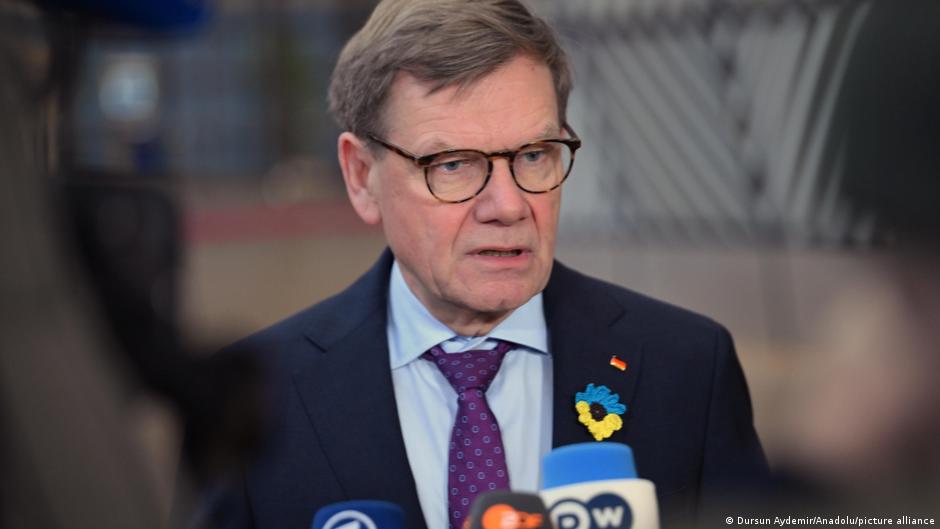
"European NATO members are under pressure from the United States to build up their defence spending. Though they pledged last June to raise their defence and security-related outlays to five percent of GDP by 2035, Wadephul said progress in Europe so far had been lacking. "Unfortunately, efforts in the French Republic have also been insufficient to achieve this so far," Wadephul said. "France, too, needs to do what we are doing here with difficult discussions."
Germany news
[ Load more ]