#graphite-tariffs
#graphite-tariffs
[ follow ]
#critical-minerals #electric-vehicles #china #rare-earths #tariffs #automotive-industry #supply-chain-security

fromTruthout
13 hours agoUS Mining Plan Will Sacrifice Mexico's Environment for Weapons and Tech
"They want us to show these gringo companies where the minerals are and then go and hand over everything, all without a fuss. That's concerning, because where does it leave us, as Mexicans? Basically, they are going to keep stealing from us."
Environment
#rare-earth-elements

World politics
fromFortune
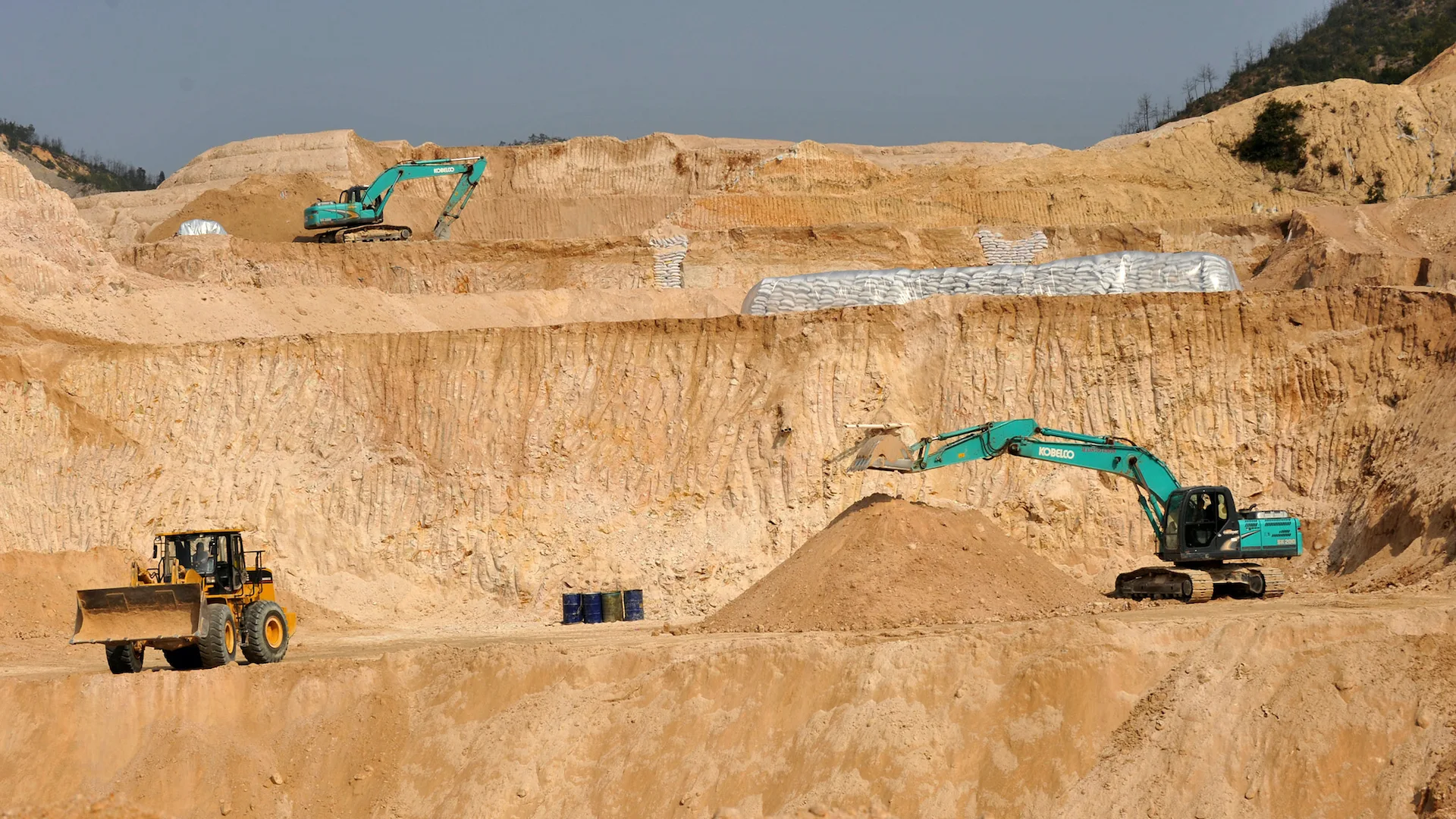
1 month agoBeijing's dominance in rare earth processing leaves others scrambling to close the gap: 'China is the leader, and the U.S. is far behind' | Fortune
China controls approximately 90% of global rare earth processing capacity, giving Beijing significant geopolitical leverage over critical industries including defense, semiconductors, and electric vehicles.
World politics
fromFortune
1 month agoBeijing's dominance in rare earth processing leaves others scrambling to close the gap: 'China is the leader, and the U.S. is far behind' | Fortune
China controls approximately 90% of global rare earth processing capacity, giving Beijing significant geopolitical leverage over critical industries including defense, semiconductors, and electric vehicles.


fromFortune
4 days agoChina's export boom is losing steam, thanks to the Iran war and the global energy crisis | Fortune
China's exports have decelerated as the Iran war starts to affect global demand and supply chains, according to Gary Ng, a senior economist for Asia Pacific at French bank Natixis.
World news
fromLondon Business News | Londonlovesbusiness.com
2 days agoUK car industry warns EU plan could hit EV trade and jobs - London Business News | Londonlovesbusiness.com
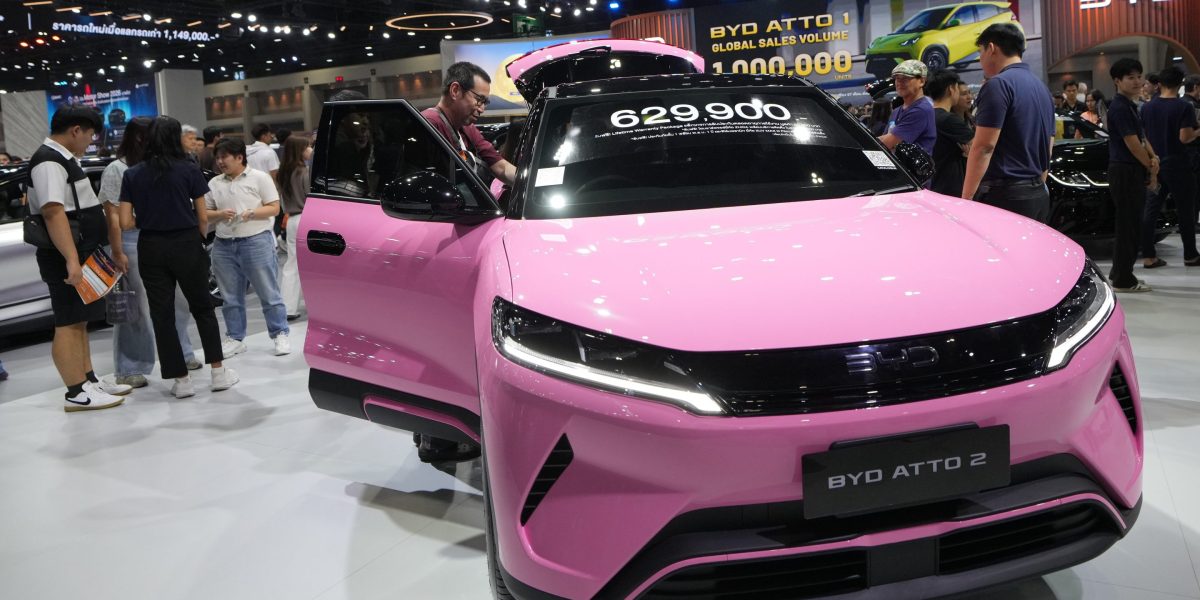
The Society of Motor Manufacturers and Traders is calling for UK-built vehicles, components and batteries to be granted equivalent status to EU-made products under the proposed 'Made in Europe' framework, arguing that the current draft risks undermining a deeply integrated cross-border industry.
Europe politics



fromSilicon Canals
3 weeks agoChina now controls 92% of rare earth processing. Every Western EV and defense firm depends on a supply chain they can't replicate - Silicon Canals
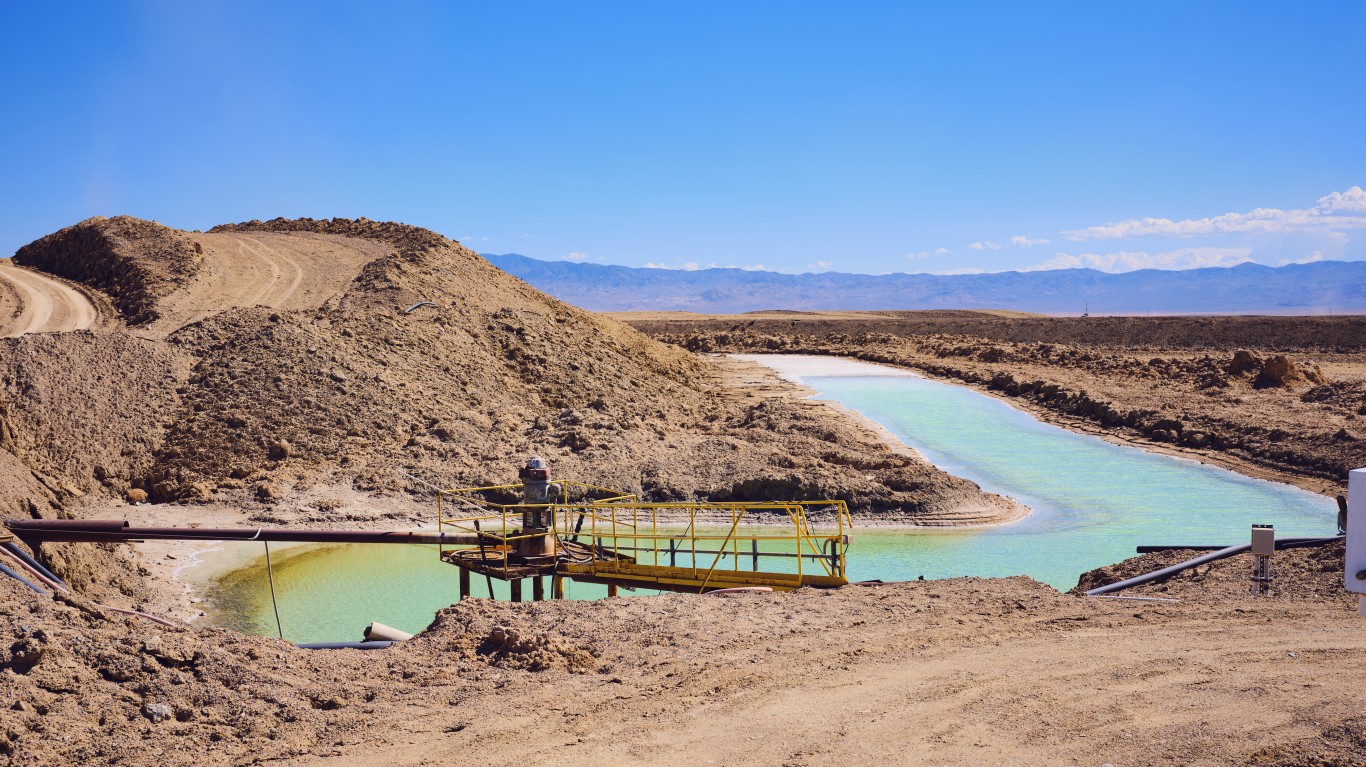
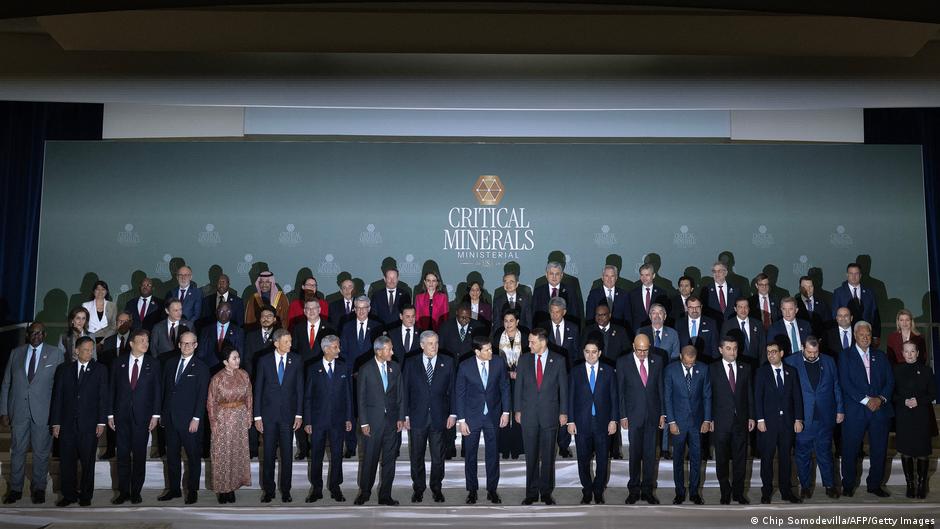
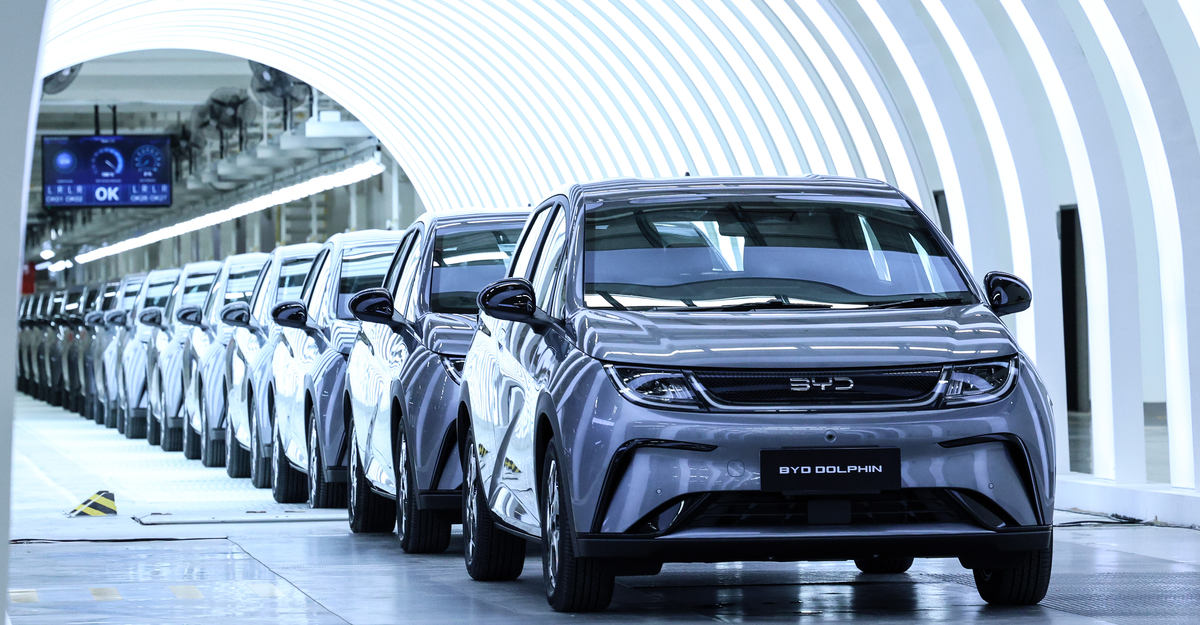
China controls the overwhelming majority of global rare earth processing capacity, a figure that has remained structurally stable for nearly two decades despite sustained Western policy attention. The problem has never been geology. It's always been industrial chemistry at scale.
Environment
Russo-Ukrainian War
fromLondon Business News | Londonlovesbusiness.com
1 month agoTo whom does Ukraine plan to hand one of its largest lithium deposits too, for next to nothing? - London Business News | Londonlovesbusiness.com
Ukraine awarded its largest lithium deposit 'Dobra' worth billions to a consortium for $179 million, despite a competing bid of $1.5 billion from a more established mining company.
European startups
fromTechCrunch
1 month agoInside a $1.1B deal to reshore critical minerals refining | TechCrunch
China controls over half the world's nickel refining capacity, prompting U.S. and European companies to develop domestic electrochemical refining technologies to reduce supply chain dependence.
fromwww.theguardian.com
1 month agoThe Guardian view on EV charging: China took the right lessons from Britain's past | Editorial
BYD, the world's biggest car seller, unveiled a new battery giving its latest electric models more than 600 miles of range. Remarkably, the Chinese motor-maker said 250 miles of range could be injected into its new batteries in just five minutes. If true, the last remaining advantages of petrol cars—long range and quick refuelling—are beginning to disappear.
London startup
Intellectual property law
fromArs Technica
1 month agoTech industry is in tariff hell, even if refunds are automated
Trade groups urge courts to establish a clear tariff refund process as 300,000 US businesses await $175 billion in unlawful tariff collections, with interest accruing at $23 million daily.
fromComputerworld
1 month agoData mining? Old servers could become new source of rare earths
Korea Zinc, which it described as one of the world's largest smelters, is in talks with major US technology firms to recycle data center waste and extract rare earth. The move comes almost one year to the day after China announced immediate export controls on seven more rare earth elements critical to enterprise IT hardware manufacturing.
European startups
from24/7 Wall St.
1 month agoNVIDIA Gives Up On China
Nvidia has stopped production of chips intended for the Chinese market, betting that regulatory barriers in Washington and Beijing will continue to limit sales to China. The theory was that, because the H200 chips were less powerful than NVIDIA's cutting-edge chips, China could not use them to supercharge its AI advances.
Artificial intelligence


World news
fromwww.theguardian.com
2 months agoThe Guardian view on the scramble for critical minerals: while powers vie for access, labourers die | Editorial
US strategic moves aim to secure DRC critical minerals through Project Vault and trade deals, risking exploitation while failing to build local processing capacity or protect communities.



fromEntrepreneur
2 months agoThe Lithium Gold Rush Just Minted a $1B Unicorn
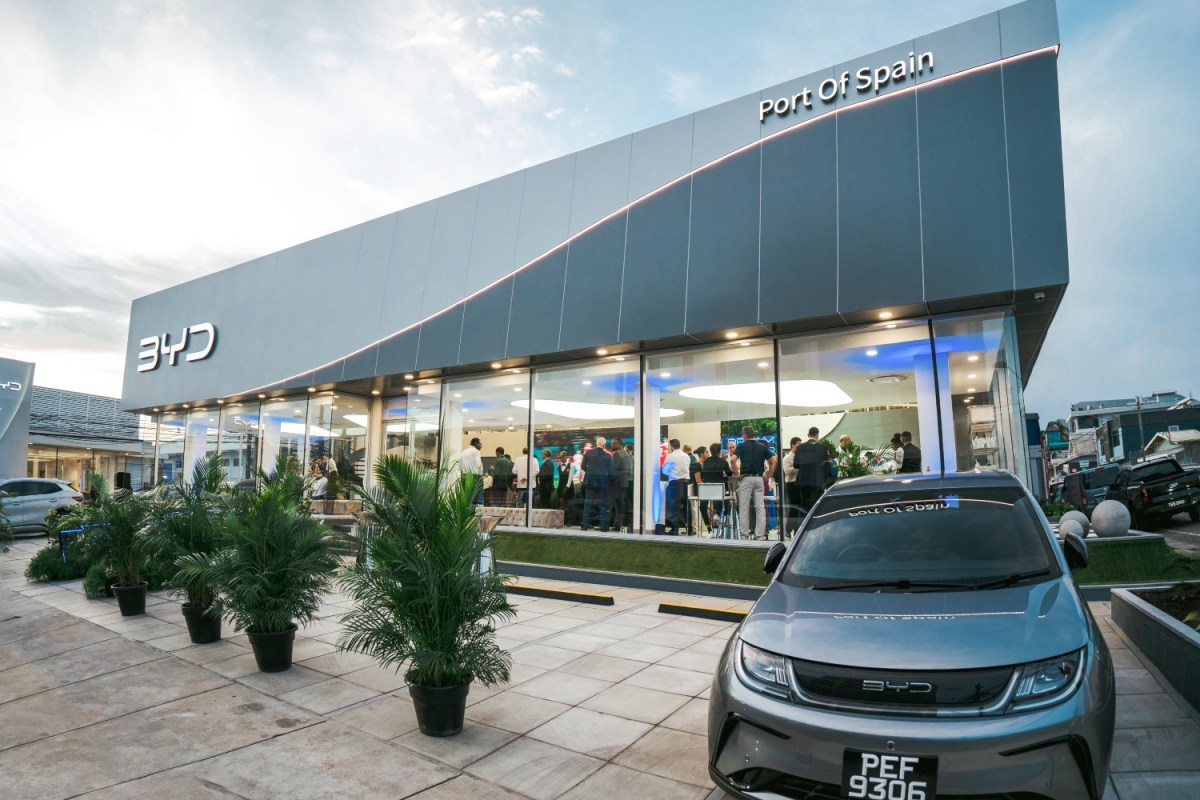
Demand for lithium is fueling a modern-day gold rush. The industries that define our modern world, like artifiial intelligence (AI), robotics, EVs, and energy, all depend on lithium, which is used to make batteries and other energy storage systems. Microsoft CEO, Satya Nadella believes that the AI race will be won based on energy costs, not on who has the best models.That's why lithium demand is projected to grow a staggering 5X by 2040.
Venture
Europe politics
fromTheregister
1 month agoEurope's EV battery cost gap with China could shrink to 30%
Europe's EV battery cost gap with China could narrow from 90% to 30% by 2030 through proper government support, factory scaling, and manufacturing improvements, requiring a €500 sovereignty premium per vehicle.

fromLondon Business News | Londonlovesbusiness.com
1 month agoRare earths market matures amid strategic demand - London Business News | Londonlovesbusiness.com
Rare earths are rapidly evolving into a strategic asset class as nations strive to reduce reliance on China, which retains overwhelming dominance in mining and refining capacity. Driven by surging demand from critical industries and heightened government intervention, the market infrastructure is maturing to meet the challenge. A pivotal milestone in this evolution is the CME Group's plan to launch rare earth futures contracts.
World news
frominsideevs.com
2 months agoGermany's New EV Subsidies Apply To Extended-Range EVs And Chinese Brands
Berlin's newly announced program, reported on by various outlets, grants buyers of new electrified vehicles between $1,700 and $7,000. This figure depends on several factors, including the powertrain of the vehicle and income level of the buyer, but is meant to help revive stagnant sales one of Germany's key industries. Photo by: Scout Motors For the first time EREVsvehicles where batteries power the wheels and are recharged by a small combustion enginewill explicitly be eligible under the new program.
Alternative transportation
European startups
frominsideevs.com
1 month agoEurope Is Learning An Uncomfortable Truth About Local Battery Production
Europe's EV battery localization efforts face economic challenges due to China's dominant, cost-competitive battery supply chain, forcing manufacturers to choose between sovereignty and affordability.
[ Load more ]