#rare-earths
#rare-earths
[ follow ]
#critical-minerals #tariffs #us-china-trade #us-china-relations #export-controls #geopolitics #china
fromwww.aljazeera.com
2 months agoBrazil does not want a new Cold War', says President Lula
I want to tell the US President Donald Trump that we don't want a new Cold War. We don't want interference in any other country; we want all countries to be treated equally, Lula told a news conference at the end of his three-day trip to India on Sunday.
World news



fromFortune
2 months agoJapan's first female prime minister wants to be Trump's close ally on rare earths | Fortune
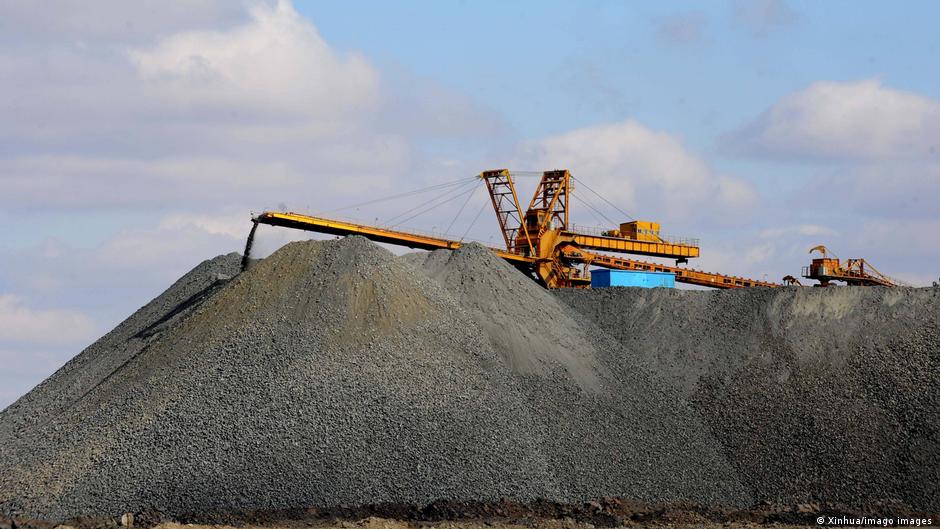
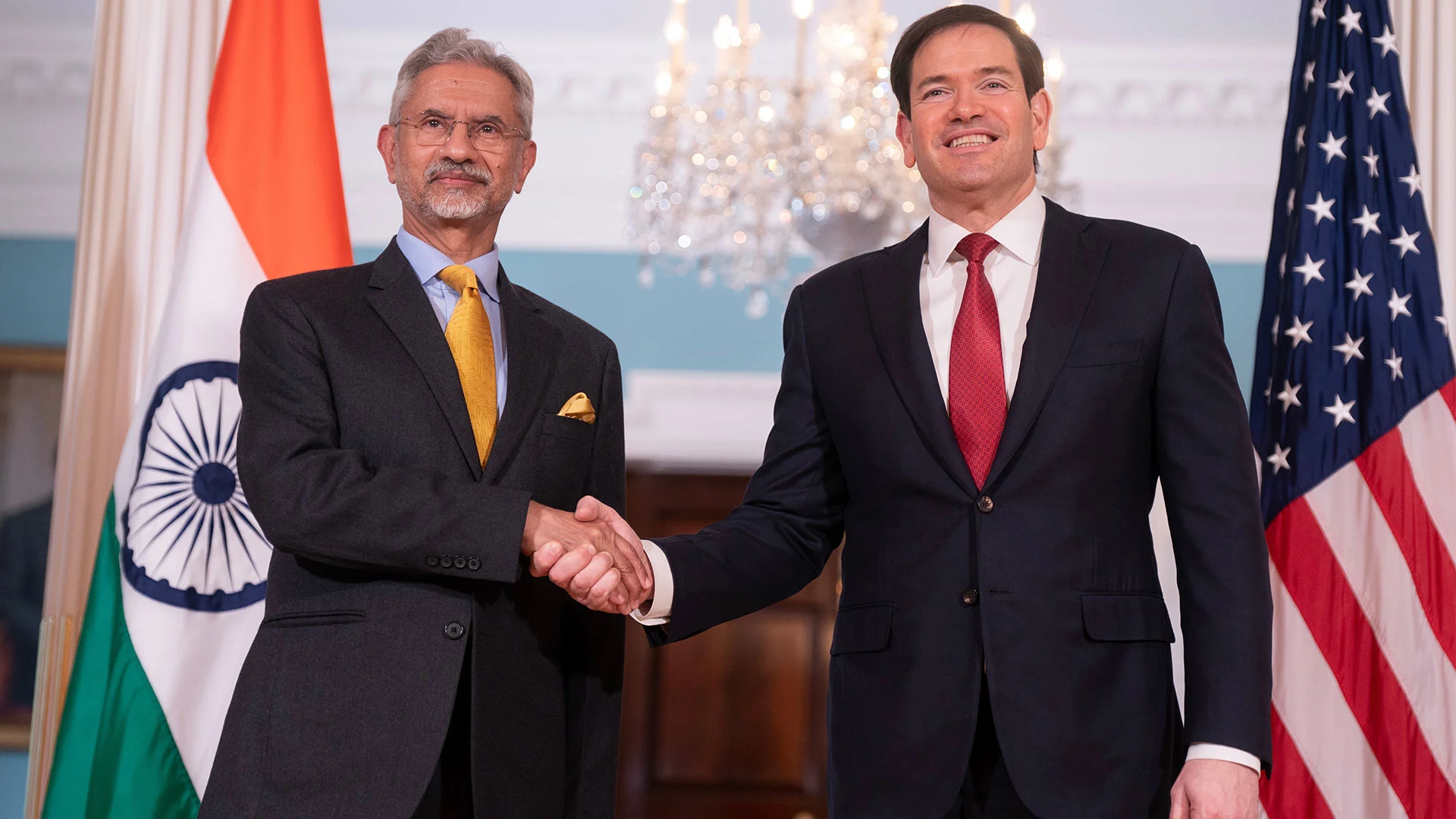
Japanese Prime Minister Sanae Takaichi on Wednesday expressed hopes of deepening her relationship with U.S. President Donald Trump and strengthen cooperation between the two countries in rare earths development and other areas of economic security when she visits Washington next month. Takaichi, at a news conference late Wednesday, expressed hopes to strengthen cooperation with the U.S., especially in economic security, as tensions between Tokyo and Beijing have risen over the last few months.
World news
fromLondon Business News | Londonlovesbusiness.com
2 months agoRare earths market matures amid strategic demand - London Business News | Londonlovesbusiness.com
Rare earths are rapidly evolving into a strategic asset class as nations strive to reduce reliance on China, which retains overwhelming dominance in mining and refining capacity. Driven by surging demand from critical industries and heightened government intervention, the market infrastructure is maturing to meet the challenge. A pivotal milestone in this evolution is the CME Group's plan to launch rare earth futures contracts.
World news


fromwww.theguardian.com
4 months agoEU to unveil 3bn strategy to reduce dependency on China for raw materials
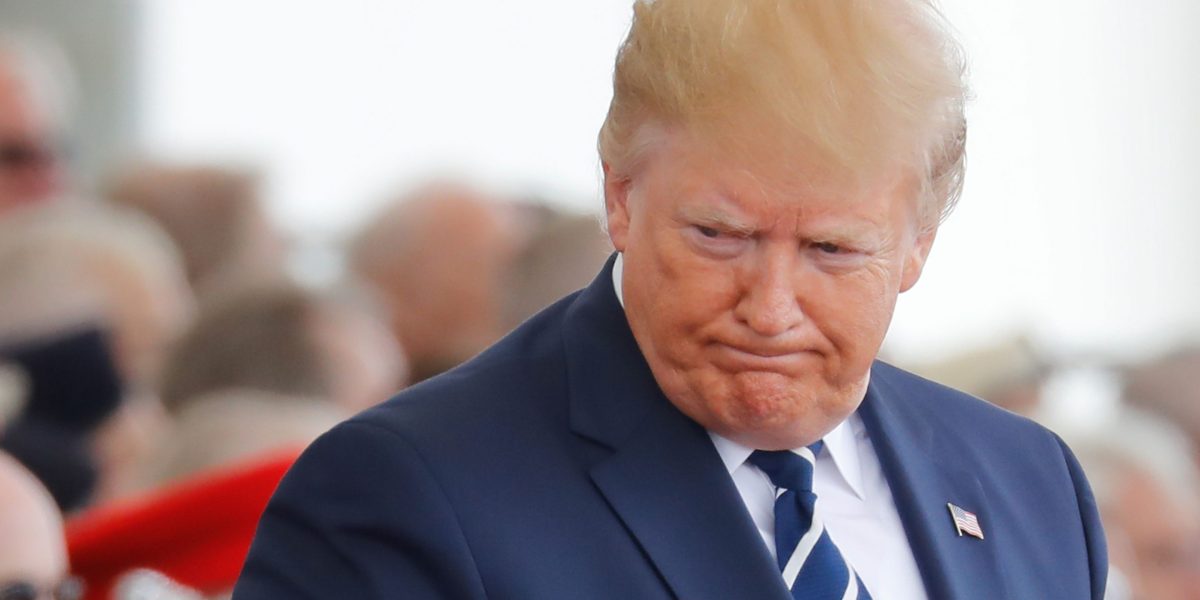
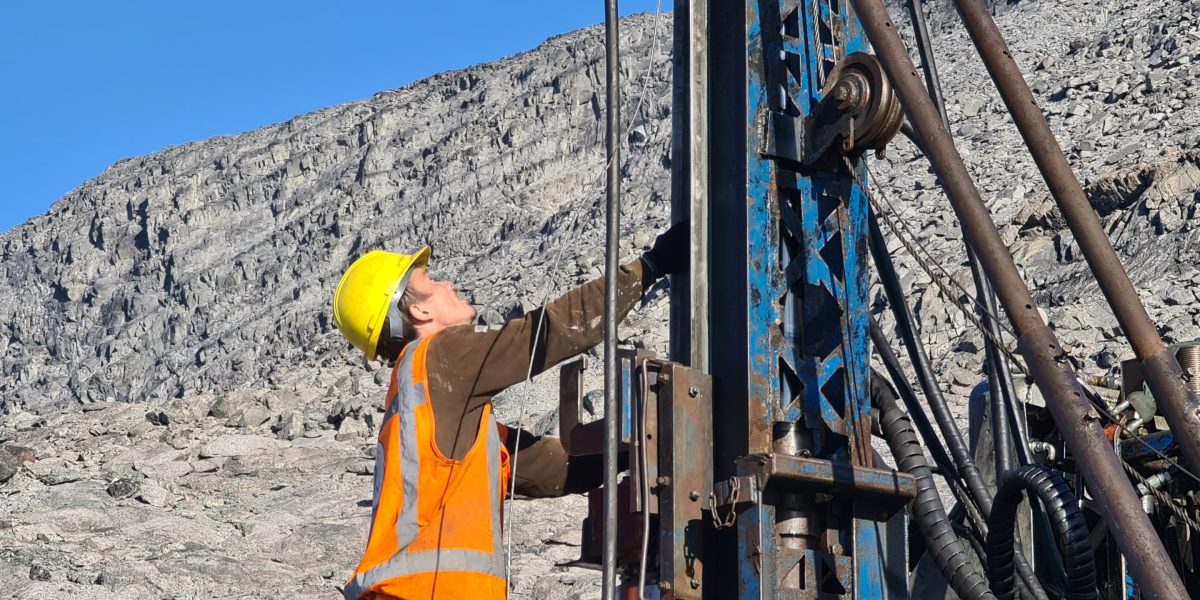
The ReSourceEU programme will seek to de-risk and diversify the bloc's supply chains for key commodities with a funding initiative to support 25-30 strategic projects in the sector. These projects cover rare earths a group of 17 heavy metals that are actually abundant but difficult and costly to extract as well as the elements gallium, germanium and lithium, used in batteries for electric vehicles.
Europe politics


fromwww.dw.com
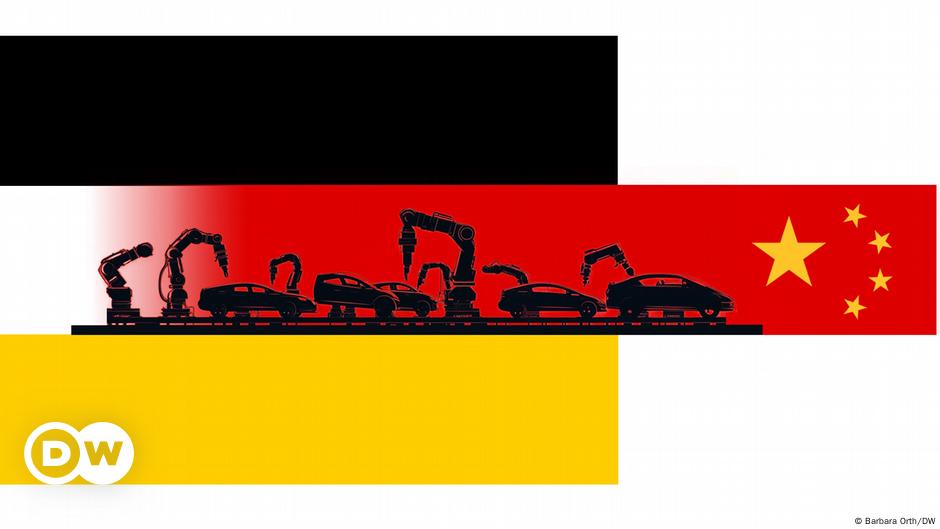
5 months agoGerman vice-chancellor heads to China in difficult times DW 11/16/2025
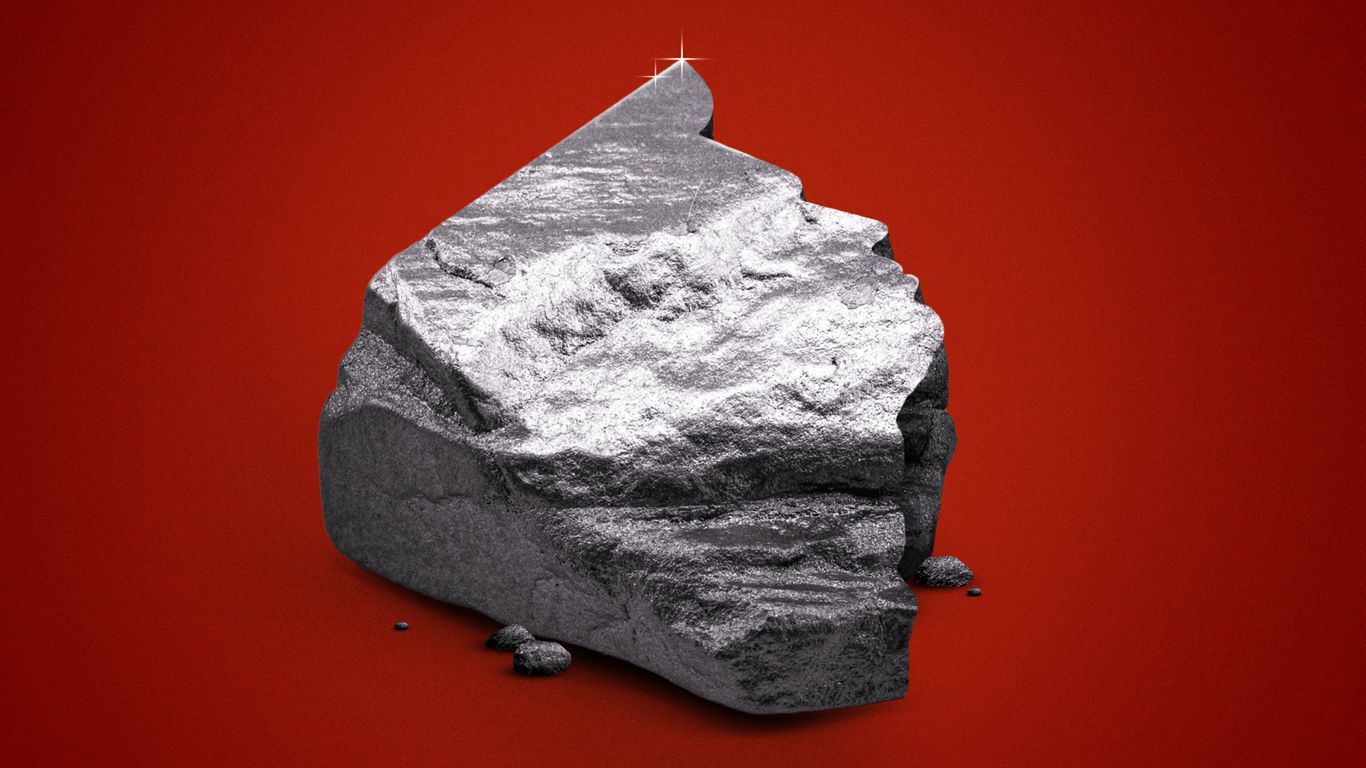
Lars Klingbeil's trip will be the first visit to China by a cabinet minister of the current German government and the trip to Berlin's most important trading partner comes at a sensitive time. Chinese export controls, especially on rare earths, have highlighted the German economy's heavy dependence on China. The German automotive industry, for example, has felt the effects as it faces a shortage of important parts.
Miscellaneous
fromwww.theguardian.com
5 months agoInside Trump's scramble to reduce US dependence on Chinese rare-earth metals
Scott Bessent, the US treasury secretary, returned from South Carolina last week brandishing a small piece of metal, proclaiming that it was the first rare-earth magnet made in the US in a quarter of a century. It was, he indicated to Fox Business, proof that the US is ending China's chokehold on our supply chain. Thanks to the South Carolina company eVAC's new rare-earth mineral processing center, Bessent added: We're finally becoming independent again.
US politics
fromThe Local Germany
5 months agoInside Germany's rare earth treasure chest
In a World War II bunker east of Frankfurt, a steel door weighing over four tonnes protects Germany's largest reserve of rare earths, a treasure at the heart of rising geopolitical tensions. The exact location of the bunker is confidential and the site is under close video surveillance. This is where Tradium, a German company specialised in trading rare earths, keeps thousands of barrels of the precious materials - almost all from China, the world's biggest producer.
Miscellaneous
fromwww.aljazeera.com
5 months agoPutin orders roadmap for Russian rare earths extraction by December
Russia has reserves of 15 rare-earth metals totalling 28.7 million tonnes, according to the Natural Resources Ministry. Russian President Vladimir Putin has ordered his cabinet to draw up a roadmap for the extraction of rare-earth minerals by December 1, as global interest in the metals heightens due to their use in modern technologies and a desire to reduce reliance on the Chinese-dominated market.
World news

#china-export-controls
fromFast Company
6 months agoWorld news
How China is borrowing American tactics to hit back at U.S. in trade war
China has adopted extraterritorial export controls on rare-earth-containing magnets, extending regulatory reach over foreign-made products and mirroring the U.S. foreign direct product rule.


from24/7 Wall St.
6 months agoStock Market Live October 30: S&P 500 (SPY) Digesting Meta and Microsoft Earnings
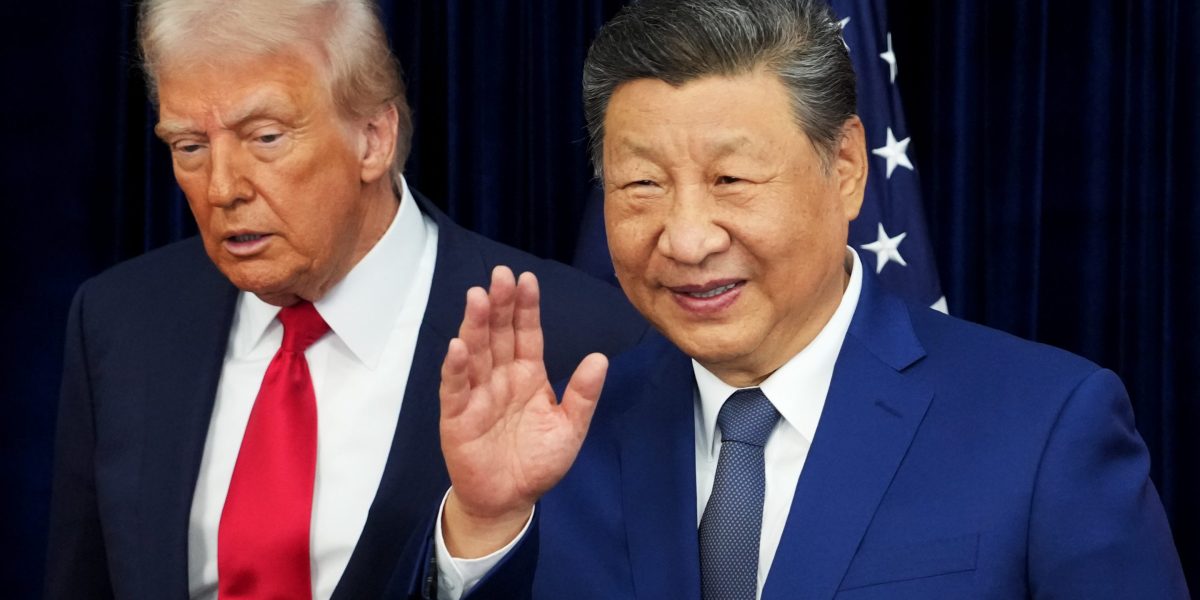
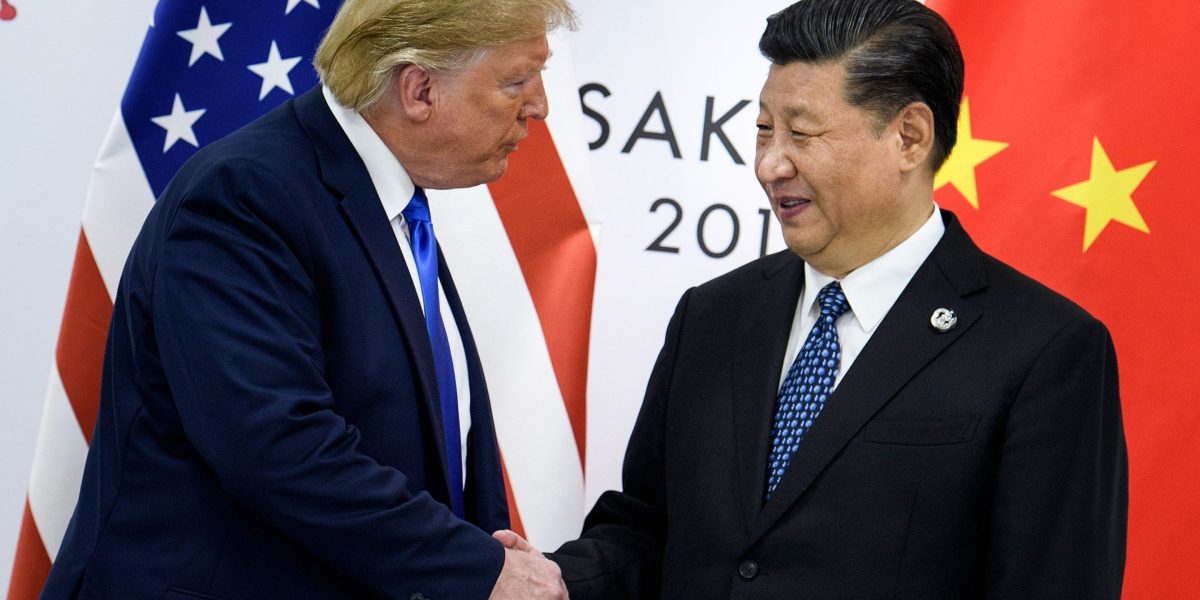
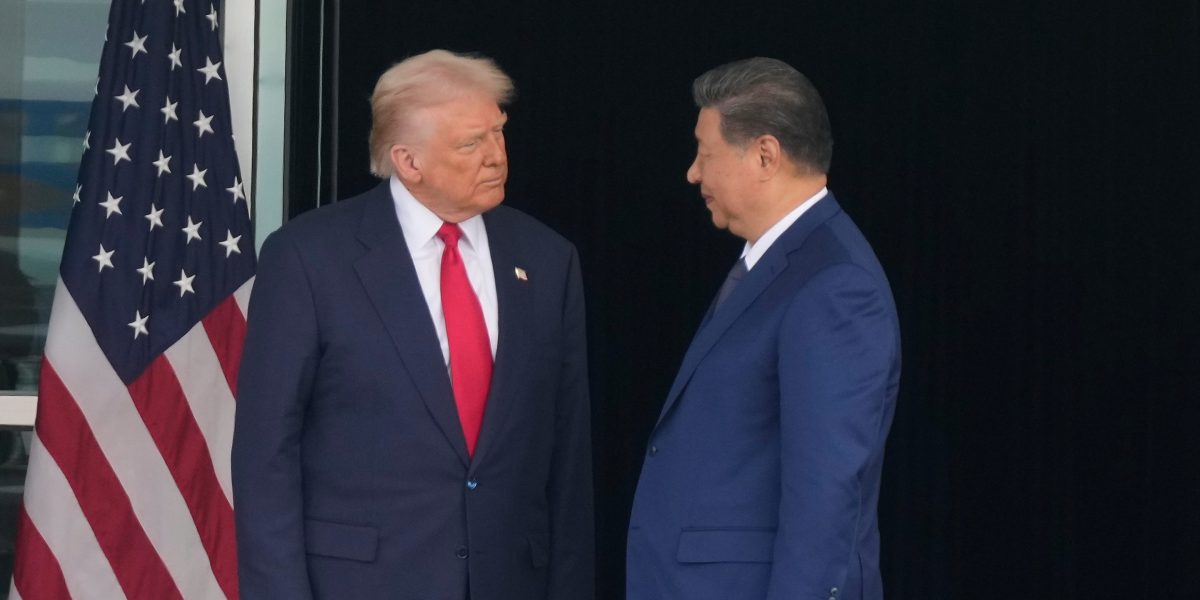
After several record-setting days, markets are flat to down at the moment. Dow futures are down 139, as the S&P 500 fights to hold on to a single point. The NASDAQ is up about three points. All as investors digest the latest round of earnings. Plus, President Trump's meeting with Chinese President Xi Jinping seems to have gone well, with rare earth restrictions lifted.
US politics
fromComputerworld
6 months agoUS considers new software export curbs on China, threatening global tech supply chains
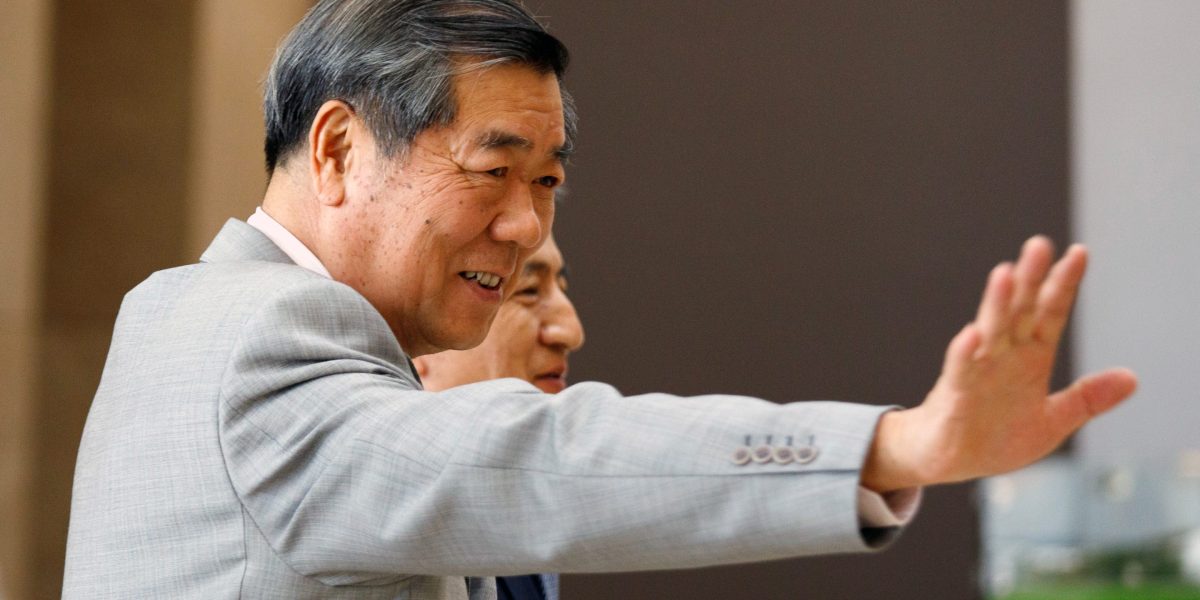
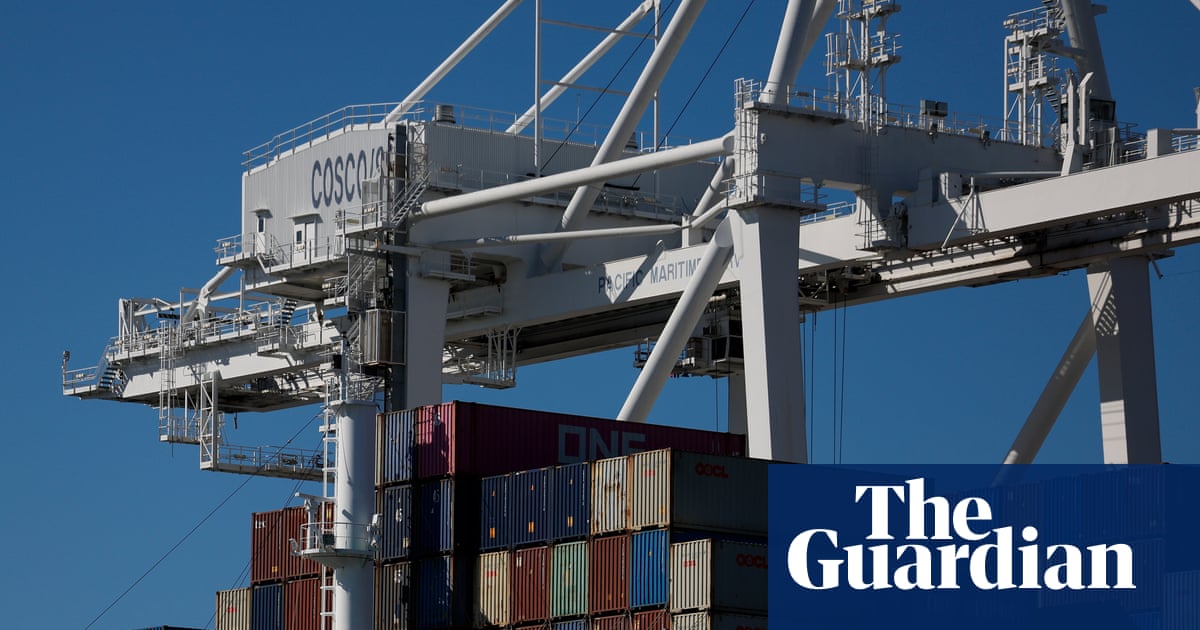
The US government is reportedly considering new export controls that could block a wide range of products made with US software from being shipped to China, in what could become one of Washington's most sweeping trade measures to date. If implemented, the move could disrupt global technology supply chains and heighten uncertainty for multinational manufacturers that rely on US-developed software across their operations.
US news

fromLondon Business News | Londonlovesbusiness.com
6 months agoSterling rises to one-week high against broadly weaker dollar despite tepid UK growth
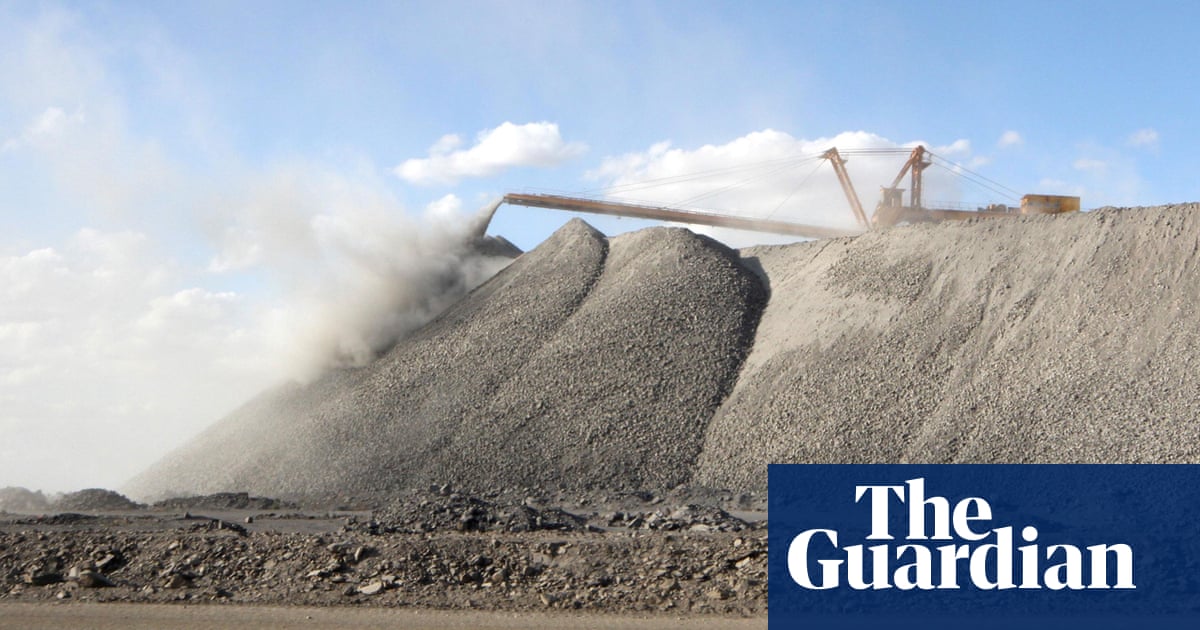
Seeing again the flexing of the administration to use industrial policy as a tool to drive its wider economic and trade agenda. Bessent it wouldn't consider stock market volatility when dealing with China on trade. Those kinds of comments have in the past left markets on edge - no Trump put. But not yesterday - the S&P 500 rallied 0.4% as it climbed not just the wall of worry but also its 20-day SMA.
Business
[ Load more ]