#grid-flexibility
#grid-flexibility
[ follow ]
#renewable-energy #data-centers #fossil-fuels #electric-vehicles #sustainability #solar-power #energy-policy





Agriculture
fromIndependent
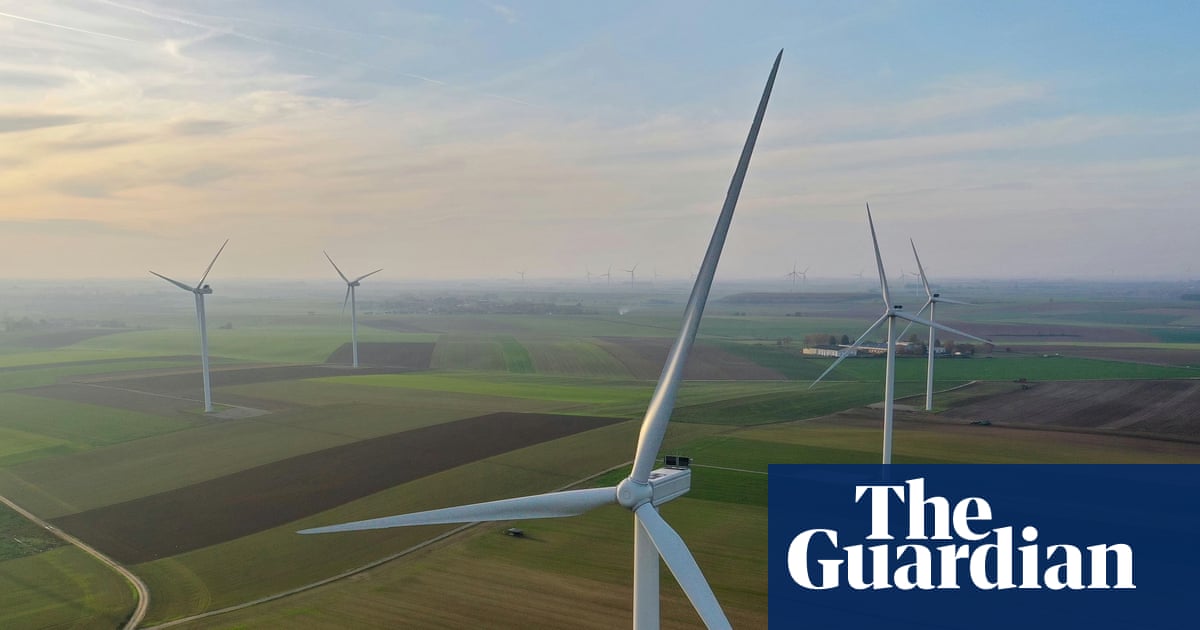
2 days ago'This could be groundbreaking for Ireland Inc and the midlands' - New research reveals transformative potential of 'energy parks'
Bord na Móna is set to transform state-owned bogland into energy-parks combining windfarms, data centres, and manufacturing facilities.
fromTechCrunch
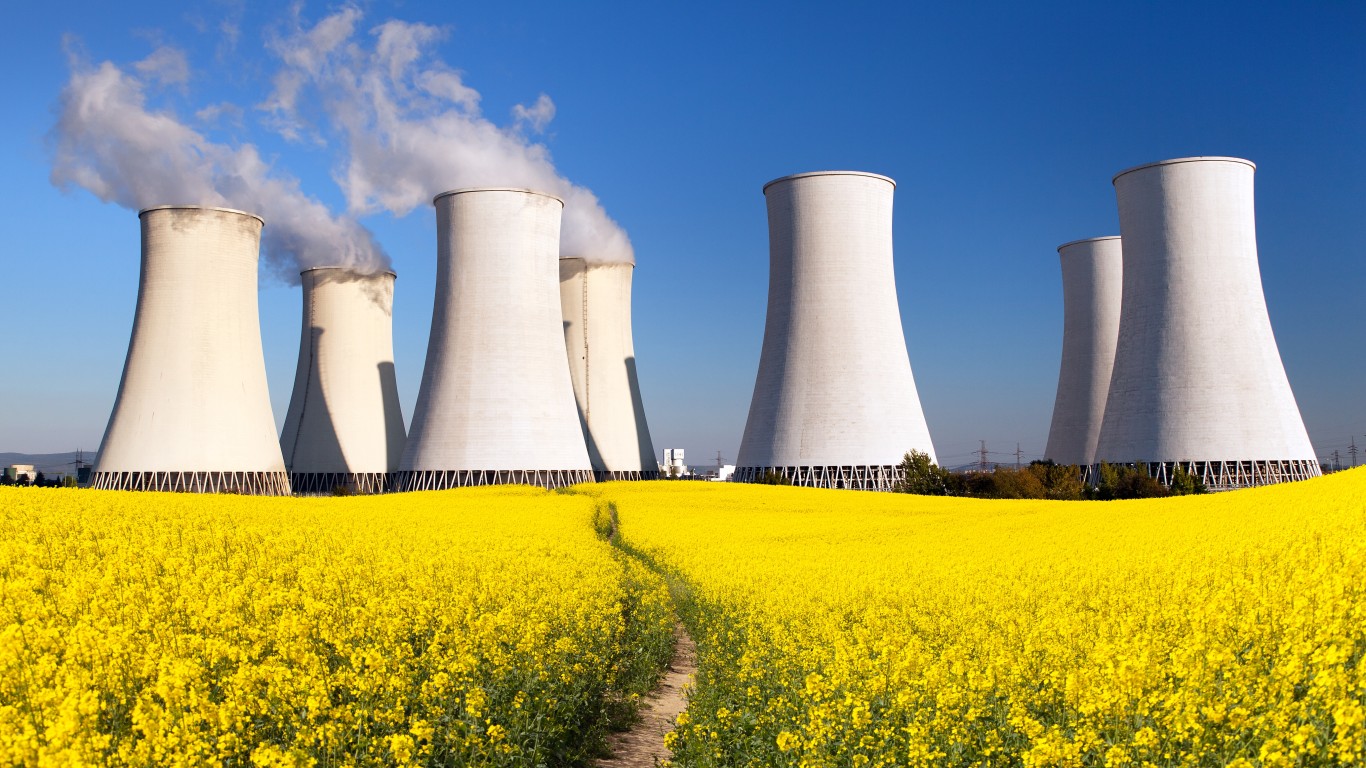
5 hours agoBlue Energy raises $380M to build grid-scale nuclear reactors in shipyards | TechCrunch
"The nuclear power technology that is most common - light water reactors - was originally invented for nuclear submarines. There has actually always been a history of basically pre-fabbing it and looking at it in a shipyard context."
Science
fromTechCrunch
6 days agoExclusive: This energy startup's bet on 100-year-old grid tech is paying off | TechCrunch
"We were considering multiple forms of capital when we started. It just felt like the opportunity is so large that venture capital gives us the opportunity to take those risks upfront and have the possibility to generate an outsized return."
Venture


SF politics
fromFortune
3 weeks agoHyperscalers often lack the "aptitude" on power as the political push picks up to expedite grid connections and pipelines | Fortune
Federal efforts to expedite power grid interconnections face challenges due to hyperscalers' communication issues and lack of understanding of processes.
fromFortune
20 hours agoData centers now account for half of all new U.S. electricity use, just as Americans start to sour on AI | Fortune
Data centers accounted for around 50% of all electricity demand growth in the U.S. last year, according to the IEA, far surpassing the rise in electricity usage in the residential, industrial, and transport sectors.
Environment
fromSustainable Bus
6 days agoAurora grid connections enable Stagecoach depot electrification for over 1,300 electric buses across the UK - Sustainable Bus
Aurora Utilities has announced the energisation of a further set of Stagecoach bus depots as part of the operator's ongoing fleet electrification programme, extending the partnership across multiple regions and adding new capacity for zero-emission operations.
Alternative transportation


US news
fromwww.npr.org
1 month agoEasy-to-use solar panels are coming, but utilities are trying to delay them
Plug-in solar panels that connect to standard outlets are gaining traction in the U.S. as a cost-effective alternative to traditional rooftop solar, though utility opposition based on safety concerns is slowing legislative adoption.
Silicon Valley
fromFortune
1 month agoGoogle and Tesla know electricity is expensive. They're teaming up to bring you an alternative. | Fortune
Google and Tesla partner with energy companies to form Utilize coalition, addressing grid underutilization by deploying battery storage and distributed energy resources to lower electricity costs.
UK news
fromLondon Business News | Londonlovesbusiness.com
1 month agoUK holds barely a day and a half of winter demand in storage - London Business News | Londonlovesbusiness.com
Britain faces critical energy vulnerability with only 1.5 days of winter gas demand in storage, leaving it exposed to global supply disruptions amid Middle East tensions.
fromTechCrunch
1 month agoGoogle and Tesla think we're managing the electrical grid all wrong | TechCrunch
The group points out, correctly, that the grid is designed for brief bursts of high demand; most of the time there's lots of capacity that goes unused. Utilize thinks that should change. The group argues that smarter ways to use that capacity already exist. Utilize name checks a number of those solutions, including battery storage, demand response, and virtual power plants, all of which have emerged en masse over the last decade, but remain under utilized.
Toronto startup
fromZDNET
2 months agoI discovered a little-known way to power your home during an outage - here's how
While the abrupt end to your home chef experience is inconvenient, the bigger issue is that your gas furnace still needs electricity to run, and it's supposed to drop into the 20s overnight. Now imagine that while everyone else is rifling through their junk drawer for flashlights and batteries,
Gadgets
Environment
fromFortune
1 month agoYour electricity bill keeps rising. Here's what's actually causing it-and how to fix it | Fortune
Rising retail electricity prices stem from structural issues including surging demand, increased infrastructure spending, and regulatory models that reward utility overspending, while proposed fixes like rate freezes and permit blocks would worsen the problem.
fromFast Company
2 months agoHow to meet the surging energy demand without needing as much new electricity
When Specian dug into the data, he discovered that implementing energy-efficiency measures and shifting electricity usage to lower-demand times are two of the fastest and cheapest ways of meeting growing thirst for electricity. These moves could help meet much, if not all, of the nation's projected load growth. Moreover, they would cost only half-or less-what building out new infrastructure would, while avoiding the emissions those operations would bring.
Environment
Environment
fromSustainable Bus
2 months agoThe Mobility House launches Cascade EV Aggregator to enable utility-level EV charging management - Sustainable Bus
Cascade EV Aggregator aggregates EV chargers and vehicles into coordinated V1G and V2G resources, enabling utilities to access grid services across the US and Canada.
fromwww.aljazeera.com
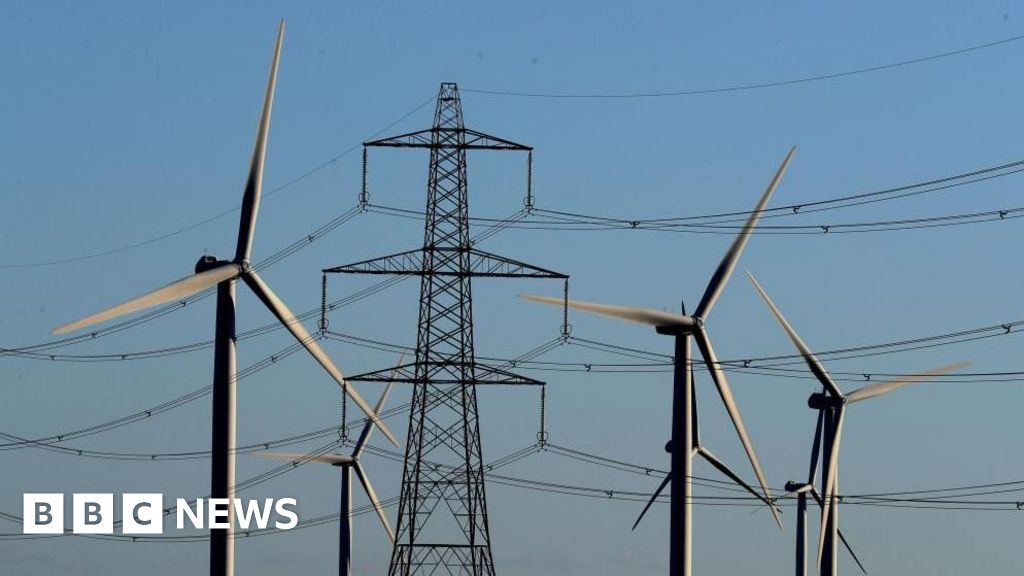
2 months agoRenewables muscle fossil fuels out of EU electricity market, says research
Solar and wind power provided more electricity than coal and gas last year, leading a global trend, said think tank Ember. Solar and wind power outperformed fossil fuels in the European Union for the first time last year, a new high watermark on Europe's transition to green and autonomous energy. The two sources of energy generated 30 percent of EU electricity, compared with 29 percent for coal and gas, Ember, a global energy think tank, said on Thursday in its European Electricity Review.
Environment
[ Load more ]