#headboards
#headboards
[ follow ]
#interior-design #home-decor #diy #furniture-design #home-improvement #architecture #home-design #sustainability
#furniture-design
fromYanko Design - Modern Industrial Design News
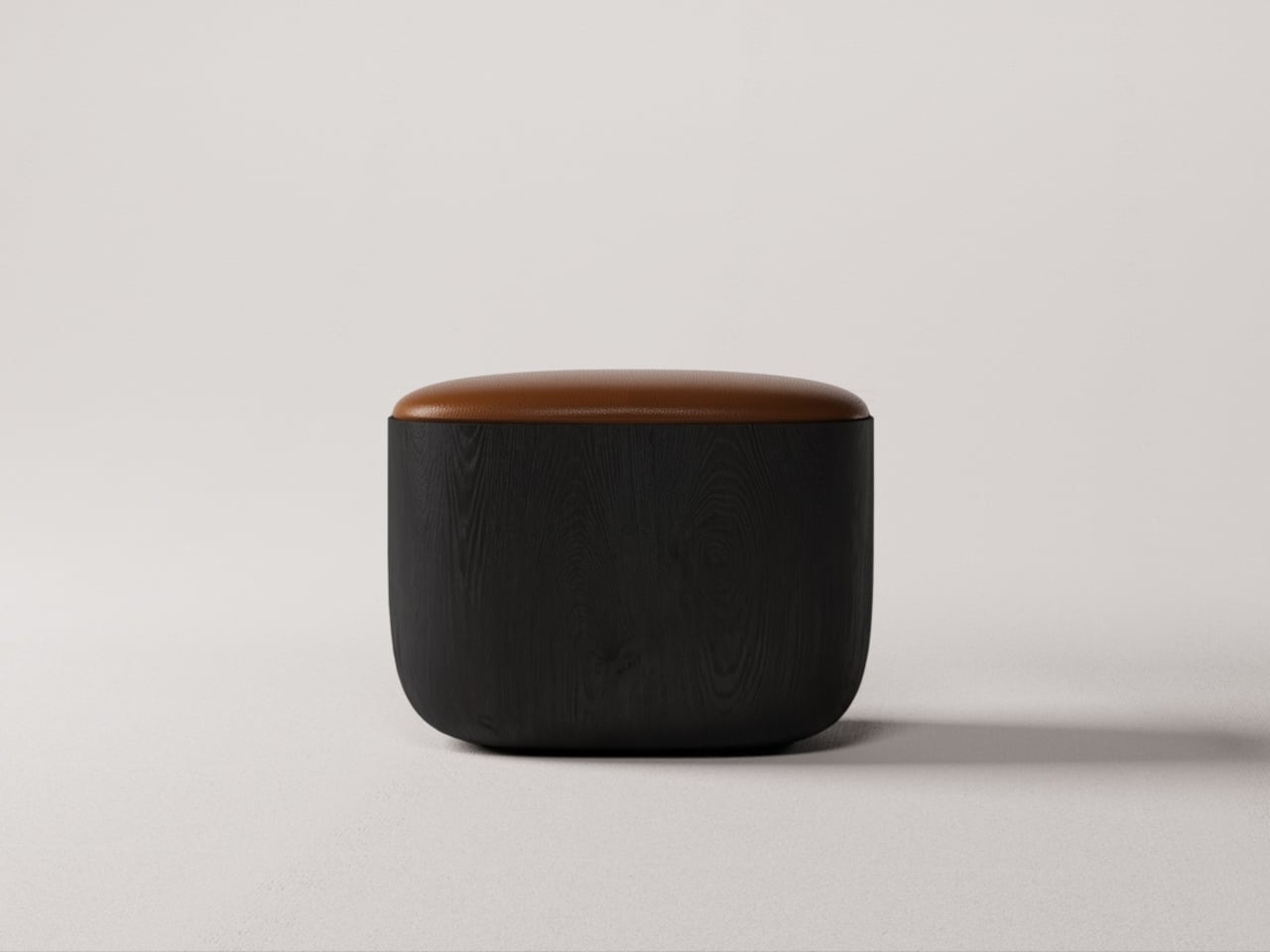
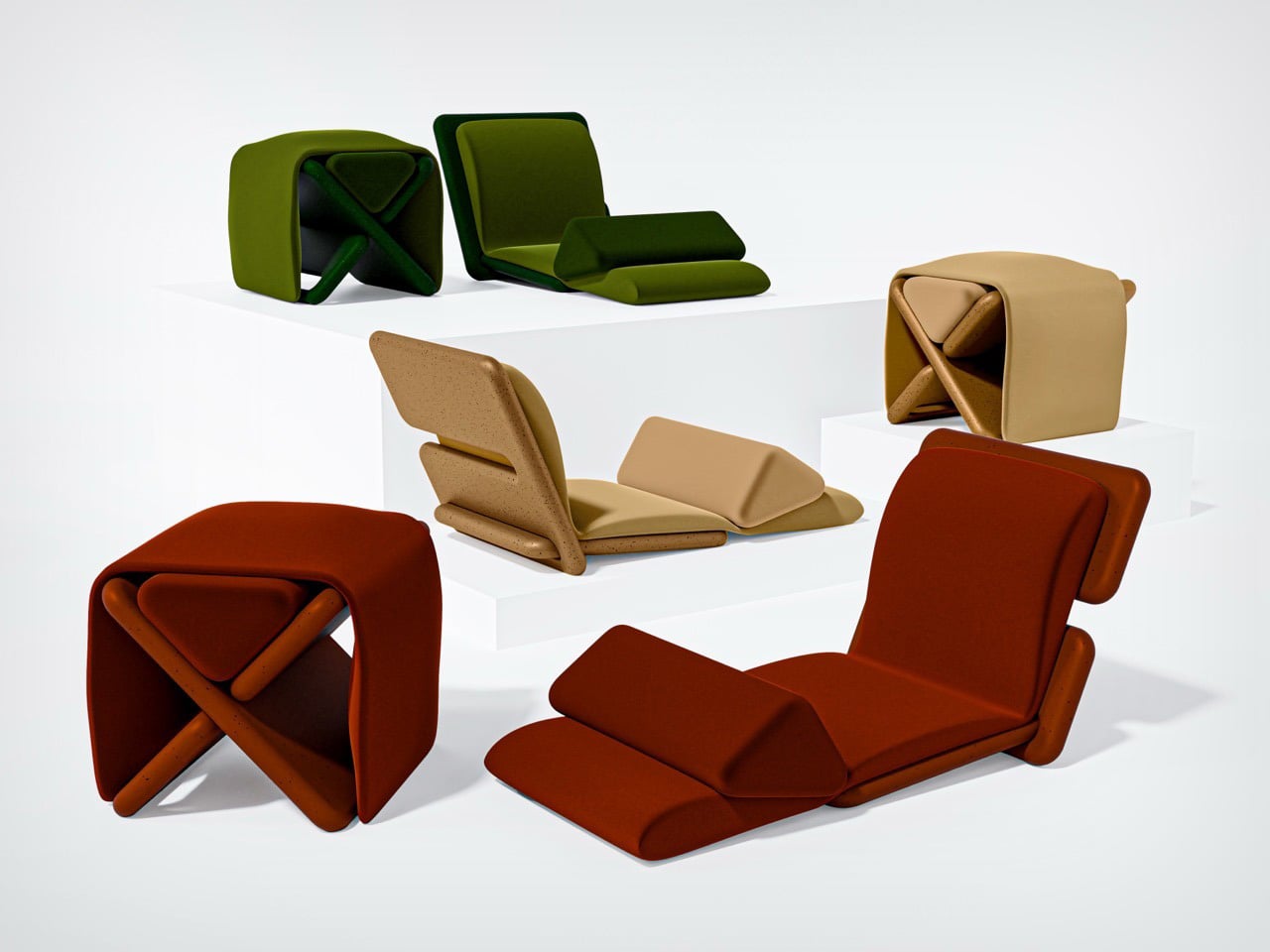
2 days agoThe Hidden Step in Chair Design Nobody Ever Shows You - Yanko Design
Timothée Mion's chair buck emphasizes the importance of physical design processes over digital tools in creating functional furniture.

Design
fromYanko Design - Modern Industrial Design News
4 days agoThe Zig-Zag Chair That Shows Rimadesio at Its Most Expressive - Yanko Design
The Ori chair by Giuseppe Bavuso for Rimadesio combines innovative design with traditional craftsmanship, showcasing a unique zig-zagging backrest that adds visual energy.
Design
fromYanko Design - Modern Industrial Design News
4 days agoThe Zig-Zag Chair That Shows Rimadesio at Its Most Expressive - Yanko Design
The Ori chair by Giuseppe Bavuso for Rimadesio combines innovative design with traditional craftsmanship, showcasing a unique zig-zagging backrest that adds visual energy.
Typography
fromYanko Design - Modern Industrial Design News
6 days ago5 Best Stationery Pieces That Turn Any Desk Into a Minimalist's Dream Workspace - Yanko Design
A well-designed workspace enhances creativity and productivity through intentional stationery that seamlessly integrates into the writing process.
Renovation
fromYanko Design - Modern Industrial Design News
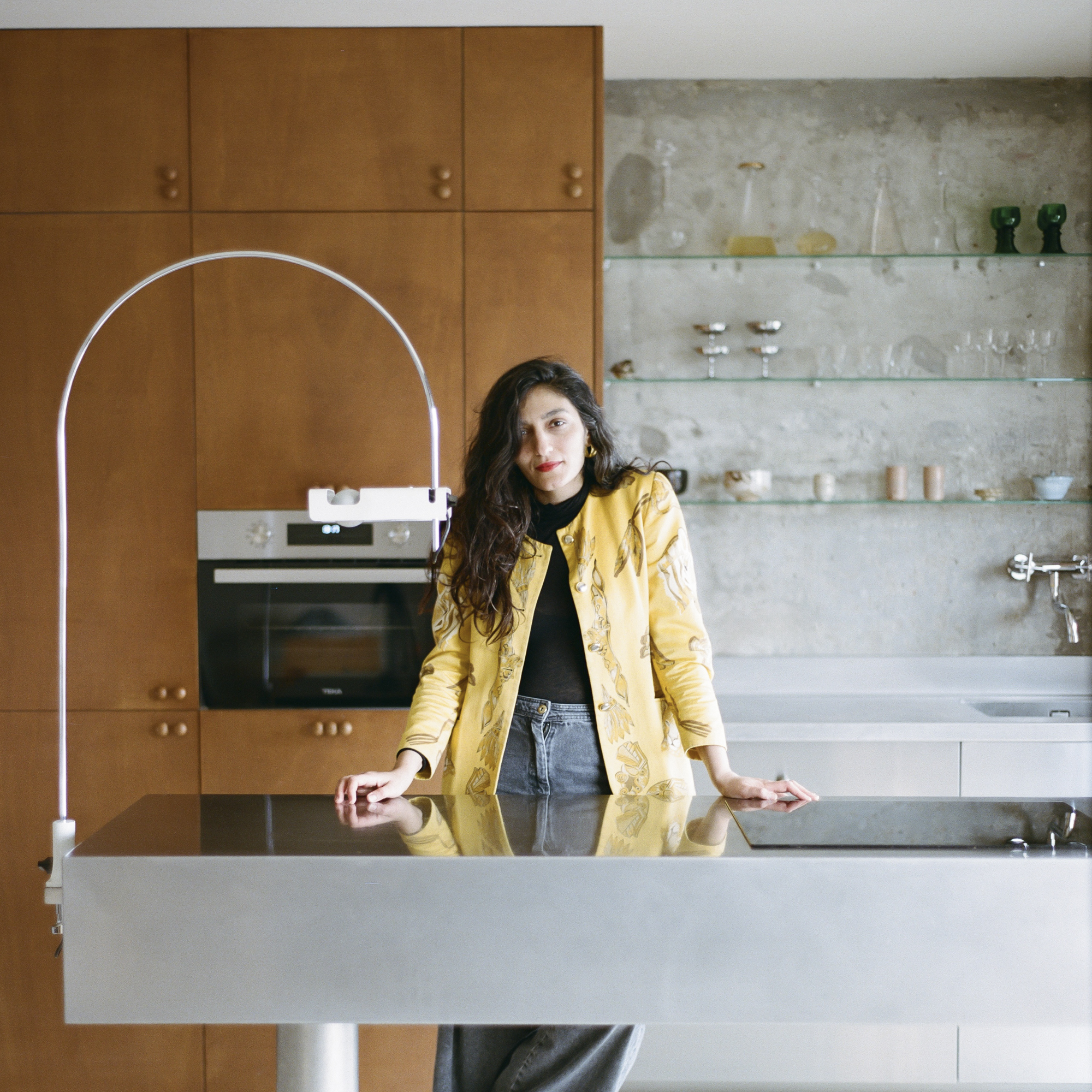
2 days ago7 Brilliant Products Renters Are Buying to Upgrade Their Homes Without Drilling a Single Hole - Yanko Design
Renters can enhance their living spaces with versatile, non-permanent upgrades that are functional and environmentally conscious.

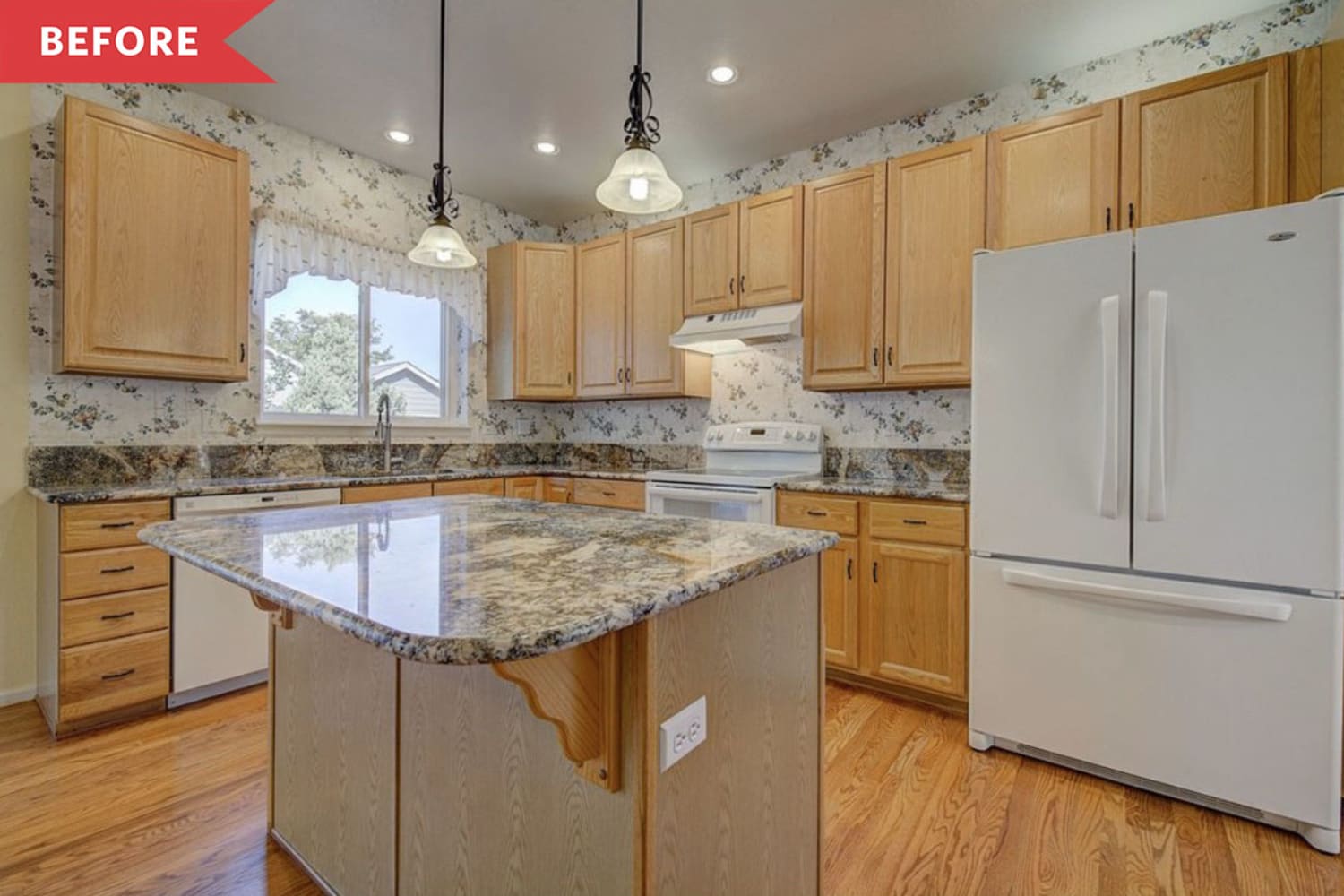
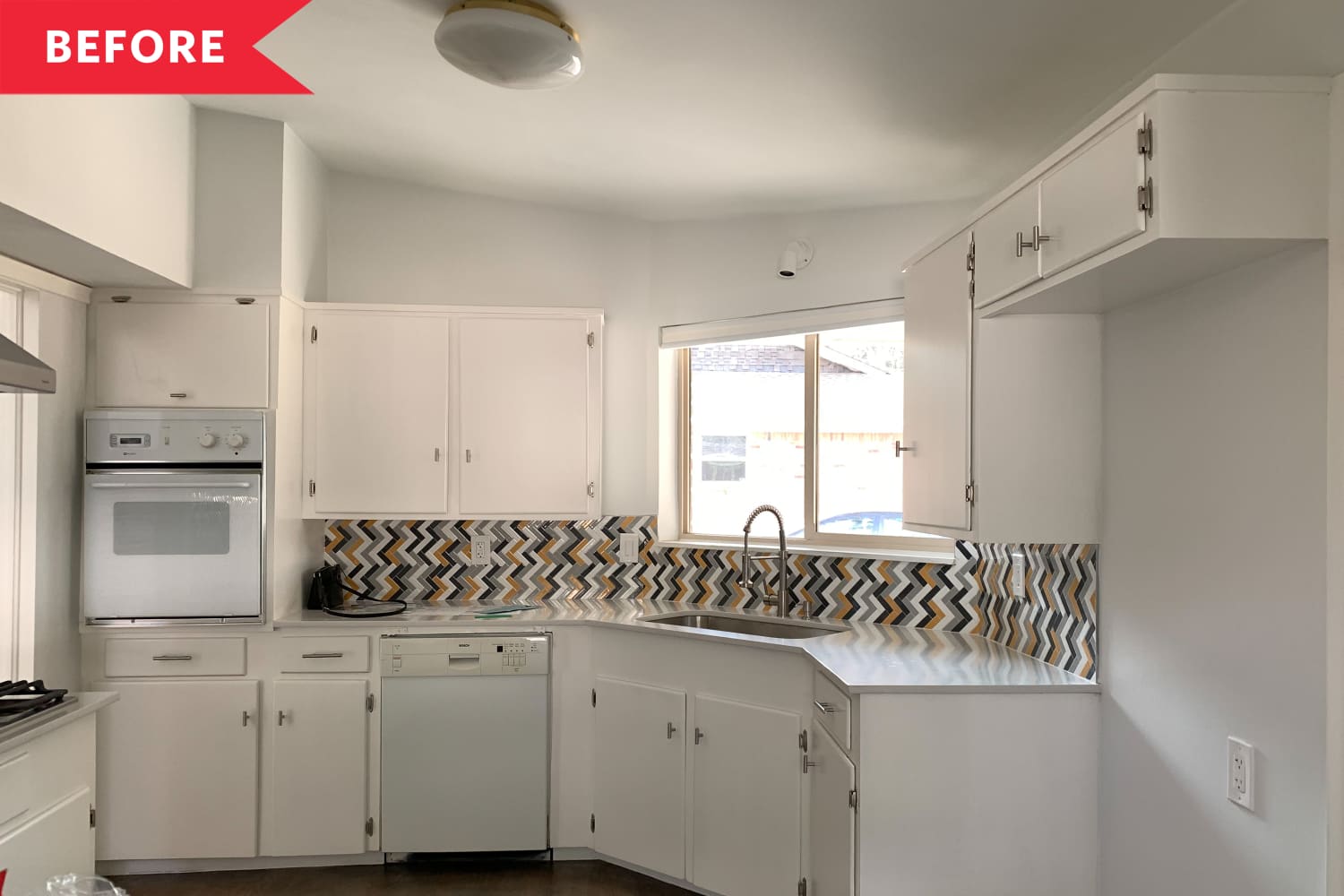
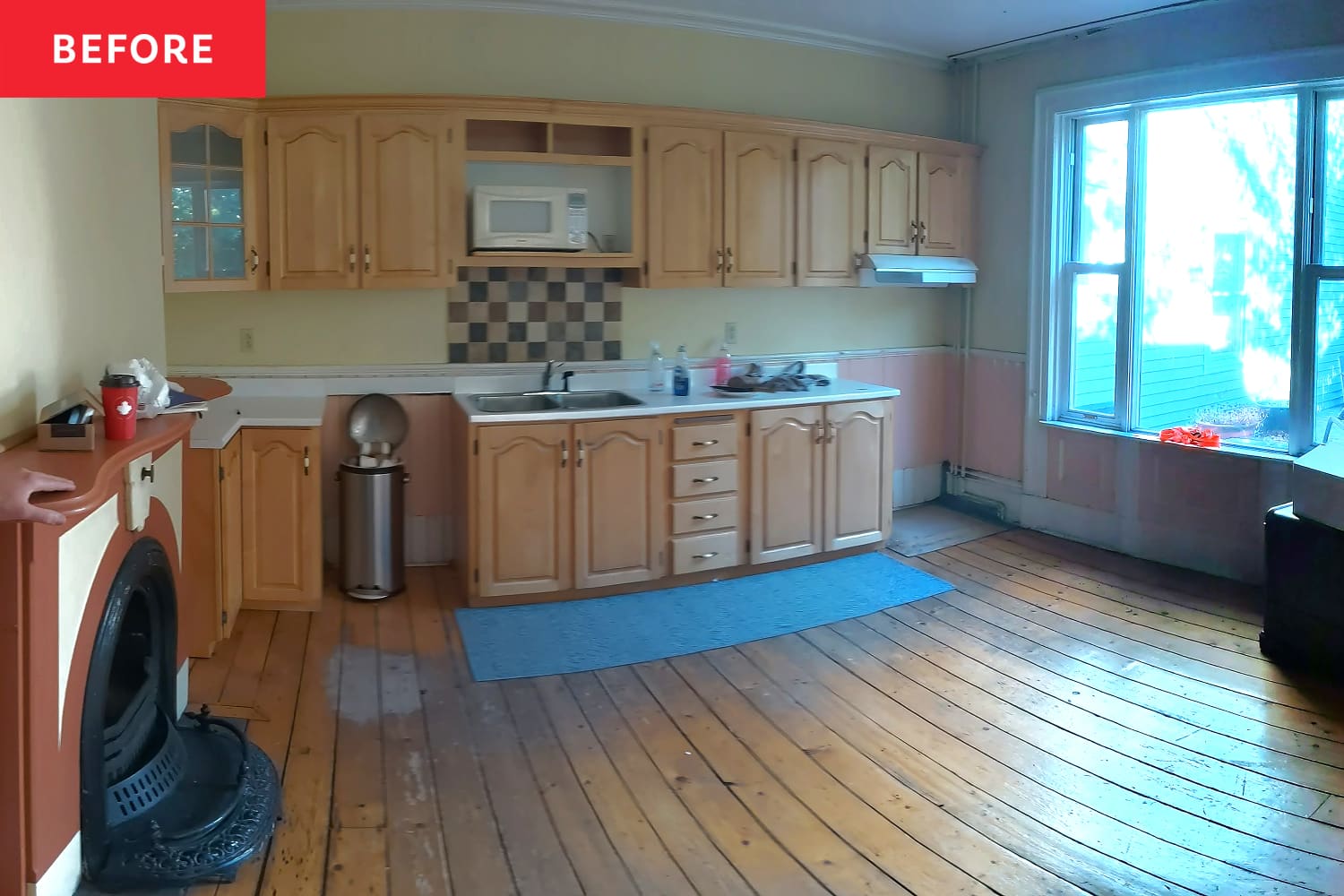
fromApartment Therapy
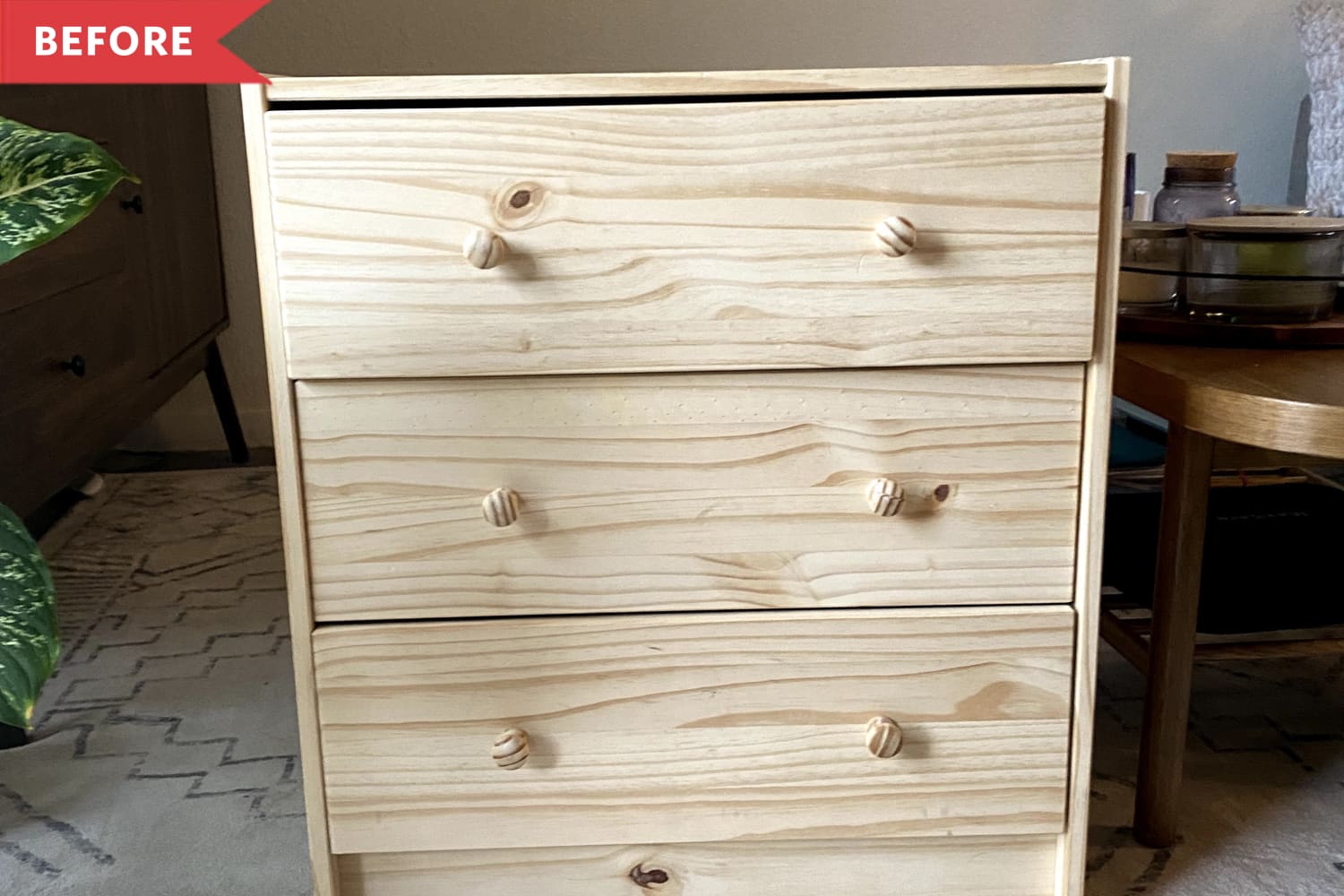
2 days agoThese IKEA Bookcases Made a 90's Living Room Look Custom (for a Fraction of the Cost)
"I wanted a space that needed renovating but wasn't a total gut job. They have so much potential. In my opinion, they are more worth the bang for your buck than the modern cookie-cutter new builds because you can customize it exactly how you want it and still end up spending less."
Remodel
#interior-design
Remodel
fromApartment Therapy
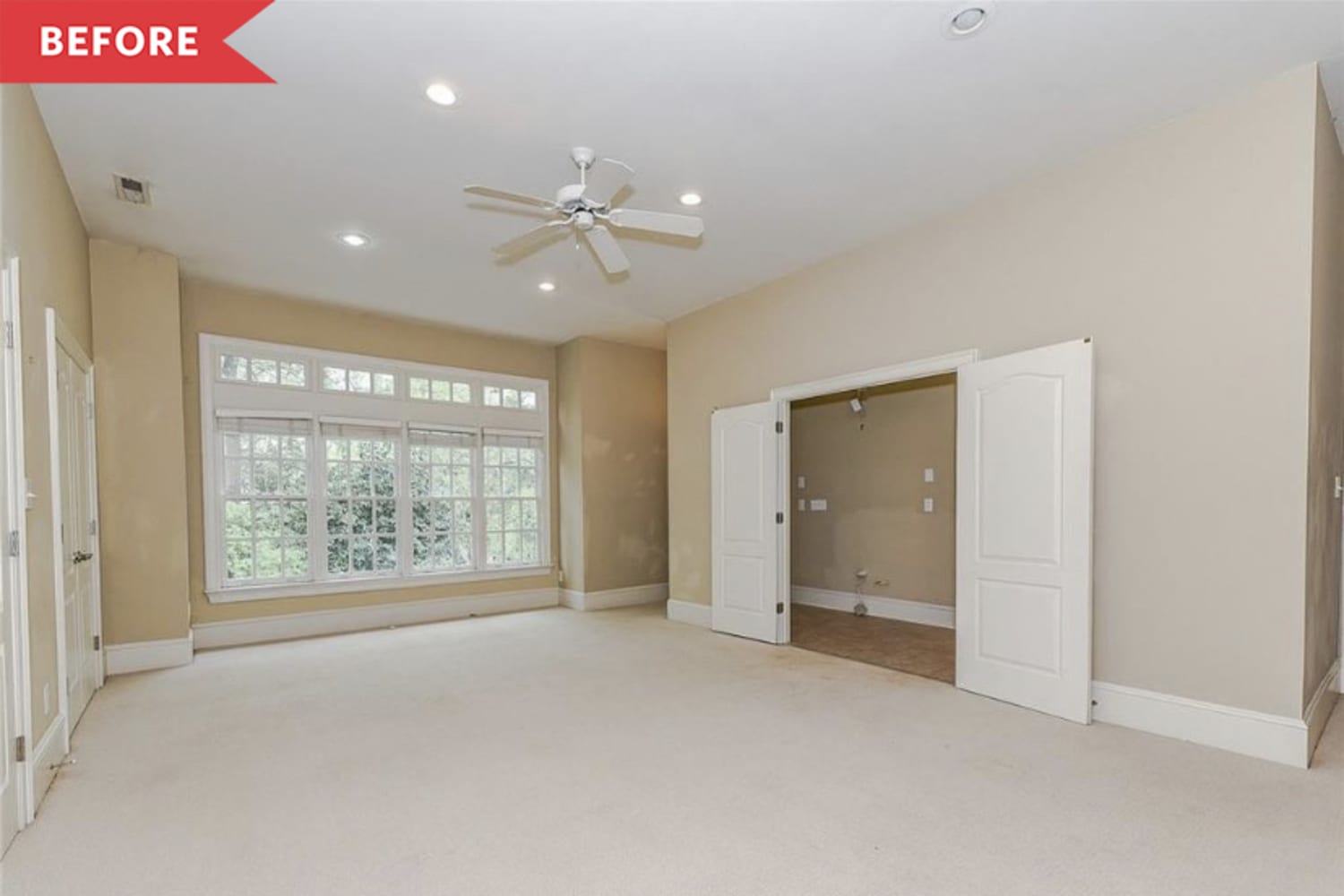
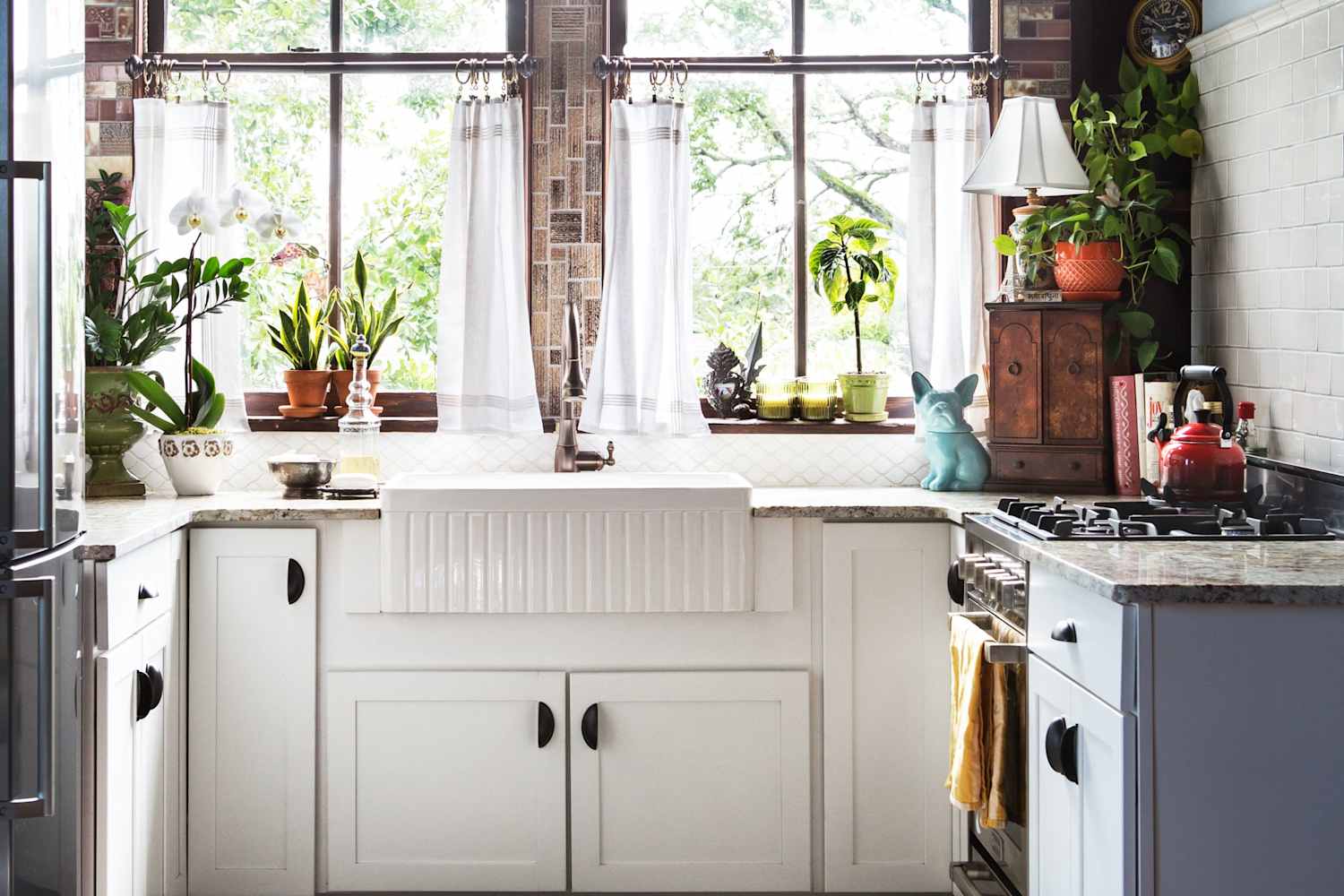
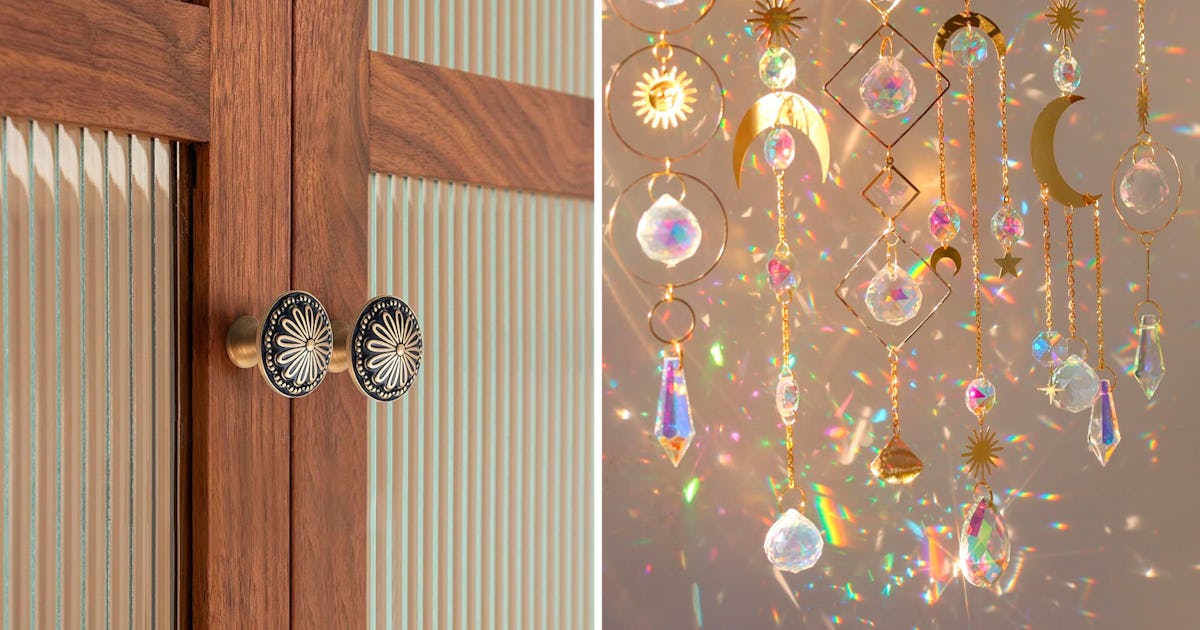
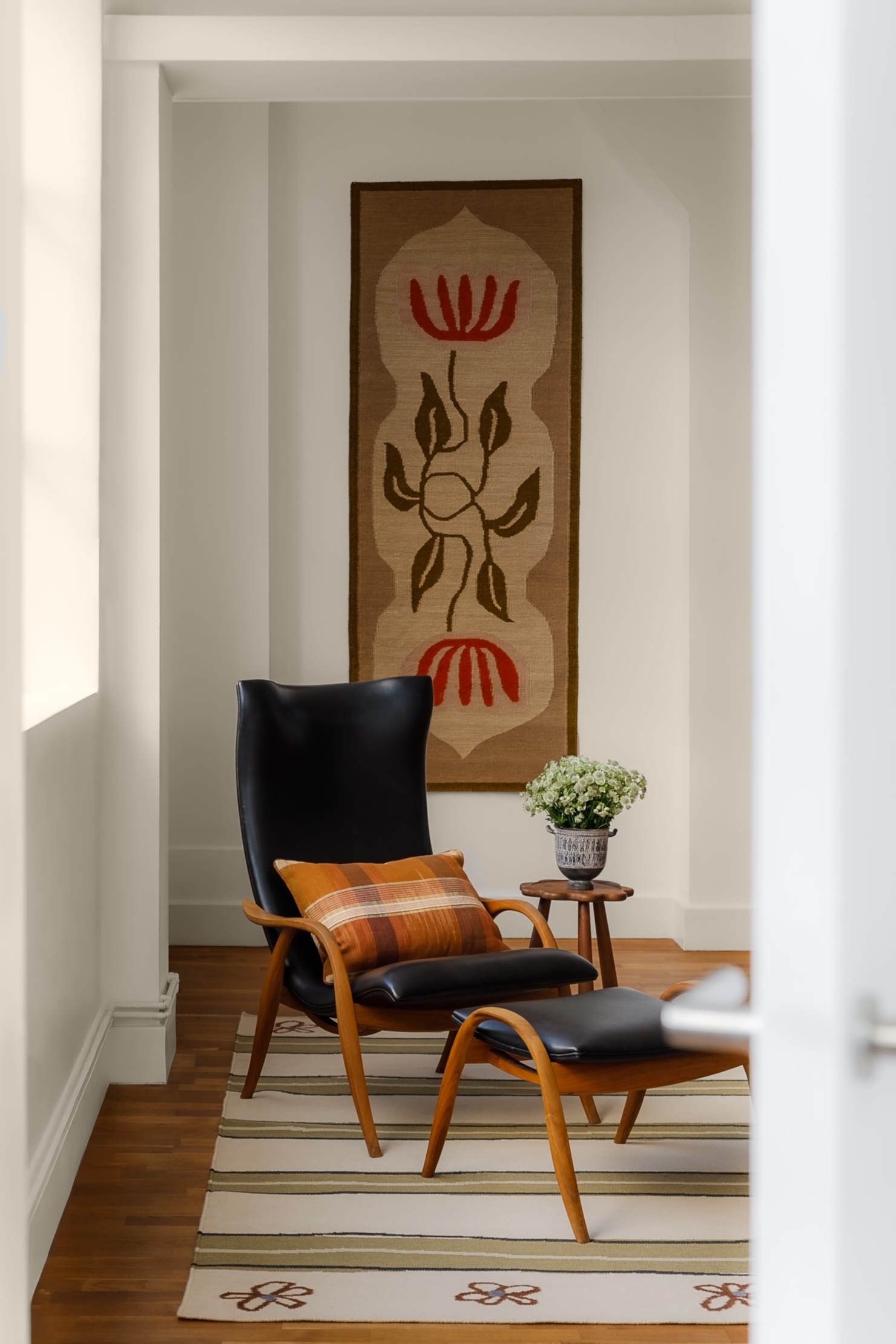
2 days ago5 Ways to Refresh a Living Room for $0, According to Designers
Money doesn't solve every design problem; impactful changes can be made at no cost.

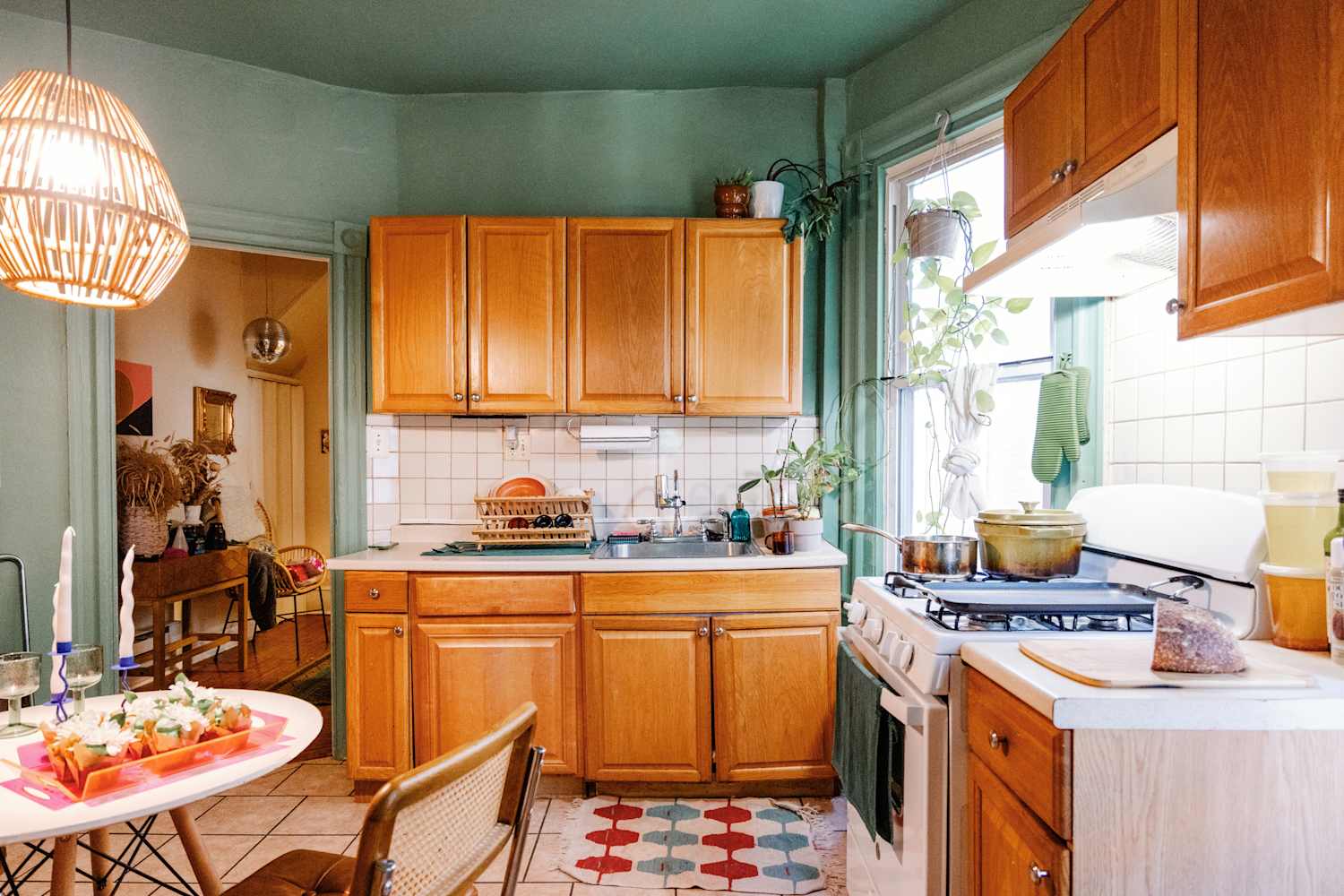
Design
fromYanko Design - Modern Industrial Design News
5 days agoRipple Shelf's Wavy Wooden Sides Are Actually a Tool-Free Height System - Yanko Design
The Ripple Shelf offers a unique adjustable design that integrates its adjustment mechanism into the aesthetic, enhancing both functionality and visual appeal.
fromApartment Therapy
5 days agoIKEA's $25 Solid Pine Find Is the Most Unexpected Way to Get a Gorgeous Room Divider
Cleveland explains, 'I just wasn't into the idea of constantly seeing my bed from the couch. I spent almost two months hunting online for a room divider that wouldn't block too much natural light or make the space feel cramped. Eventually, I realized I'd have to make one myself.'
Remodel
fromArchitectural Digest
10 months agoThe Best Bar Stools for Elevated Entertaining
The seating style has become a fundamental of casual dine-in kitchens, but deciding between a high-back style versus a neatly tucked away backless one is just the beginning of your sourcing considerations. Lumbar support for those of us with a weak core can certainly dial up the comfort level, while footrests and contoured or cushioned seats are other nice-to-haves as well.
Dining

fromArchitectural Digest
7 months agoThe Best Bohemian Bedding Gives Your Space a Jet-Setting Feel
Also known as boho style, this free-spirited aesthetic is built on an eclectic mix of patterns and organic textures anchored by earthy elements and color palettes. Take a look at Justina Blakeney's Los Angeles home tour to find inspiration-her peacock-hued bedroom is a lesson in texture. The beauty of this style is that you can express yourself with bold prints that range from paisley motifs and palm leaves, or tone it down by layering a neutral bedspread and pillow shams with tassels or pom-poms.
Design
fromArchDaily
2 months agoFrom Industry to the Living Room: Metal Furniture in Interior Architecture
How did a material conceived for bridges, factories, and large-scale structures make its way to the living room bench, the apartment bookshelf, the café table? For centuries, metal was associated with labor, machinery, and monumentality-from the exposed structures of 19th-century World's Fairs to the productive logic of modern industry. Its presence in domestic interiors is not self-evident but rather a cultural achievement: the transformation of an industrial material into an element of everyday, intimate use, in close proximity to the body.
Design
fromApartment Therapy
1 month agoIKEA's "Last Chance" Chair Is the Secret to Making Neutral Rooms Look Expensive
When designing a neutral space, you might initially assume you're working with a limited color palette. And while using a select group of more subdued hues might be the key to achieving that calming effect, it doesn't mean the room has to be boring or one-dimensional. That's where texture (think: the "70-20-10" rule) comes into play. Texture was a major part of Chloe Livington's design plan when mapping out her organic-modern Jersey City studio apartment.
Design
fromArchitectural Digest
1 month agoThe Best Four-Poster Beds Are Fit for Royalty
First gaining popularity in the 15th century, four-poster frames have given bedrooms a striking focal point for hundreds of years. Named for their quartet of corner posts, they can be as simple as a short, turned wood knob on each end, or as extravagant as a ceiling-height canopy frame (drapes are optional). Beloved for their craftsmanship, these silhouettes are traditionally made in solid wood with turned, bobbin, and hand-carved details.
Remodel
[ Load more ]