Environment
fromArs Technica
19 hours agoGreenhouse gases from data center boom could outpace entire nations
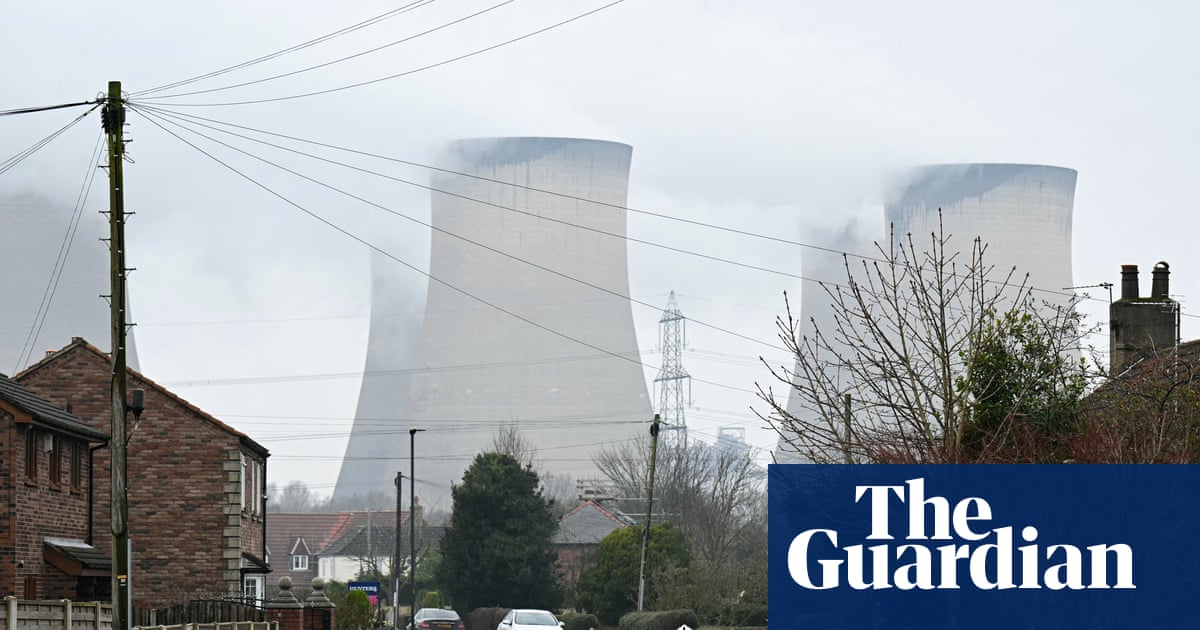
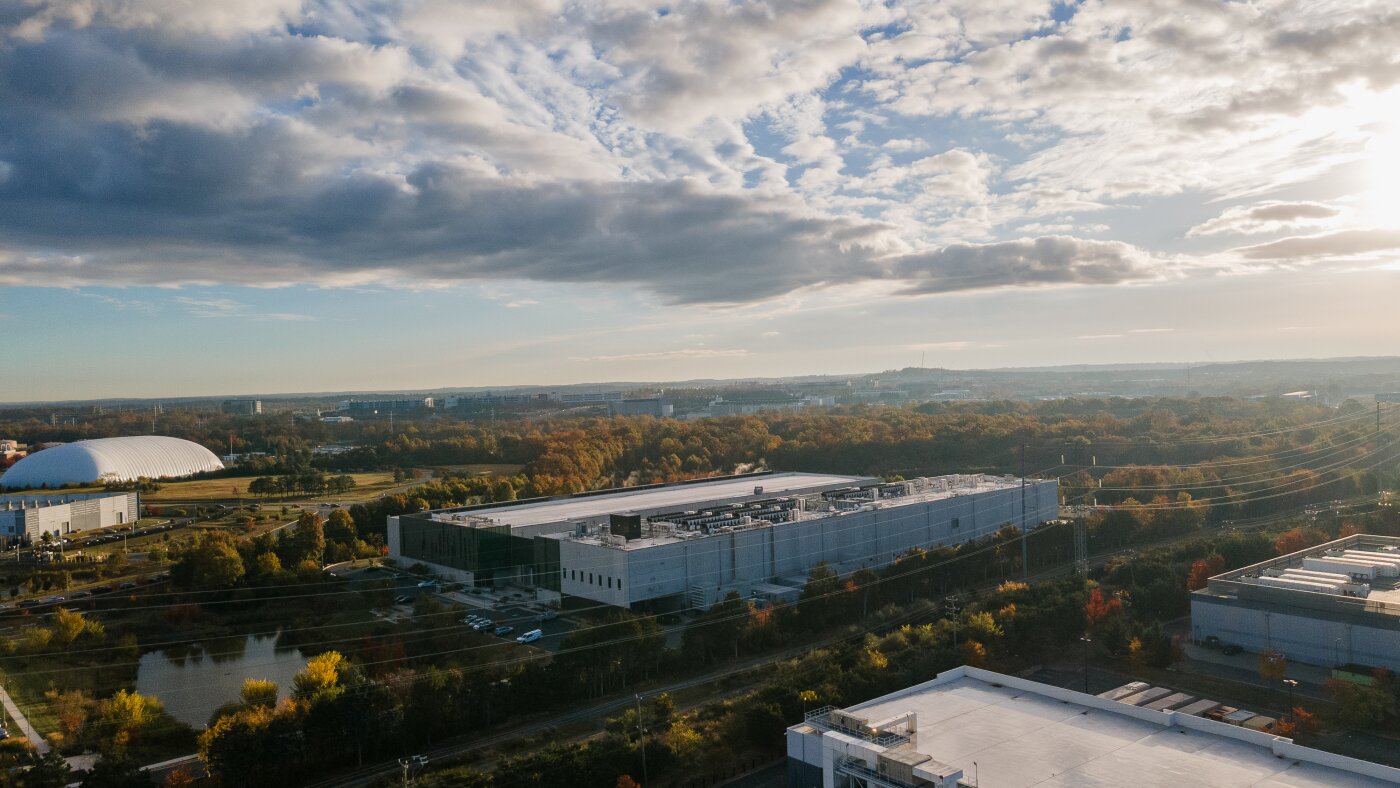
New gas projects for data centers in the US may emit more greenhouse gases than Morocco in 2024.
"The idea for a dedicated consultancy arm actually predates GCC's launch in 2020. Right from the beginning, it was clear that while shared standards, tools and advocacy are essential, many organisations would require hands-on, tailored support to implement meaningful change."
The unmistakable V-formation geese adopt in flight is more than a cool aerial trick. The entire flock benefits from upward air flowing off the lead bird's wings, whose fellow fliers then get to save energy, especially on long journeys.
Architecture can no longer be conceived as an isolated object, detached from the technical networks that sustain contemporary life. This condition calls for new readings and approaches.
Aditya Lolla, managing director of Ember, stated: 'We have firmly entered the era of clean growth. Clean energy is now scaling fast enough to absorb rising global electricity demand, keeping fossil generation flat before its inevitable decline.'
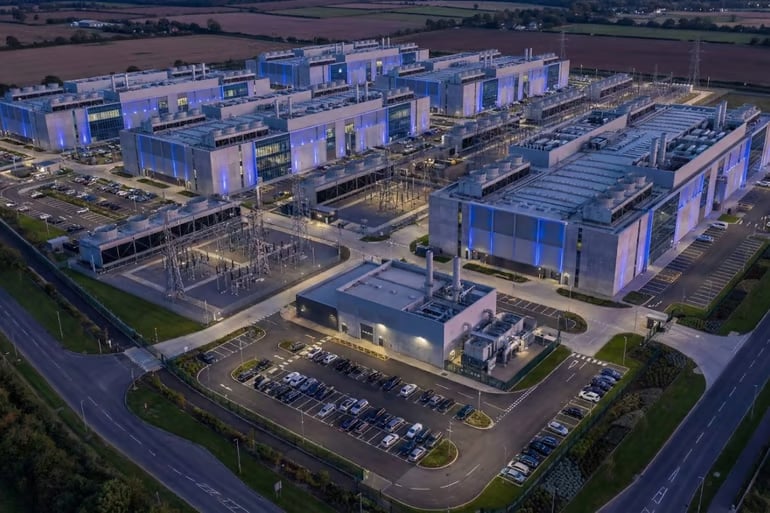
Data centers accounted for around 50% of all electricity demand growth in the U.S. last year, according to the IEA, far surpassing the rise in electricity usage in the residential, industrial, and transport sectors.
Checking your equipment once a month helps catch small issues before they turn into expensive repairs. A routine keeps everything running smoothly and extends the life of the hardware. Managers should create a simple checklist for their maintenance staff to follow.
Subzero temperatures don't pose a problem for heat pumps. The refrigerants used in the heat exchanger, which transfers heat from outside a building to inside, have an extremely low boiling point below minus 40 C. That means even when it's very cold, a heat pump can absorb ambient heat from the outside air and use it to warm a building.