#heritage-driven
#heritage-driven
[ follow ]
#cultural-heritage #unesco #heritage-preservation #archaeology #cultural-preservation #adaptive-reuse #museums
fromThe Art Newspaper - International art news and events
1 day agoPetroglyphs and cave paintings, some more than 4,000 years old, discovered in Mexico
The discovery comes on the heels of other recent discoveries of Mesoamerican and colonial-era sites and artefacts during archaeological salvage work associated with planning a new 232km passenger rail line between Mexico City and Querétaro.
History
fromThe Art Newspaper - International art news and events
1 day agoLebanon appeals to Unesco to intervene amid fears protected citadel has been destroyed
Lebanese authorities contacted Unesco officials to express their 'deepest concerns' over reports indicating the 'destruction and complete demolition of the Citadel of Chama' by military bulldozing operations.'
Arts

World news
fromThe Art Newspaper - International art news and events
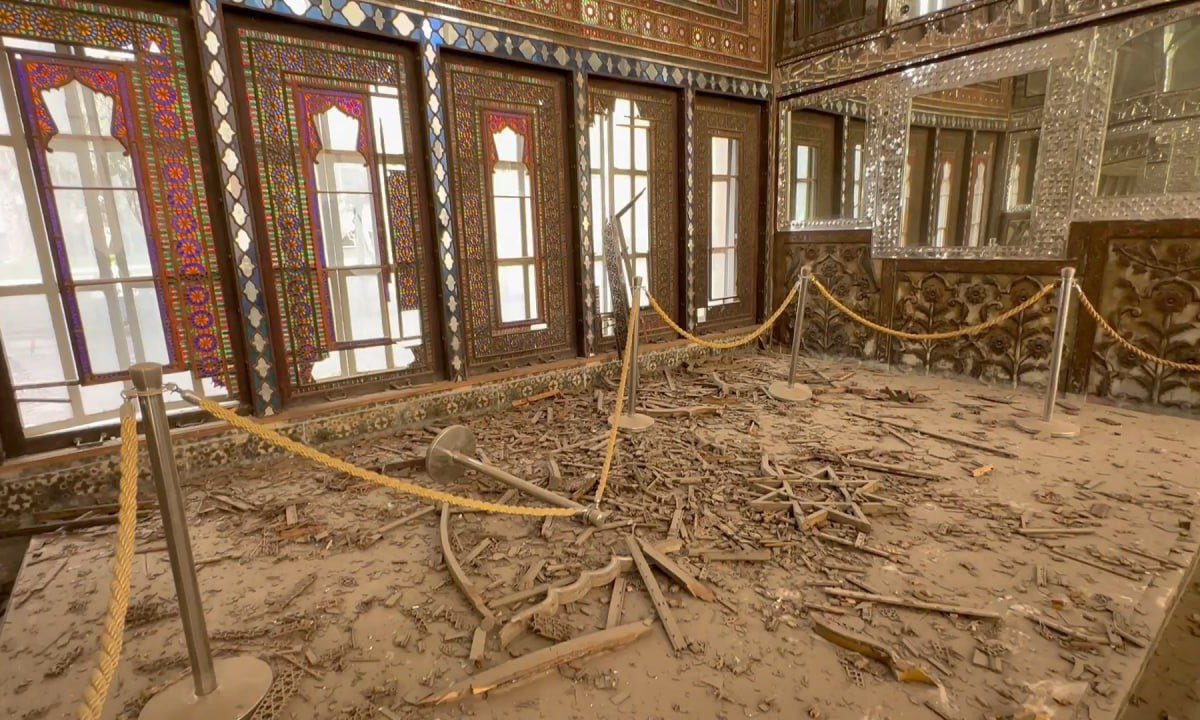
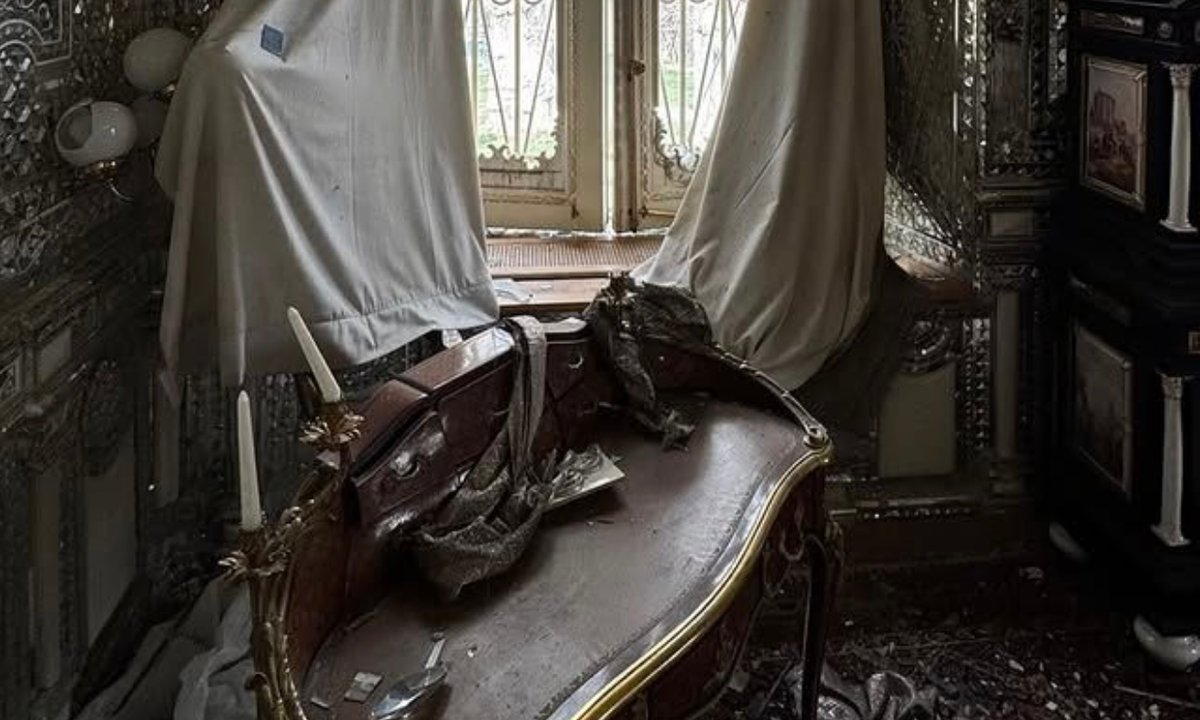
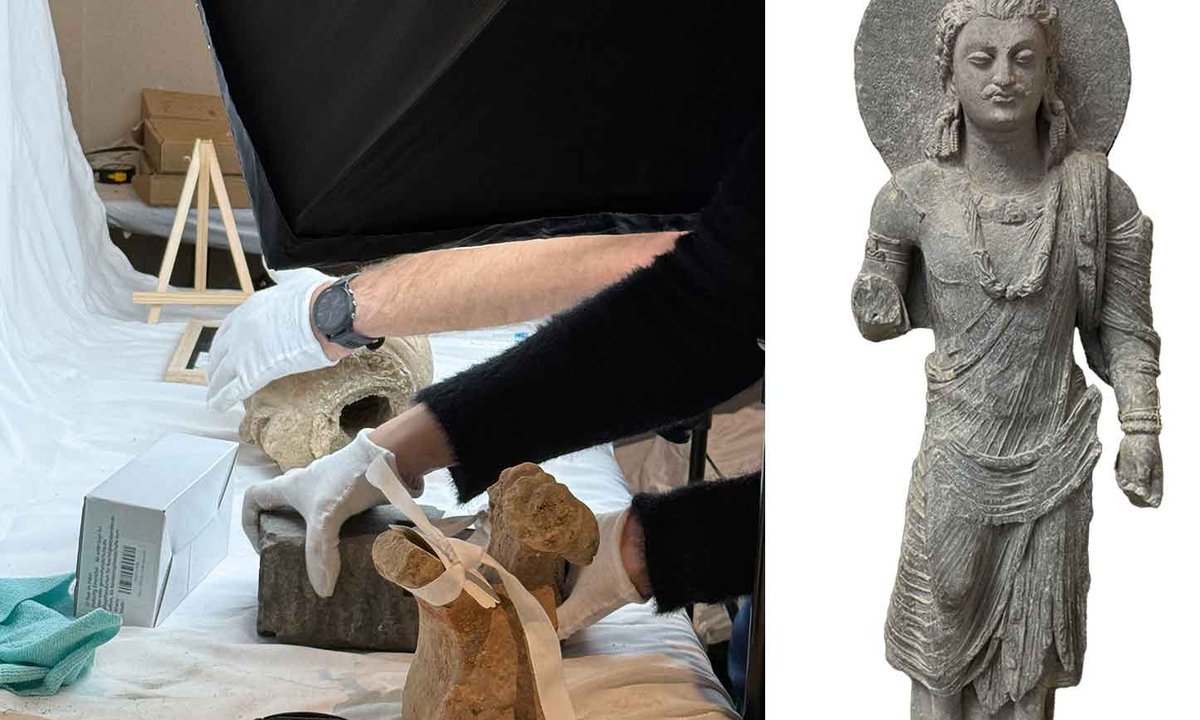
2 weeks agoIn a month of war, Iran's cultural heritage has suffered huge damage
Iran's war has caused severe damage to cultural heritage, infrastructure, and loss of life, notably impacting sites like Golestan Palace and Chehel Sotoun Palace.
fromMedievalists.net
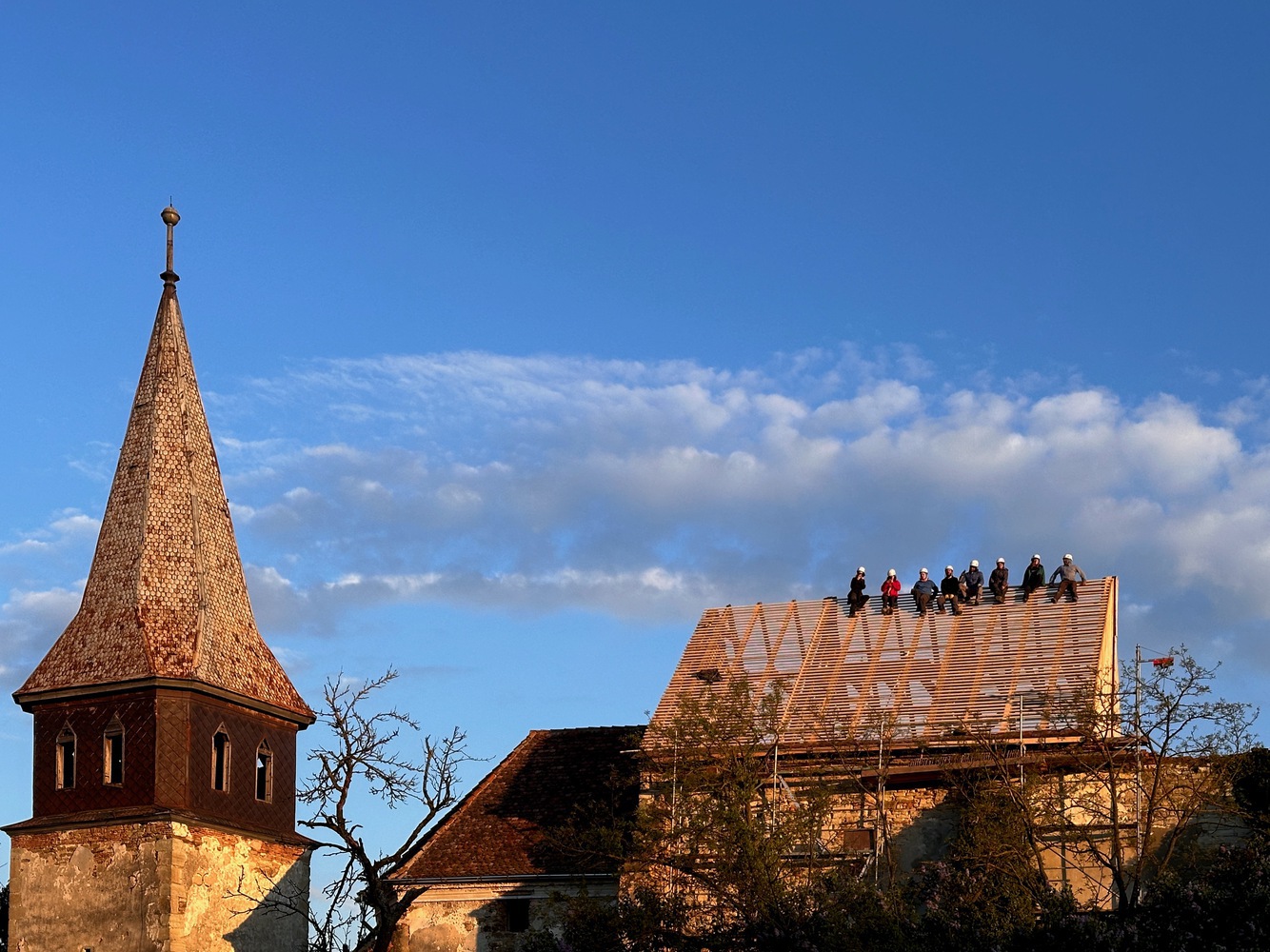
1 week agoNorway Invests Millions to Preserve Medieval Sites - Medievalists.net
"The ruins from the Middle Ages are part of our common history. With these grants, we are strengthening the work that makes it possible to preserve them, not only as historical traces, but also as living sources of knowledge for both researchers, craftsmen and local communities."
History
fromThe Art Newspaper - International art news and events
2 weeks agoUnesco grants enhanced protection to 39 Lebanese heritage sites as war escalates
The designation prohibits the sites from being targeted or used for military purposes, with violations potentially constituting serious breaches of the 1954 Hague Convention and grounds for criminal responsibility.
Arts
fromThe Art Newspaper - International art news and events
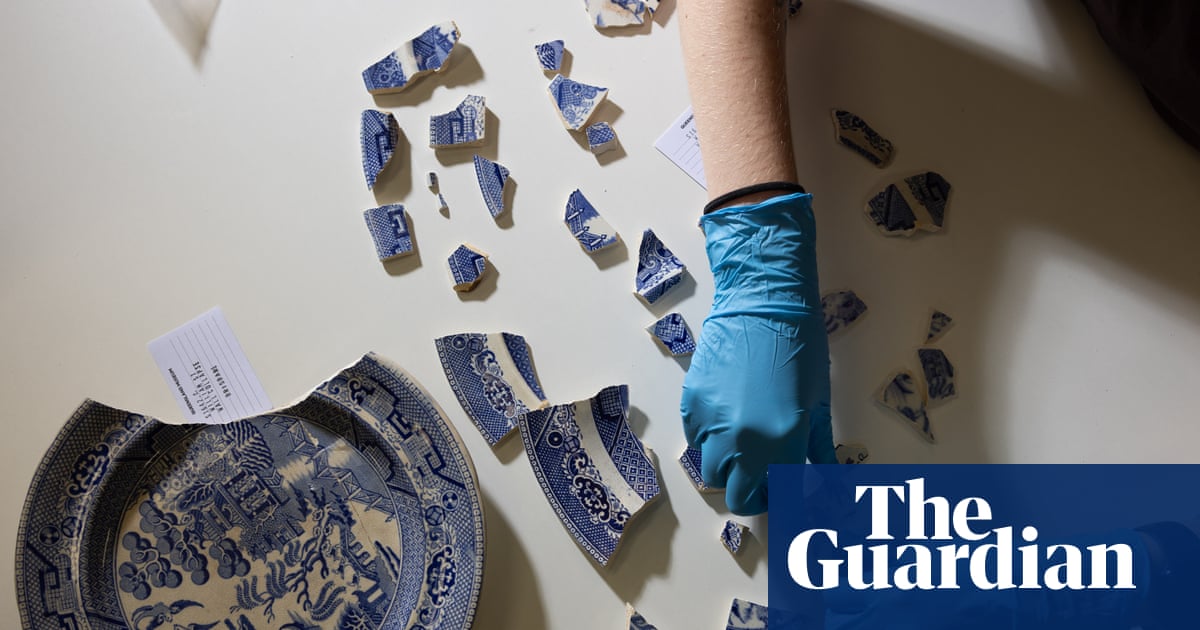
3 weeks agoComment | Museums must be the leaders in a moral revolution
Bregman claims, 'Today the whole of Europe risks turning into one big Venice, a beautiful open-air museum. A great destination for Chinese and American tourists. A place to admire what was once the centre of the world.' This statement encapsulates the concern that Europe is losing its cultural significance.
Arts


World politics
fromArchDaily
1 month agoCultural Heritage Sites in the Middle East Damaged as War Strikes Historic Urban Areas
US-Israeli military attacks on Iran in February 2026 initiated a new Middle East conflict zone, joining multiple global armed conflicts causing widespread destruction of cultural and infrastructure assets.
fromTravel + Leisure
1 month agoThese Are the 25 Top Cultural Destinations in the World for 2026, According to Tripadvisor
Singapore has a special way of blending old traditions with modern life, especially evident in its historic neighborhoods like Chinatown, Little India, and Kampong Glam. There, colorful shophouses, temples, and mosques sit alongside cafes and boutiques, while long-standing food and craft traditions remain part of daily life.
Berlin
Travel
fromwww.theguardian.com
1 month agoIt takes a village the pioneering tourism project breathing new life into India's mountain communities
Village Ways pioneering community-based tourism in Himalayan villages generates income for rural communities while preserving traditional lifestyles and reducing urban migration.
fromArchDaily
1 month agoArchiving the Technosphere: How Museum Architecture Mediates Human-Made Systems
The contemporary technology museum has emerged as a performative participant in the systems it seeks to document. The architecture of these institutions has become increasingly fluid and bold, often mirroring the velocity and complexity of the systems it houses. They operate as mediators between the human, the ecological, and the technological realms, transforming from encyclopedic warehouses into active educational engines.
Science
Canada news
fromwww.cbc.ca
1 month agoThey found Indigenous ancestral remains on their property. They say doing the right thing shouldn't cost them | CBC News
A couple's property renovation in Ontario halted after discovering ancestral Indigenous remains, potentially costing them hundreds of thousands of dollars in unexpected expenses.
fromwww.theguardian.com
1 month agoThe world's memory': why Nigeria is burying its history under a mountain in Svalbard
The Arctic World Archive (AWA) is a data storage unit where organisations and individuals can deposit records kept on specialist digitised film called Piql that lasts up to 2,000 years. On 27 February, Nigeria became the first African country to place archives at the facility 300 metres beneath a mountain where the cold, dark, dry conditions are perfect for preservation.
Arts
fromwww.theguardian.com
1 month agoWays to Traverse a Territory review documenting an ancient and disappearing way of life
Here dwells the indigenous Tzotzil community which has kept a pastoral way of life against the march of time. Apart from the odd forest ranger and passerby, Ruvalcaba's film focuses almost entirely on the Tzotzil women. Together, they tend herds of sheep which they still shear by hand, and use traditional tools for spinning yarns and natural dye for fabrics.
Film
fromwww.thehistoryblog.com
1 month agoRitual site at summit of rock formation identified
The two socketed axes were discovered last year by a metal detectorist who recognized that their careful positioning could not have been a natural process. He reported the find to the Westphalia-Lippe Regional Association (LWL). The subsequent excavation of the find site revealed a far more complex depositional context. Beneath the axes is a pit carved into the rock.
History
fromemptywheel
2 months agoHow Do You Want Your Family to Remember You? - emptywheel
The Stasi, the secret police, were legendary for their data files. Their work was based on instilling fear, and they induced stunningly amazing numbers of East Germans into informing on their neighbors. Something along the lines of 1 in 6 East Germans were informants, whether out of fear or out of approval of what the East German government was doing.
US politics
London food
fromCN Traveller
1 month agoI visited my homeland to see if I could fall back in love with this fierce Mediterranean isle - this is what I discovered
Cyprus attracts visitors through its mythological heritage and Mediterranean beauty, while representing a complex homeland shaped by migration, occupation, and personal identity struggles.
fromwww.npr.org
2 months agoUNESCO has officially added yodeling to its list of 'Intangible Cultural Heritage'
There are some variations. So we know yodeling with text. But we have also - mostly we have yodeling without text, and this yodel we call naturjodel. And this kind of yodel works like dialects. So it depends on the region you grow up. So if you grew up in eastern part, it sounds very melancholic. When you grow up in middle part, center part of Switzerland, it's quite loud and sometimes also a little bit fast.
Music



Travel
fromTravel + Leisure
1 month agoThis Small City Was Just Named the Most Welcoming Destination in Asia
Magong, Taiwan was named the most welcoming destination in Asia and second most welcoming in the world by Booking.com's 2026 Traveller Review Awards, with friendly locals creating a relaxed, welcoming atmosphere.


fromwww.theguardian.com
2 months agoOne of the most stunning sights in the country': your picks for UK town of culture
You can feel it in the fishing fleet hauled up on the beach, still part of daily life, and then a short walk away in bold contemporary spaces showing work that speaks far beyond the town. It shows up in events that belong to the people who live there; Jack in the Green spilling through the streets; Pirate Day turning the whole place into a shared act of play;
UK news
Arts
fromThe Art Newspaper - International art news and events
1 month agoUnesco sites in Iranian city of Isfahan damaged by US-Israel strikes
UNESCO World Heritage sites in Iran, including Isfahan's Safavid monuments, have sustained significant damage from US-Israeli military strikes, threatening irreplaceable cultural artifacts and architectural treasures.
fromThe Atlantic
2 months agoThe Real Fight for the Smithsonian
"The object of the Museum is to acquire power," announces a crusty old archaeologist in Penelope Fitzgerald's 1977 satire, The Golden Child. It isn't a goal he respects. He wants the museum where he's settled into semiretirement to genuinely devote itself to educating its visitors. Instead, he correctly charges, its curators act like a pack of Gollums, hoarding "the art and treasures of the earth" for their own self-aggrandizement and pleasure.
Books

fromHuffPost
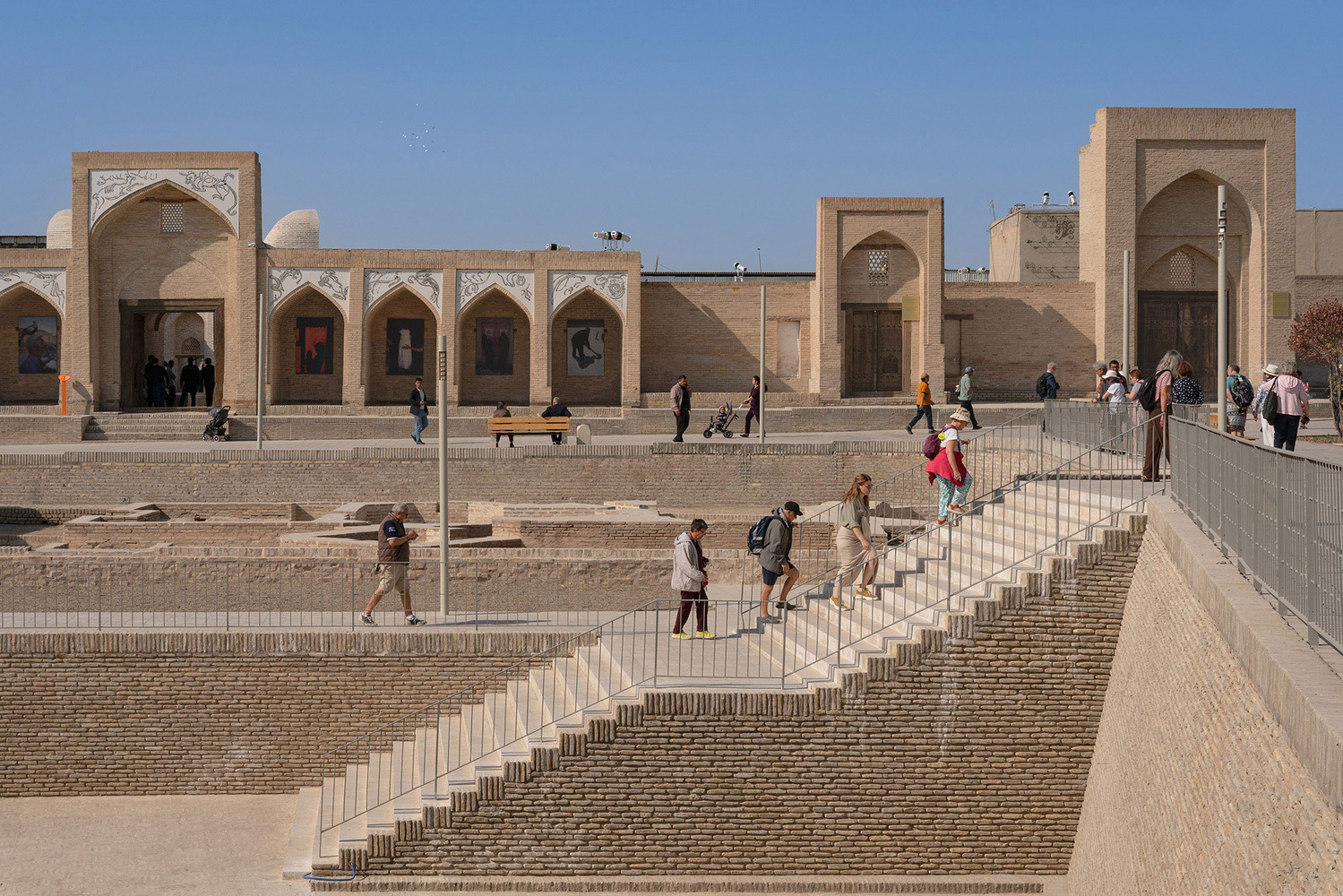
2 months ago'Inheritourism' Is Shaping Our Vacations. Here's What Experts Want You To Know.
A 2026 travel report from Hilton identified "inheritourism" as a notable trend for the new year ― with 66% of travelers surveyed by the hotel brand saying that their parents have influenced their choice of accommodations, 60% saying they guided their choice of loyalty programs and 73% saying they shaped their general travel style.
Travel
World news
fromThe Art Newspaper - International art news and events
2 months agoBill aimed at giving Israel control over all West Bank heritage sites sparks concern
Bill would establish Israeli civilian authority over West Bank antiquities, granting sweeping powers including land expropriation and council appointments, raising legal and political concerns.
History
fromSmithsonian Magazine
1 month agoHow to Fit 250 Years of American History and Culture Into One Map
Smithsonian magazine celebrates America's 250th birthday with an interactive map featuring 250 notable places across ten categories, while historians contextualize this anniversary amid current domestic challenges.
World news
fromThe Art Newspaper - International art news and events
2 months agoSyria's Hasakah Museum-occupied by military for more than a decade-to finally open
Al-Hasakah now has a completed archaeological museum, previously used by military forces, poised to open and aid social healing after regime forces withdrew.
fromMail Online
2 months agoMysterious symbols spanning the globe hint at a lost civilization
His investigation began after identifying recurring giant T-shapes, three-level indents, and step pyramids carved into ancient stones worldwide. 'These specific symbols that are built in different size proportions, and the symbols are found in ancient stones around the world, are not supposed to exist; no cultures are supposed to have any cross-platform,' LaCroix explained. The symbols appear in locations ranging from Turkey's Van region to South America and Cambodia.
History
fromThe Art Newspaper - International art news and events
2 months agoWorld's oldest known rock art discovered in Indonesia
Archaeologists have discovered what they believe is the world's oldest known rock art, in a cave off the island of Sulawesi, Indonesia. The hand stencil has been dated to at least 67,800 years ago, making it 1,100 years older than the earliest example of rock art that was known about before this, produced in Spain by Neanderthals. The Sulawesi work may, its finders say, provide insights into the migration of early humans to Australia.
Arts
fromThe Art Newspaper - International art news and events
2 months agoWhen it comes to restitution, how can museums solve a problem like inalienability?
When Thomas Jefferson wrote about the "inalienable" rights of man in the US Declaration of Independence 250 years ago, it's possible he lifted the term from the French. And long before it was ever used as an adjective to describe human rights, it defined royal property. To this day, "inalienability" remains a cornerstone of public collections in France-and many other countries-impacting museums and their ability to deaccession, including for purposes of restitution.
Arts
[ Load more ]