Cooking
fromTasting Table
10 hours agoThe 2 Ingredients For Perfect Pasta, According To An Italian Chef - Tasting Table
Cooking pasta requires boiling water with salt for optimal flavor and texture.
The Pizza Hut Four'N Twenty Stuffed Crust Pizza might sound questionable if you don't live down under, but in Australia, meat pies are an iconic and nationally beloved dish.
The dough is what really makes a Sodo pizza stand out - the sourdough base is made using flour from heritage grains and is fermented for 72 hours to make it light and digestible. But the toppings are no afterthought, with the team sourcing ingredients from local producers, including mozzarella and burrata made in Acton, pepperoni and nduja cured in Islington, honey from Walthamstow and leaves from a salad farm in Dagenham.
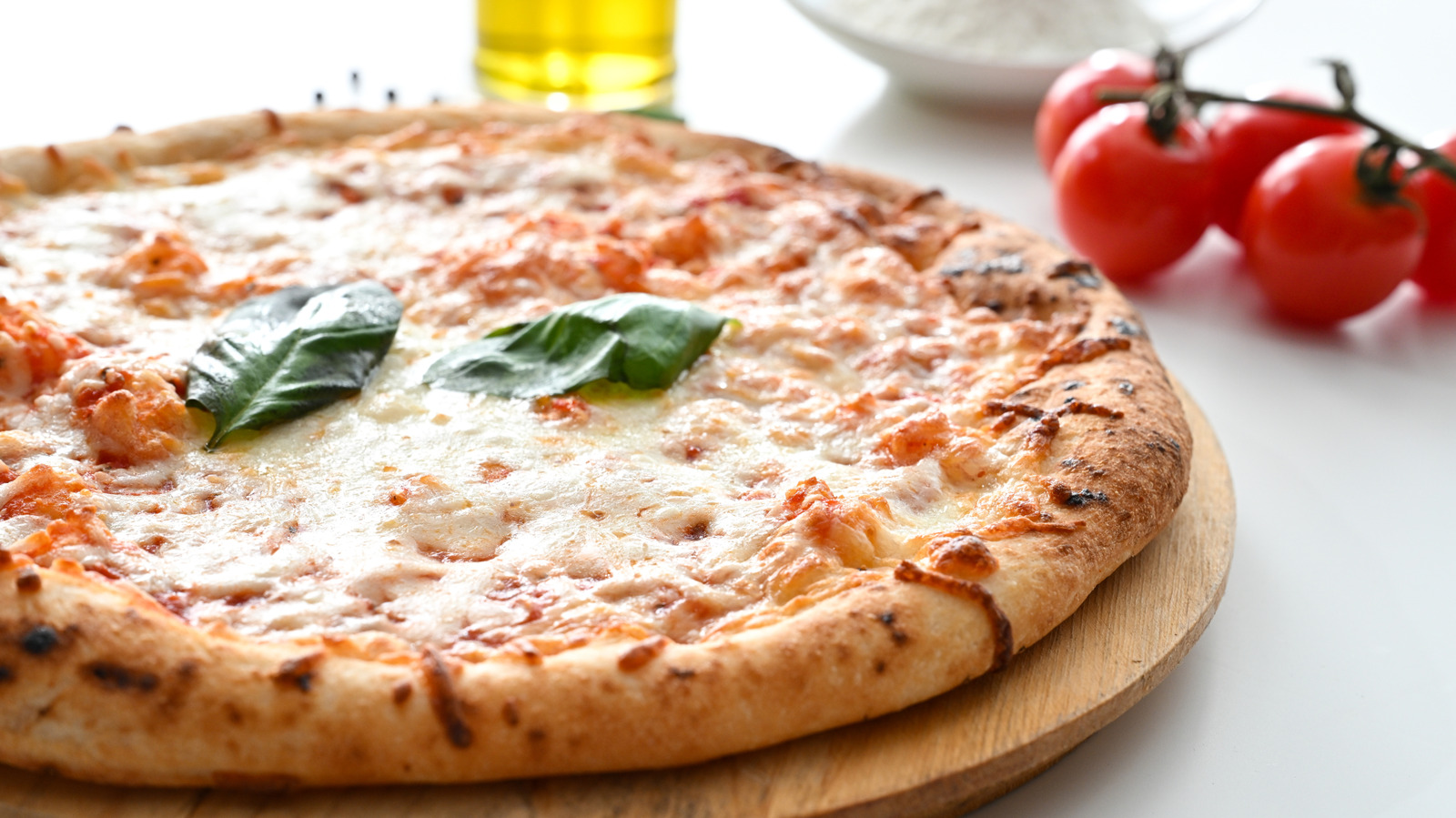
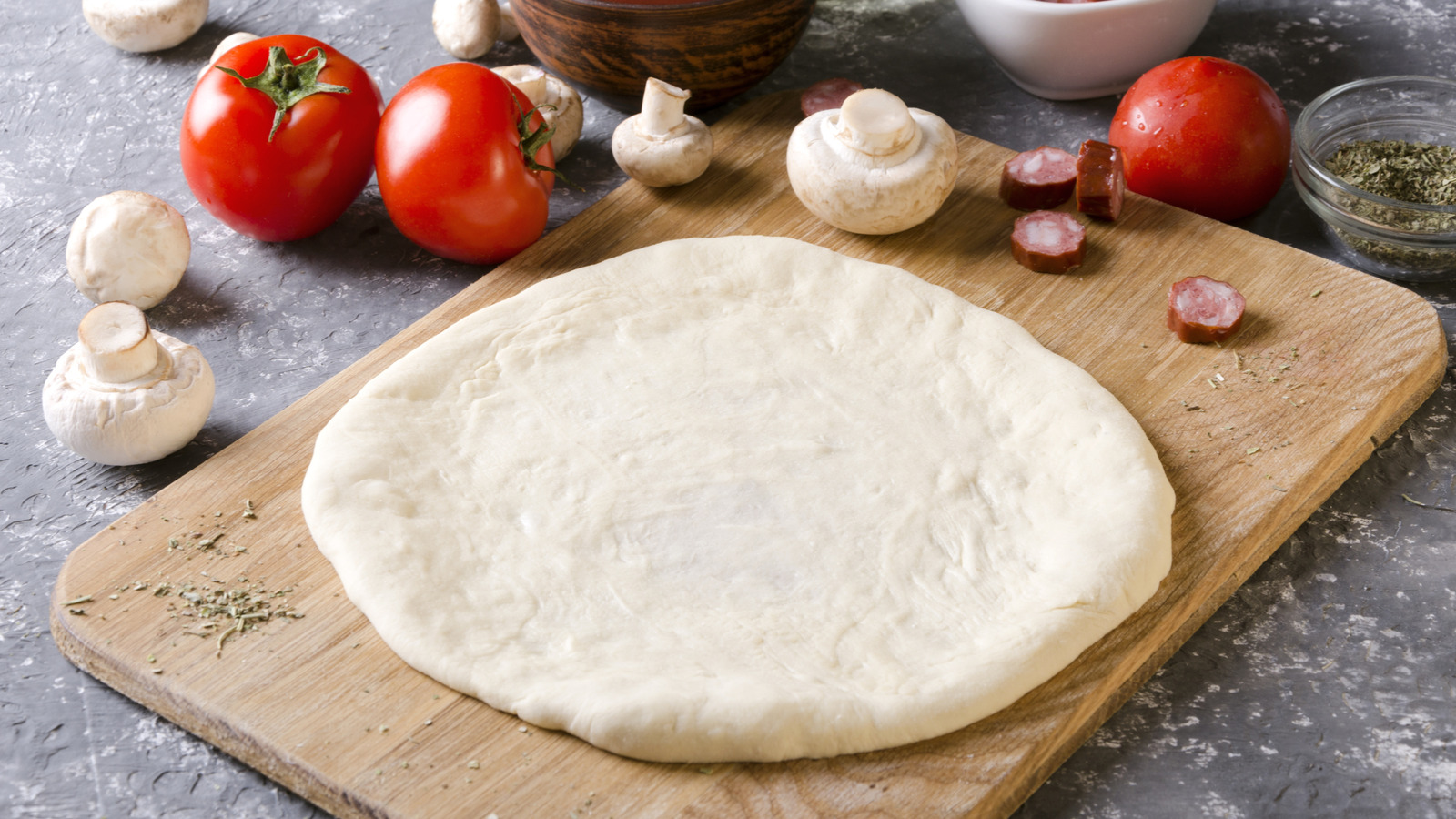
Neapolitan pizza is a masterclass in textural perfection. It strikes the perfect balance between fluffy and crisp, making us yearn for more with each bite. As the toppings are traditionally minimal, usually sticking only to tomatoes, mozzarella, and fresh basil, the quality of the dough is very much at the forefront and definitely requires some finesse. There are many steps to making the perfect Neapolitan pie at home, but the process surprisingly starts with a very specific choice of flour.
Few low-prep dishes satisfy and delight on busy weeknights like one-pot pastas, and one of the best ingredients to take your pasta dishes to the next level is vegetable broth. Boiling dry pasta directly in vegetable broth instead of water imparts bolder flavor as the pasta soaks it up. Plus, you'll end up with a pot full of starchy cooking liquid from the boiled pasta, which can provide a solid base for building a pan sauce.
Pasta and peas was one of the staple meals my mom made for us growing up. We probably had it at least once a week. She learned the recipe from my grandma Tina, and it was a simple, inexpensive dish to throw together-just pasta and frozen peas cooked with a bit of chicken broth and aromatics topped with grated parm.
You may have heard "stone" and "steel" used interchangeably, but the two cannot be any more different. Of course, their purpose is the same - to ensure an even cook and concentrated heat on the bottom of the pie - but their makeup and relative conductivity differ. Stones are usually made from cordierite (a heavy-duty mineral), while steels are made from thin, seasoned metal. Stones tend to be much thicker and heavier than steels as well, which can make them more awkward to move.