#household-dust
#household-dust
[ follow ]
#indoor-air-quality #air-quality #air-pollution #public-health #pm25 #air-purifier #mental-health #air-purifiers
fromTODAY.com
1 day agoThese Are the 2 Most Dangerous Home Cleaning Products to Have Around Kids, New Research Shows
"What surprised me is we are still seeing so many visits to emergency departments associated with very common household cleaning products," Lara McKenzie, Ph.D., stated, emphasizing the ongoing issue despite safety advancements.
Public health








fromApartment Therapy
2 days agoI Always Start Here When Dusting My Home, and I'll Never Do It Another Way
One of the most effective ways to clean your home is to work from top to bottom. This ensures that whatever dirt or dust is lurking above falls down first, so you're not forced to redo any of the hard work you've already done below.
Remodel


Psychology
fromSilicon Canals
2 weeks agoNot everyone who keeps a clean house is organized. Some of them learned as children that mess attracted criticism, and now they live in spotless apartments that feel more like evidence of vigilance than peace. - Silicon Canals
Compulsive cleaning often stems from childhood trauma where disorder triggered parental emotional responses, creating a surveillance system disguised as discipline rather than genuine preference for order.
Everyday cooking
fromTasting Table
3 weeks agoThe Kitchen Cleaning Product It's Time To Ditch - Tasting Table
Strongly scented cleaning products mask odors that signal bacterial contamination, leave residue that attracts dust, and can trigger allergies, making unscented natural cleaners a safer, more effective alternative.
Health
fromwww.theguardian.com
2 weeks agoReduced physical activity due to global heating will lead to rise in health issues, study says
Rising temperatures reduce physical activity globally, with each month above 27.8°C increasing inactivity by 1.5 percentage points, projecting half a million additional premature deaths annually by 2050.

fromTasting Table
2 weeks agoDirty Kitchen Walls? Look For These Types Of Sponges To Get The Job Done Right - Tasting Table
Cleaning pros say that this is a kitchen cleaning task you should do every one to three months to prevent a buildup of food splatters, grease, oil, and dust - all of which could damage the walls, cause foul odors, and attract pests like flies and roaches.
Everyday cooking
Environment
fromNature
3 weeks ago'Black rain' in Tehran - what are the health effects?
Missile strikes on Iranian oil facilities released toxic chemicals into the atmosphere, creating black acid rain containing harmful hydrocarbons, sulfur oxides, and nitrogen compounds that pose serious health risks.
Mental health
fromTasting Table
4 weeks agoCould Your Kitchen Use Some Houseplants? They May Help Beat Cabin Fever, According To Research - Tasting Table
Houseplants alleviate seasonal affective disorder and cabin fever symptoms, with low-maintenance options like peace lilies, snake plants, and pothos thriving in kitchens with limited light and space.
Boston real estate
fromCity Limits
3 weeks agoNYCHA Residents Say Nearby Industrial Site is Covering Their Homes in Dust
A construction debris recycling facility in Far Rockaway creates dust pollution affecting nearby public housing residents, who invoke a 2023 state environmental justice law to oppose the facility's permit renewal.


fromTasting Table
1 month agoDeep-Cleaning Products That Bring Crusty Ovens Back To Life - Tasting Table
All of the grease, oil, baked-on food residues, and other debris can also be a fire hazard. When you use your oven, this debris could be releasing dangerous, and even toxic, smoke and fumes into your home. Dirty ovens even reduce the overall lifespan of your appliance, and can lower its efficiency and damage heating components.
Cooking
Public health
fromwww.theguardian.com
3 weeks agoTrump policies set to increase rates of lung disease and death, study finds
Trump administration policies across healthcare, environment, workplace, and vaccines are projected to significantly increase lung disease rates and premature deaths among Americans.
Gadgets
fromYanko Design - Modern Industrial Design News
1 month agoDyson Just Made a Wet Cleaner That Slides Under Your Sofa - Yanko Design
Dyson's PencilWash reimagines wet floor cleaning with a pencil-thin, lightweight design that cleans under low furniture using high-density microfiber and a three-part cleaning system.
fromwww.scientificamerican.com
2 months agoScientists just calculated how many microplastics are in our atmosphere. The number is absolutely shocking
Microplastics are pervasive, found everywhere on Earth, from the Sahara Desert to patches of Arctic sea ice. Yet despite these plastic particles' ubiquity, scientists have struggled to determine exactly how many of them are in our atmosphere. Now a new estimate published in Nature suggests that land sources release about 600 quadrillion (600,000,000,000,000,000) microplastic particles into the atmosphere every year, about 20 times more than the number of particles contributed by oceans (about 26 quadrillion).
Science
fromSilicon Canals
1 month agoWhy your house is dustier than your neighbor's and the airflow mistake causing it - Silicon Canals
I was that person who only changed their HVAC filter when it looked like it had grown its own ecosystem. Richie Drew, Vice President of Operations at One Hour Heating & Air Conditioning, puts it bluntly: "Dirty filters can reduce airflow, increase dust in your home and strain your heating system." Think about it this way: your HVAC filter is like the bouncer at an exclusive club, except instead of keeping out people without the right shoes, it's blocking dust particles from circulating through your home.
Remodel
fromCurbed
2 months agoMy Neighbor Has a Hoarding Problem and I'm Freaking Out About Mice
Living in New York City requires a constant negotiation between what we owe our neighbors and what our neighbors owe us. In an ideal world, you and your neighbor would have a mutual understanding about why it's good for everyone to keep a clean building, but if she is indeed hoarding then it's hard to imagine she's able to give you what she can't even give herself. This is a pickle.
NYC real estate
fromwww.theguardian.com
1 month agoThe sneeze secret: how much should you worry about this explosive reflex?
Alongside the obvious nasal hairs that a few people choose to trim, all of us have cilia, or microscopic hairs in our noses that can move and sense things of their own accord. And so if anything gets trapped by the cilia, that triggers a reaction to your nerve endings that says: Right, let's get rid of this.' And that triggers a sneeze.
Science




fromNature
2 months agoMicroplastic levels in the air have been overestimated, but are still a big concern
Many human activities - from improper disposal of waste to the degradation of car tyres - release small plastic particles, which have infiltrated the atmosphere, oceans and other ecosystems. These include nanoplastics - particles measuring less than 1 micrometre across - and microplastics, which range from 1 micrometre to around 5 millimetres. They've entered our bodies and brains, and scientists are still working to understand their effects on people's health.
Environment
fromWIRED
1 month agoI Love My Dehumidifier and Will Never Go Back to the Damp
You should buy a dehumidifier. It will almost certainly improve your home environment. Pulling moisture from the air helps banish condensation and mold, making it cheaper and easier to regulate the temperature in your house or apartment. There's a reason the chatter about dehumidifiers has grown so loud and sales are soaring; it's because they work. Whether you've seen a persuasive Reddit thread, a life hack on TikTok, or an expert guide to the best dehumidifiers, the hype is real.
Environment
Public health
fromwww.theguardian.com
1 month agoWood burning pollution leads to 8,600 premature US deaths a year, study finds
Residential wood burning causes an estimated 8,600 premature US deaths annually and contributes about 21% of wintertime particulate pollution despite only 10% of homes burning wood.


fromApartment Therapy
2 months agoI Used a Leaf Blower to Clean Inside My House, and It Actually Worked
In an Instagram Reel, creator @alyssalanemcnair demonstrates using a leaf blower indoors to push debris out from under furniture, along baseboards, and out of tight, hard-to-reach spaces. The concept is simple: Instead of vacuuming or sweeping, you use the airflow to move dirt, dust, and debris out from areas traditional tools struggle to reach. It sounds chaotic (and it definitely looks dramatic), but in practice, it's surprisingly strategic - especially if you're intentional about where the mess is being directed.
Gadgets
fromWIRED
2 months agoI Had Vivid Dreams Sleeping Next to Burtran's Nano-Oxy Smart Air Purifier
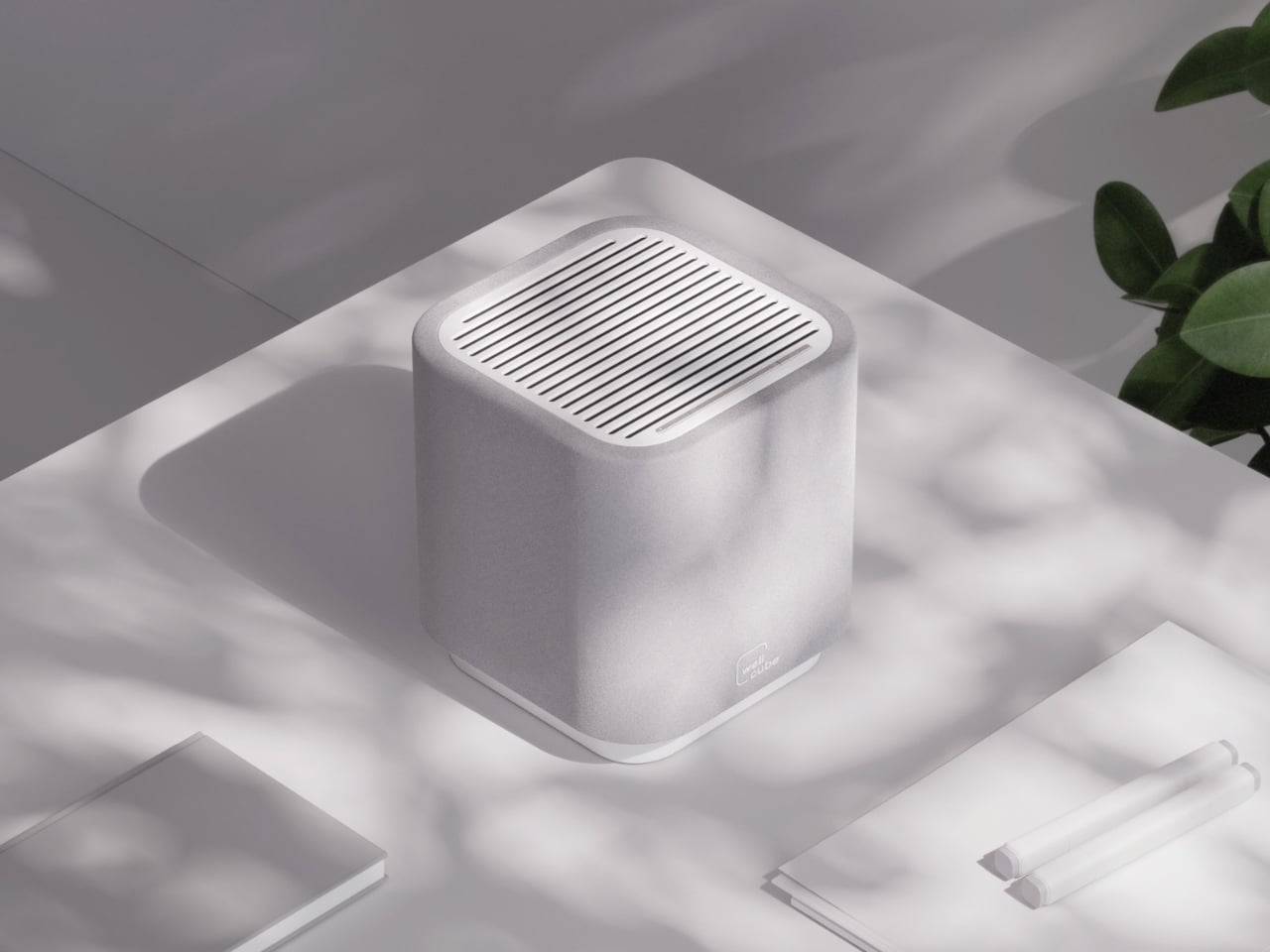
Burtran's mesh metal box may look plain and industrial, but it offers something extra in the world of air purifiers: negative oxygen ion technology. The company's claim is that its purifier's release of high-density (2,000-5,000 ions per cubic centimeter) negative oxygen ions delivers a "refreshing, forestlike atmosphere," which will boost energy, reduce stress, and improve sleep-all without ozone, radiation, or static. It also uses a HEPA 14, a denser filter than the more ubiquitous HEPA 13s that most air purifiers use.
Health
fromwww.theguardian.com
2 months agoHousehold burning of plastic waste in developing world is hidden health threat, study shows
The household burning of plastic for heating and cooking is widespread in developing countries, suggests a global study that raises concerns about its health and environmental impacts. The research, published in the journal Nature Communications, surveyed more than 1,000 respondents across 26 countries. One in three people reported being aware of households burning plastic, while 16% said they had burned plastic themselves.
Environment
fromwww.theguardian.com
1 month agoWood burners may treble children's exposure to pollution in homes, study finds
One thing that stood out was the home environment. This was the largest contributor to children's daily particle pollution exposure more than school or commuting. This was mainly due to indoor sources such as wood burning and indoor smoking. Short peaks in particle pollution were linked to home cooking and secondhand tobacco smoke. Home heating with a fire or stove was linked to longer exposures. In some cases, these persisted overnight in children's bedrooms as fires remained lit or smouldering with poor ventilation.
Public health
fromNature
2 months agoExposome studies can improve lung health
The conventional approach to evaluating the impact of air pollution is to focus on a single exposure during a fixed period of time. But evidence suggests that contaminants work together, magnifying the damage to people's lungs. Conventional studies fail to probe synergistic effects. They also ignore the cumulative effects of lifelong exposures to pollutants, known as the exposome. Researchers need to shift away from single-pollutant studies and towards those involving a broad range of exposures.
Public health
[ Load more ]