#indoor-air-quality
#indoor-air-quality
[ follow ]
#air-quality #air-pollution #public-health #pm25 #mental-health #home-design #public-health-policy #health




fromwww.theguardian.com
6 days agoHouseplant hacks: can a fan help plants repel pests?
Stagnant indoor air is one of the less discussed reasons houseplants struggle. Fungal spots, mould on the compost surface and pest infestations like mealybugs can all be traced back to a room with no airflow.
Renovation

fromArchitectural Digest
1 month agoHome Design for a Longer Life: Can a House Really Promote Longevity?
When you design your home with intentionality, you are essentially 'hard-coding' healthy behaviors into your daily rhythm. Health outcomes are the result of thousands of micro-decisions—so in his own home, he prioritized spaces like the kitchen, whose open layout makes cooking a pleasure, and the gym, centrally located.
Wellness
fromTODAY.com
2 weeks agoThese Are the 2 Most Dangerous Home Cleaning Products to Have Around Kids, New Research Shows
"What surprised me is we are still seeing so many visits to emergency departments associated with very common household cleaning products," Lara McKenzie, Ph.D., stated, emphasizing the ongoing issue despite safety advancements.
Public health
fromBusiness Matters
1 month agoIndoor air quality is becoming a business priority
MVHR (Mechanical Ventilation with Heat Recovery) systems are designed to continuously replace stale indoor air with fresh outdoor air while recovering heat that would otherwise be lost. In commercial and residential buildings, this technology provides several important advantages. First, it allows buildings to remain energy efficient without sacrificing airflow.
Real estate
Health
fromwww.theguardian.com
1 month agoReduced physical activity due to global heating will lead to rise in health issues, study says
Rising temperatures reduce physical activity globally, with each month above 27.8°C increasing inactivity by 1.5 percentage points, projecting half a million additional premature deaths annually by 2050.

fromwww.architecturaldigest.com
1 month agoNon-Toxic Paint 101: A Designer-Approved Guide
Even long after the tell-tale odor of new paint has vanished, traditional paint can off-gas for months, releasing volatile organic compounds (VOCs) that have been linked to organ and nervous system damage, cancer, and infertility.
Remodel
Environment
fromNature
1 month ago'Black rain' in Tehran - what are the health effects?
Missile strikes on Iranian oil facilities released toxic chemicals into the atmosphere, creating black acid rain containing harmful hydrocarbons, sulfur oxides, and nitrogen compounds that pose serious health risks.
fromLondon Business News | Londonlovesbusiness.com
1 month agoHow to maintain efficient heat recovery ventilation in modern commercial spaces - London Business News | Londonlovesbusiness.com
Checking your equipment once a month helps catch small issues before they turn into expensive repairs. A routine keeps everything running smoothly and extends the life of the hardware. Managers should create a simple checklist for their maintenance staff to follow.
Business
Mental health
fromTasting Table
1 month agoCould Your Kitchen Use Some Houseplants? They May Help Beat Cabin Fever, According To Research - Tasting Table
Houseplants alleviate seasonal affective disorder and cabin fever symptoms, with low-maintenance options like peace lilies, snake plants, and pothos thriving in kitchens with limited light and space.
fromwww.theguardian.com
2 months agoHouse burping: should we all adopt this German habit?
House burping is what America's content creators have christened the German practice of Luften, or airing out their homes by opening windows, presumably because it's a bit like burping a baby. TikTok is full of them enthusiastically describing it as a mom hack, or explaining it's supposed to keep sickness away. Does this Luften keep sickness away, then? It's supposed to shift stale air, ensure adequate ventilation and prevent mould buildup, all of which are good for people and places.
Germany news
fromwww.mercurynews.com
1 month agoLarry Magid: Smart dehumidifiers help control dust mites
Dust mites are microscopic spider-related creatures that feed on dead human skin cells and thrive in warm, humid settings, according to the American Lung Association. Dust mites thrive above 60 percent humidity, reproducing quickly and increasing allergen levels. Once humidity drops below 50 percent, reproduction slows. Below 45 percent, populations decline sharply, and sustained levels under 35 to 40 percent make survival difficult for them.
Silicon Valley
fromwww.theguardian.com
2 months agoThe sneeze secret: how much should you worry about this explosive reflex?
Alongside the obvious nasal hairs that a few people choose to trim, all of us have cilia, or microscopic hairs in our noses that can move and sense things of their own accord. And so if anything gets trapped by the cilia, that triggers a reaction to your nerve endings that says: Right, let's get rid of this.' And that triggers a sneeze.
Science



fromSilicon Canals
2 months agoWhy your house is dustier than your neighbor's and the airflow mistake causing it - Silicon Canals
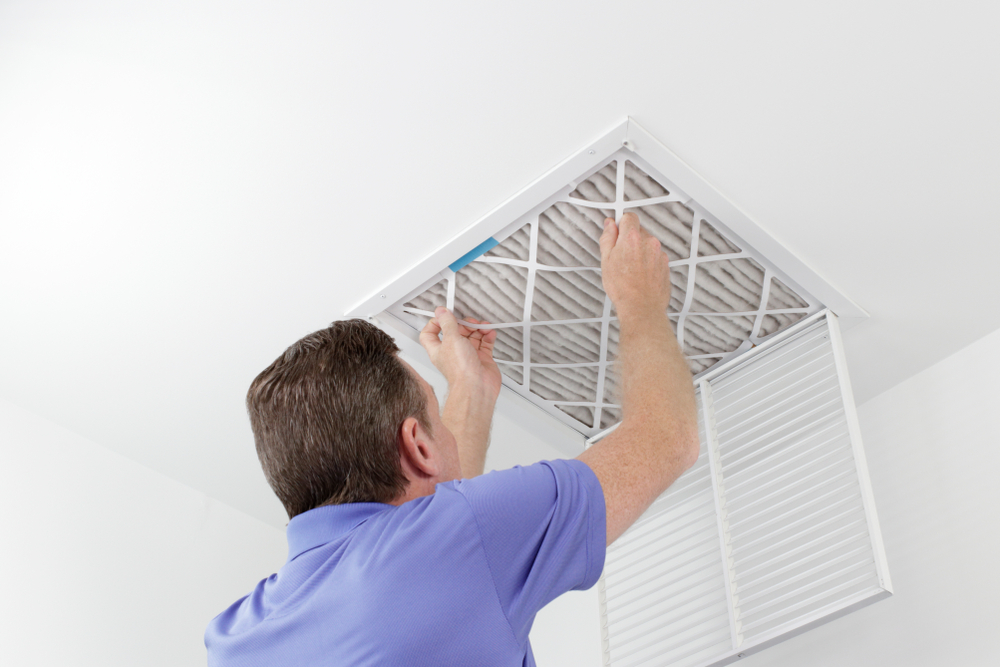
I was that person who only changed their HVAC filter when it looked like it had grown its own ecosystem. Richie Drew, Vice President of Operations at One Hour Heating & Air Conditioning, puts it bluntly: "Dirty filters can reduce airflow, increase dust in your home and strain your heating system." Think about it this way: your HVAC filter is like the bouncer at an exclusive club, except instead of keeping out people without the right shoes, it's blocking dust particles from circulating through your home.
Remodel
fromWIRED
2 months agoI Love My Dehumidifier and Will Never Go Back to the Damp
You should buy a dehumidifier. It will almost certainly improve your home environment. Pulling moisture from the air helps banish condensation and mold, making it cheaper and easier to regulate the temperature in your house or apartment. There's a reason the chatter about dehumidifiers has grown so loud and sales are soaring; it's because they work. Whether you've seen a persuasive Reddit thread, a life hack on TikTok, or an expert guide to the best dehumidifiers, the hype is real.
Environment
fromSocial Media Explorer
2 months agoHow Molecular Odor Elimination Works at the Source - Social Media Explorer
AqueLyst approaches this challenge through odor elimination science, focusing on neutralizing odor-causing compounds at their origin. Rather than masking unwanted smells, the brand applies a science‑forward method that addresses odors at the molecular level. This approach reflects a shift away from traditional deodorizing practices and harsh chemical treatments, offering a responsible alternative for environments that require consistent, source-based odor control supported by practical chemistry and surface-safe formulations.
Environment
fromBest Products
2 months agoOur Favorite Humidifiers to Turn Your Home Office Into the Best Remote Destination
The purpose of a humidifier is to increase and regulate the indoor air's moisture level. How this works is different depending on the season and temperature both inside and outside. Overall, though, a humidifier helps maintain a comfortable, healthy, and optimal humidity range of 30 to 50%. To create this environment, most humidifiers use water vapor or steam to help combat dryness caused by heating systems or harsh climates (which often happen indoors during winter).
Environment
fromNature
2 months agoMicroplastic levels in the air have been overestimated, but are still a big concern
Many human activities - from improper disposal of waste to the degradation of car tyres - release small plastic particles, which have infiltrated the atmosphere, oceans and other ecosystems. These include nanoplastics - particles measuring less than 1 micrometre across - and microplastics, which range from 1 micrometre to around 5 millimetres. They've entered our bodies and brains, and scientists are still working to understand their effects on people's health.
Environment
fromwww.theguardian.com
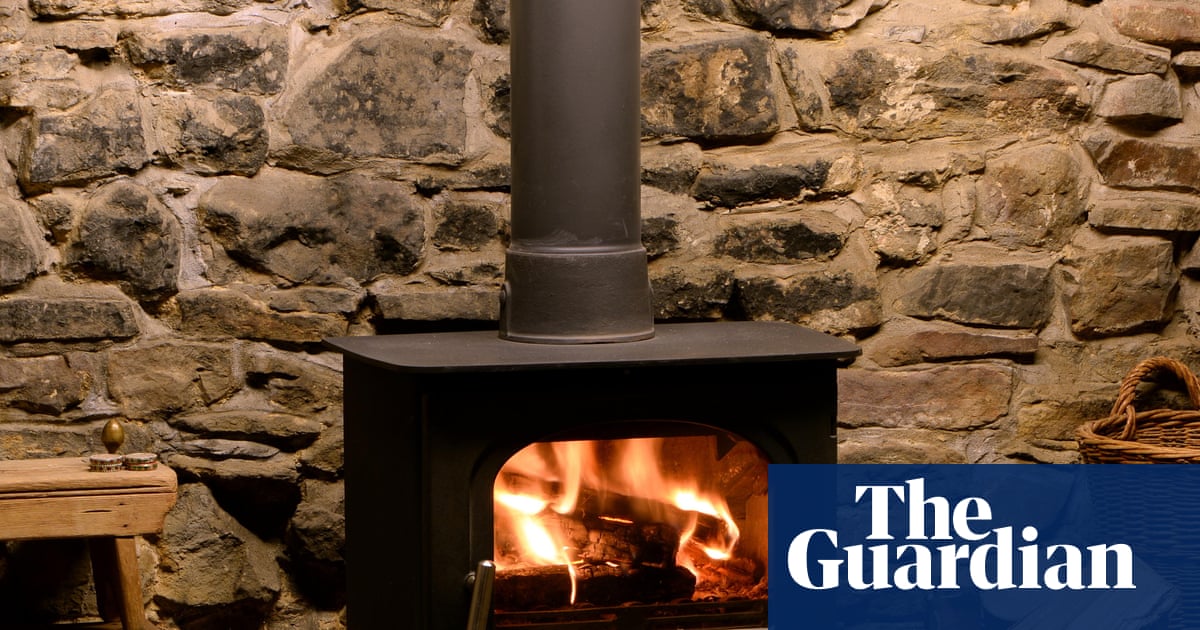
2 months agoWood burners may treble children's exposure to pollution in homes, study finds
One thing that stood out was the home environment. This was the largest contributor to children's daily particle pollution exposure more than school or commuting. This was mainly due to indoor sources such as wood burning and indoor smoking. Short peaks in particle pollution were linked to home cooking and secondhand tobacco smoke. Home heating with a fire or stove was linked to longer exposures. In some cases, these persisted overnight in children's bedrooms as fires remained lit or smouldering with poor ventilation.
Public health


Public health
fromwww.theguardian.com
1 month agoWood burning pollution leads to 8,600 premature US deaths a year, study finds
Residential wood burning causes an estimated 8,600 premature US deaths annually and contributes about 21% of wintertime particulate pollution despite only 10% of homes burning wood.
Public health
fromSilicon Canals
2 months agoThis popular kitchen countertop could cause life-threatening lung disease, experts warn - Silicon Canals
Engineered quartz countertops release extremely high silica dust during fabrication, causing widespread silicosis among workers and creating an urgent occupational health crisis.
fromNature
2 months agoExposome studies can improve lung health
The conventional approach to evaluating the impact of air pollution is to focus on a single exposure during a fixed period of time. But evidence suggests that contaminants work together, magnifying the damage to people's lungs. Conventional studies fail to probe synergistic effects. They also ignore the cumulative effects of lifelong exposures to pollutants, known as the exposome. Researchers need to shift away from single-pollutant studies and towards those involving a broad range of exposures.
Public health
[ Load more ]