#instacart
#instacart
[ follow ]
#ftc-settlement #deceptive-advertising #grocery-delivery #minimum-wage #dynamic-pricing #consumer-protection
fromwww.amny.com
1 month agoOp-Ed | Instacart's new junk fee is a choice and New Yorkers are paying for it | amNewYork
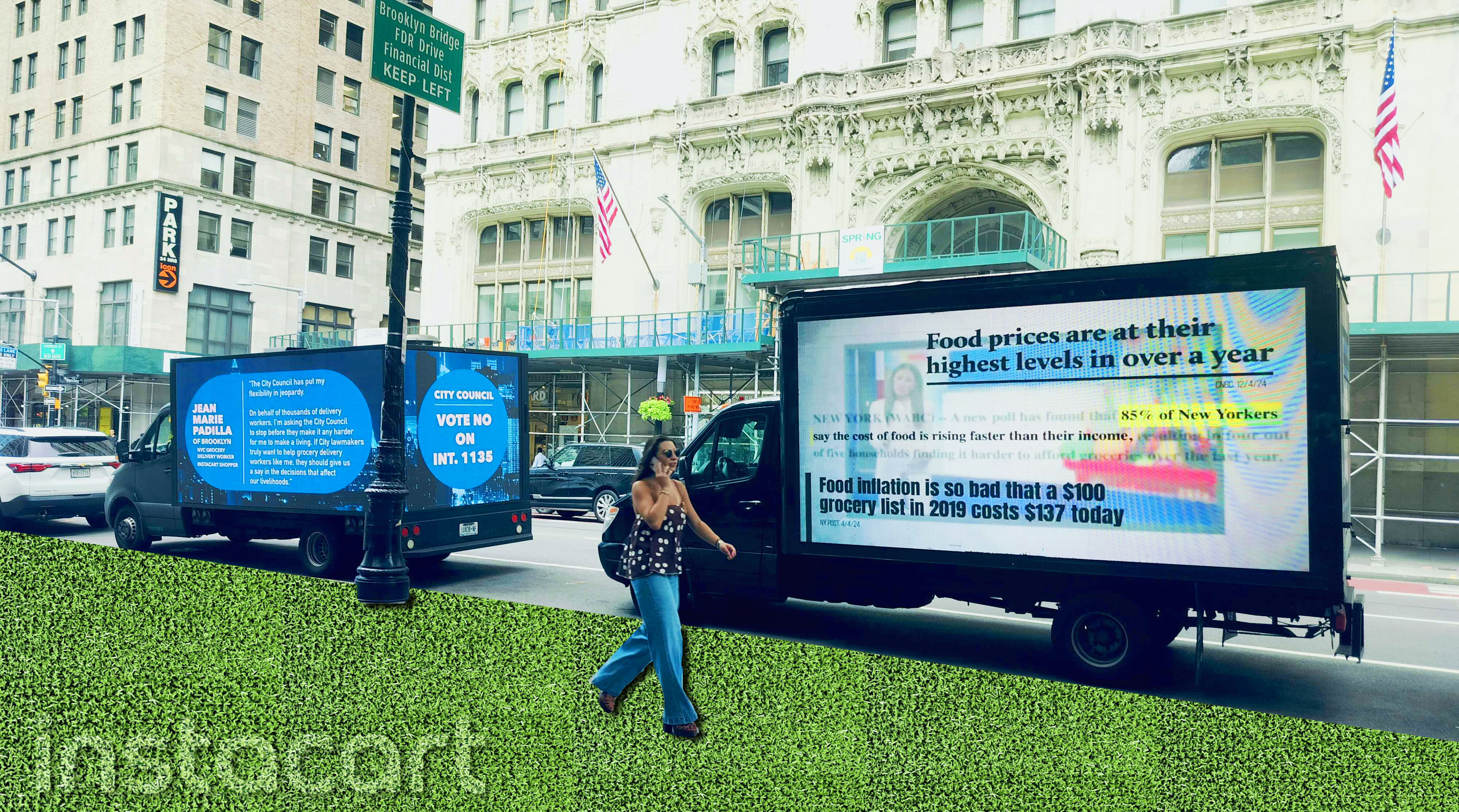
Last month, New York City's strengthened delivery worker protection laws finally took effect. After years of organizing and advocacy, delivery workers are now guaranteed a minimum pay rate of $21.44 an hour and the opportunity to earn tips before customers checkout. These are fair, common-sense updates designed to honor the dignity of grueling work and protect the tens of thousands of delivery drivers who make our city run.
New York City
Business
fromBusiness Insider
1 month agoHow much Instacart paid tech workers in 2025, with engineering roles making up to $380,000
Instacart is expanding beyond grocery delivery into advertising and retail tech while hiring tech employees, including H‑1B visa holders, and reviewing competitive compensation.
Business
fromExchangewire
3 months agoDigest: Oracle Co-Founder Backs Paramount's Hostile Bid for Warner Bros Discovery; Instacart Terminates AI Price Tests - ExchangeWire.com
Larry Ellison will personally back $40bn for Paramount's $108bn hostile bid for Warner Bros Discovery; Instacart ends AI-based price testing amid consumer uproar.





fromsfist.com
3 months agoSF-Based Instacart Now Under FTC Investigation Over Their AI Price-Adjusting Tool
Critics charged that the whole purpose of the AI-based dynamic pricing was to figure out the maximum amount you are willing to pay and squeeze it out of you. Right now, Instacart is quietly running experiments on millions of us while we shop for groceries online. They are trying to figure out exactly how much they can get away with charging you for breakfast cereal, lunch meat, pasta, and everything in between.
Business
fromAP News
3 months agoInstacart settles with FTC over deceptive practices but faces separate investigation into prices
The FTC said Thursday that Instacart has been falsely advertising free deliveries. The San Francisco-based company isn't clearly disclosing service fees, which add as much as 15% to an order and must be paid for customers to receive their groceries, the FTC said. Instacart has also failed to clearly disclose that customers who enroll in a free trial for its Instacart+ program will be charged membership fees at the end of the trial.
E-Commerce
fromEngadget
3 months agoThe FTC is reportedly investigating Instacart over its AI pricing tool
The Federal Trade Commission has sent Instacart a civil investigative demand, seeking information about its AI-powered pricing tool, according to . This comes after a recently published pricing experiment study showed that the online grocery delivery app gave different users different prices for the same items from the same store location at the exact same time. Some of the testers saw prices up to 23 percent higher than what the other testers saw, though the average difference for the same list of items was around 7 percent. Those higher prices could cost customers over $1,000 more in expenses for the year.
E-Commerce
fromTechCrunch
3 months agoInstacart's AI-driven pricing tool attracted attention -- now the FTC has questions | TechCrunch
The issue came to light after a study revealed that shoppers are seeing wildly different prices for identical groceries from the same stores - up to 23% higher prices in some cases. Instacart says these price tests were randomized, not ties to an algorithm that targets customers based on their browsing history. But when people are already anxious about affording eggs, that distinction probably doesn't mean much.
E-Commerce



Environment
fromStreetsblog
4 months agoCourt Docs Shed Light on Instacart's Car-Dominant Delivery Business - Streetsblog New York City
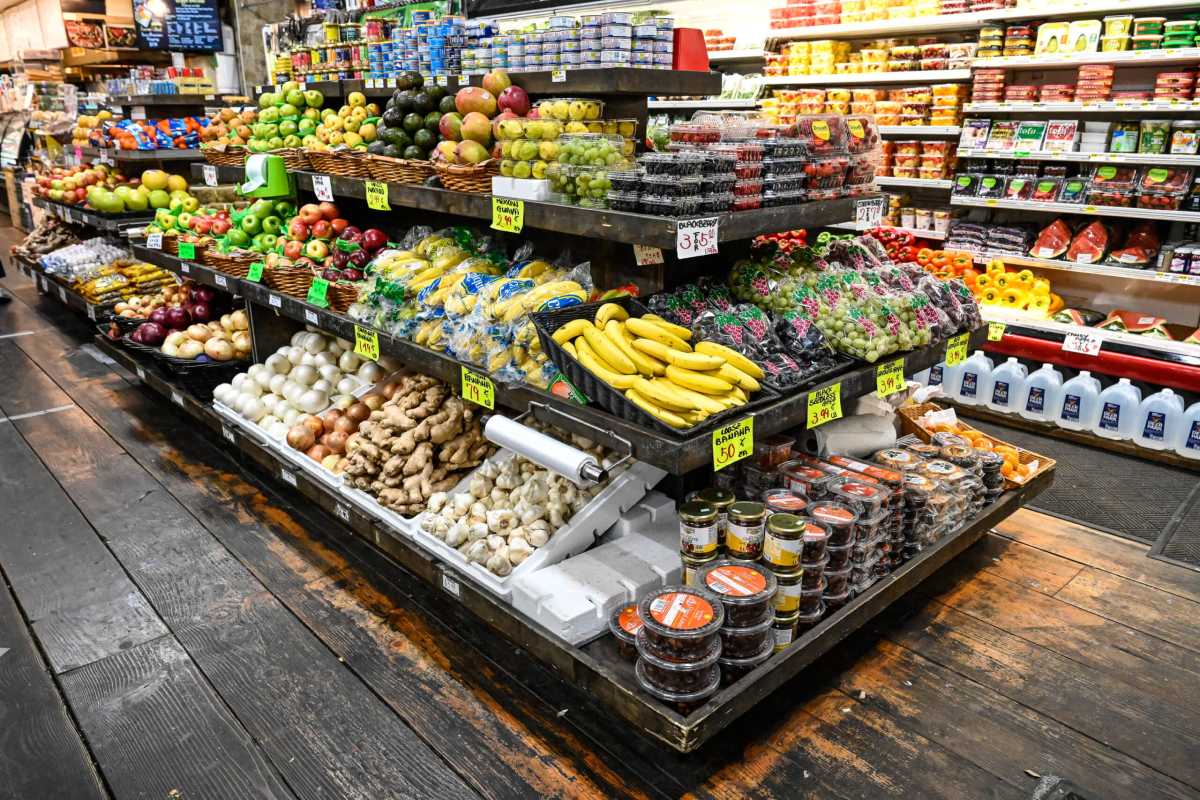
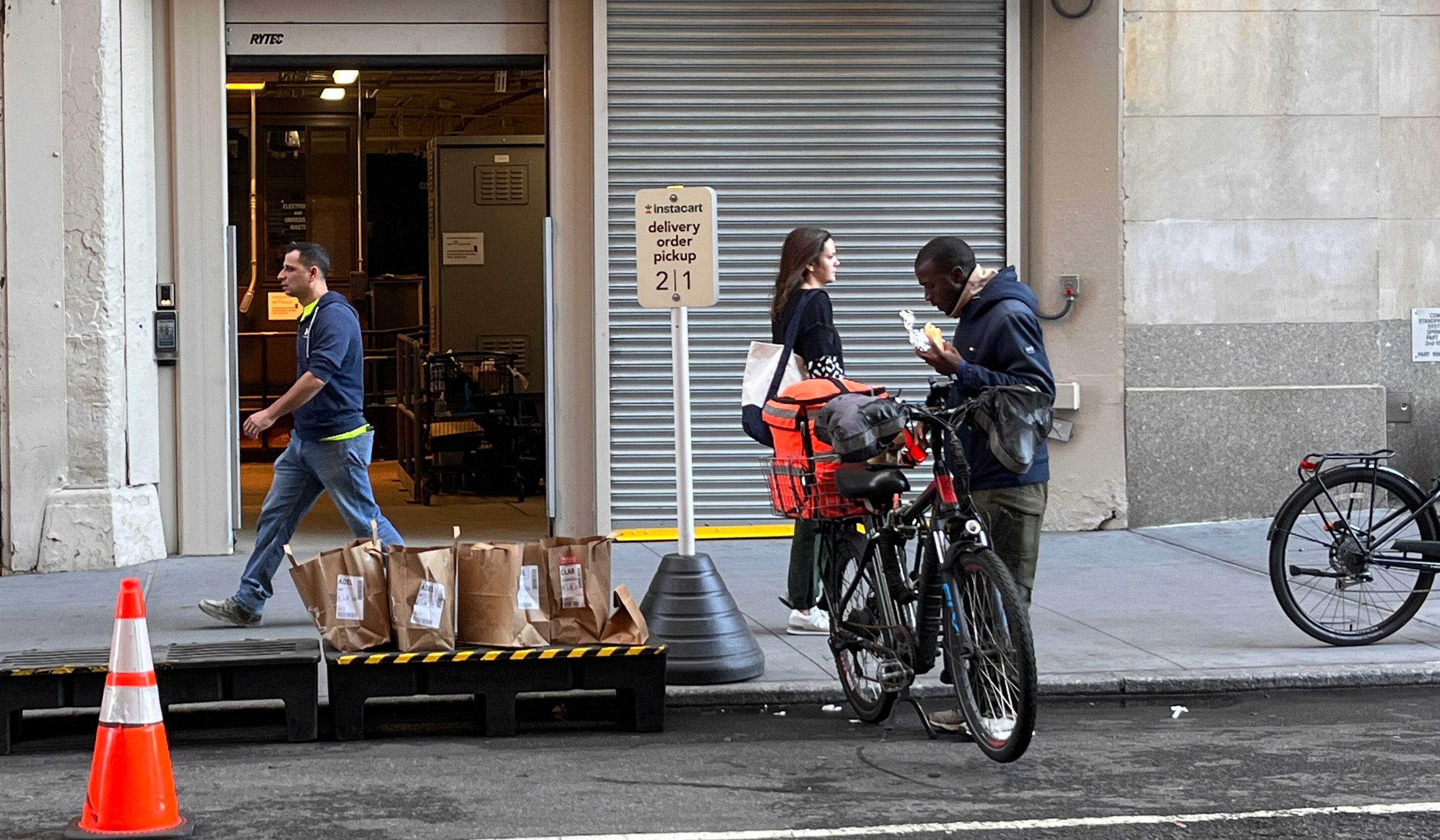
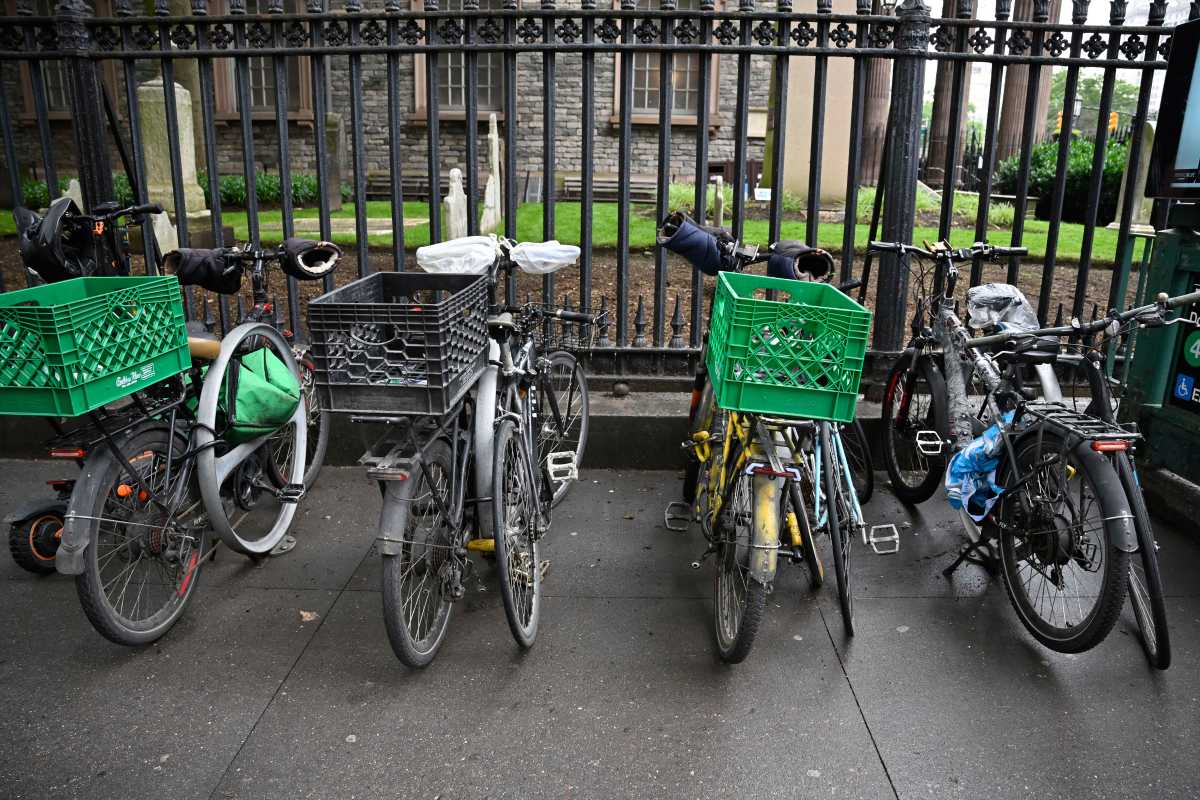
Instacart completes nearly all grocery deliveries by private cars, increasing vehicle miles traveled, traffic congestion, pollution, and potential road violence in cities.

E-Commerce
fromBusiness Insider
5 months agoInstacart is betting on AI shopping carts that suggest what you should buy as you shop
Instacart is deploying AI-powered Cart Assistant on Caper smart carts and retailer websites to help shoppers choose items, check ingredients, and optimize in-store shopping.
fromGrocery Dive
6 months agoInstacart grows its retail media bona fides with TikTok integration
Instacart is collaborating with TikTok on a program that will integrate the company's retail media network data into the platform's Ads Manager, the companies announced in a press release. Select CPG advertisers soon will be able to use Instacart data for targeting and measurement, and to enhance their shoppable ad formats. Instacart is integrating its purchase and grocery selection data directly into TikTok Ad Manager.
Marketing tech
fromMarketing Dive
6 months agoInstacart grows its retail media bona fides with TikTok integration
With the TikTok integration, Instacart aims to establish itself as the most advertiser-friendly media network, providing its data to help brands reach new and motivated audiences with minimal friction. While other retail media networks have worked with TikTok on specific campaigns, Instacart is " the first to work with Tiktok [on] what we're calling an end-to-end integration," Ali Miller, Instacart's general manager of advertising, told Adweek.
Marketing tech
fromBenzinga
6 months agoInstacart Teams Up With TikTok On Retail Media Data - Maplebear (NASDAQ:CART)
A new feature grants advertisers access its proprietary retail media data directly within the TikTok Ads Manager platform. The integration gives brands end-to-end tools to reach, engage, and convert shoppers on TikTok using Instacart's retail data. It also enables advertisers to target more effectively, streamline in-app purchases, and analyze campaign performance in real time. This partnership enables advertisers to target high-purchase intent users by leveraging Instacart's audience segmentation and grocery selection data.
E-Commerce

E-Commerce
fromMiami Herald
7 months agoHy-Vee continues to grow retail media partnership with Instacart
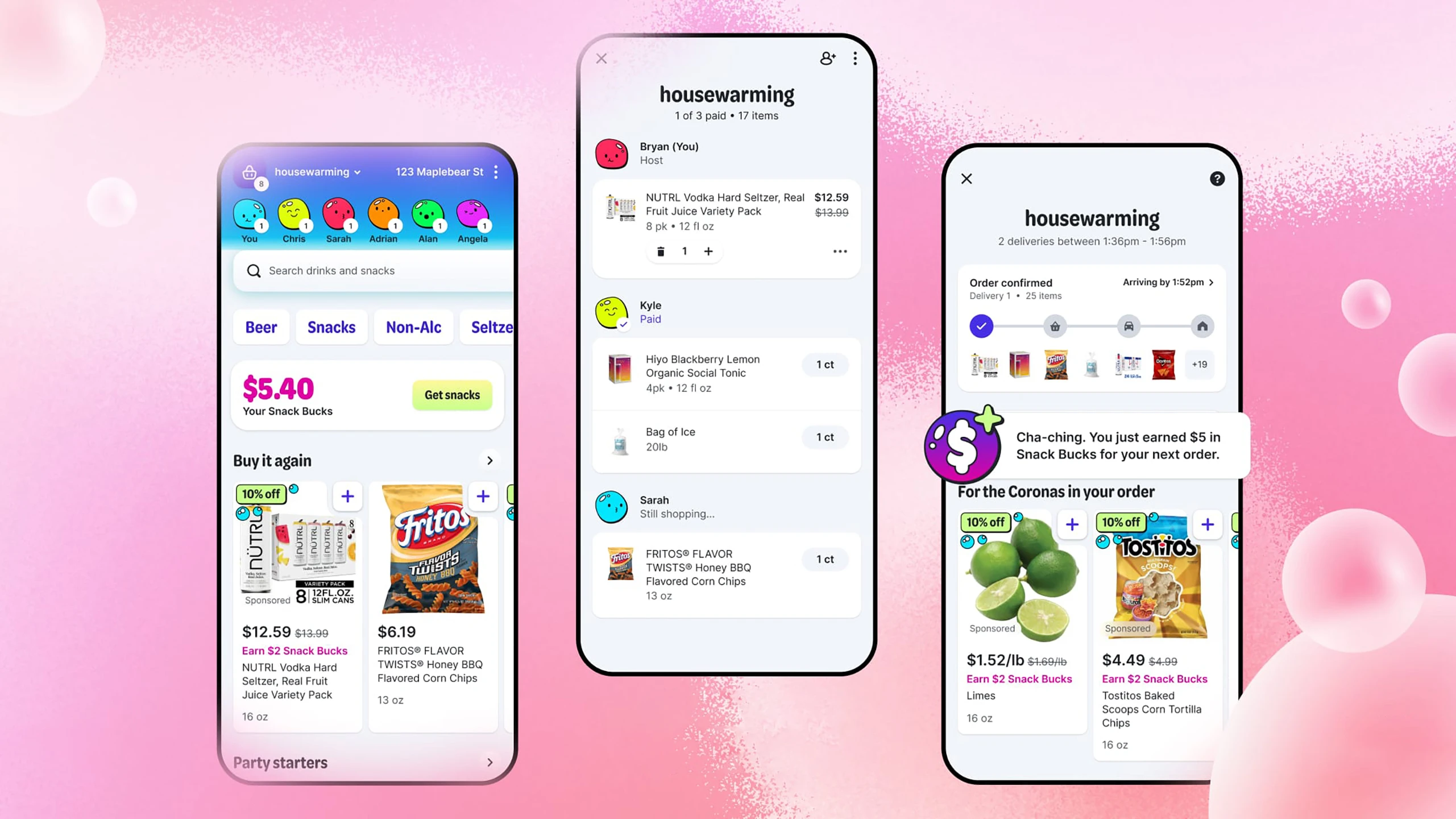
Hy-Vee enabled Instacart Carrot Sponsored Products on HyVee.com, expanding Hy-Vee RedMedia's advertising inventory, performance ad placements, display ads rollout, and self-service capabilities for CPG partners.
fromSocial Media Today
10 months agoPinterest Partners with Instacart to Help Maximize Ad Targeting for Retailers
In the initial phase of the partnership, select brands advertising on Pinterest will be able to advertise their products to Instacart first-party audience segments - built from real-world retail purchase behavior - to reach high-intent consumers with more precision.
Marketing tech



[ Load more ]