#international-trade
#international-trade
[ follow ]
#tariffs #trump-administration #us-tariffs #trade-policy #donald-trump #economic-policy #us-china-relations
#tariffs


Intellectual property law
fromTechCrunch
1 month agoNintendo sues the U.S. government for a refund on tariffs | TechCrunch
Nintendo sued the U.S. government for tariff refunds after the Supreme Court struck down Trump's tariffs imposed under the International Emergency Economic Powers Act, joining over a thousand companies seeking reimbursement from the $200 billion collected.



#trump-tariffs
US Elections
fromwww.theguardian.com
1 month agoDonald Trump holds press conference about US-Israeli attacks on Iran US politics live
Trump claims absolute right to impose tariffs under alternative legal authority after Supreme Court invalidated previous tariff justifications based on emergency powers.

UK news
fromBusiness Matters
1 month agoUK and Ireland strengthen economic partnership as 937m investment set to create 850 jobs
UK and Ireland announced £937 million in new Irish investment creating approximately 850 jobs across the UK in sectors including AI, renewable energy, and telecommunications.
World politics
fromwww.cbc.ca
1 month agoANALYSIS | War in the Middle East is disrupting supply of key resources and it'll only get worse each passing day | CBC News
The Strait of Hormuz blockade disrupts global supply chains across oil, metals, fertilizers, and natural gas, with cascading economic effects lasting months to resolve.
US politics
fromFortune
1 month agoTrump might get away with his new tariffs: The law he's relying on survived over 3,600 legal challenges, and even Biden used it | Fortune
Trump uses Section 301 of the Trade Act of 1974 to impose tariffs on China, EU, Mexico, and other countries for structural excess capacity after Supreme Court struck down his IEEPA-based tariffs.
#tariff-refunds

fromFortune
1 month agoMiscellaneous
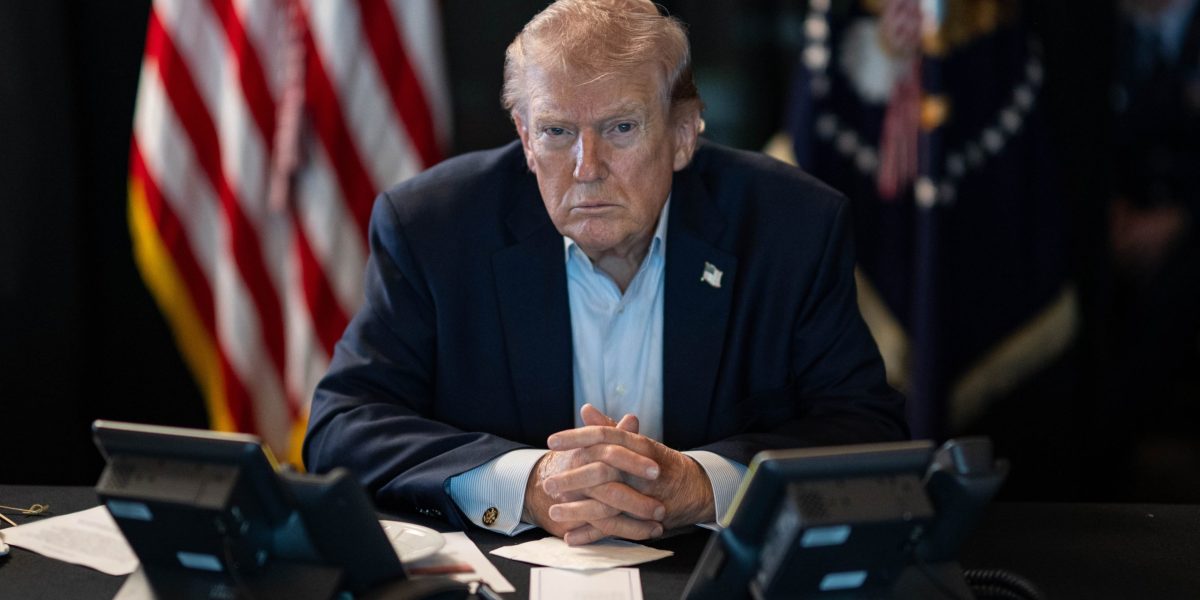
'Why shouldn't we get our money back too?' Normal people are starting to demand Trump tariff refunds | Fortune
Retail customers filed class-action lawsuits against FedEx and EssilorLuxottica to ensure consumers receive refunds from tariffs the Supreme Court ruled were imposed illegally, as companies seek reimbursement through courts.
Intellectual property law
fromFortune
1 month agoYes, judge tells Trump: you have to refund all the companies that you charged with illegal tariffs | Fortune
A federal judge ruled that companies must receive refunds for tariffs the Supreme Court struck down as unconstitutional, potentially costing the government up to $175 billion.
US Elections
fromwww.eastbaytimes.com
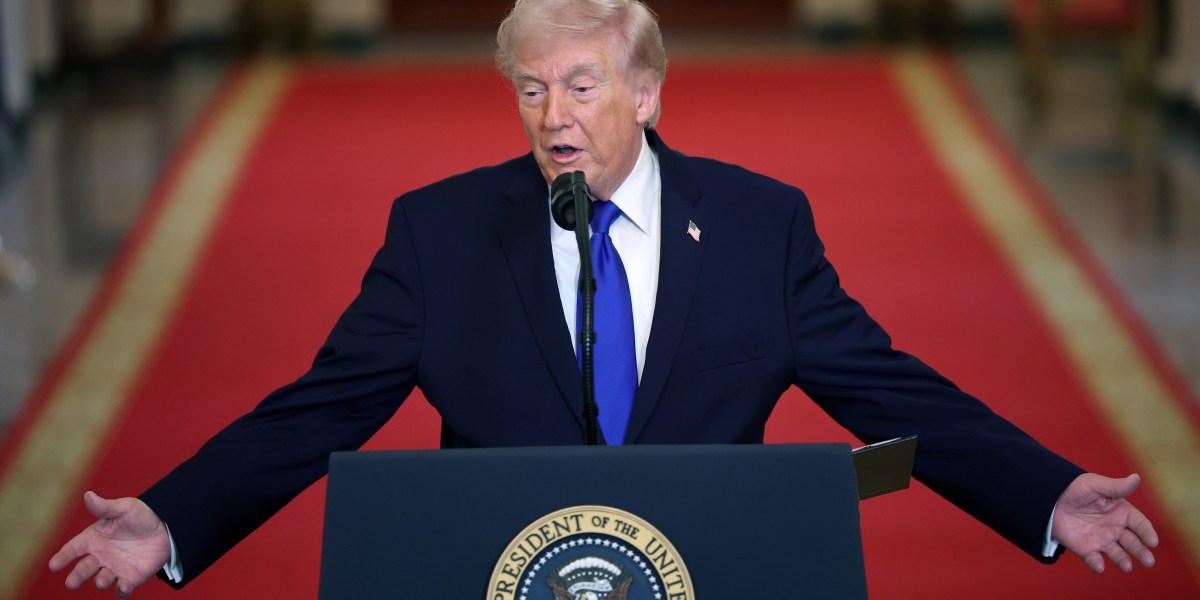
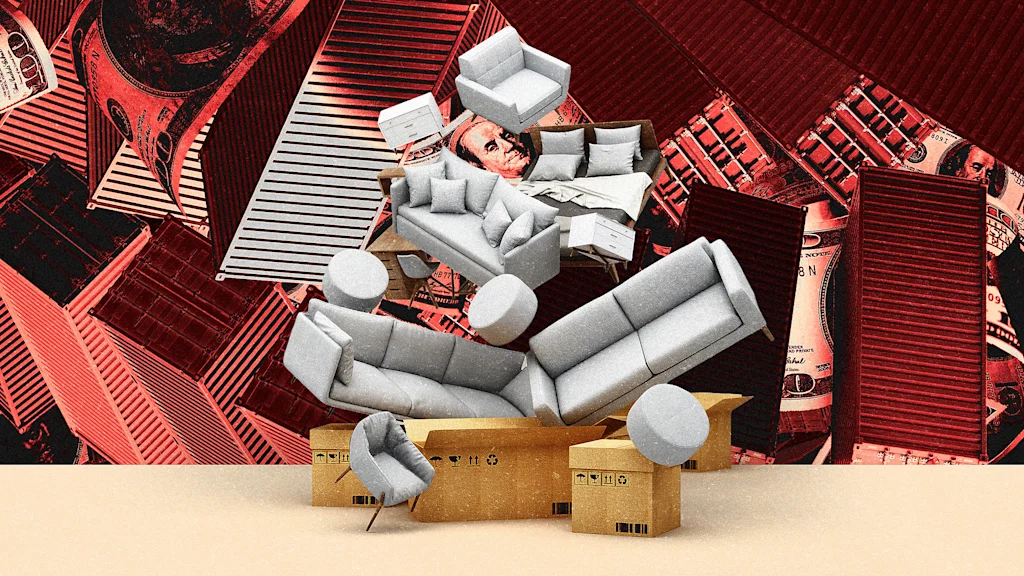
1 month agoJudge rules companies are entitled to refunds for Trump tariffs overturned by the Supreme Court
A federal judge ruled that companies paying tariffs struck down by the Supreme Court are entitled to refunds, potentially costing the government up to $175 billion.


US politics
fromFortune
1 month agoThe Supreme Court's bombshell tariff ruling failed to answer a $200 billion question over refunds: Now what? | Fortune
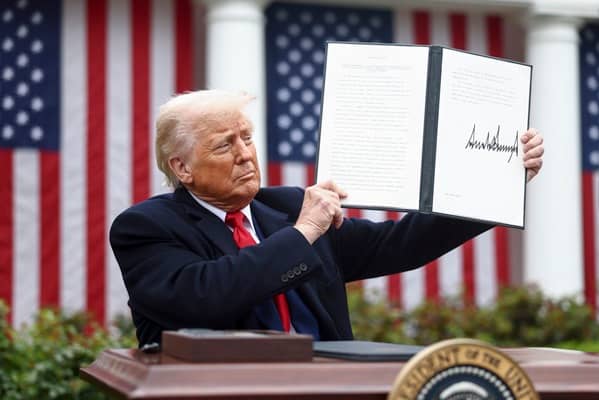
Supreme Court ruled President Trump lacked authority to impose emergency tariffs, declaring them an illegal tax and leaving refund questions unresolved.
Wine
fromFood & Beverage Magazine
7 months agoCantina Valpolicella Negrar Appoints Francesca Marastoni as Sales Manager - Food & Beverage Magazine
Francesca Marastoni appointed Sales Manager at Cantina Valpolicella Negrar, promoted internally to leverage her decade of international wine trade experience.
fromwww.dw.com
7 months agoAppeals court deems US tariffs illegal, leaves them in place DW 08/30/2025
"The statute bestows significant authority on the President to undertake a number of actions in response to a declared national emergency, but none of these actions explicitly include the power to impose tariffs, duties, or the like, or the power to tax," the US Court of Appeals for the Federal Circuit said. The court, however, also said the tariffs could remain in place until October 14, to allow the government to appeal the ruling to the Supreme Court.
US politics
fromwww.dw.com
8 months agoWhat are secondary sanctions and do they work? DW 08/14/2025
Secondary sanctions go a step further and extend to third-party countries, companies or individuals that do business with sanctioned parties. Even though these third-party entities aren't directly bound by the sanctioning country's laws, they are pressured to comply or face consequences should they do business in the sanctioning country.
US politics
Miscellaneous
fromLondon Business News | Londonlovesbusiness.com
8 months agoTrump's shock new tariff move could add $80 to UK products sold in the USA - London Business News | Londonlovesbusiness.com
America's de minimis import limit of $800 will be scrapped sooner than expected, impacting UK low-value goods exporters.


fromLondon Business News | Londonlovesbusiness.com
8 months agoSuspension of 'de minimis' duty-free imports into the US set to penalise UK exporters - London Business News | Londonlovesbusiness.com
The order states that the de minimis exemption will no longer apply 'regardless of value, country of origin, mode of transportation or method of entry' meaning all shipments will be subject to 'all applicable duties, taxes, fees, exactions and charges'.
E-Commerce



US politics
fromIrish Independent
9 months agoThe Irish Independent's View: This Fourth of July, let's celebrate our rich historical links with America instead of our differences
Political realignment in the U.S. under Trump prioritizes 'America First' over traditional alliances, causing significant economic disruptions.


London startup
fromLondon Business News | Londonlovesbusiness.com
10 months agoMulti-million-pound investment secured as Greater Manchester leaders embark on Japan trade mission - London Business News | Londonlovesbusiness.com
Greater Manchester receives a £17 million investment from Mizkan during a trade mission to Japan, promoting trade, culture, and innovation.
[ Load more ]