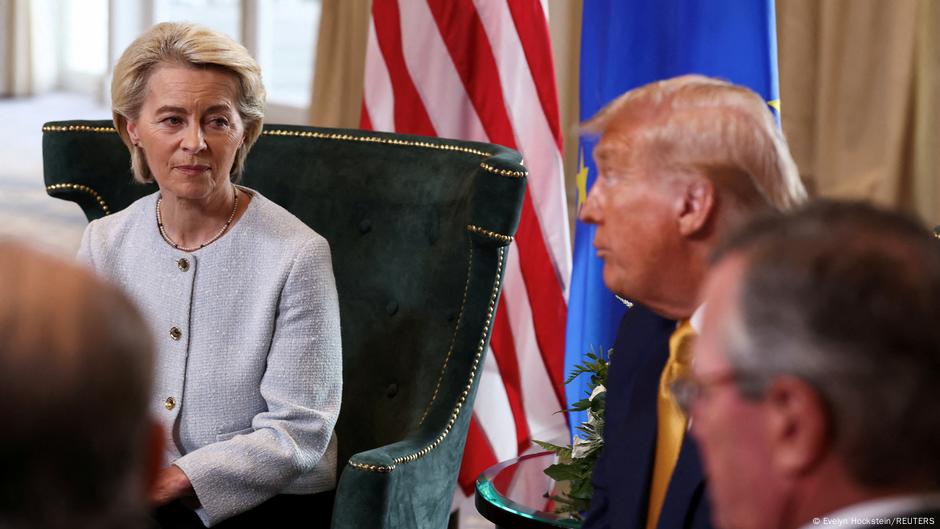
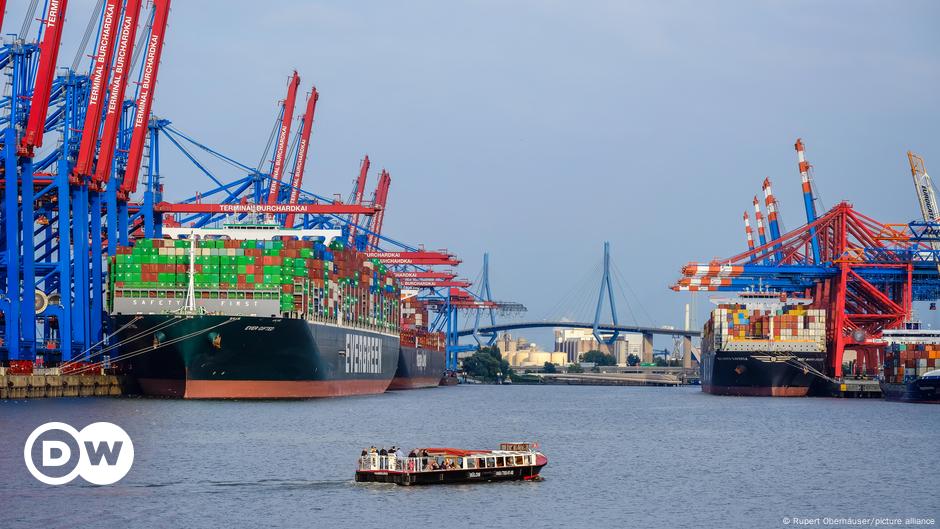
The deal, which comes as Brussels seeks new markets to offset US tariffs and reduce reliance on China for critical minerals, will open free trade with four South American countries. European Union ambassadors have given a provisional nod to the bloc's largest-ever agreement in terms of erased tariffs, opening the way to free trade with the Mercosur group of South American countries.
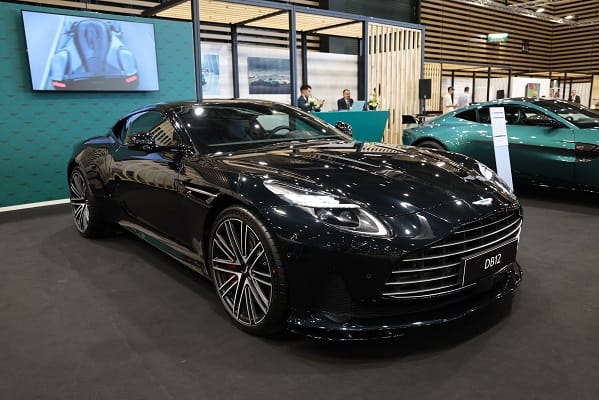
A report on the company's wholesale and retail sales reveals both decreased in the third quarter of fiscal year 2026 (FY26). Wholesales were down 43.3% compared to Q3 FY25 (at approximately 59,200 units), while retail sales were down 25.1% (at approximately 79,600 units). Although the report states this decrease was partially influenced by a "planned wind down of legacy Jaguar models ahead of the launch of new Jaguar," it also notes that production disruption caused by the previous year's cyberattack impacted these numbers.
Every morning at 7am, women gather outside clothing factories in Maseru, the capital of the southern African mountain kingdom of Lesotho, hoping to be offered work. However, since Donald Trump imposed swingeing global tariffs in April 2025, those opportunities have been fewer and farther between. Moleboheng Matsepe lost her full-time job sewing sports leggings for the California brand Fabletics in 2023. She was initially able to pick up three-month contracts, but has not had any work since September.
Copper had its best year since 2009, fueled by near-term supply tightness and bets that demand for the metal key in electrification will outpace production. The red metal has notched a series of all-time highs in an end-of-year surge, rallying 42% on the London Metal Exchange this year. That makes it the best performer of the six industrial metals on the bourse. Prices dipped 1.1% Wednesday, the last trading day of 2025.
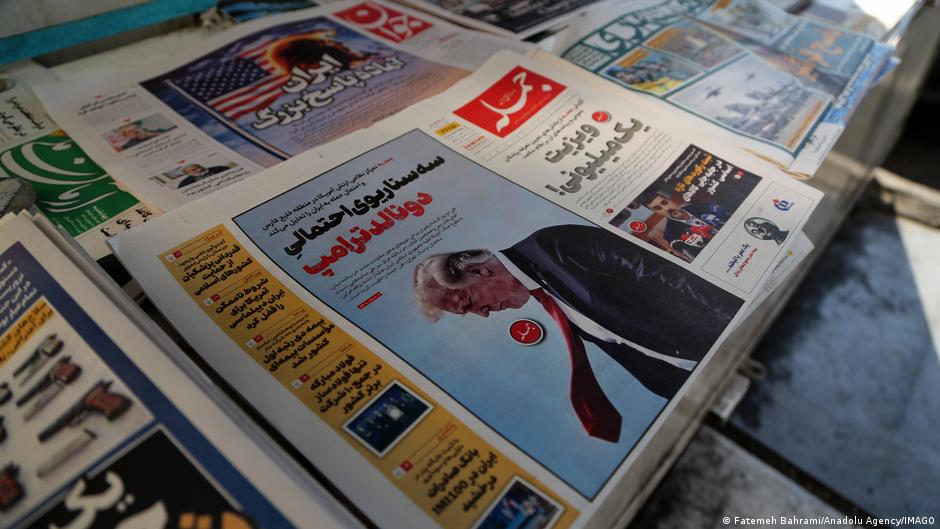
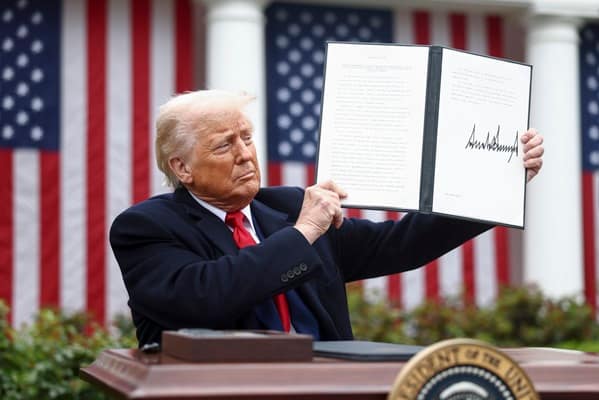
Since returning to the White House in January, President Donald Trump has overturned decades of U.S. trade policy - building a wall of tariffs around what used to be a wide open economy. His double-digit taxes on imports from almost every country have disrupted global commerce and strained the budgets of consumers and businesses worldwide. They have also raised tens of billions of dollars for the U.S. Treasury.
The Scottish whisky market has slipped into a supply glut as US tariffs and falling demand weigh on the country's distilleries. Global scotch sales fell 3% in the first half of 2025, marking the third consecutive year of decline after decades of growth, according to the alcohol data provider IWSR. The slowdown comes as distilleries grapple with uncertainty around Donald Trump's trade tariffs, as well as declining rates of alcohol consumption.
The global fashion industry is bracing for 2026, navigating a market defined by geopolitical instability, macroeconomic uncertainty, and, above all, unprecedented U.S. tariffs. As leaders pivot from focusing on "uncertainty" to acknowledging the environment is simply "challenging," tariffs have emerged as the number one hurdle facing executives. The severity of the trade landscape cannot be overstated, executives told McKinsey and the Business of Fashion for the 2026 edition of the "State of Fashion" report.
Just about every major exporting economy was hit by U.S. President Donald Trump's "Liberation Day" tariffs in April. Malaysia was no exception, getting a 24% "reciprocal tariff" on its exports to the U.S. which, while perhaps not as catastrophic a level as some of its neighbors, still posed a significant threat to the Southeast Asian economy. Yet, Malaysia's government took a more measured response to new U.S. protectionism.
Finance Minister Peter Bethlenfalvy says the fiscal update will be a plan to make the province's economy competitive and protect jobs. The economic statement serves as a mini budget and often contains funding and updates on economic growth. In another recent financial update, the 2025-26 first quarter finances, the government projected a $14.6-billion deficit this year. A report last month by Ontario's financial accountability officer
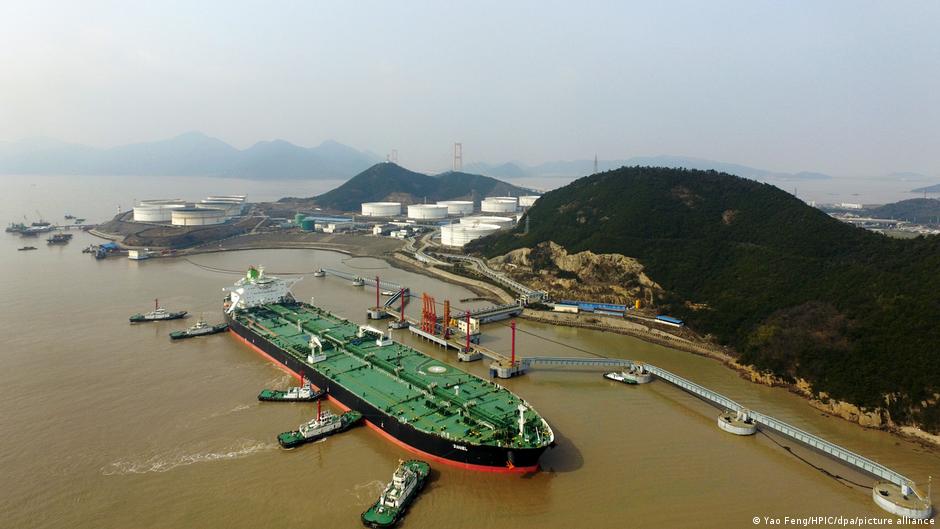
Russia is India's top oil supplier. Moscow exported 1.62 million barrels per day to India in September, roughly one-third of the country's oil imports. For months, Modi resisted US pressure, with Indian officials defending the purchases as vital to national energy security. A move by India to stop imports would signal a major shift by one of Moscow's top energy customers and could reshape the calculus for other nations still importing Russian crude.
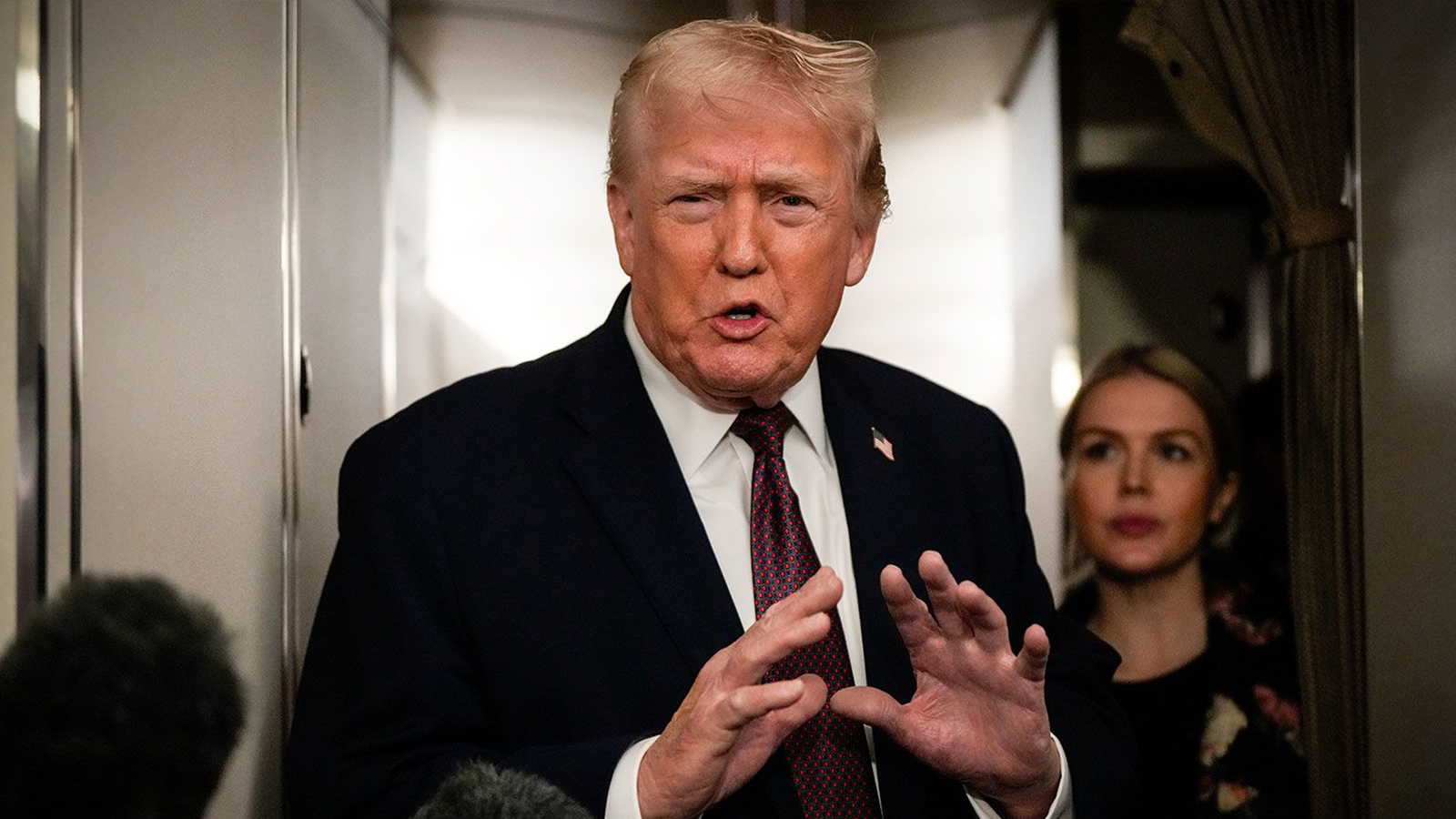
"So I was not happy that India was buying oil, and he (Modi) assured me today that they will not be buying oil from Russia. That's a big step. Now we're going to get China to do the same thing," Trump told reporters on October 15 at the White House. India has continued to buy Russian oil, helping to fund Moscow's war effort in Ukraine, all while Western nations ramp up sanctions against such purchases.
The EU steel industry, already reeling from Donald Trump's 50% tariffs on imports, is bracing itself for further damage after the US opened the possibility of a rolling list of derivative products that could be subject to tariffs including windows and doors with some metal. In August the US listed 407 product categories as derivative inclusions, ranging from wind turbines, mobile cranes and bulldozers to rail cars and furniture.
America's love affair with shrimp is a cultural touchstone, enough that The Daily Show could air multiple segments out of Red Lobster's $11 million loss after it offered a $20 endless shrimp buffet in 2023 that proved to be too popular. In fact, Americans consume more shrimp than any other seafood, about 5.5 pounds per person, per year, and about 40% of it comes from India. Indian shrimp exports to the U.S. totaled more than $2.5 billion in the 2023-24 fiscal year, according to the Indian Ministry of Commerce.
Customers at a supermarket on Avenida Rua Bolivar in Rio de Janeiro, Brazil, are positively surprised at the price changes they've been experiencing over the past few weeks, as they are now paying significantly less for coffee and meat, for example. "Finally, some good news in these difficult times," says shopper Julienne Freitas, while speaking with DW. Her experience is not anecdotal, but rather echoed by a recent survey from Brazil's Inter-Union Department of Statistics and Socio-Economic Studies (DIEESE)
Ontario's economy is going to continue to slow this year as U.S. tariffs reduce demands for exports and businesses cut back on investments and hiring, a new report estimates. The province's real GDP growth is projected to slow to 0.9 per cent this year and 1.0 per cent next year due to the impact of U.S. tariffs, says the report from the Financial Accountability Office of Ontario (FAO), released Wednesday.
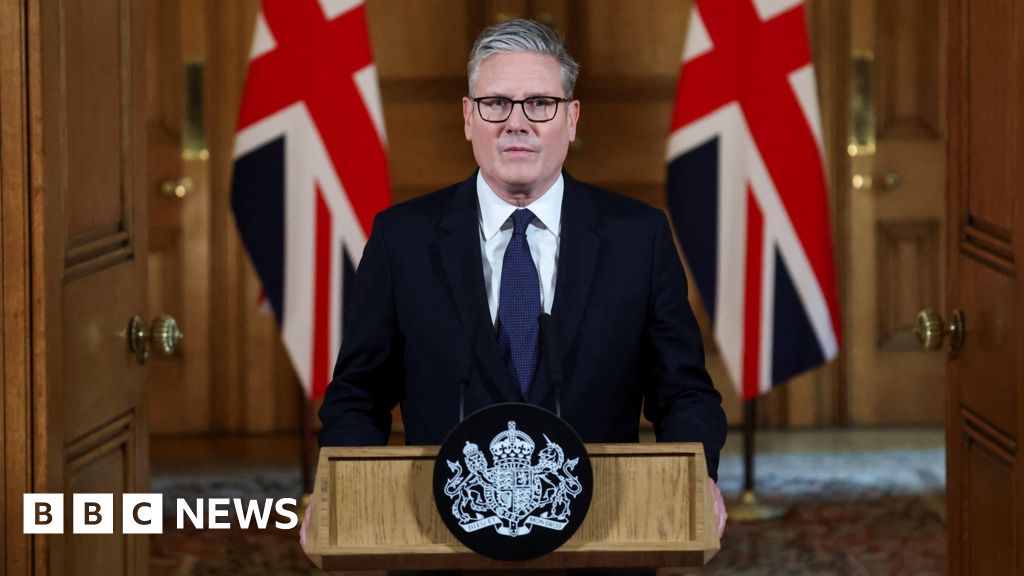
A government spokesperson said: "We are still the only country to benefit from a 25% tariff on steel exports to the US, reinforcing our position as a trusted source of high-quality steel." Other countries face tariffs of 50% and so senior government sources insist that the UK is in a competitive position relative to others, and added they believed there, although senior government sources insist there "remains a path to zero".
Given the political turmoil in France and the uncertainty caused by US president Donald Trump's tariffs, why did the European Central Bank (ECB) decide not to cut interest rates again?
The European Central Bank left interest rates unchanged Thursday with inflation back under control and the economy weathering Trump's tariff onslaught better than expected. The bank's rate-setting council left its benchmark deposit rate unchanged at 2% at a meeting at its skyscraper headquarters in Frankfurt. The focus in Europe has shifted to the fiscal crisis in France and any possible role for the ECB in containing potential market turmoil that could erupt from the country's out-of-control deficit and political logjam.