#interspecies-comparison
#interspecies-comparison
[ follow ]
#animal-behavior #evolutionary-biology #chimpanzees #primates #evolution #same-sex-behaviour #pretend-play
fromNature
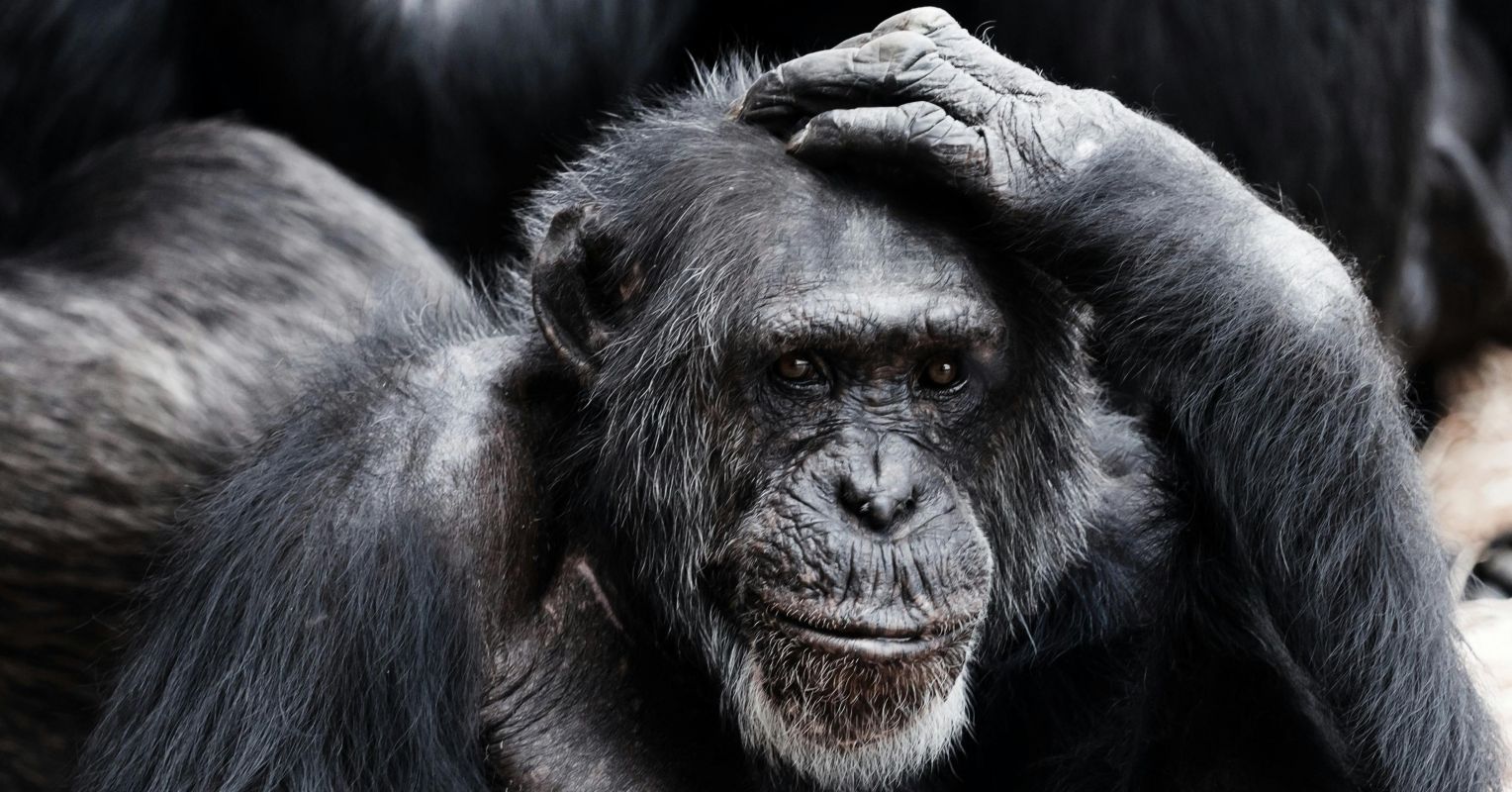
1 week agoDopaminergic mechanisms of dynamical social specialization - Nature
Social foraging strategies illustrate the balance between competition and cooperation, where individuals either produce resources or exploit the efforts of others, navigating ecological and social constraints.
Psychology

Psychology
fromwww.scientificamerican.com
3 weeks agoThese fish can tell when you're staring
Fish can perceive when they or their offspring are being watched and respond with increased aggression, demonstrating attention attribution abilities previously documented mainly in primates, birds, and domestic animals.
fromPinkNews | Latest lesbian, gay, bi and trans news | LGBTQ+ news
2 weeks agoScientists discover rare intersex crab with male and female features
The bodies of the crabs displayed male reproductive structures, while other parts showcased female features, including gonopores, said K.S. Anoop Das.
OMG science
fromFlowingData
1 month agoBird search patterns
A comprehensive analysis of Google search patterns related to birds explores what species people seek information about most frequently. The investigation spans six interconnected analyses examining bird variety, taxonomic classifications, information sharing behaviors, birder sighting correlations with search trends, regional popularity differences across states, and temporal patterns in search interest.
Data science
Psychology
fromPsychology Today
4 weeks agoThe Evolution of Brain and Intelligence
Human brains are large and complex but not uniquely so compared to other species; human intelligence is adapted to specific ecological niches, with symbolic reasoning being a key cognitive distinction from other animals.
fromArs Technica
1 month agoWhy are vertebrate eyes so different from those of other animals?
We think that in this early deuterostome, the median eye contained both ciliary and rhabdomeric cells. As a result, both cellular lineages were incorporated into a single, ancient, cyclopean eye, which later evolved into the vertebrate eyes.
Science
fromDefector
1 month agoWhich Chimp Should Wield The Crystal? | Defector
After washing and displaying them, I invited my colleagues to observe them. One colleague seemed very angry after examining them, picked up a piece straight away, hit it hard on the other stone fragments, and exclaimed, 'These kinds of broken stones can be seen everywhere on the road!' But later that fall, the French archaeologist Henri Breuil examined the crystals and agreed with Wenzhong: The crystals were not just stones, but artifacts collected by the early humans who lived in the cave.
OMG science
Science
fromArs Technica
1 month agoNeanderthals seemed to have a thing for modern human women
Neanderthal X chromosomes are largely absent from modern humans while modern human X chromosomes are overrepresented in Neanderthal genomes, suggesting selective mating preferences favoring Neanderthal males with modern human females.
fromArs Technica
1 month agoThe strange animals that control their body heat
Because we're homeotherms, we assume all mammals work the way we do. But in recent years, as improvements in technology allowed researchers to more easily track small animals and their metabolisms in the wild, we're starting to find a lot more weirdness.
OMG science
fromMail Online
1 month agoWhy women's breasts are so large compared to other animals, revealed
Human breasts sit at an elevated temperature, protecting a newborn from hypothermia. What's more, the size and shape of the breast allows for broad contact surface - enhancing the heat transfer from mother to child. This could improve a newborn's chances of survival and provide an evolutionarily grounded explanation for the development of external breasts in humans.
Science


fromPsychology Today
1 month agoTool Use By Animals: Why the Hype and Why It's So Important
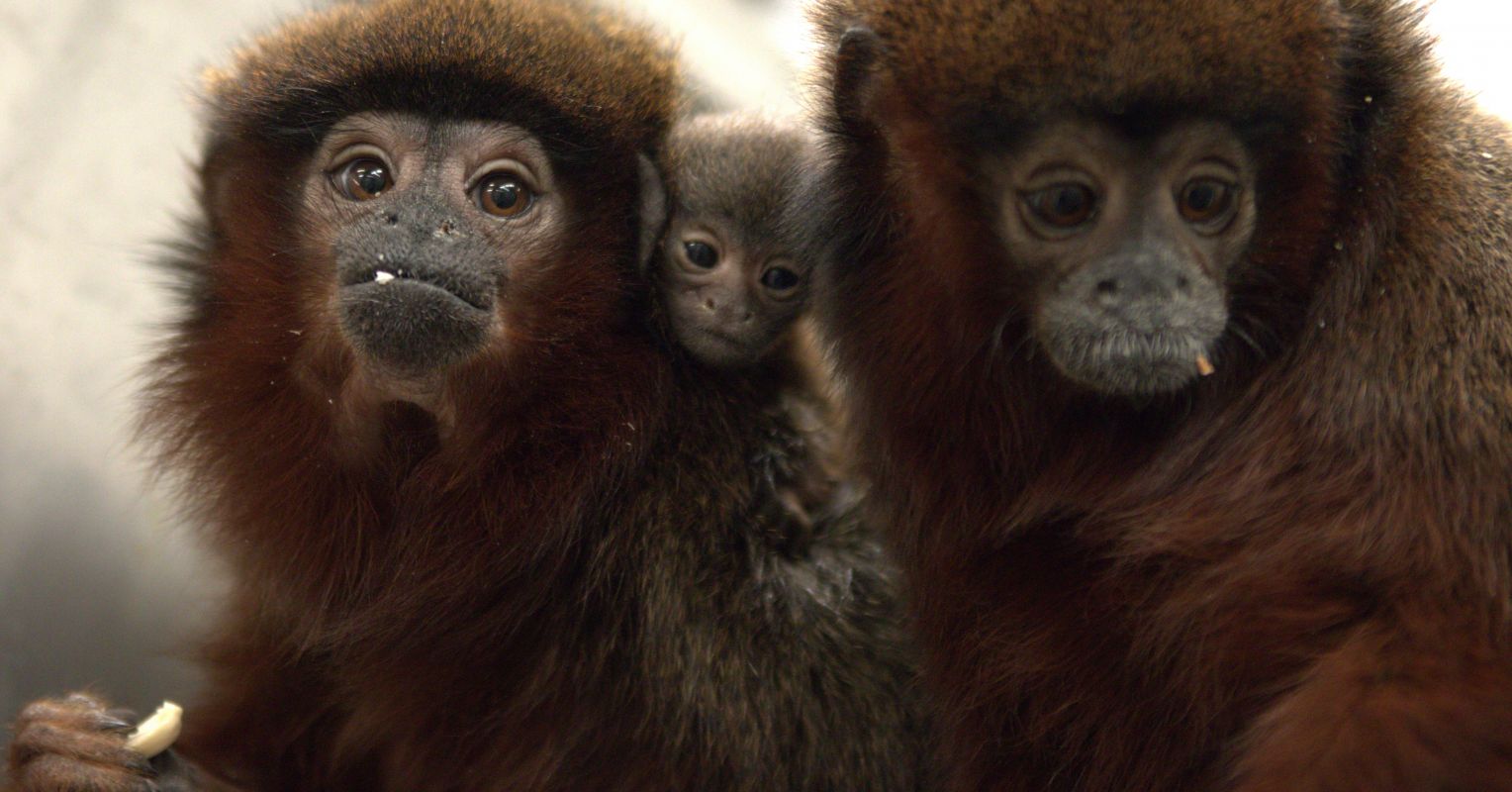
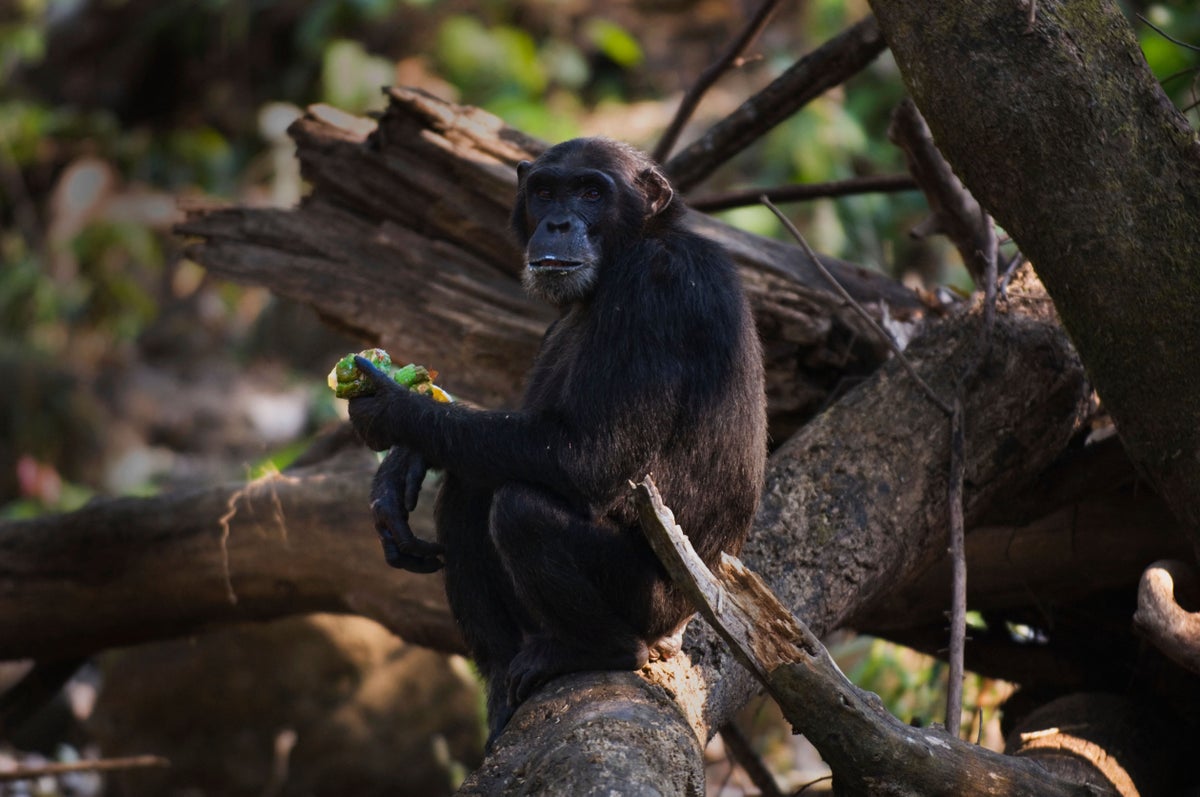
Recently, two unexpected examples by a wild wolf and a domesticated cow named Veronika attracted global attention and once again opened the door for experts and others to weigh in on the question, "Are these really examples of tooling?" Many people are eager to know more about the nitty-gritty details of tooling, so I am thrilled that Dr. Benjamin Beck, an expert in this area, could answer a few questions about this fascinating behavior.
Science
fromLGBTQ Nation
2 months agoStudy finds widespread same-sex behavior among primates & could help explain why nature is so gay - LGBTQ Nation
The study's authors researched 96 peer-reviewed studies documenting SSB to compile one of the most comprehensive datasets for primates to date. The study found that SSB are a "persistent and integral component of primate social [practices]." In fact, the prevalence of SSB across a variety of closely related primate species - and over several lines of descendants - "indicates a deep evolutionary root or multiple independent evolutionary origins," the study's authors wrote.
Science
fromNature
1 month agoThe age of animal experiments is waning. Where will science go next?
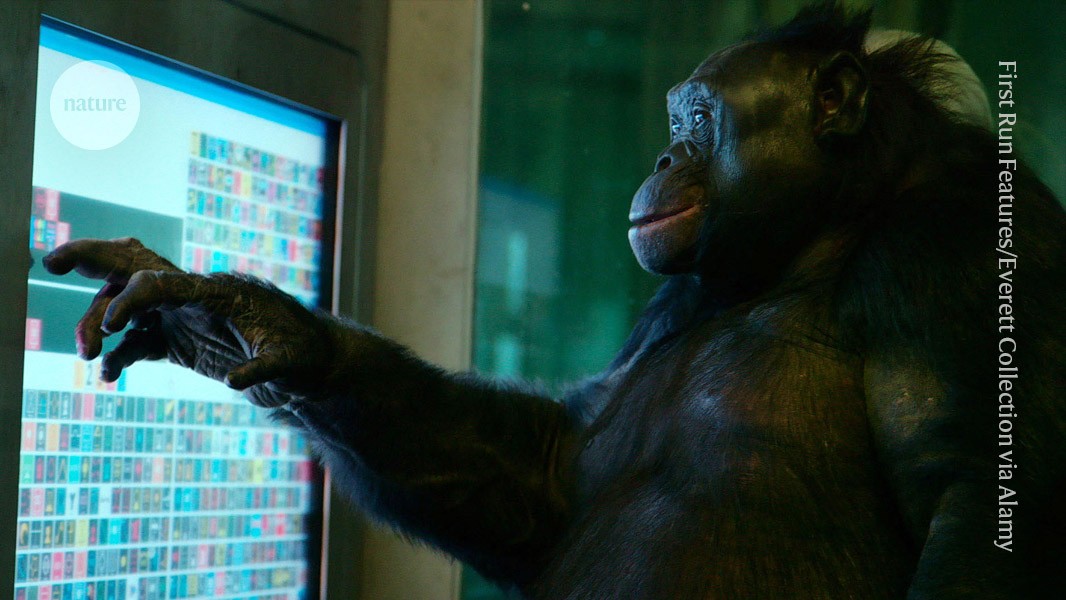
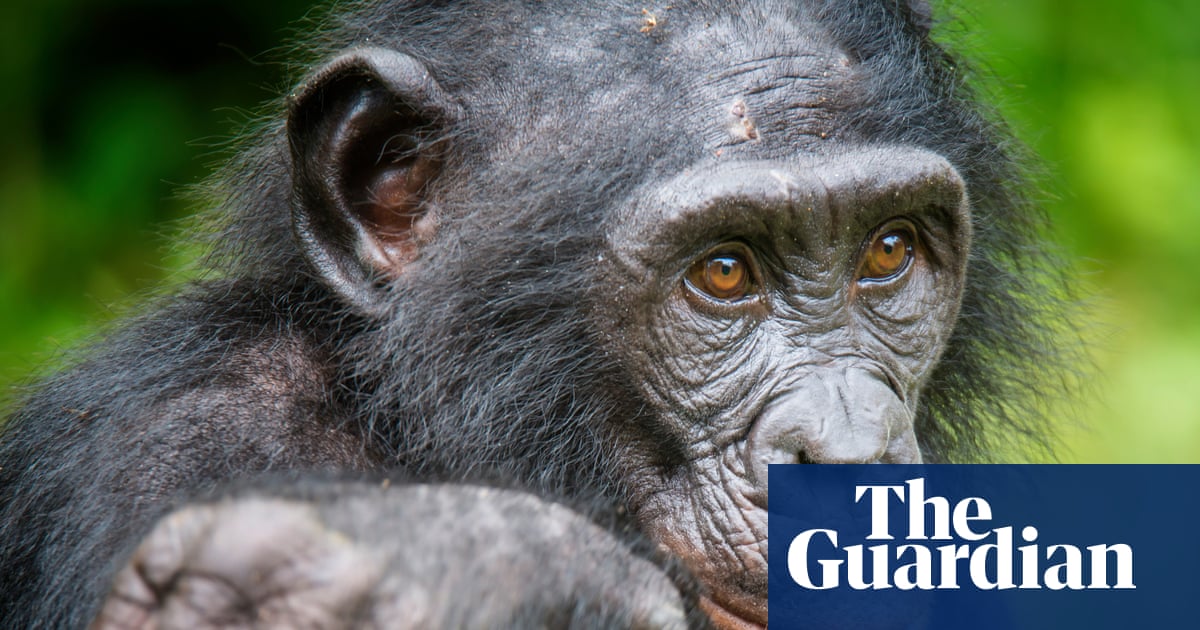
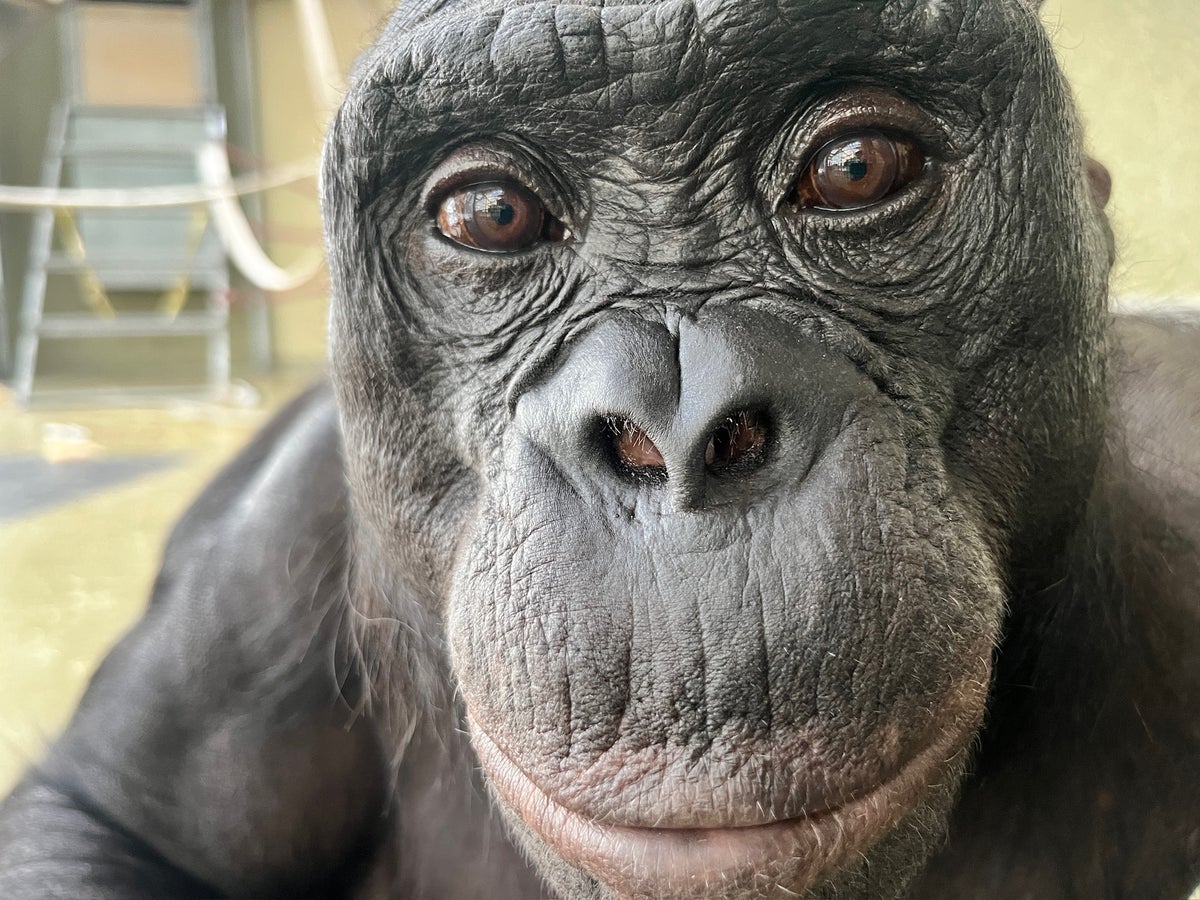
Last November, the UK government announced a bold plan to phase out animal testing in some areas of research. Animal tests for skin irritation are scheduled for elimination this year, and some studies on dogs should be slashed by 2030. The long-term vision is 'a world where the use of animals in science is eliminated in all but exceptional circumstances'.
Science


fromNature
2 months agoDaily briefing: The battle over the identity of the first animals
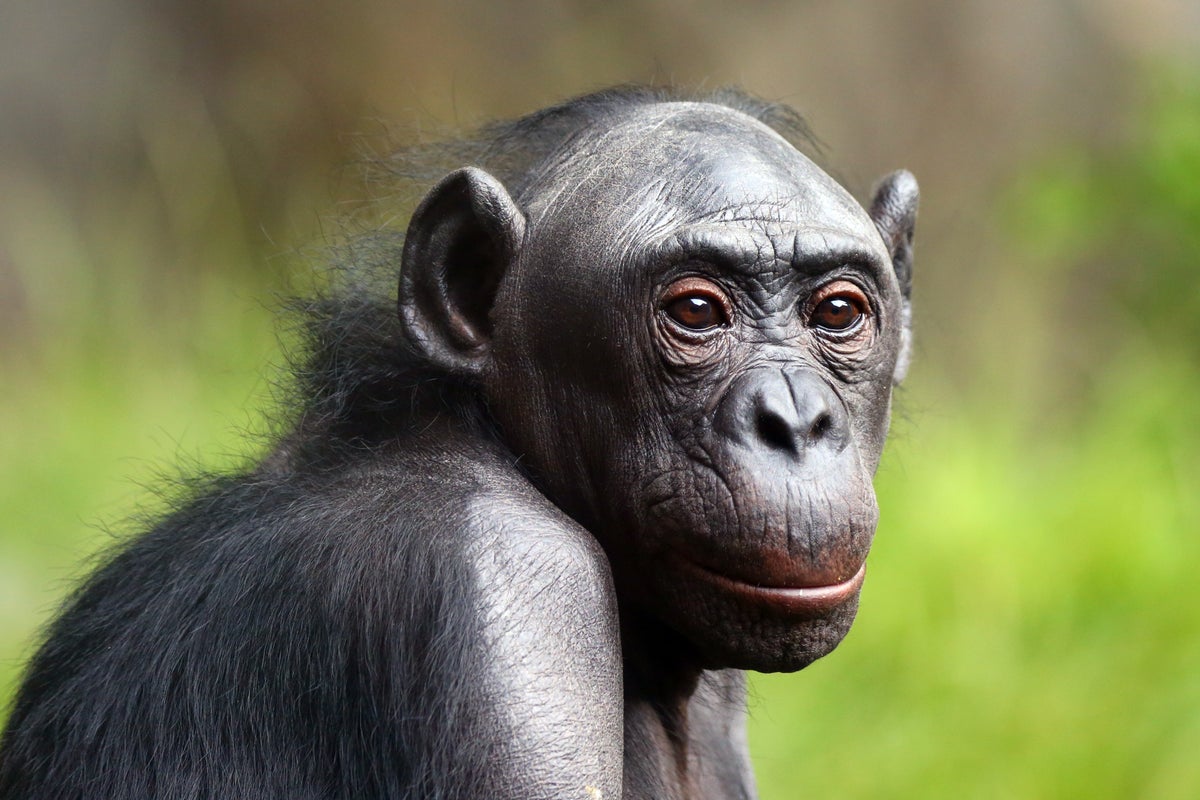
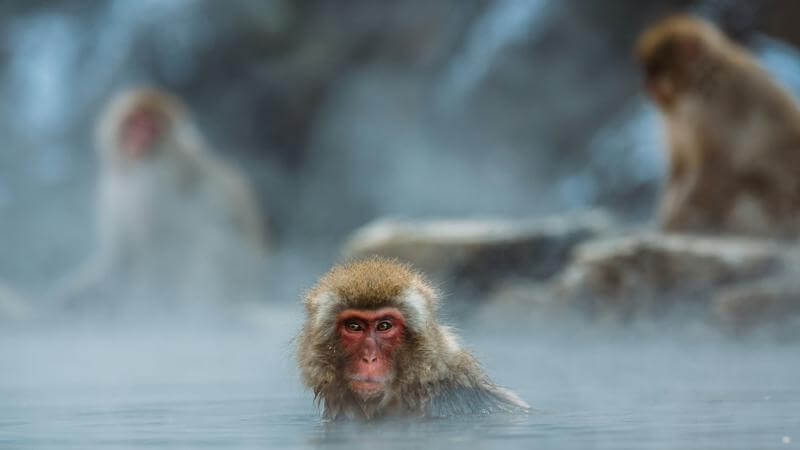
Wooden objects carrying the marks of carving and use could be the oldest wooden tools ever found. Researchers dated the artefacts, found in what is now Greece, to 430,000 years ago - and suggest they might have been made by early Neanderthals or their ancestors, Homo heidelbergensis. A separate study describes 480,000-old flint-knapping tools made from antler and elephant bone, from what is now the United Kingdom.
Science
fromArs Technica
1 month agoUnique structure of elephant whiskers give them built-in sensing "intelligence"
An elephant's trunk is a marvelous thing, flexible enough to bend and stretch as it forages for food, but also stiff enough to grasp and maneuver even delicate objects like peanuts or a tortilla chip. That's because the trunk is highly sensitive when it comes to sensing touch. Scientists have determined that the whiskers lining the trunk are crucial for that sensitivity thanks to their unique structure, amounting to a kind of innate "material intelligence, according to a new paper published in the journal Science.
Science
Science
fromArs Technica
2 months agoMacaque facial gestures are more than just a reflex, study finds
Multiple cortical regions jointly generate facial gestures in macaques, with distinctions between social and non-social actions arising from different temporal neural codes rather than separate anatomical loci.
fromPsychology Today
1 month agoHow Brawn and Engineering-Not Brains-Led to Human Domination
I'm always looking for books that challenge the status quo, and when I learned about Roland Ennos' new book The Powerful Primate: How Controlling Energy Enabled Us to Build Civilization, I couldn't wait to get my eyes on it, and I'm thrilled I did. In this landmark book, Ennos offers "a compelling argument that flips the traditional view of humanity on its head."
Science
[ Load more ]