Exercise
fromBusiness Matters
2 days agoWhy Every Fitness-Related Business Needs a Fitness App
The fitness industry must adopt mobile solutions to remain competitive and meet the growing demand for personalized digital fitness experiences.
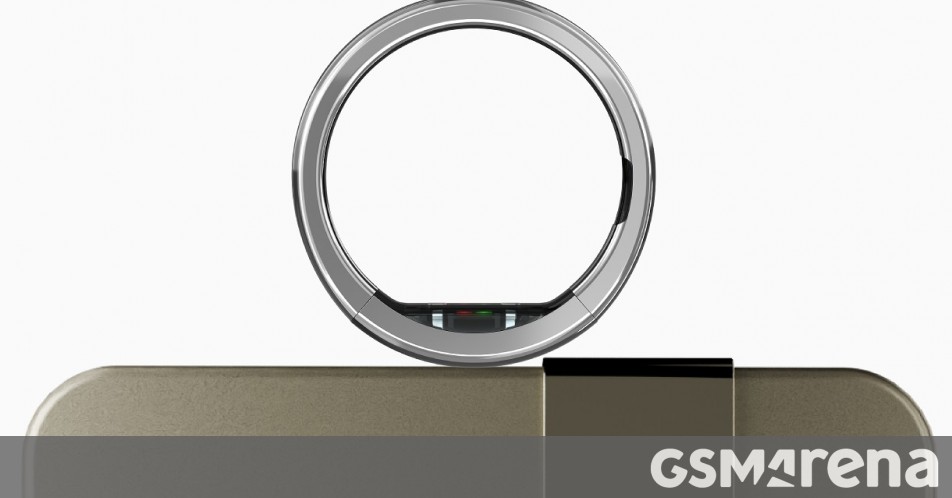
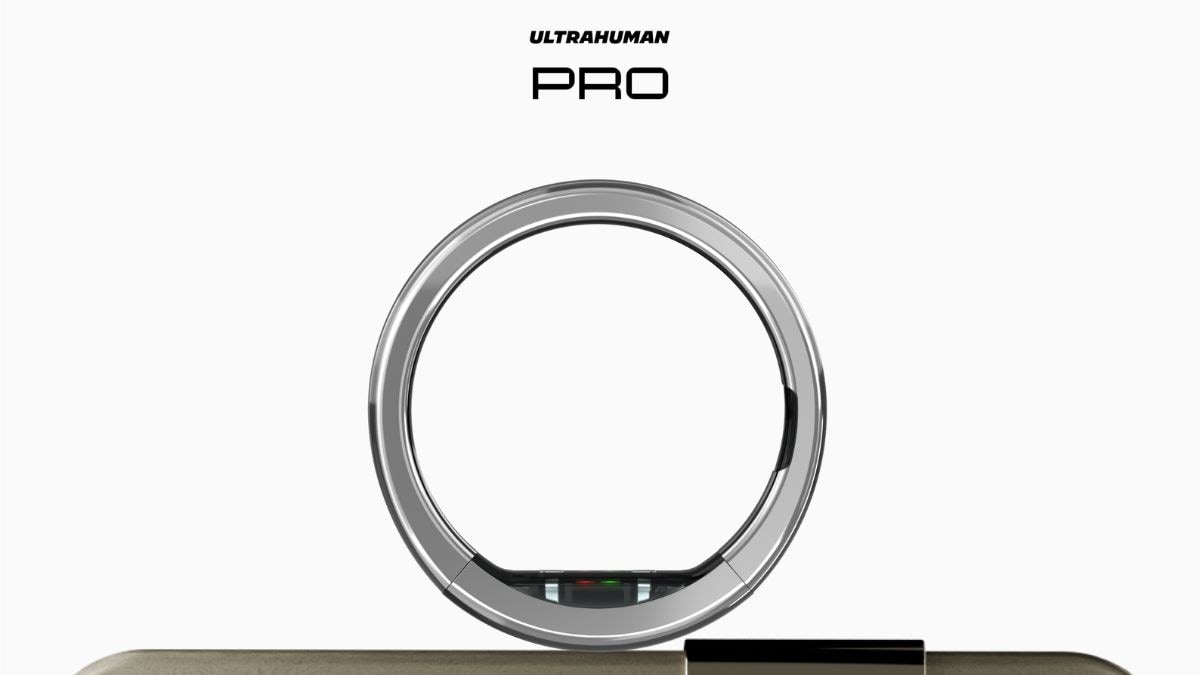
The Ultrahuman Ring Pro builds on the Ultrahuman Ring Air's features with several key improvements, including an impressive battery life of up to 15 days, which is more than twice as long as the Air.
Super shoes and ultralight gear make a difference, but with new advancements in artificial intelligence (AI) that can look at our running form and compare it to the ideal, analyze our nutrition intake from a simple photo and help us plan our diets, and offer guidance on training and recovery, the interwovenness of technology and running is only set to increase.
Food logging can be done in a few ways, including searching a database, scanning barcodes, or using AI-based camera analysis. Simpler items like eggs and fruit are identified well, but complex meals can be frustrating due to lighting and AI limitations.
Google announced on Tuesday that the public preview of Fitbit's AI personal health coach is rolling out to iOS users in the U.S. as well as both iOS and Android users in the UK, Canada, Australia, New Zealand, and Singapore. It initially launched in October, when it was only available in the U.S. on Android devices. To try out the feature, users need to have an active Fitbit Premium subscription and use a Google account to sign into the Fitbit app.
I felt too intimidated to try weight lifting again on my own, but wanted to experience the benefits those gym workouts provide, which is quite different to my typical routine of pilates, tennis and pole. Simultaneously, I've been working toward a solid home gym situation (while understanding my limited space in a one-bedroom in Queens). I began investigating full out home gym tech, and AEKE stood out as the most exciting of the bunch, because it most similarly aligned with having a personal trainer. I tried out the AEKE Smart Home Gym K1 with the Bench.
January might be coming to a close, but the focus on wellness doesn't have to die with it. If anything, it's a good time to check in with those 2026 goals and see what you want to prioritise for the rest of the year. To that end, we've gathered some of the best deals we've seen in the past few weeks that will help you tick off every good intention you set this month.
Petal is a bra insert that uses bio-impedance sensors and electrical measurements to monitor blood flow near the heart. Because wearers position the insert right next to the heart, the device can capture more accurate readings than your typical smartwatch, Petal says. The device comes in one size and fits snug against each breast. It's made with biocompatible materials, including a soft European fabric and a polyurethane-coated interior.
We use the IMU sensors to detect which exercise the user is performing and identify the period engaging in concentric, eccentric, or isometric hold. These are the three main types of lifting exercises; you might know them as contracting, lengthening, or static exercises. The Fort uses the wrist as a proxy for bar velocity, and the company is seeking FDA clearance and will also be pursuing large, third-party studies from independent labs.
If there's one thing that stops people using their smart rings over the long term, it's the battery life. After all, they're so unobtrusive, it's easy to forget to drop it on the charging plate every few days. It doesn't take long for your pricey gadget to become little more than a very expensive piece of jewelry.
A tennis match usually starts with rituals you can set your watch by. A towel tug, a ball bounce, a glance at the strings. This year, a different ritual stole the first spotlight, because officials asked top players to take off a wrist wearable before they played, and the moment landed like a plot twist you did not order. This piece walks you through what happened, why it happened, and what it says about where tennis sits with athlete data right now.