#led-button-lights
#led-button-lights
[ follow ]
#architecture #smart-home #design #lighting #outdoor-lighting #technology #residential-architecture #home-decor
fromwww.nytimes.com
1 day agoHow Technology Has Transformed Cinematography
The small, lightweight, inexpensive camcorder was a great liberator for filmmaking. Not only did it mark a significant leap in accessibility, it also made it easier for filmmakers to achieve the kind of raw, immediate visual language that had been established by directors like Spike Jonze in Video Days (1991).
Photography
fromDesign Milk
1 day agoSabah House NYC Pays Homage To Set + Setting
Sabahs are made entirely by hand from 100% leather in either Texas or Turkey—two regions with distinct yet deeply rooted relationships to the material. The result is a shoe that varies subtly from pair to pair, even within the same size.
Brooklyn
UX design
fromLondon Business News | Londonlovesbusiness.com
2 days agoPhenomenon Studio: AI-Driven UI/UX Innovations Defining the 2026 Design Evolution - London Business News | Londonlovesbusiness.com
AI is now essential in UI/UX design, enabling anticipatory interfaces that enhance user experience and drive business success.

#architecture
UX design
fromdesignboom | architecture & design magazine
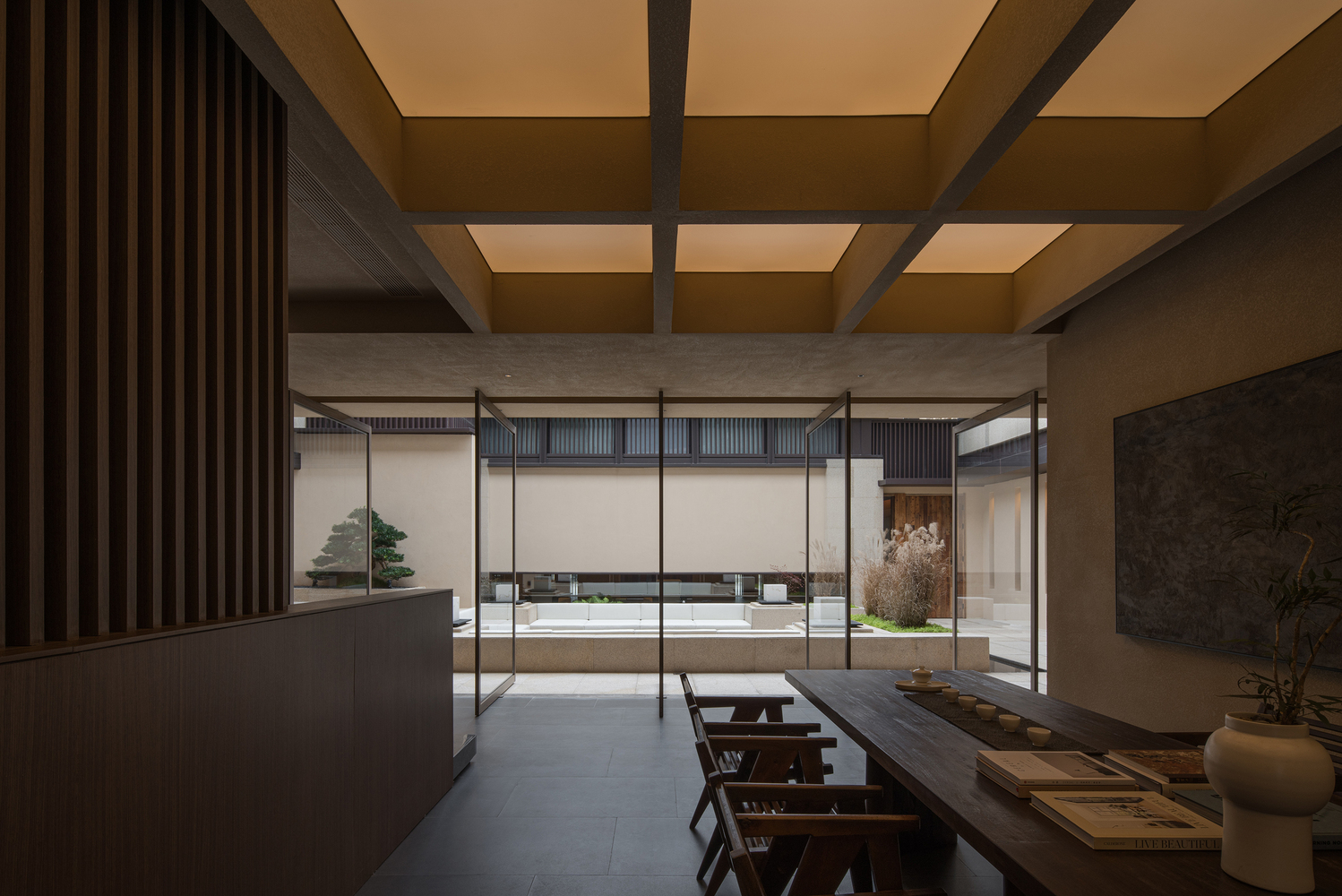
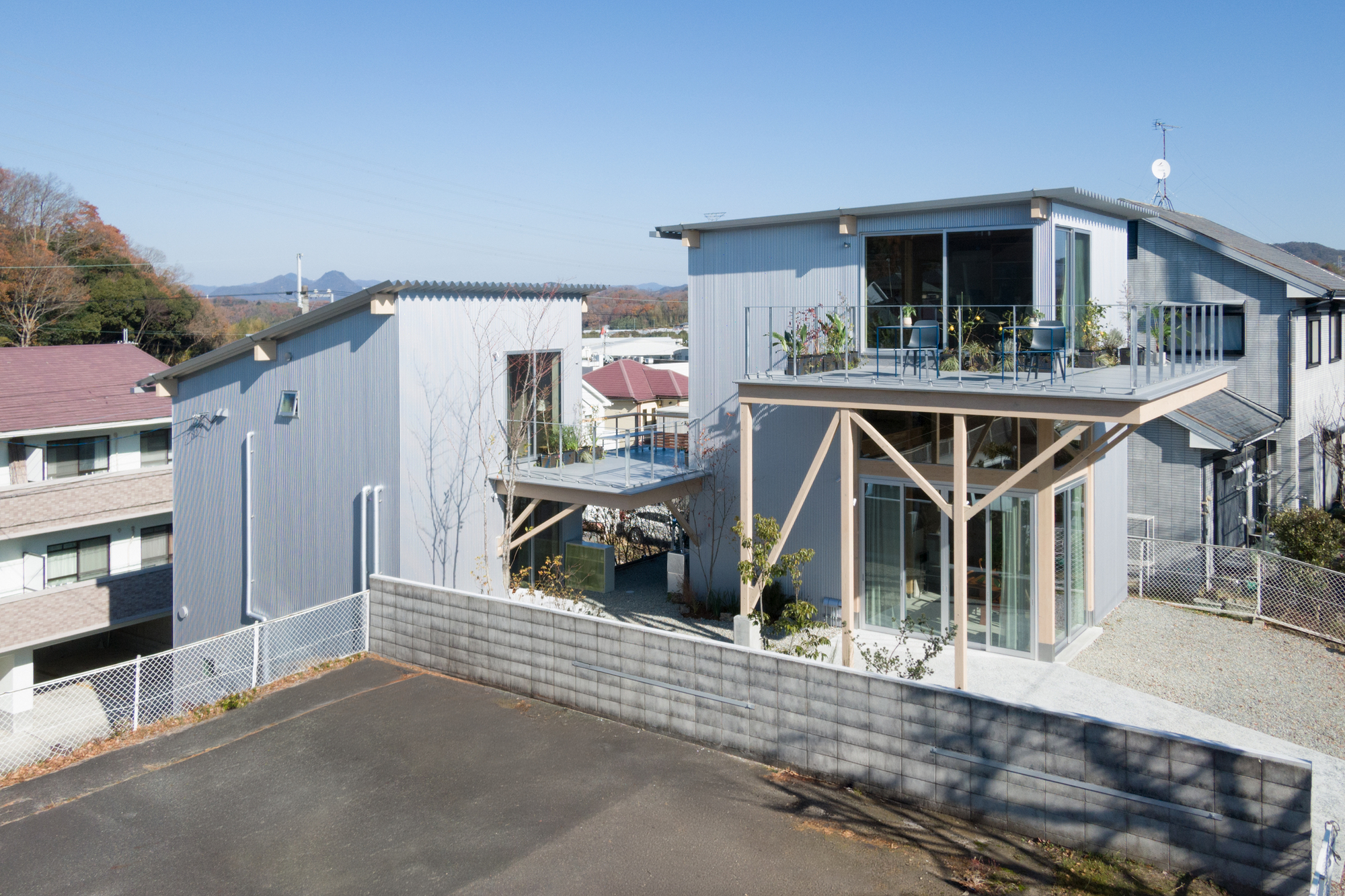
4 days agohow wutopia lab's 'magical realism' turns everyday spaces into ethereal interior atmospheres
Wutopia Lab creates immersive architectural experiences that transform ordinary spaces into imaginative environments, enhancing perception through design elements like light and geometry.
UX design
fromdesignboom | architecture & design magazine
4 days agohow wutopia lab's 'magical realism' turns everyday spaces into ethereal interior atmospheres
Wutopia Lab creates immersive architectural experiences that transform ordinary spaces into imaginative environments, enhancing perception through design elements like light and geometry.
fromwww.cbc.ca
1 week agoToronto's streetlights to be converted to LED lighting by 2035, officials say | CBC News
We will convert every street light to modern LED light in the next 10 years, more than doubling our current pace. To keep the system going, we will also replace aging infrastructure below ground.
Canada news
Design
fromdesignboom | architecture & design magazine
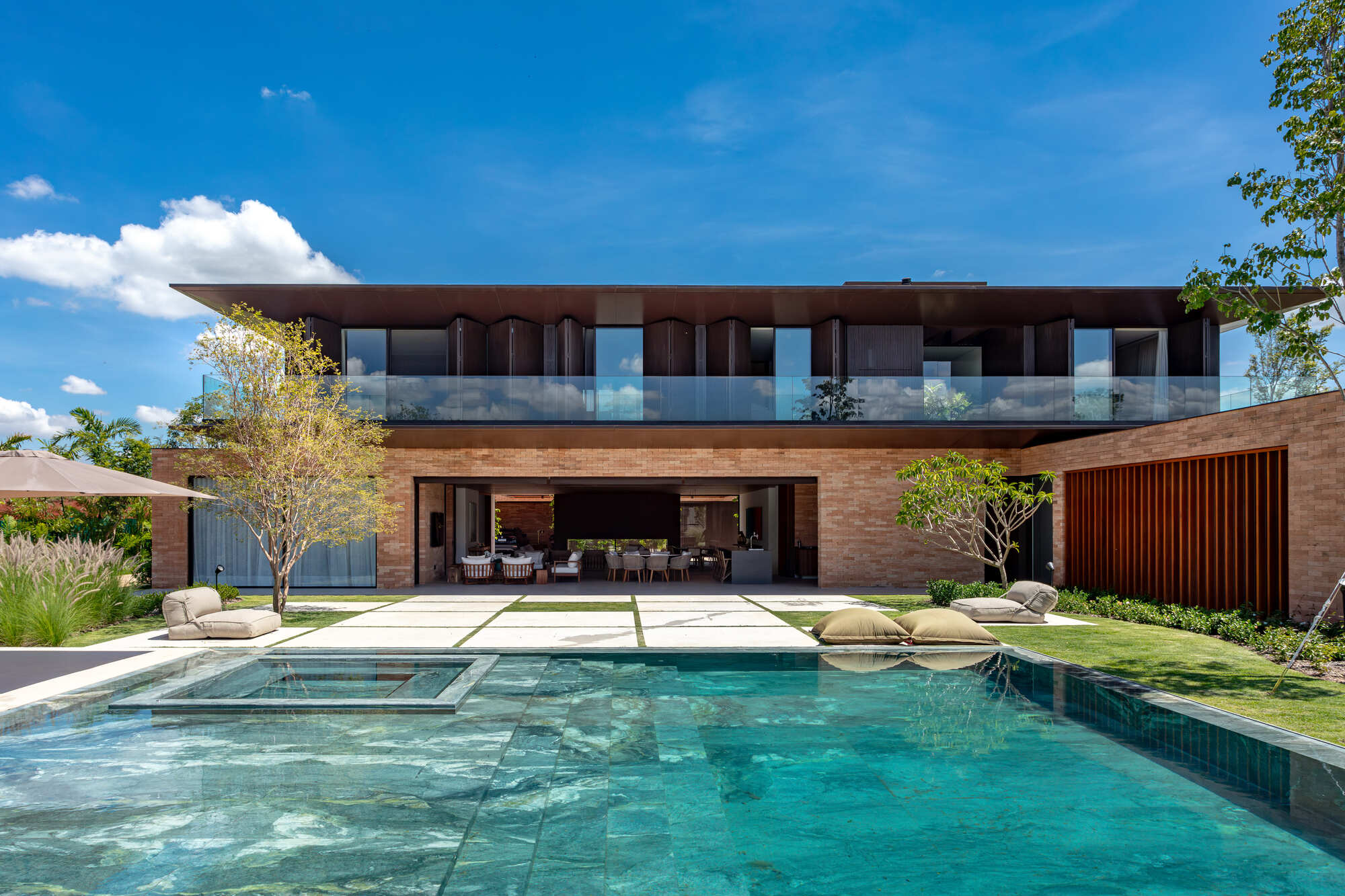
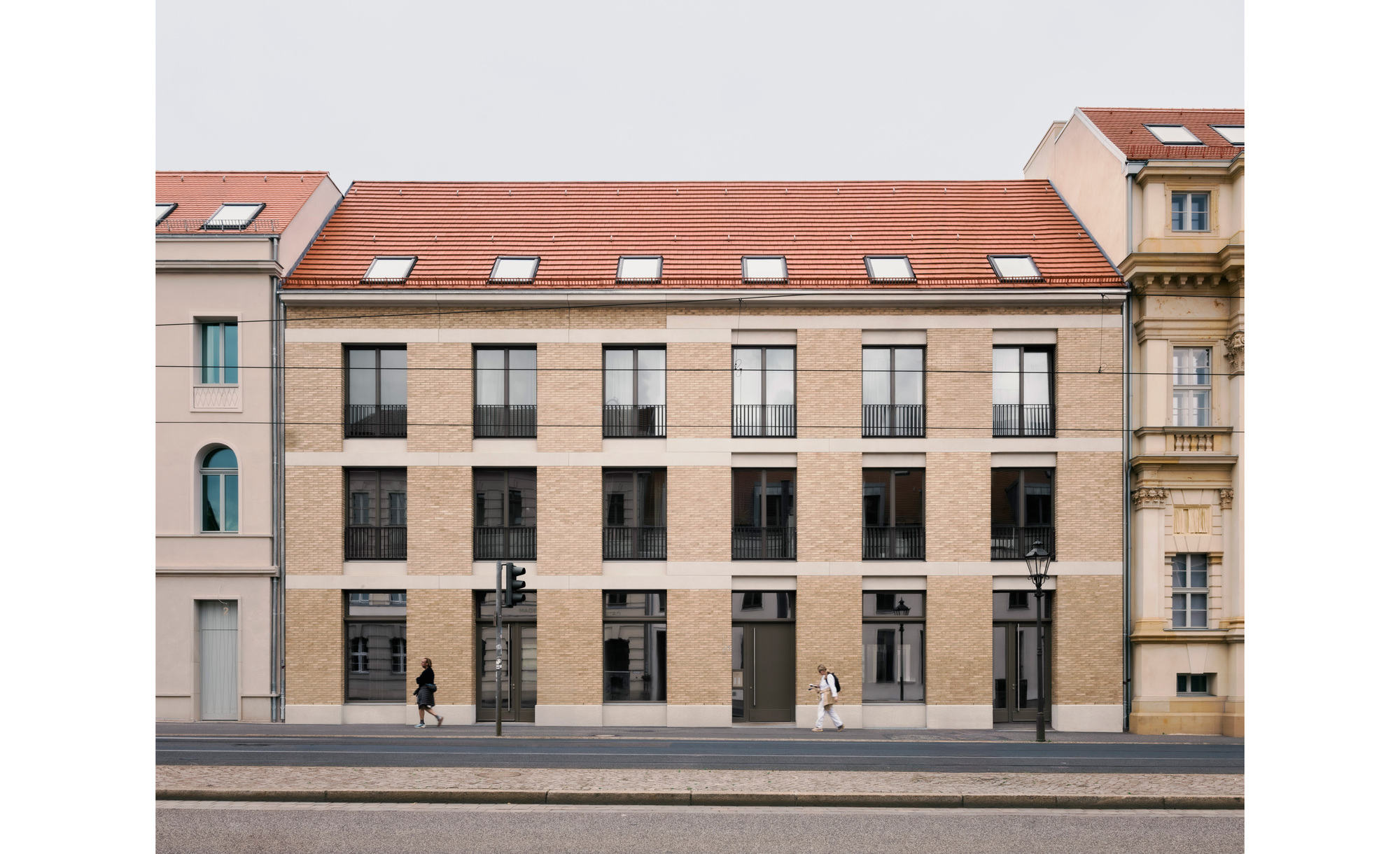
1 day agoopen courtyards and evolving green facades turn hyderabad school campus into living forest
Pentaspace's Heartfulness International School integrates ecological design principles to create a nature-connected learning environment for pre-primary education.
Photography
fromYanko Design - Modern Industrial Design News
6 days agoThis minimal AI camera blends into the wild while quietly tracking wildlife - Yanko Design
A minimal AI camera concept enhances wildlife observation by integrating intelligence into the environment, reducing human interference and improving monitoring accuracy.
#smart-home-technology
Gadgets
fromLondon Business News | Londonlovesbusiness.com
5 days agoUnderstanding the impact of smart technology on household energy consumption - London Business News | Londonlovesbusiness.com
Smart home technology requires user action and guidance to effectively reduce energy bills, rather than relying solely on devices for savings.
Renovation
fromArchitectural Digest
1 month agoArchitects Say Touchscreens Ruined the Smart Home. Now They're Going Back to Buttons
High-end residential design increasingly favors analog controls and hidden technology over visible smart home interfaces, driven by user frustration, reliability concerns, and aesthetic preferences.
UX design
fromYanko Design - Modern Industrial Design News
3 weeks agoYour Light Switch Is the Worst-Designed Thing in Your House. Inkslab Offers An Alternative - Yanko Design
Inkslab panel series transforms wall switches into a visually striking interface using irregular polygonal designs inspired by classical Suzhou gardens.
fromArchDaily
1 month agoDesigning the Sensory City: Architecture, Light Pollution, and Urban Noise
For most of human history, night arrived as a planetary certainty. Darkness spread across landscapes, and the sky revealed thousands of stars. Today, that sky is disappearing. Artificial light spills upward from cities, scattering through the atmosphere and turning night into a permanent haze. Research mapping global sky brightness shows that more than 80 percent of humanity now lives under light-polluted skies, and the Milky Way has vanished from view for over a third of the world's population.
Environment
Renovation
fromYanko Design - Modern Industrial Design News
4 days ago7 Brilliant Products Renters Are Buying to Upgrade Their Homes Without Drilling a Single Hole - Yanko Design
Renters can enhance their living spaces with versatile, non-permanent upgrades that are functional and environmentally conscious.
Wearables
fromdesignboom | architecture & design magazine
1 month agomotion-activated IKEA nightlight sticks to any surface and glows without plugging in
IKEA's ANKARLÄGGA is a battery-powered LED nightlight with motion sensor that attaches to surfaces without wires or plugs, activating for 30 seconds when movement is detected in darkness.

#lighting-design

Renovation
fromRedfin | Real Estate Tips for Home Buying, Selling & More
1 month ago5 Reasons Why Lighting Design Matters More Than You Think in Home Interiors
Thoughtful lighting design enhances home comfort, style, and well-being by supporting circadian rhythms and transforming how spaces feel and function.
Gadgets
fromYanko Design - Modern Industrial Design News
1 month ago5 Best Desk Lamps That Light Your Workspace Better Than Any Overhead Light Ever Could - Yanko Design
Targeted desk lamps provide intentional, focused lighting that reduces strain and improves concentration better than overhead fixtures, with five distinct models addressing different workspace needs and preferences.
fromYanko Design - Modern Industrial Design News
1 month agoThis Jellyfish-Inspired Lamp Transforms When You Switch It On - Yanko Design
The reference point is specific, not from a general impression of the ocean, but from the particular way jellyfish tentacles move: slow, layered, and almost meditative in repetition. That quality informs the lamp's layered construction and the dense organic lattice etched across its translucent shade. The pattern reads quietly in a lit room. Switch the lamp on and the whole surface activates, casting warm amber light through the texture in a way that feels atmospheric rather than task-driven.
Design
fromThe Atlantic
2 months agoSmart Homes Are Terrible
All of the appliances and systems are brand-new: the HVAC, the lighting, the entertainment. Touch screens of various shapes and sizes control this, that, and the other. Rows of programmable buttons sit where traditional light switches would normally be. The kitchen even has outlets designed to rise up from the countertop when you need them, and slide away when you don't.
Gadgets
fromArchDaily
2 months agoWhen Light Meets Energy in Glass Ceilings
From the large industrial roofs and galleries of the 19th century to the contemporary atriums of museums and public buildings, glass has been a recurring material in shaping large and monumental interior spaces. More than a technological or engineering solution, these horizontal glazed planes introduce a distinct luminous quality: light that comes from above. Unlike lateral daylight entering through façades, zenithal light is more evenly distributed, reduces harsh shadows, and lends spaces a sense of continuity and openness that is difficult to achieve otherwise.
Design
[ Load more ]