Retirement
fromFast Company
1 week agoHow these two major types of spending shocks will affect your retirement planning
Spending shocks, like early retirement and uninsured long-term care, significantly impact retirement portfolio longevity.
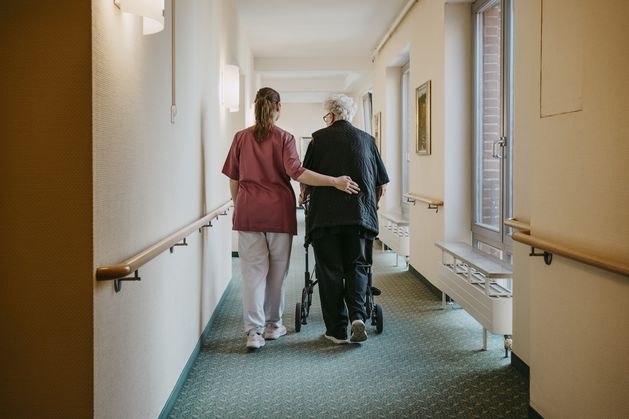
Sometimes it's a fall that brings a broken hip and a loss of mobility. Or memory problems that bubble into danger. Or the death of the partner who was relied upon for care.The need to move to a nursing home, assisted living facility or another type of care setting often comes suddenly, setting off an abrupt, daunting search. It's likely something no one ever wanted, but knowing what to look for and what to ask can make a big difference.
A new norovirus strain, known as GII.17, spiked throughout the Bay Area last winter, according to wastewater monitoring that tracks disease trends. Experts say the strain spreads more efficiently than earlier versions of the so-called winter vomiting disease. Older adults are especially vulnerable, facing complications such as dehydration from gastrointestinal illnesses. As winter returns, the virus is again circulating, with high concentrations reported in the East Bay and on the Peninsula.
Translator who broke the rules to become decades-long friend of Guido Nasi tells of their relationship and the lives destroyed by one brutal act
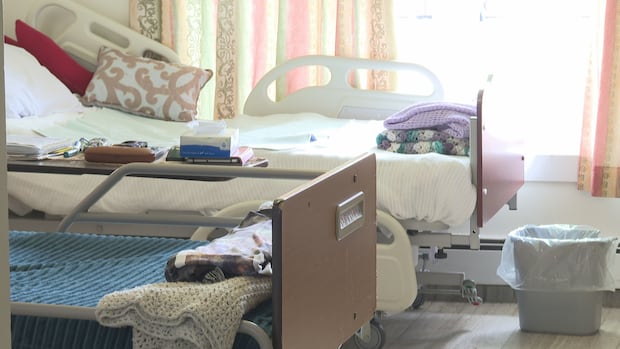
A downtown Toronto long-term care home is rebuilding with a new design that considers lessons learned from the COVID-19 pandemic, going beyond the province's standards but some say those standards are out of date. Right down to the placement of garbage cans, the new design of the Rekai Centre's Cherry Place aims to prevent the spread of viruses and prioritize residents' emotional and social needs, according to the centre's CEO, Sue Graham-Nutter. We never wanted our residents to go through this ever again, she said.
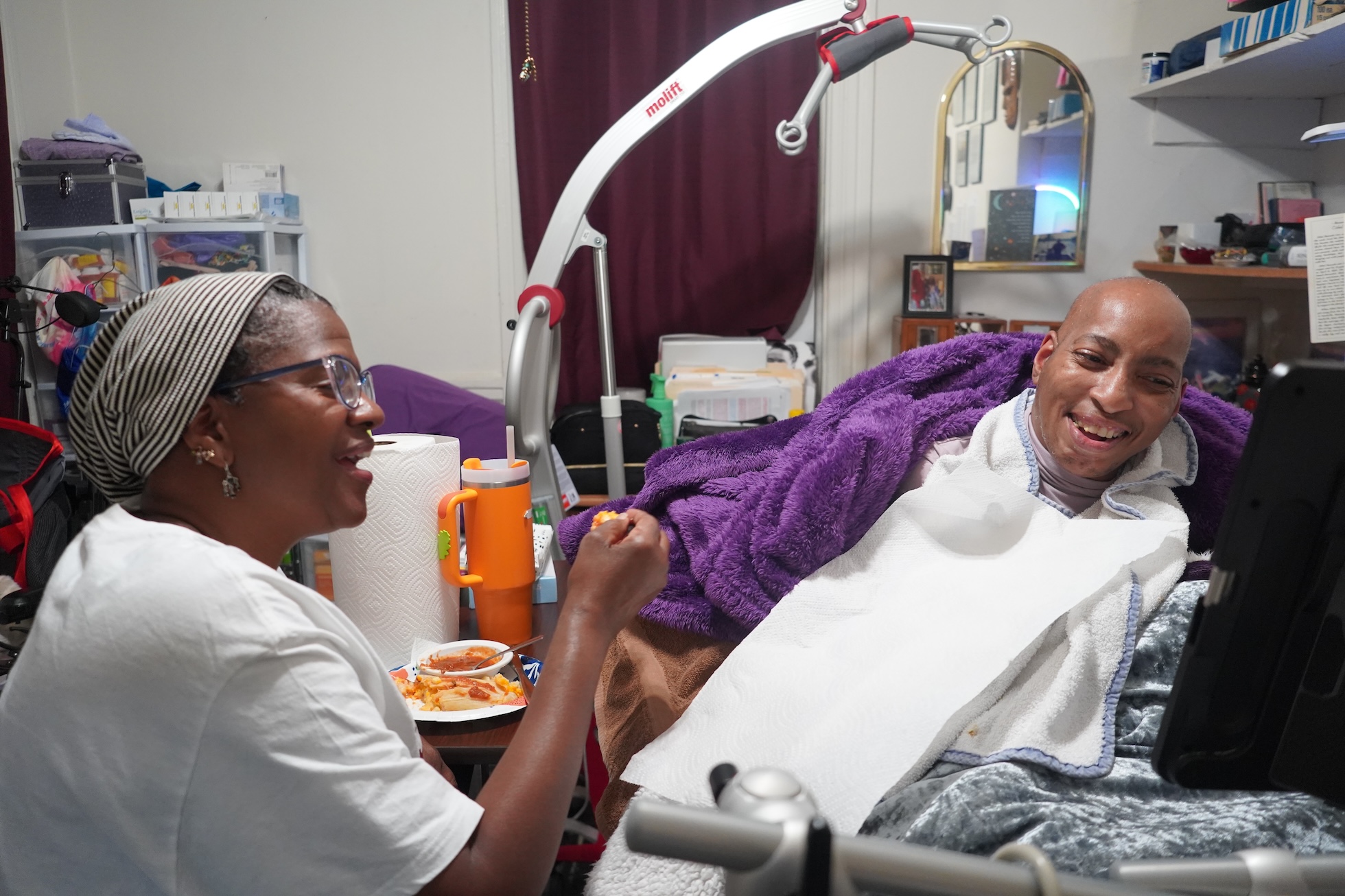
Every November, the country observes National Family Caregivers Month a tribute to the millions of Americans who help aging parents, disabled spouses, or loved ones with chronic conditions. But once the tributes end, the reality continues. On any given morning commute on the subway or bus, chances are one of the riders alongside you is juggling a full-time job and a second, hidden shift as a family caregiver.
Every day at Encore Community Services in Midtown Manhattan, I meet older New Yorkers who worked their whole lives and now face an impossible choice. They can drain their savings to pay for home care, or try to live without the help they need to stay safe at home. Medicaid, the public insurance program for people with very low incomes, will pay for long-term home care.
The rate of Alzheimer's diagnosis has declined steadily in recent decades, but as baby boomers age, the number of new cases continues to rise. The top risk factor for dementia is age, and by 2030 more than one in five Americans will be 65 or older. That means the prevalence of Alzheimer's in the U.S. could exceed 13.8 million people by 2060.