#matthieu-blazy-debut-collection
#matthieu-blazy-debut-collection
[ follow ]
#fashion-design #menswear #berlin-fashion-week #haute-couture #sustainable-fashion #craftsmanship #fashion

fromArchitectural Digest
1 week agoTable Mates: Clare Vivier and Heather Taylor Blend LA Cool and French Sophistication
Clare Vivier and Heather Taylor have perfected the art of hosting by dividing responsibilities, with Vivier focusing on wine and Taylor on flowers and dessert. Their friendship of 20 years has led to a seamless collaboration that enhances the dinner party experience.
Relationships
#fashion

fromKALTBLUT Magazine
2 months agoFashion & style
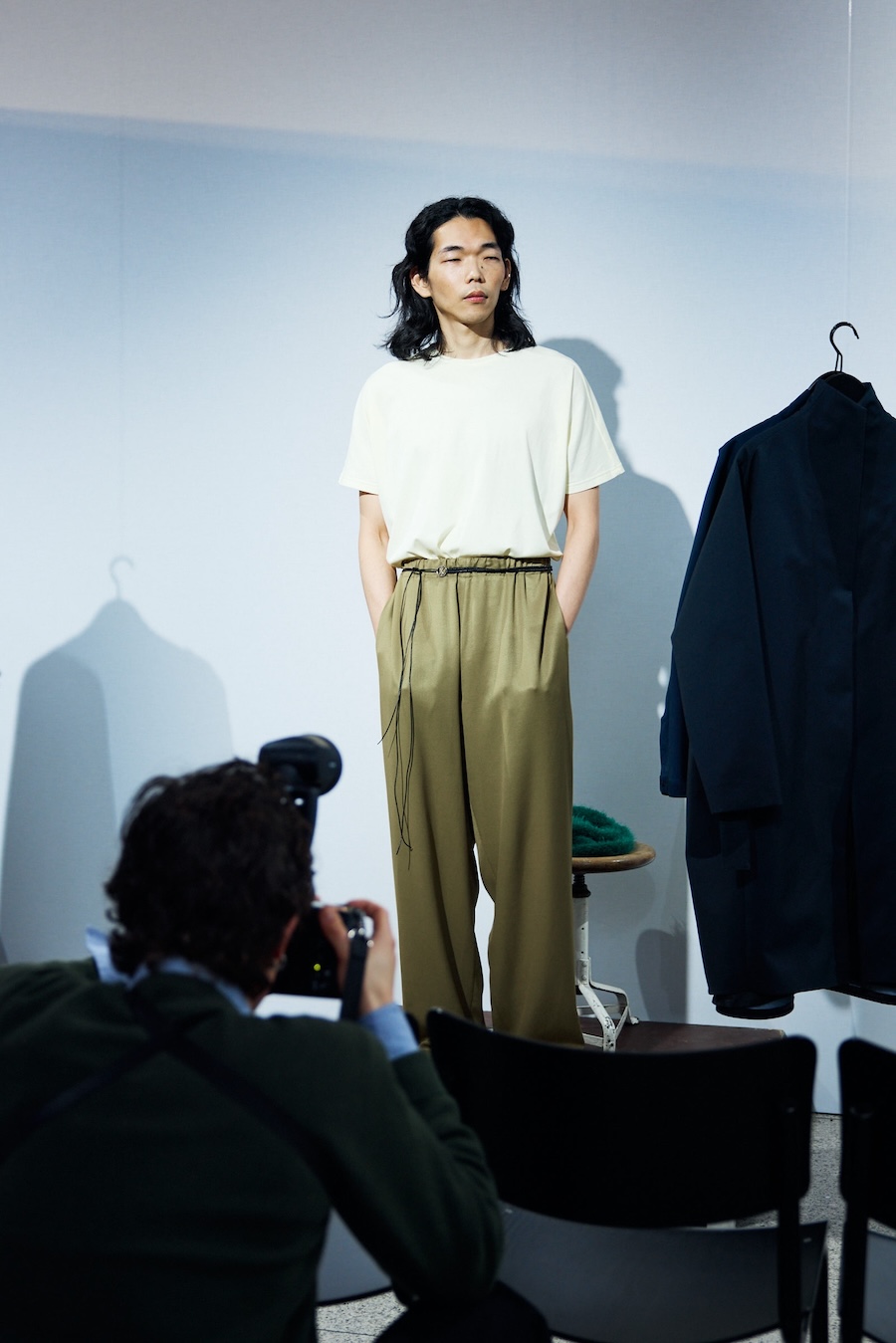
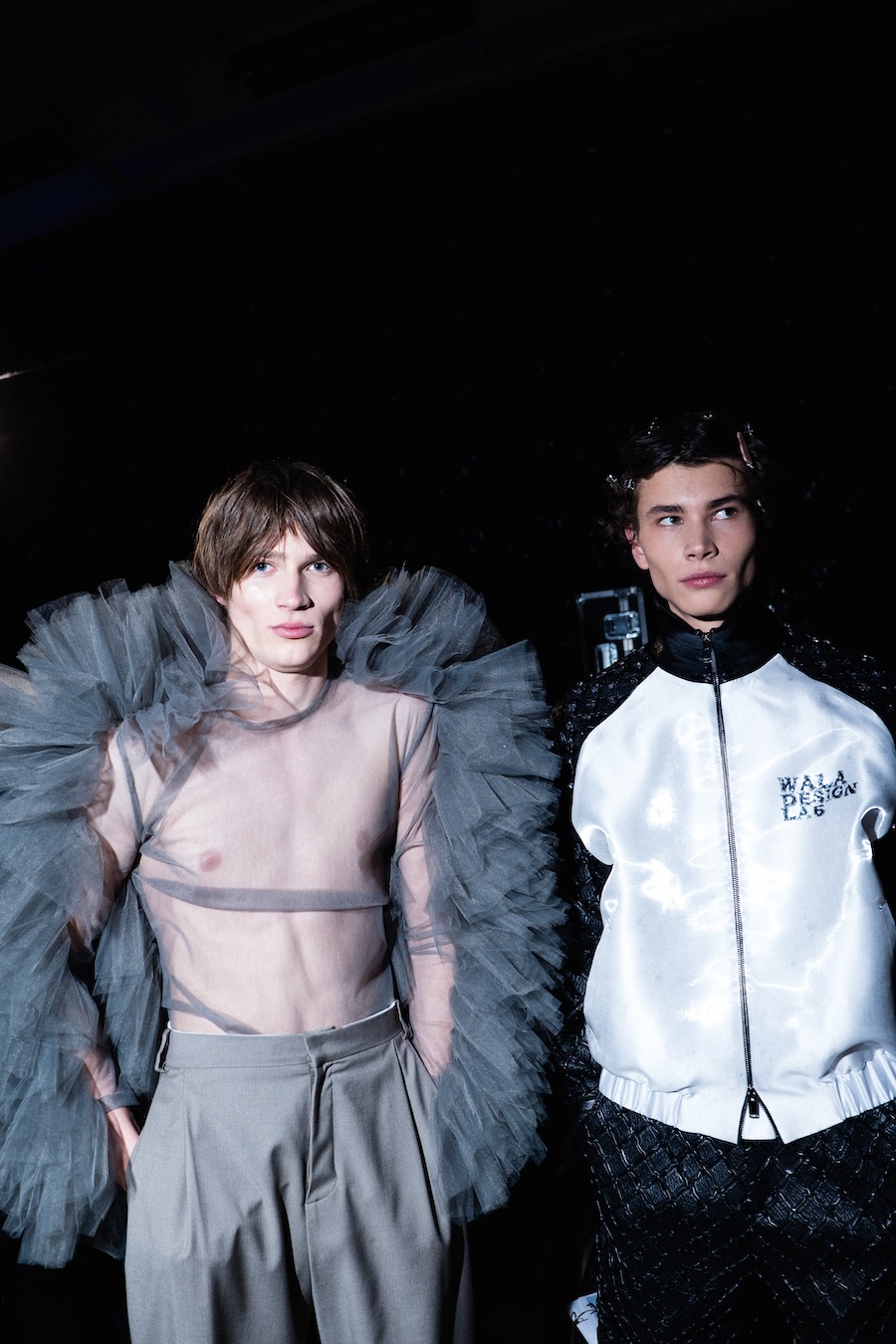
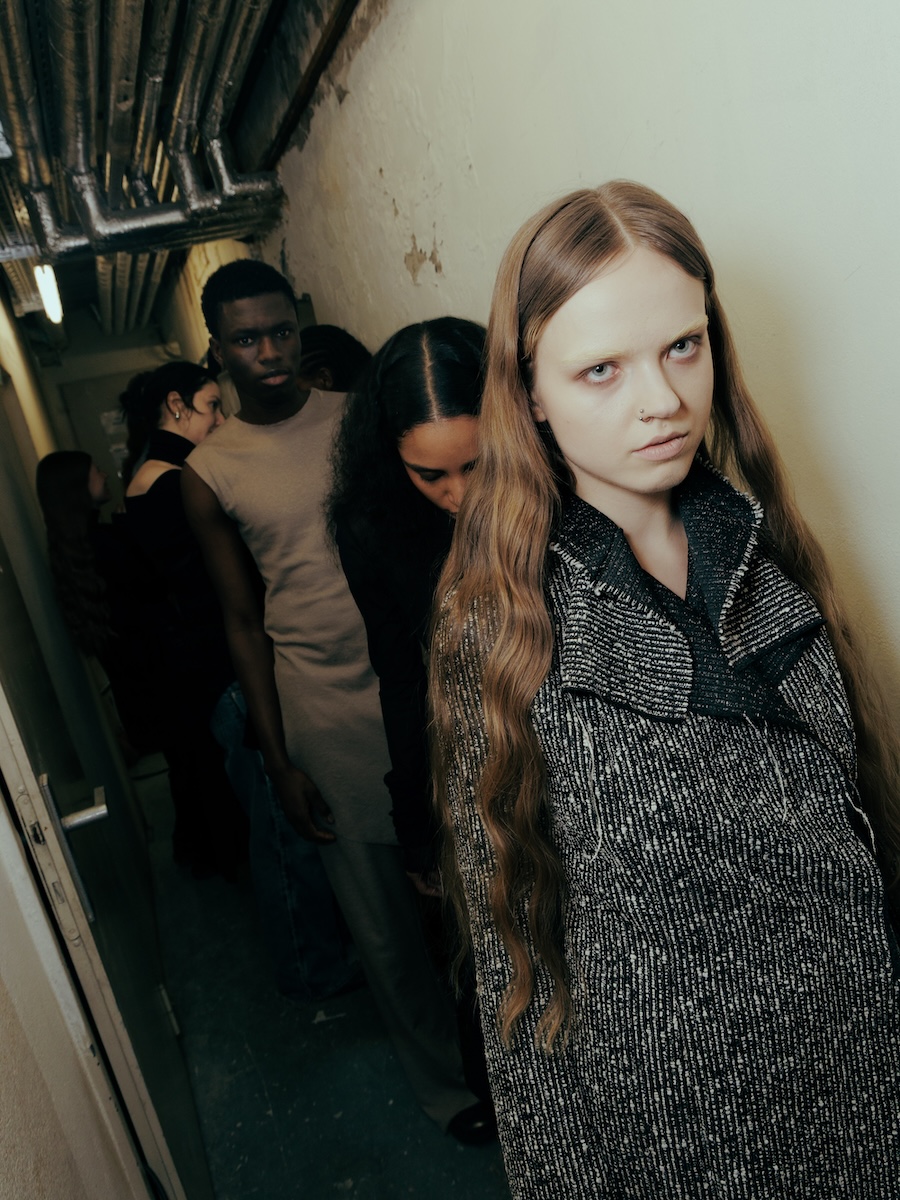
Backstage at Danny Reinke Fall/Winter 2026 - NUMINOUS - KALTBLUT Magazine
Danny Reinke's Numinous transforms forest themes into sculptural, prèt-à-couture garments using tactile materials, oversized tulle, and recycled textiles to evoke sentient, ritualistic nature.
Paris food
fromKALTBLUT Magazine
1 month agoPierlucien: Dive into the Carnal Abyss with "Par Amour" - KALTBLUT Magazine
PIERLUCIEN releases 'Par Amour,' a dance-driven single exploring surrender and devotion through intimate choreography and minimalist visual storytelling as part of a year-long monthly project.
Paris food
fromWWD
1 month agoParisian Designer Pauline Leprince to Make NYC Debut
French designer Pauline Leprince combines futuristic aesthetics with historical codes, creating radical minimalist pieces that explore tension between individual and society through sharp geometry and materials like burnt metal and glass.
Fashion & style
fromAnOther
3 weeks agoPhoebe Philo's Collection E: It's Just Clothes, and That's More Than Enough
Phoebe Philo's designs present clothes in a direct, theatrical-free manner that has become highly influential across the fashion industry, with her aesthetic elements now widely adopted by other designers.
fromAnOther
1 month agoOlivier Saillard Presents a Poetic History of Everyday Fashion
The question of how fashion is archived - what enters the museum; what is deemed worthy of preservation; whose clothes are considered culturally significant enough to outlast the bodies that wore them - has long sat uneasily at the centre of fashion history itself. Institutions have tended to answer it, or ignore it, in much the same way: couture gowns under glass, luxury garments mounted on conservation-grade mannequins in blockbuster exhibitions - an implicit hierarchy of the designed over the worn, the authored over the anonymous.
Paris food
Fashion & style
fromKALTBLUT Magazine
3 weeks agoHelen Anthony Fall/Winter 2026-27 - KALTBLUT Magazine
Helen Anthony's Fall/Winter 2026-27 collection merges London's cultural energy with East-meets-West design, combining traditional Eastern hand embroidery with sharp British tailoring and theatrical power dressing.
Fashion & style
fromwww.theguardian.com
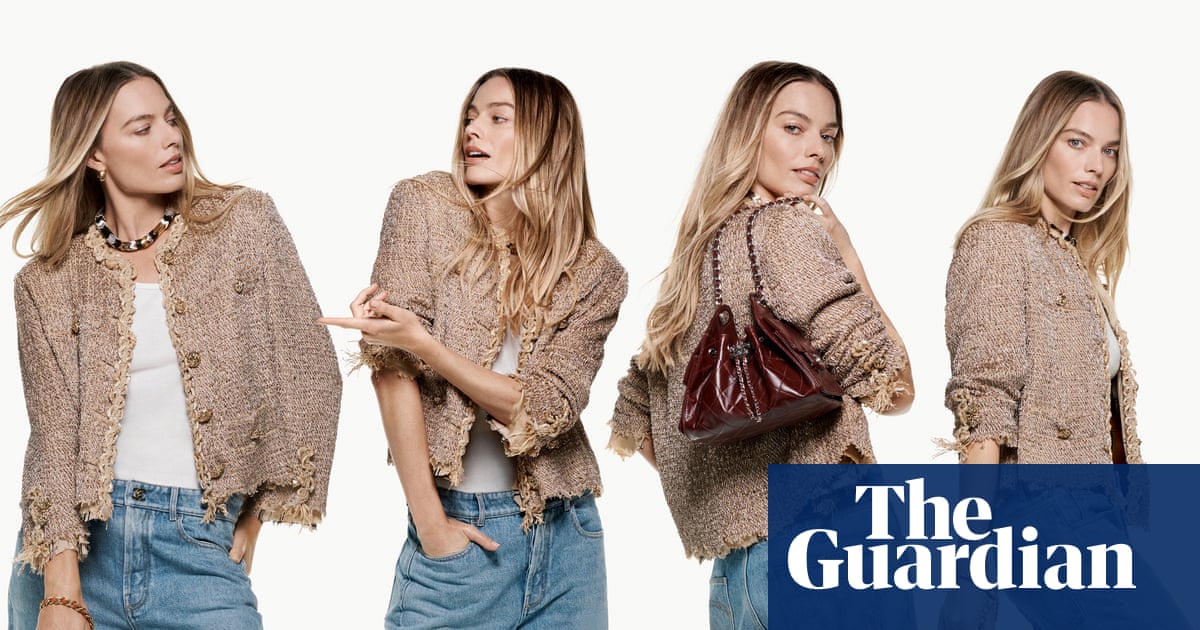
1 month agoMatthieu Blazy's Chanel show celebrates and plays with brand's history
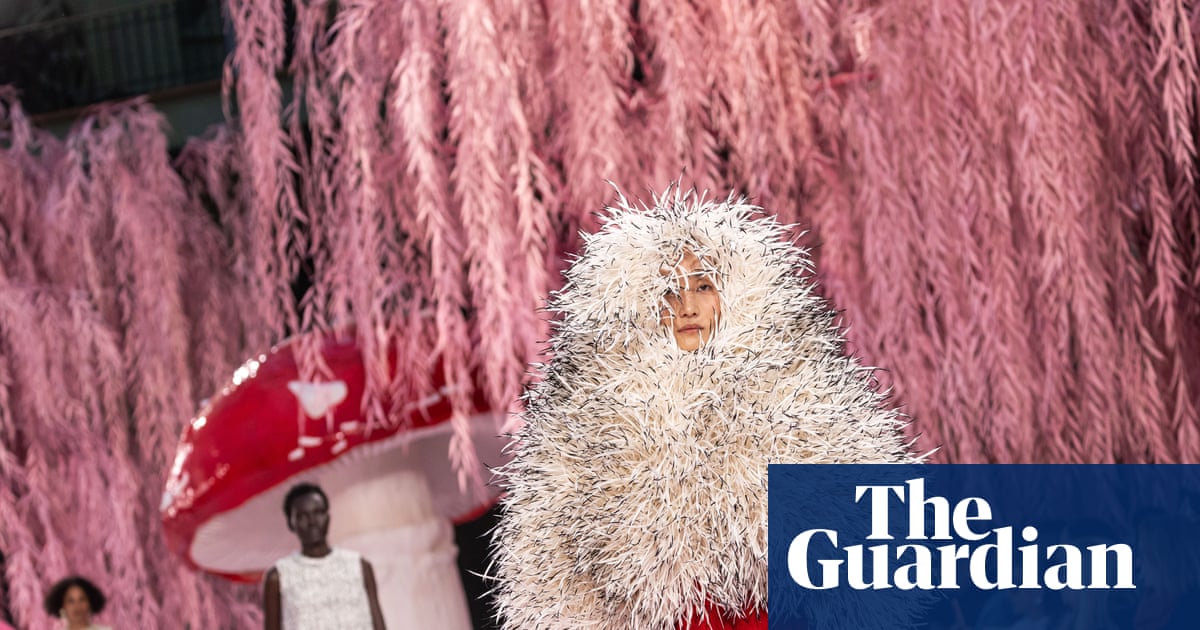
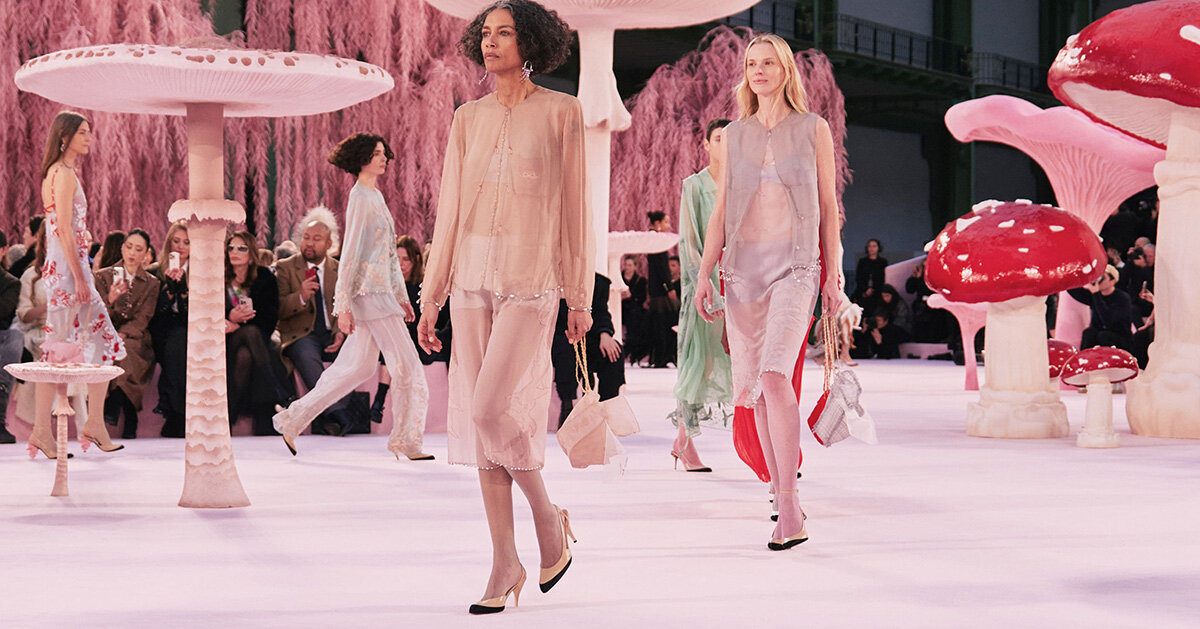
Matthieu Blazy reimagines Chanel through playful construction-site aesthetics and deep historical research, creating sold-out pieces that balance rarefied luxury with functional design.
Paris food
fromYanko Design - Modern Industrial Design News
1 month agoThis Miniature Chair Is Jonathan Anderson's Smartest Dior Move - Yanko Design
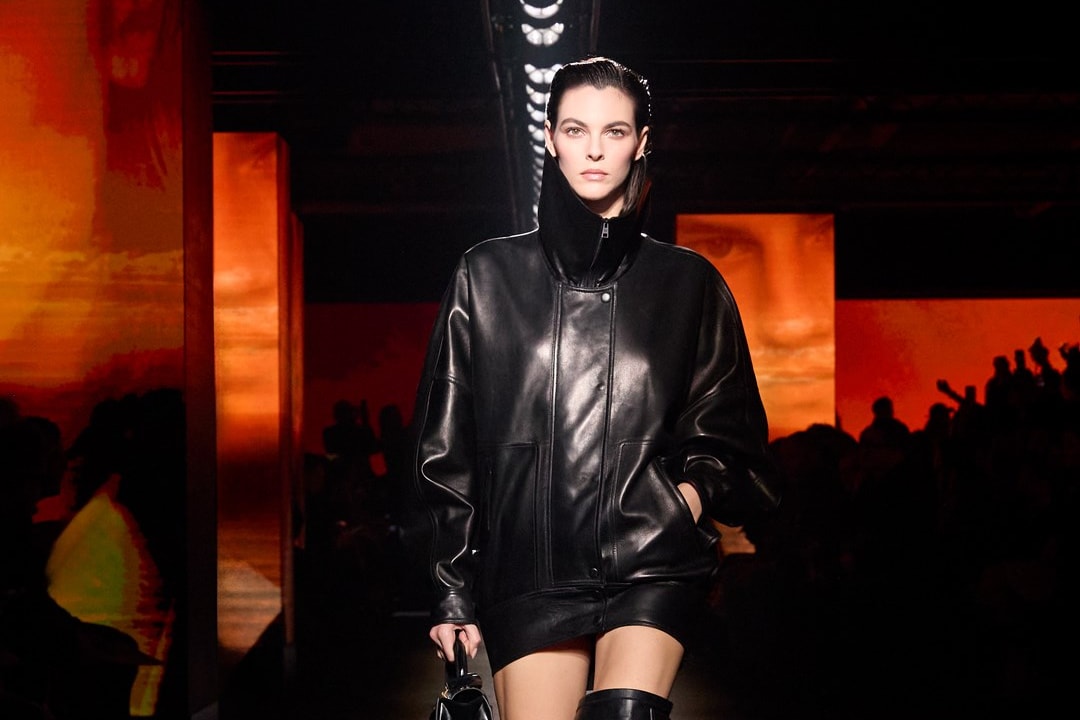
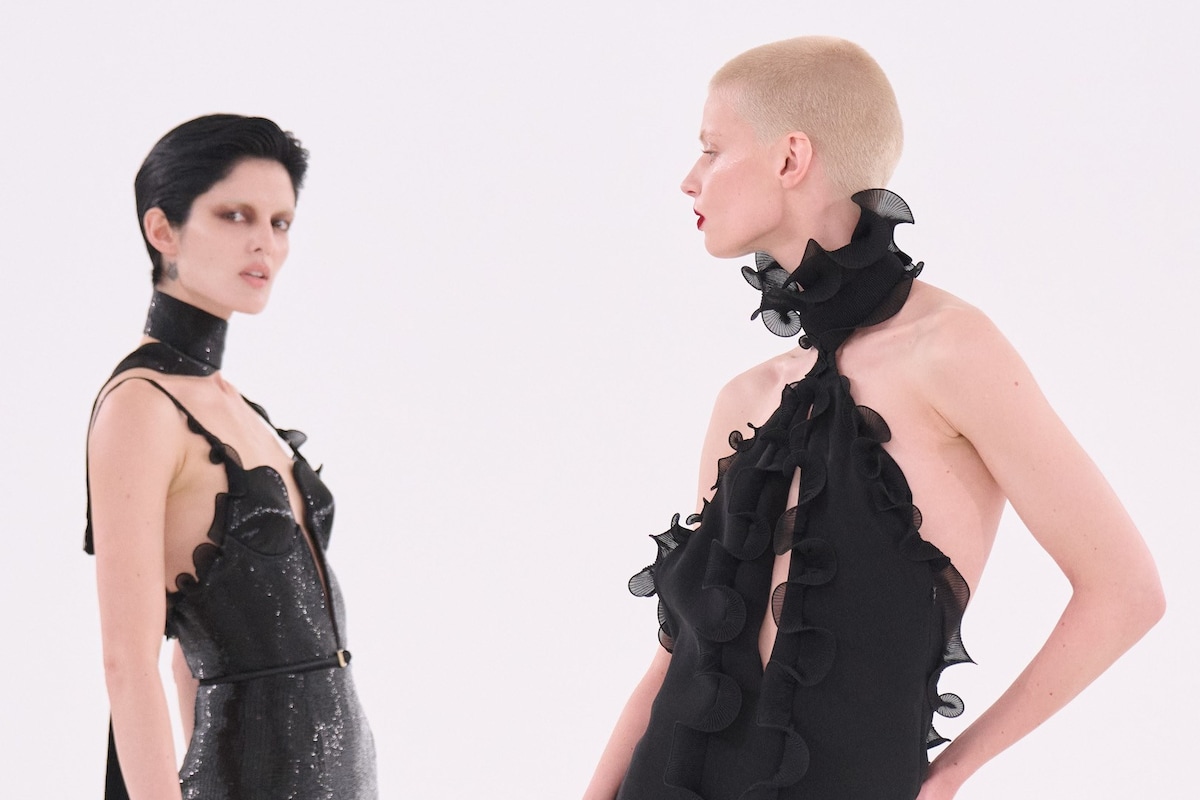
Jonathan Anderson's miniature Tuileries chair invitation for his Dior debut signals a shift toward democratic, accessible design rather than exclusive luxury symbolism.
#fashion-design
Fashion & style
fromAnOther
1 month agoJonathan Anderson Is Ready to Remake Dior in His Own Image
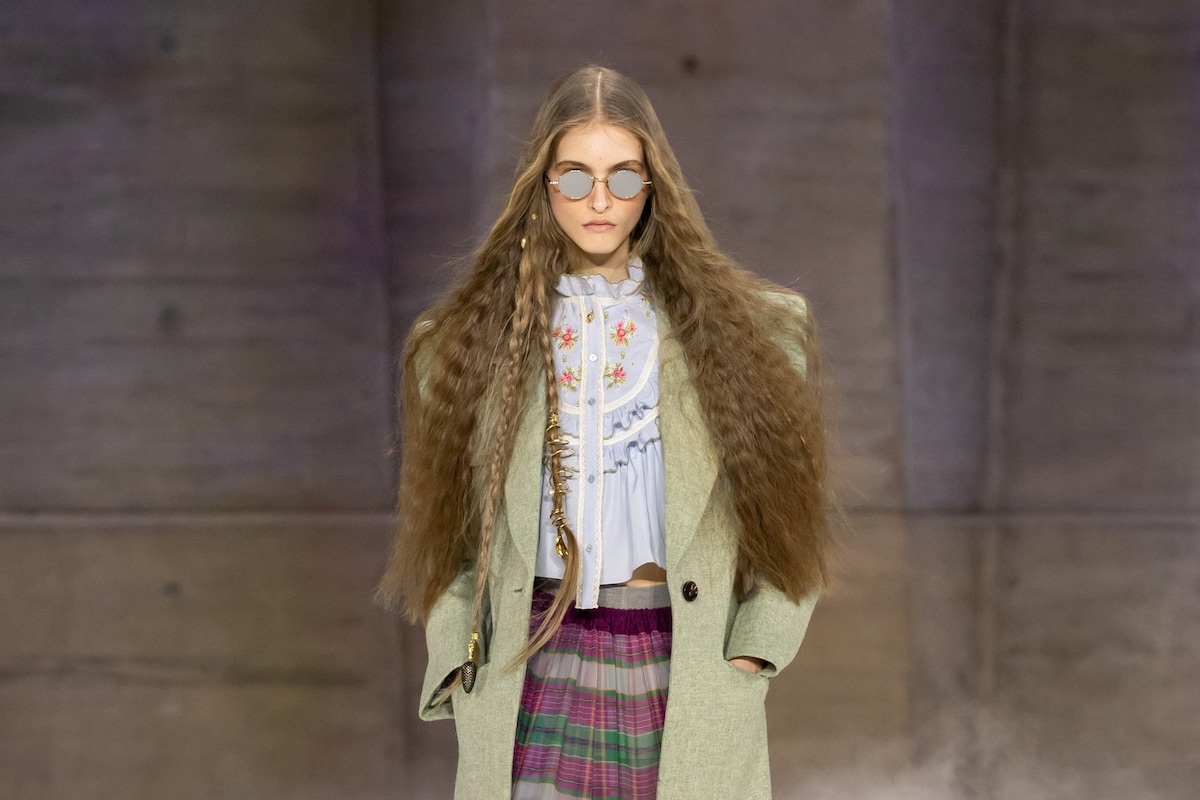
Jonathan Anderson's Dior Autumn/Winter 2026 show opens the brand to wider audiences through an accessible, park-inspired venue and universally recognizable artistic references rather than exclusive archival gestures.
Fashion & style
fromwww.theguardian.com
1 month agoDior turns up springtime-in-Paris for Anderson's second womenswear show
Jonathan Anderson's second Dior womenswear show celebrates Parisian joy and artistic inspiration, moving away from his introspective debut with vibrant, sophisticated designs featuring flowing silhouettes and playful details.
Fashion & style
fromwww.anothermag.com
1 month agoChemena Kamali Shows Us What Chloe Was, Is, And What It Could Be
Chemena Kamali's Chloe Autumn/Winter 2026 collection reinterprets the house's folkloric heritage through instinct-driven design, featuring Tyrolean knits and bohemian elements while establishing meaningful contemporary identity.
Fashion & style
fromAnOther
1 month agoMichael Rider Rejects the Idea of a Concept at Celine
Michael Rider's Celine collection prioritizes intuition and personal style over conceptual narratives, featuring layered complexity beneath refined garments without adhering to traditional fashion storytelling.
Fashion & style
fromAnOther
1 month agoA Perverted Haider Ackermann Show, of Distinct Tom Ford Kinks
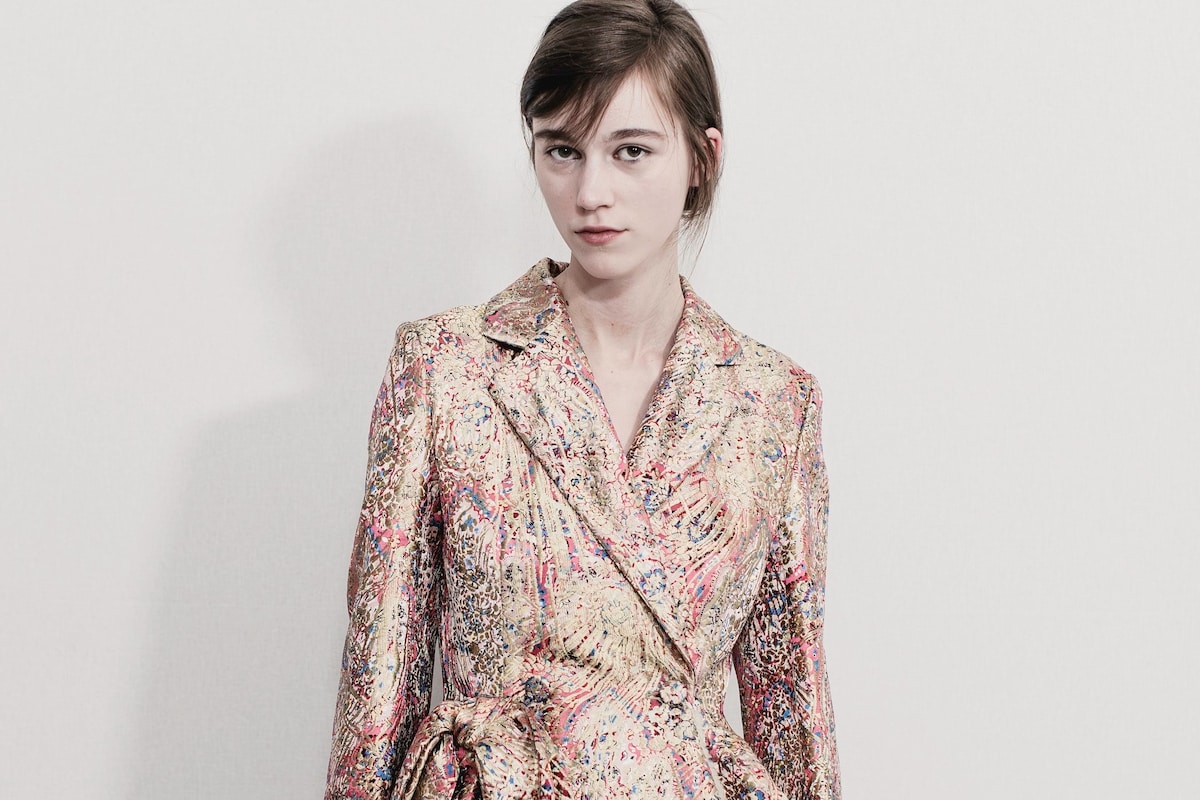
Haider Ackermann's Tom Ford Autumn/Winter 2026 collection explores obsession and desire through surgical tailoring in clinical white, with rich color accents highlighting Ford's overlooked mastery of materials and precision cutting.
Fashion & style
fromwww.theguardian.com
1 month agoDior turns up springtime-in-Paris for Anderson's second womenswear show
Jonathan Anderson's second Dior womenswear show celebrates Parisian joy and artistic inspiration, moving away from his introspective debut with vibrant, sophisticated designs featuring flowing silhouettes and playful details.
Arts
fromArtnet News
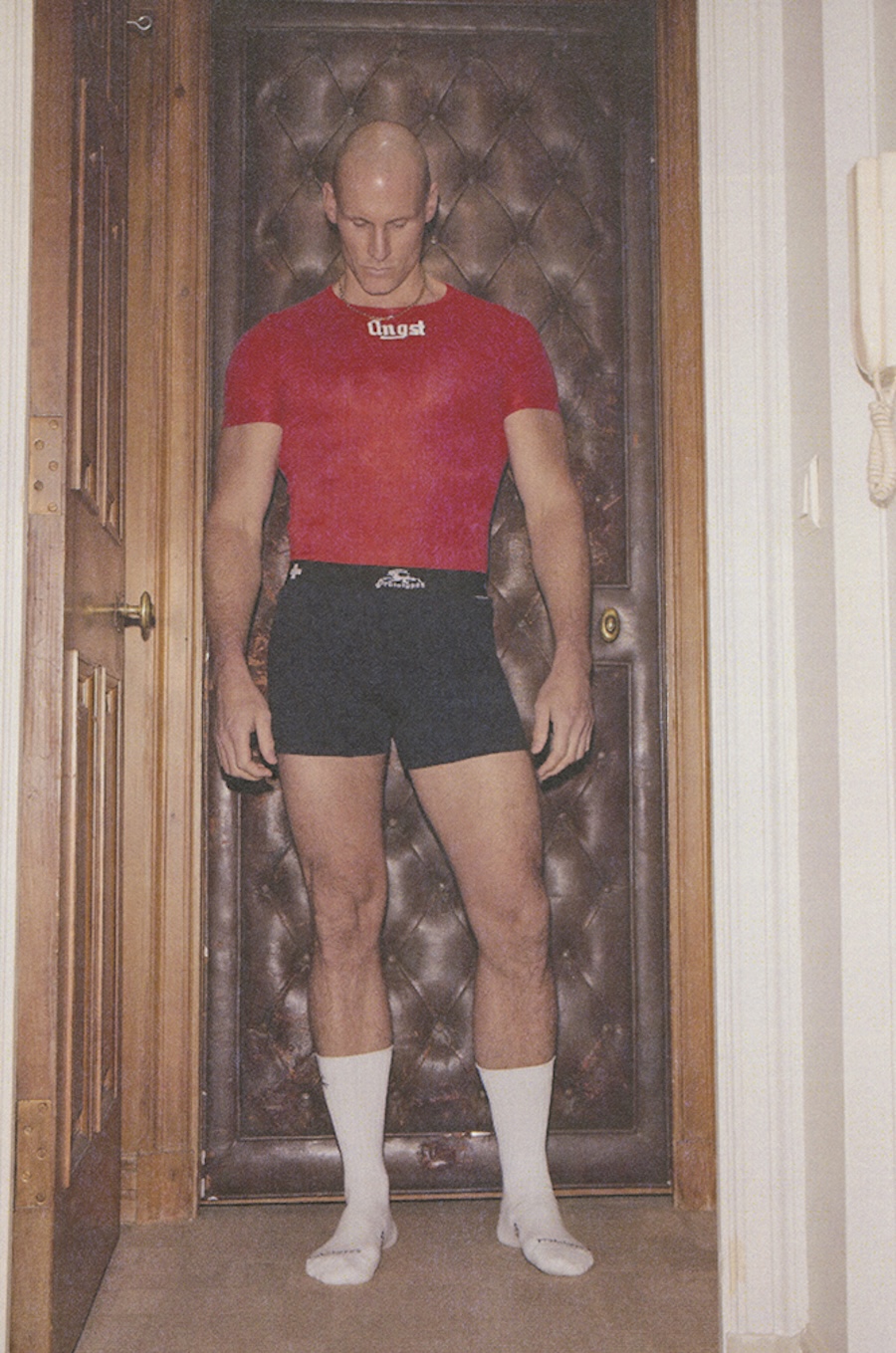
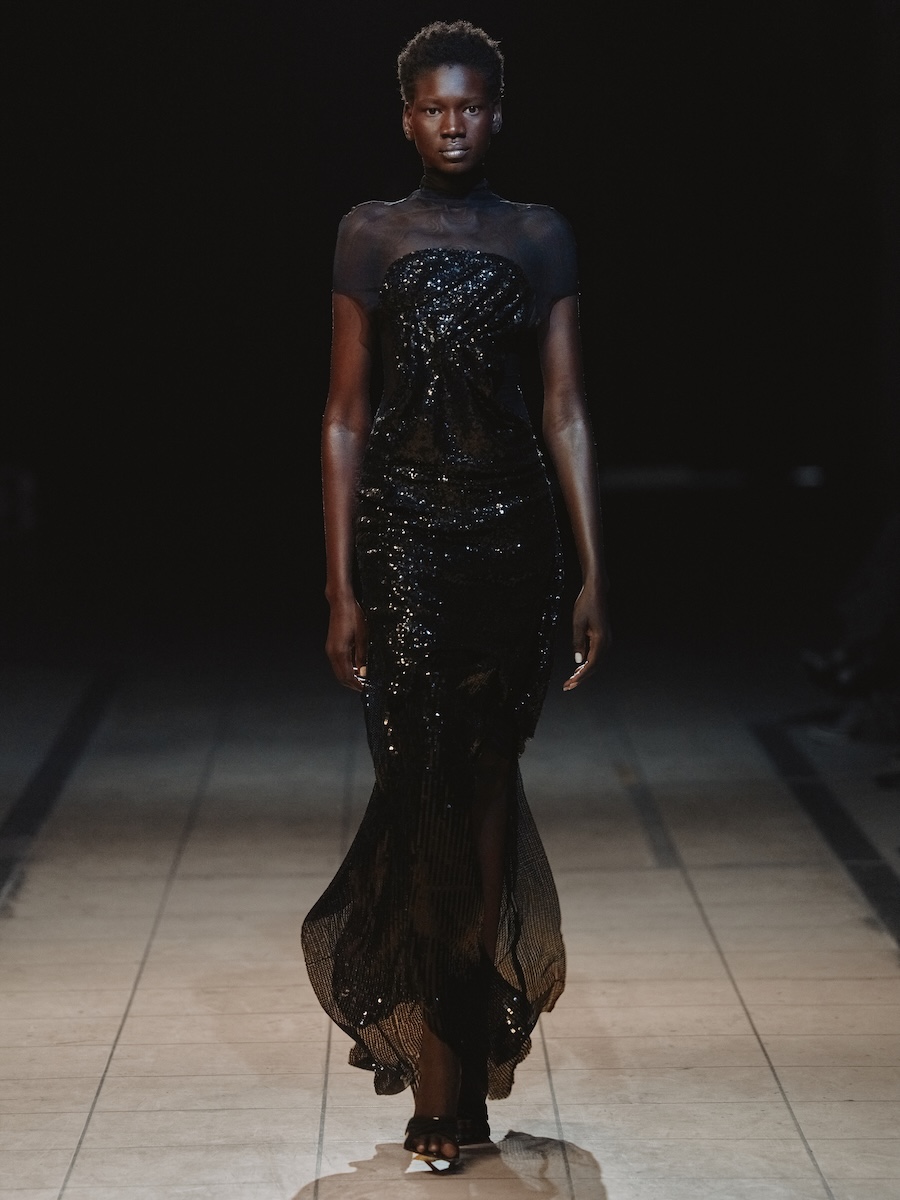
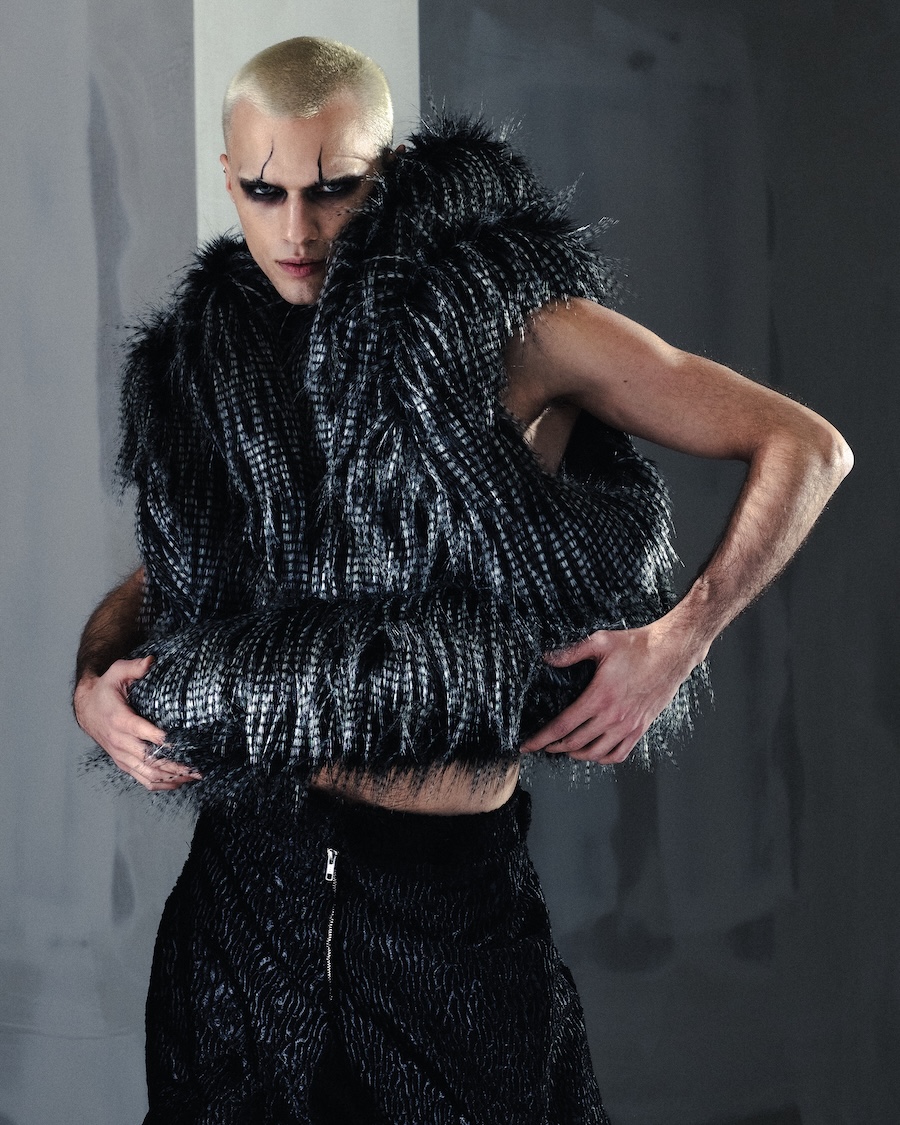
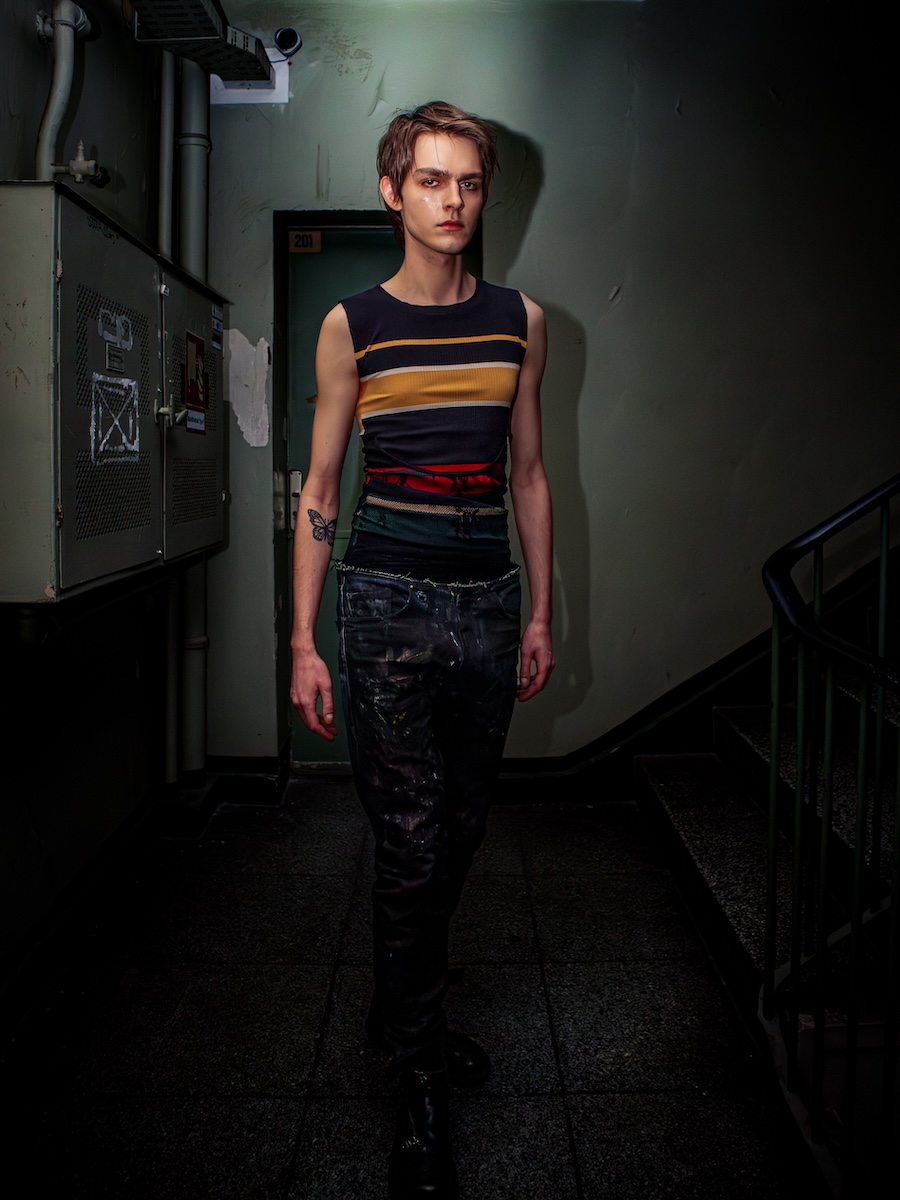
2 months agoAt His Dior Couture Debut, Jonathan Anderson Sent Art Down the Runway | Artnet News
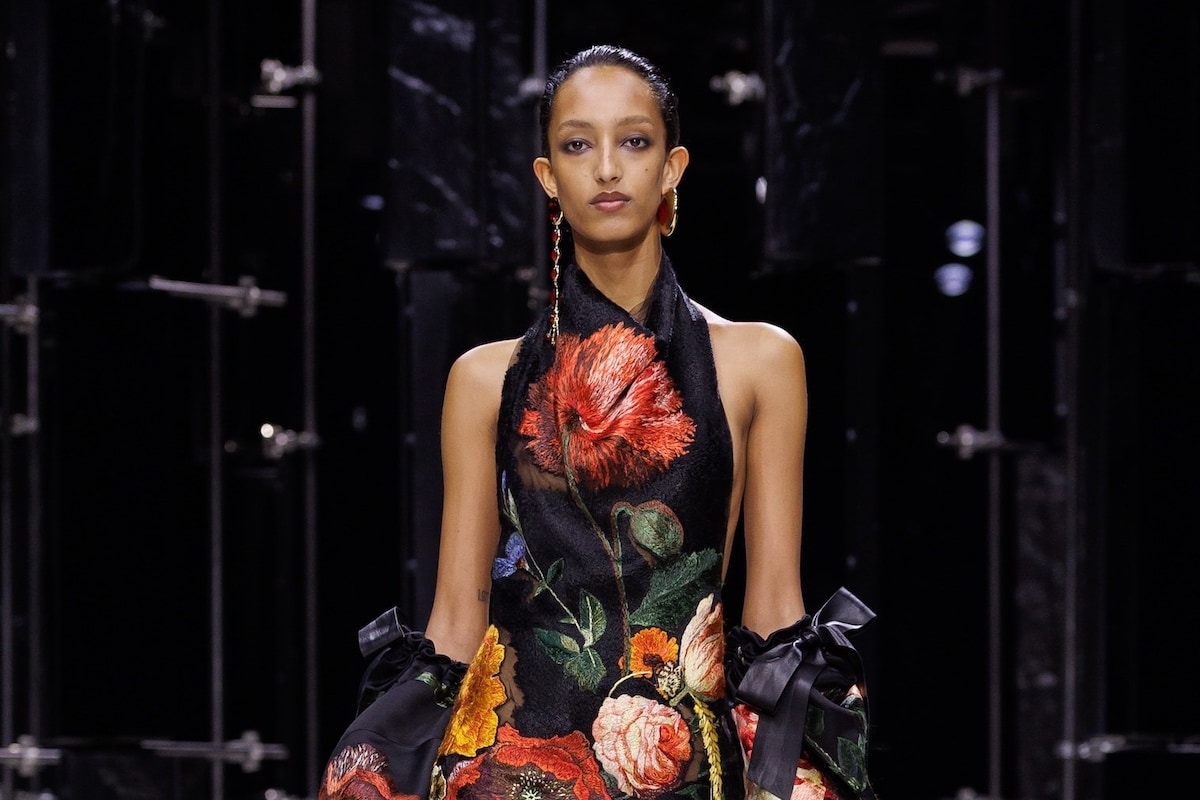
Jonathan Anderson's Dior haute couture debut transformed floral codes into an edgy, art-infused couture laboratory blending sculptural references, historic silhouettes, and inventive jewelry.
fromAnOther
1 month agoMeet the Architects Behind Another Man x adidas Originals' PFW Men's Party
Beneath a dome that once watched over the French Communist Party's debates in the 1970s, a large self-illuminating dinner table is prepared. Its oval shape stands in the middle of a room noisy with conversation and Object Blue's elegant, beat-driven dinner soundtrack. Guests like Gabbriette, Cruz Beckham, Paloma Elsesser, Damson Idris, ASAP Nast and Pusha T gather under a DayGlo hanging light box. The setting looks, not at all accidentally, like Kubrick's vision of a war room in Dr. Strangelove. And it is a party.
Design
Fashion & style
fromdesignboom | architecture & design magazine
1 month agoserpentine runway of moss and moonlight stages Hermes FW26 show in paris
Hermès stages an immersive landscape runway for Fall/Winter 2026 where a winding path through moss and vegetation, illuminated by strategic lighting, transforms the fashion presentation into a dreamlike journey through shifting light and shadow.
fromwww.kaltblut-magazine.com
1 month agoMadita
As an interdisciplinary artist, Madita defies simple categorisation, moving fluidly between the worlds of fine art, fashion, and performative expression. In this photo editorial, Madita proves that the artist and the artwork are often the same.
Fashion & style
fromAnOther
1 month agoAntonin Tron's Balmain Debut Had a Healthy Dose of Stylistic Geekdom
The dress, conversely, is 80 years old, and it isn't his. It's by Pierre Balmain - Tron shows me a René Gruau illustration of the look where, with a platter hat, white fox stole and opera-length gloves, the look is borne back ceaselessly into the past. It's an illustration in a book titled The New French Style, of Balmain outfits with an essay by Alice B Toklas, the partner of Gertrude Stein.
Fashion & style
fromAnOther
1 month agoAt Alaia, Pieter Mulier Bows Out With Masterful Elegance
An approach to fabric, to the body, to craft and to women. Not in that order. Pieter Mulier, a softly-spoken, warm-eyed Belgian, has led Alaïa for just shy of five years. This season, it was his time to say goodbye.
Fashion & style
Fashion & style
fromwww.theguardian.com
1 month agoYSL lights up Paris fashion week show with return of Le Smoking suit
Yves Saint Laurent's iconic Le Smoking suit returned to Paris Fashion Week 60 years after its 1966 debut, reimagined by current designer Anthony Vaccarello with a 1980s Wall Street aesthetic and maximalist styling.
fromAnOther
1 month agoMugler's Miguel Castro Freitas: "I Don't Want to Fall Into Reverence"
I'm obsessed with clichés. Because for me they are the equivalent of universal recognisable codes. It was important to call it that as a way of assuming the word. It's about tapping into cliché.
Fashion & style
fromAnOther
1 month agoChanel's Matthieu Blazy: "I Was Never Not Interested in Fashion"
People have a lot of ideas of what Chanel is, or rather what it should be. One word that doesn't come up much, though, is rebellious - yet that's exactly what Chanel the woman was and what Chanel the house remains. Rather than rebellion, 'paradox' was the word used by Matthieu Blazy, Chanel's artistic director of fashion collections, backstage after his debut show for the maison in October.
Fashion & style
Fashion & style
fromElite Traveler
2 months agoHow Blazy & Anderson Turned Paris Haute Couture SS26 Into a Fantasy-Filled Dreamscape
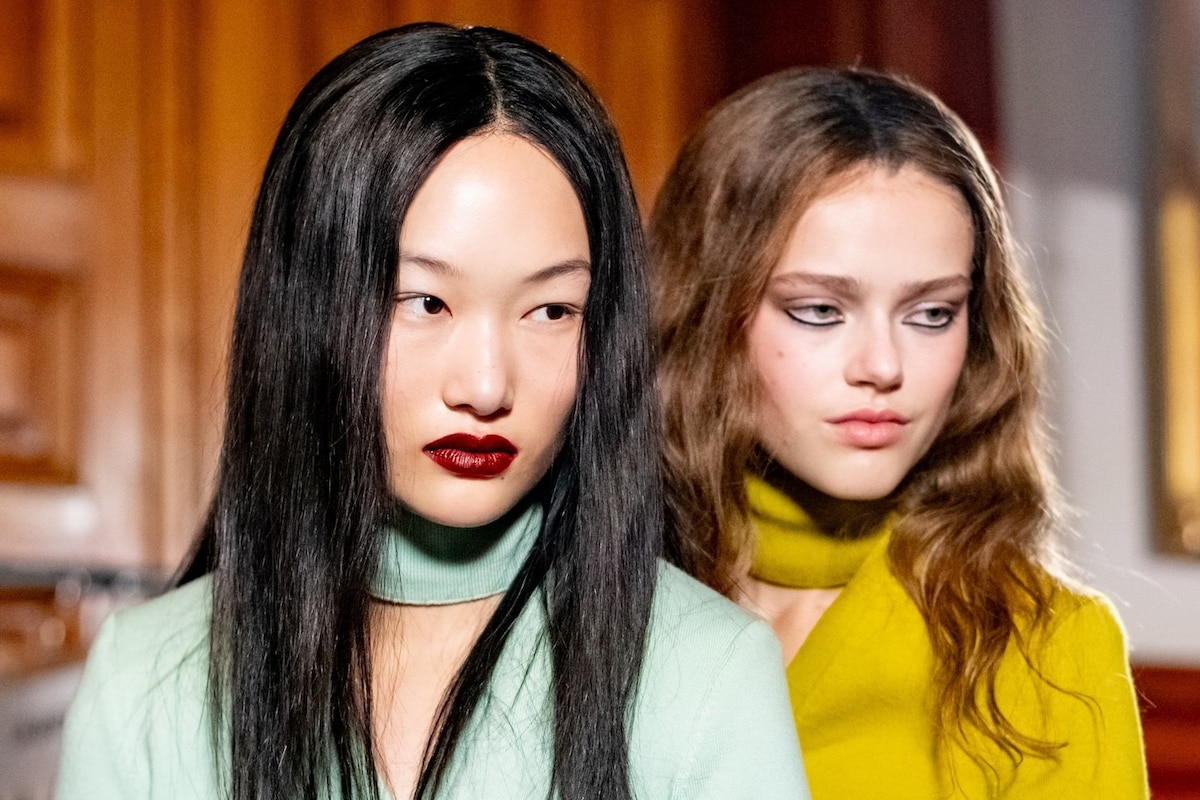
Couture merges time-honored handcraft and elite artisanal skill with experimental innovation, offering designers intensive technical collaboration and exceptionally detailed, high-cost bespoke work.

Fashion & style
fromAnOther
1 month ago"Community and Conversation": Maria Grazia Chiuri's Fendi Debut
Maria Grazia Chiuri returns to Fendi as chief creative officer, debuting her Autumn/Winter 2026 collection titled 'Less I, More Us,' emphasizing collective creativity and family values that defined her earlier decade at the house.

fromKALTBLUT Magazine
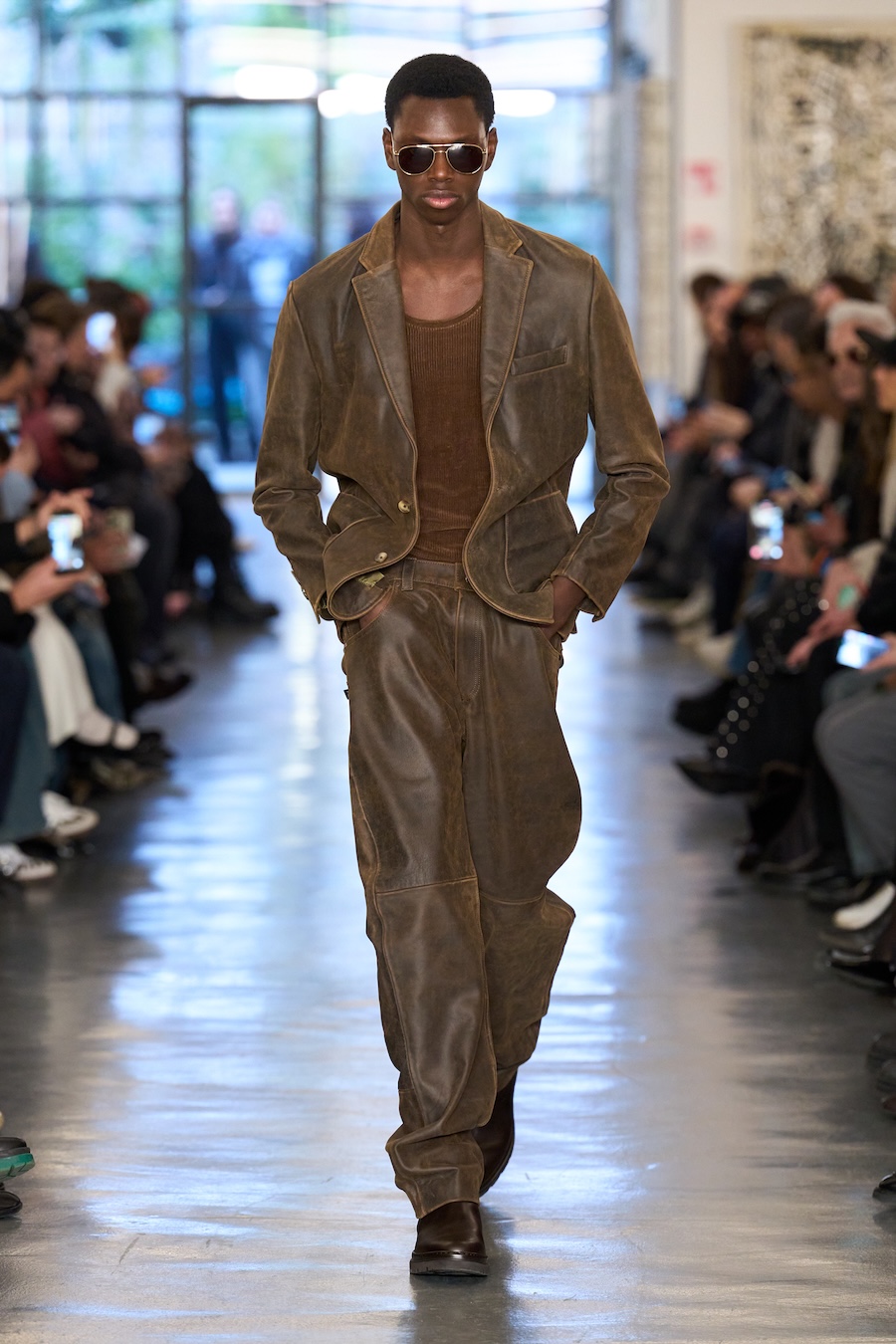
2 months agoLouis Gabriel Nouchi Fall/Winter 2026 - Alien - KALTBLUT Magazine
The show unfolded in a half-lit, slightly feral underground car park in Paris, very "crew lost in space, hope fading." Models slipped out of the shadows in razor-sharp tailoring stretched to uncanny proportions: elongated tuxedo jackets, narrow silhouettes, sleeves that seemed to keep going forever. Pleating pulled toward the bellybutton (yes, that bellybutton) nodded discreetly to the film's most infamous body horror moment, while sheer cupro tops and floor-length dresses clung like membranes, soft, translucent, unsettling.
Fashion & style
Fashion & style
fromKALTBLUT Magazine
2 months agoOBS Fall/Winter 2026 - ...auf uns ist Verlass! - KALTBLUT Magazine
OBS's Fall/Winter 2026 collection integrated Augsburg's secluded, craft-focused ethos into a rotating circular set, blending workshop, mountain, and living environments to redefine functional uniformity.
fromwww.theguardian.com
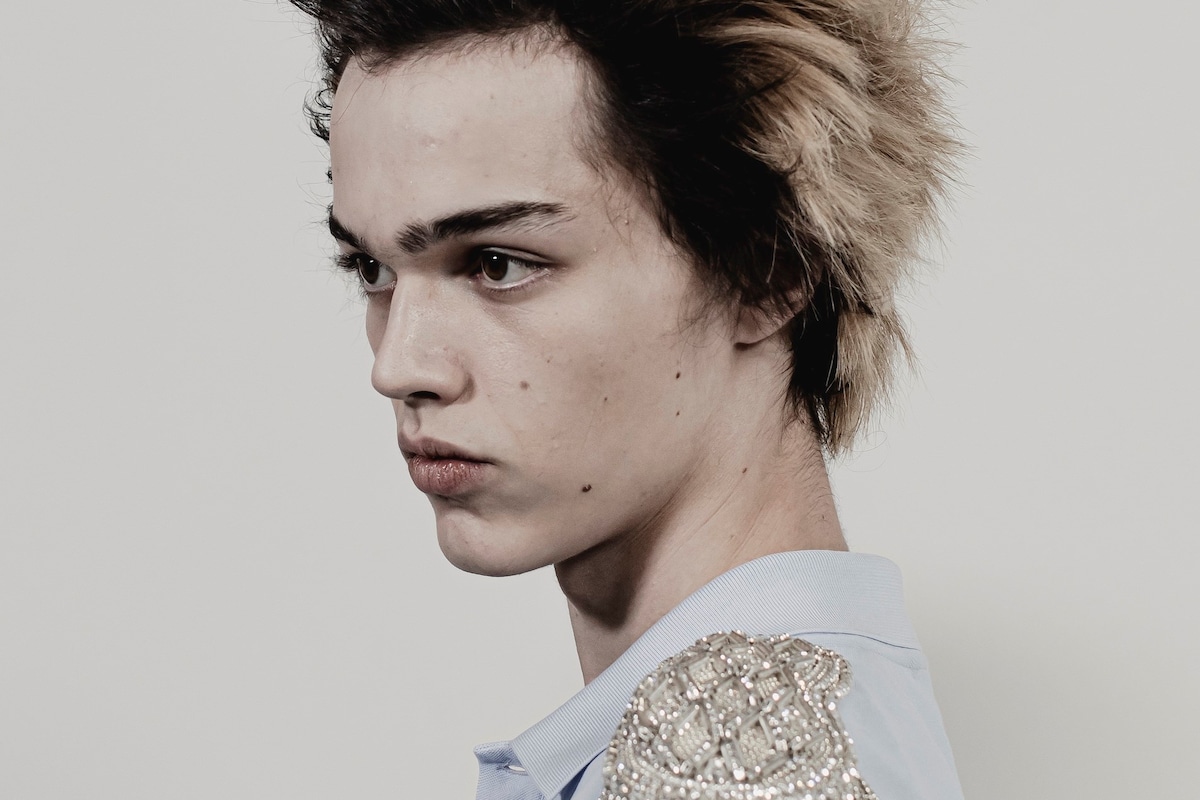
2 months agoA new aristocracy': Jonathan Anderson muses on eccentricity at Dior menswear show
Speaking backstage before the show, Anderson, dressed in his signature faded Levi's jeans and a navy cashmere sweater, described the collection as another character study, explaining that this time he set out to explore the idea of a new aristocracy, questioning what it means today and what can it be? The-41-year old designer said when it came to the social hierarchy he wanted to ignore the aspect of money and instead home in on their eccentricity.
Fashion & style


fromKALTBLUT Magazine
2 months agoBLAUER S/S26: Adventure and Connection Captured by Bruce Weber - KALTBLUT Magazine
Fusco expresses her excitement, stating, "The Blauer family continues its journey, with wonderful images by the masterful Bruce Weber! This time, we chose the legendary Hamptons, where countless stories intertwine to create an intense and authentic narrative that only Weber can capture." Weber's work is anchored in a profound reflection from his book "All-American." He elucidates that "exploration leads me to the hidden lives of others," encapsulating a quest for genuine connection in our fragmented world.
Fashion & style
Fashion & style
fromKALTBLUT Magazine
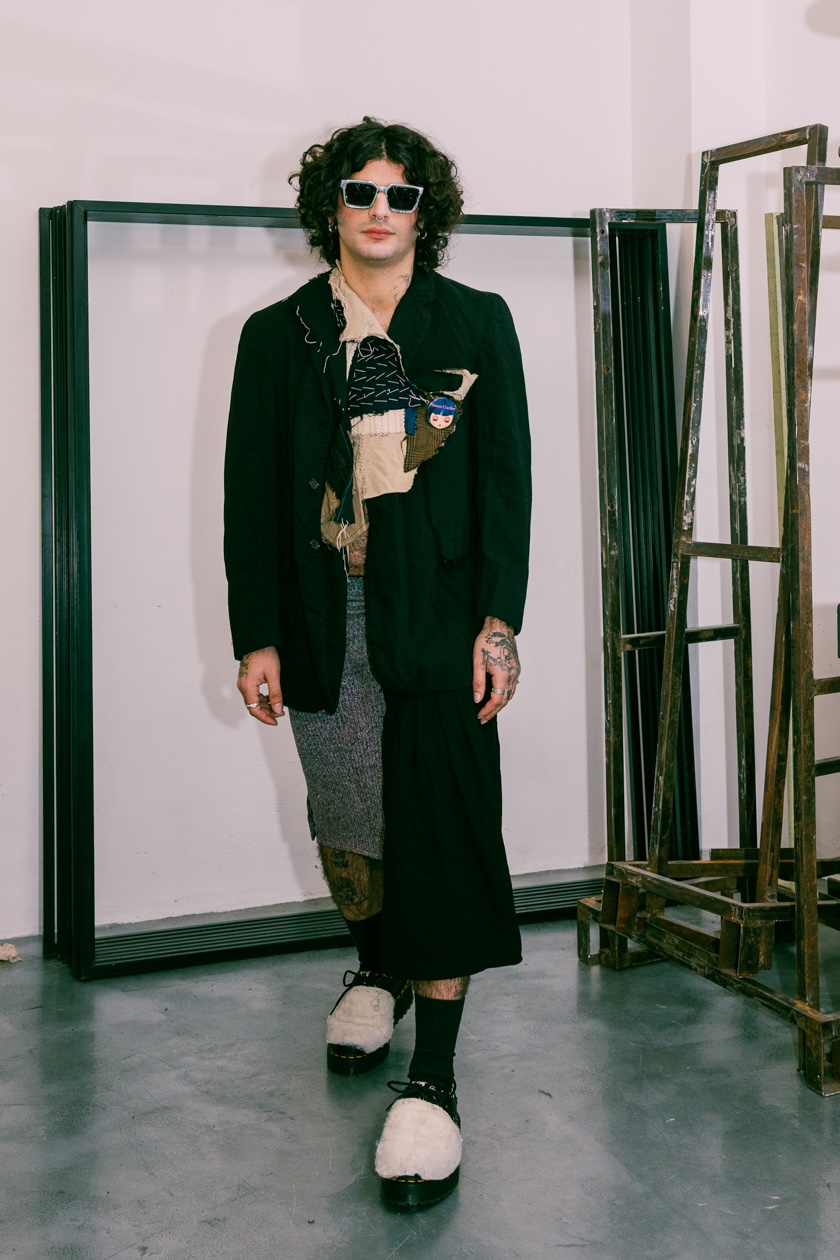
1 month agoClara Colette Miramon Fall/Winter 2026 - Vanity - KALTBLUT Magazine
Clara Colette Miramon’s ‘Vanity’ reimagines early‑2000s lingerie with denim corsets, strategic cut-outs, playful silhouettes, and rituals of dressing that balance softness and seduction.

Fashion & style
fromKALTBLUT Magazine
2 months agoDiscovering Premiata's Fall/Winter 2026 Collection at Pitti Uomo 109 - KALTBLUT Magazine
Premiata's FW26 collection blends innovative research, material-led expression, archival references, and technical performance into cohesive, Italian-crafted footwear across multiple model lines.
fromwww.kaltblut-magazine.com
2 months agoBackstage at Buzigahill Fall/Winter 2026 RETURN TO SENDER 12
Captured beautifully by Shin Jeong Hoon, this collection is a poignant homage to the rich tapestry of East African heritage. When millennial East Africans revisit vintage photographs of their grandparents, joyously dancing on polished parquet floors or posing with vintage Citroens and Beetles against a backdrop of brilliantly blooming bougainvillaea, one can't help but feel a wave of nostalgia. Something is captivating about that wooden floor, their natural hair,
Fashion & style
fromKALTBLUT Magazine
2 months agoMAQU LAB Fall/Winter 2026 - La Dama del Cacao - KALTBLUT Magazine
On the first day of Berlin Fashion Week, Maqu unveiled its Fall/Winter 2026 collection, La Dama del Cacao, a masterful exploration of contemporary Peruvian minimalism. This capsule collection is a testament to material innovation, embodying a thoughtful design philosophy that marries textile memory and regenerative principles. Crafted from luxurious alpaca yarns, organic cotton, and pioneering biomaterials, each piece is a result of meticulous hand-knitting techniques and artisanal machinery.
Fashion & style
fromwww.kaltblut-magazine.com
2 months agoBackstage at Kaisa Kucharska Fall/Winter 2026
This collection captivated audiences with its rich narrative, reflecting the dichotomy of overwhelming love intertwined with frustration and inner turmoil. Kucharska's latest offering approaches the multifaceted journey of motherhood, encapsulating a complex emotional landscape that balances strength and vulnerability. The pressure to endure coexists with a fierce longing for protection and safety, creating a powerful tension that resonates across her designs.
Fashion & style
fromAnOther
2 months agoComme des Garcons Homme Plus Finds Beauty After the Black Hole
"Love me, please love me." It's not a refrain you anticipate hearing at a Comme des Garçons show, Rei Kawakubo perhaps being one of the most unloveable designers working in fashion right now. Kawakubo is adored, but as a self-declared and much-demonstrated punk, she makes no overtures or compromises to engender universal affection with her clothes. They're difficult, obstinate, unreasonable in their undeniable genius. Kawakubo doesn't need to be loved.
fromwww.kaltblut-magazine.com
1 month agoAphrodie
It captures seven different femininities during an all-day pool party, enjoying themselves while revealing their distinctive styles. Creative Direction, Production & Styling by Maria Gkin. Photography by Eliza Poultidou. The models are Vanessa Otilia, Cyka, Alvina Chamberland and Angelica Komninak. The concept examines the thin line between what is seen as acceptable and what has been labelled ugly or immoral, explored through each woman's personal story. Textures, colours, makeup and styling come together, breaking down stereotypes and highlighting fashion as a means of freedom
Fashion & style
fromwww.kaltblut-magazine.com
1 month agoBackstage at Keburia Fall/Winter 2026
KEBURIA, the womenswear and accessories label meticulously designed and handcrafted in Tbilisi, Georgia, proudly unveiled its Fall-Winter 2026-2027 collection at London Fashion Week FW26. Founded in 2015 by self-taught designer George Keburia, the label showcases a fun-loving spirit and has transformed over the years into a vibrant exploration of modern femininity, characterised by a playful attitude towards exaggerated shapes, colours, and styles.
Fashion & style
[ Load more ]