#monetary-policy-committee
#monetary-policy-committee
[ follow ]
#inflation #interest-rates #federal-reserve #monetary-policy #bank-of-england #energy-prices #labor-market
#stablecoins
Cryptocurrency
fromnews.bitcoin.com
4 hours agoAmerican Bankers Association Warns White House Is Underestimating Stablecoin Yield Risks to Lending and Deposit Stability
Yield-bearing stablecoins threaten traditional banking by increasing deposit outflows and raising concerns over lending capacity and financial stability.

UK politics
fromLondon Business News | Londonlovesbusiness.com
3 days agoBailey warns Iran conflict may trigger 2008-style financial crisis - London Business News | Londonlovesbusiness.com
The Iran conflict may trigger financial instability comparable to the 2008 crisis, exposing vulnerabilities in the $3 trillion private credit sector.


Business intelligence
fromLondon Business News | Londonlovesbusiness.com
3 days agoOECD warns global growth at risk unless countries embrace structural reform - London Business News | Londonlovesbusiness.com
Global economic growth is pressured by uncertainties and structural challenges, requiring comprehensive reforms to enhance productivity and competitiveness.
Europe news
fromLondon Business News | Londonlovesbusiness.com
6 days agoGlobal inflation stable but energy and food pressures build - London Business News | Londonlovesbusiness.com
Year-on-year inflation across the OECD remained steady at 3.4% in February 2026, with varying trends among member countries.

fromFortune
5 days agoU.S. had a national debt 'home run' in its grasp, says Jamie Dimon-the government did nothing with it, and now its best option is crisis management | Fortune
"The best way to deal with the problem is to actually deal with the problem, to acknowledge it, to work on it," Dimon stated, emphasizing the urgency of addressing the national debt.
US politics
#federal-reserve-leadership
SF politics
fromFortune
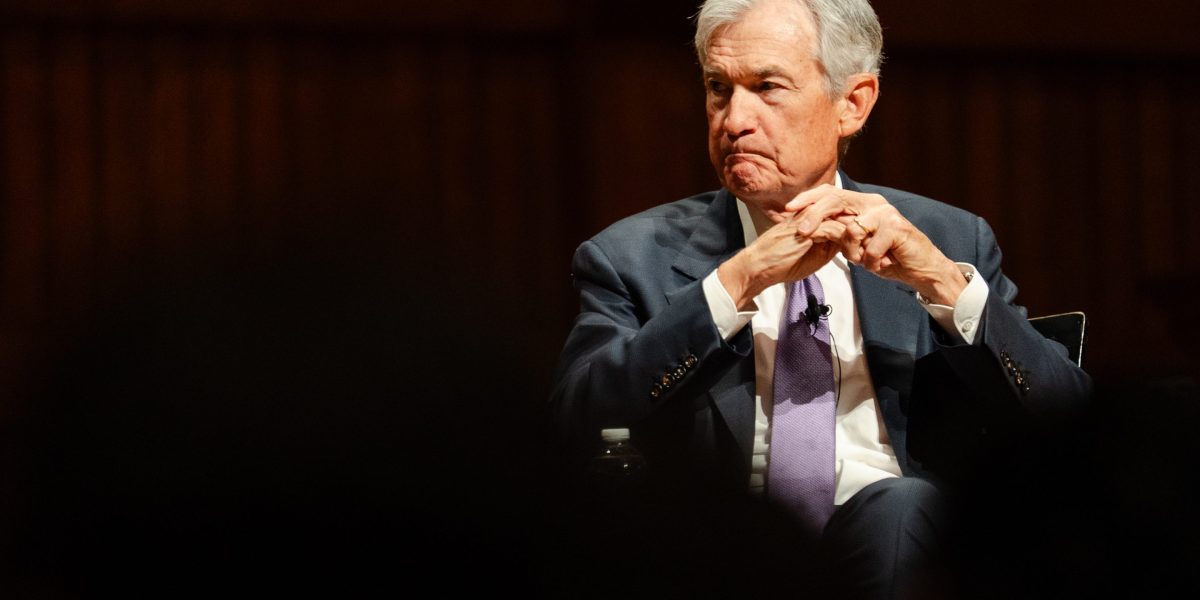
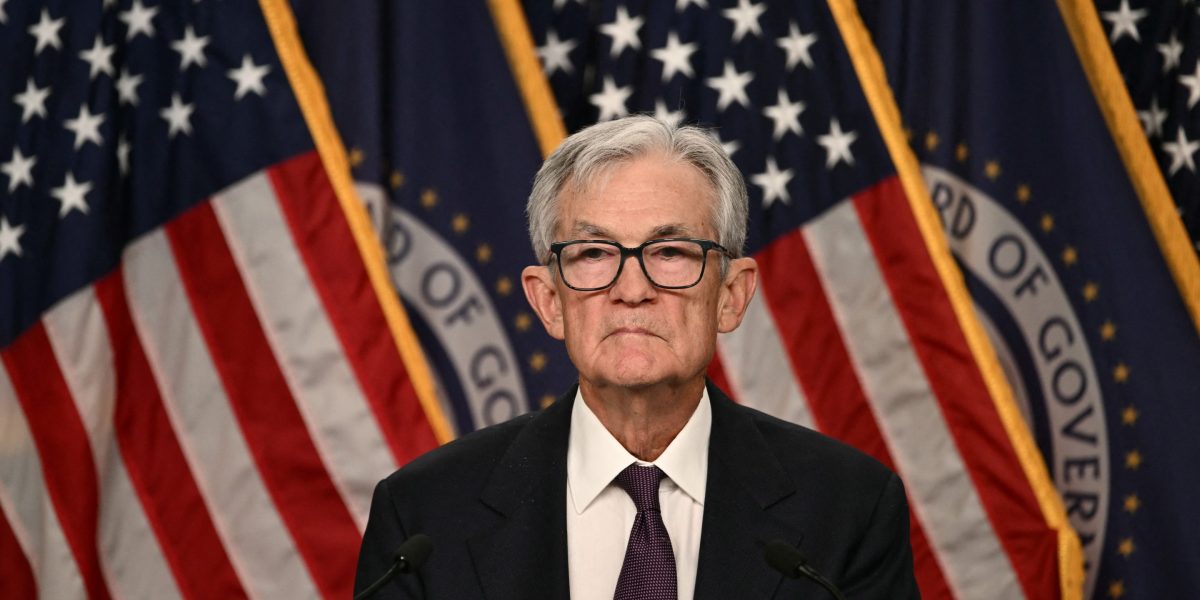
3 weeks agoTrump started a battle with Jerome Powell, but the Fed chairman is winning the war: He won't leave until probe is 'well and truly over' | Fortune
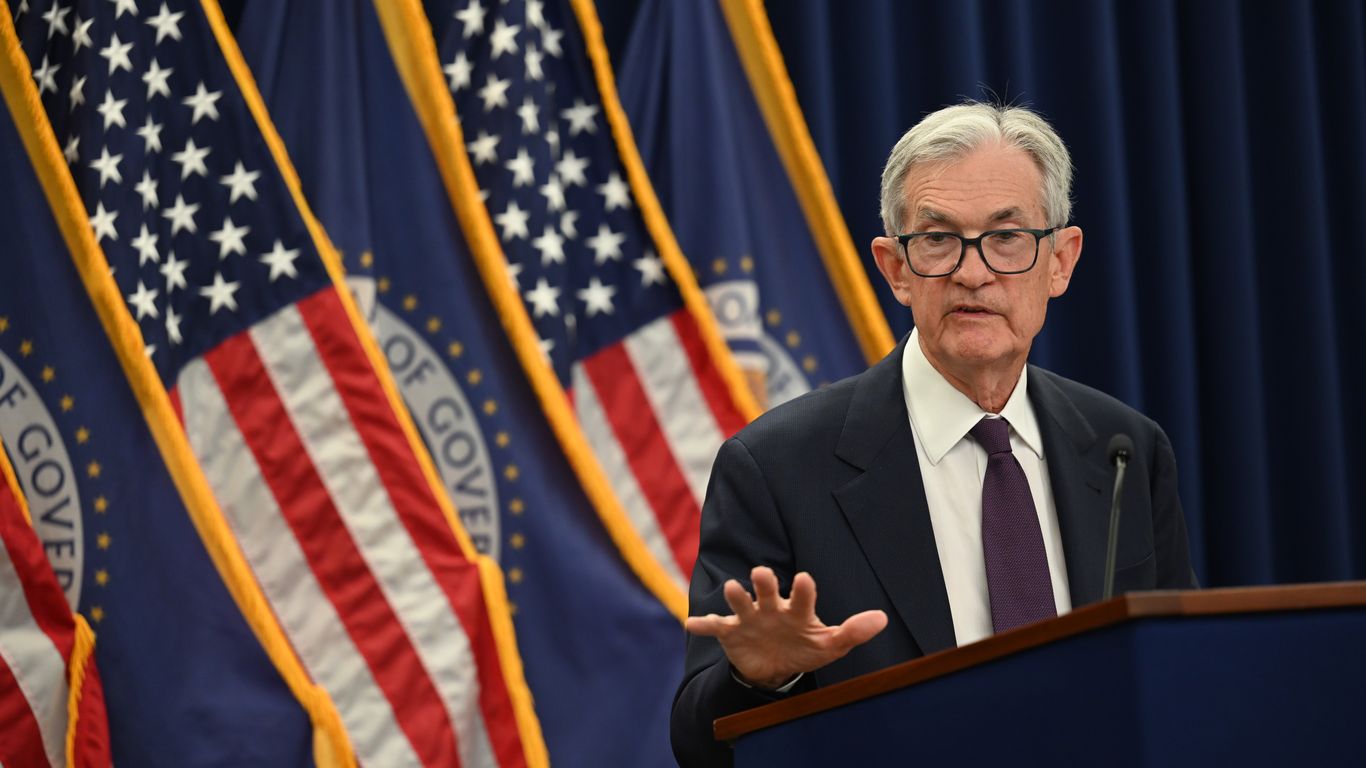
A DOJ investigation into Jerome Powell may paradoxically extend his Federal Reserve tenure beyond Trump's expectations, as Powell refuses to leave until the matter concludes and Senate Banking Committee blocks successor confirmations.
US Elections
fromAxios
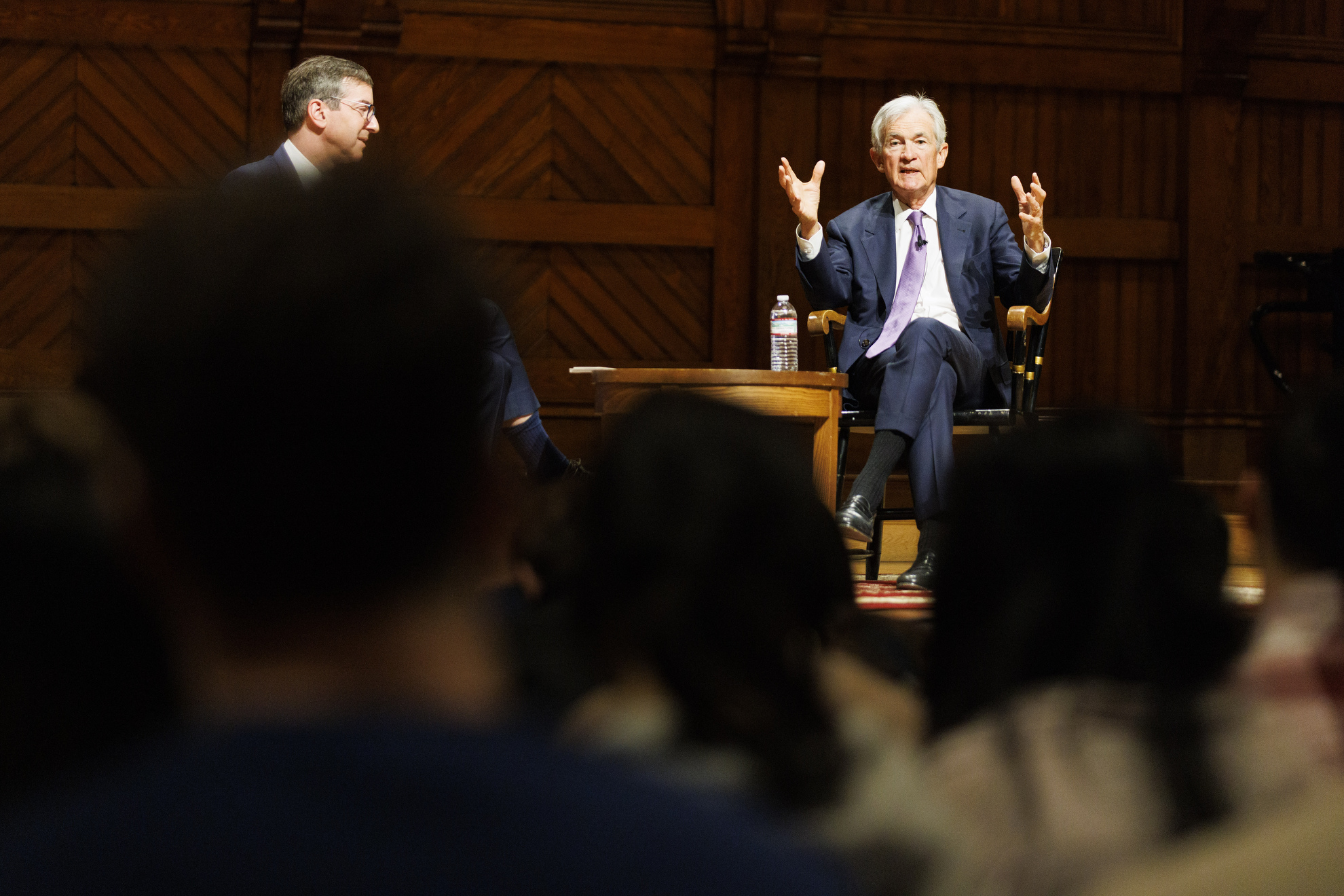
3 weeks agoFed keeps rates on hold, Powell says he will remain in place until successor confirmed
Powell commits to remaining at the Federal Reserve through a criminal investigation into his leadership, blocking his successor's confirmation and resisting Trump administration pressure to lower interest rates.
fromwww.aljazeera.com
4 days agoIMF warns of looming inflation crisis on back of US-Israel war on Iran
The conflict has driven up the price of oil and natural gas; damaged oil refineries, tanker terminals and other energy infrastructure; disrupted shipments of fertiliser that the world's farmers depend on; and damaged the confidence of businesses and consumers.
World news
#federal-reserve-policy
World politics
fromFortune
4 weeks agoThis week is Jerome Powell's penultimate meeting as chairman of the Fed-don't expect him to drop Wall Street many hints | Fortune
Jerome Powell's final Federal Reserve meetings will likely maintain interest rates unchanged due to geopolitical tensions, rising oil prices, and inflation concerns before Kevin Warsh assumes the chairmanship in May.
#dollar-stability
World news
fromLondon Business News | Londonlovesbusiness.com
6 days agoDollar holds firm amid ongoing geopolitical uncertainty - London Business News | Londonlovesbusiness.com
The dollar remains stable amid geopolitical tensions, with demand as a safe-haven asset and rising Treasury yields supporting its value.
World news
fromLondon Business News | Londonlovesbusiness.com
6 days agoDollar holds firm amid ongoing geopolitical uncertainty - London Business News | Londonlovesbusiness.com
The dollar remains stable amid geopolitical tensions, with demand as a safe-haven asset and rising Treasury yields supporting its value.
fromwww.aljazeera.com
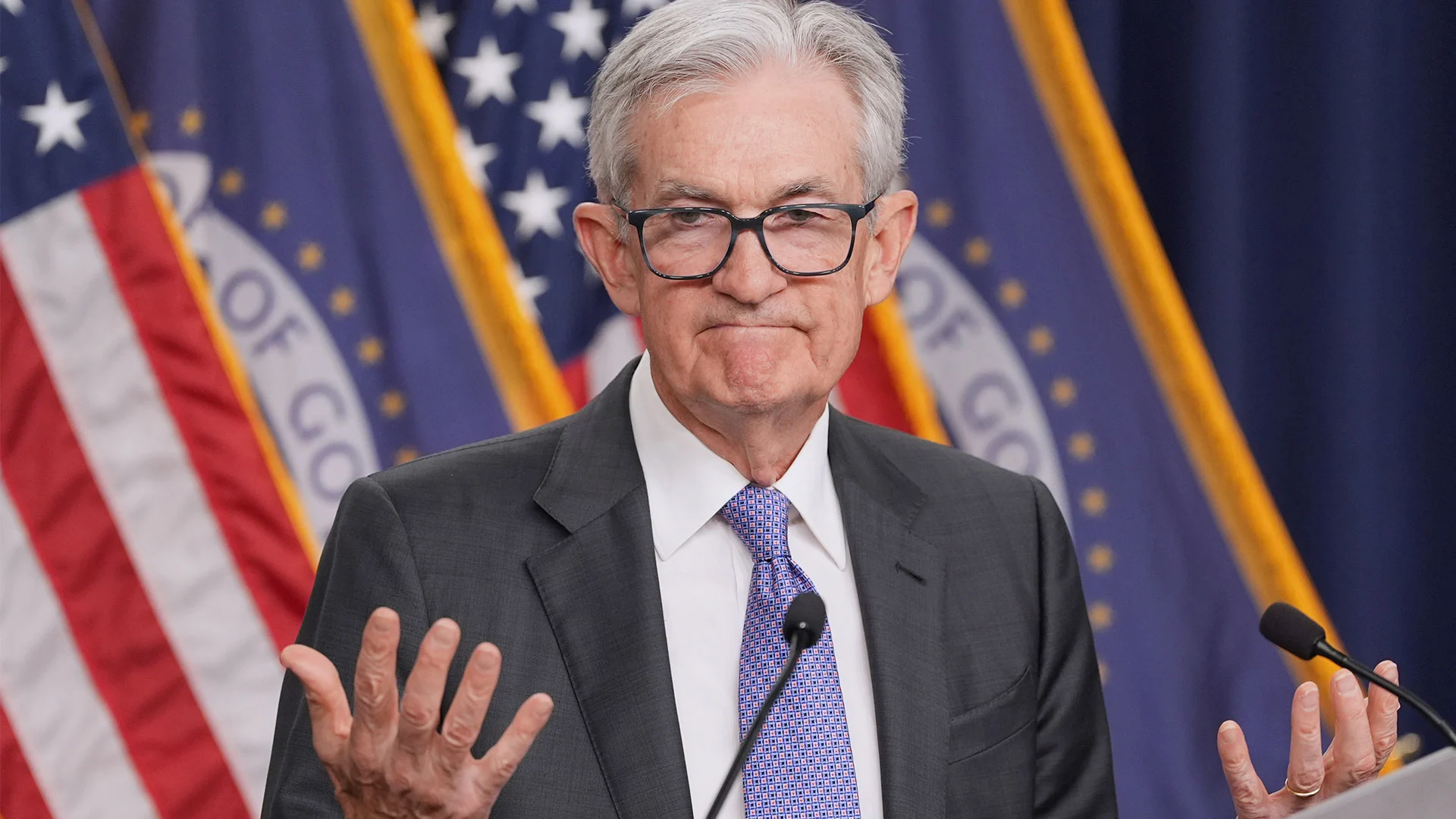
3 weeks agoUS Fed keeps interest rates steady amid economic, geopolitical uncertainty
The Committee seeks to achieve maximum employment and inflation at the rate of 2 percent over the longer run. Uncertainty about the economic outlook remains elevated. The implications of developments in the Middle East for the US economy are uncertain, the central bank said in a statement announcing its policy decision and referring to its Federal Open Market Committee.
US politics
fromLondon Business News | Londonlovesbusiness.com
3 weeks agoEurozone inflation edges up as ECB prepares for key rate decision - London Business News | Londonlovesbusiness.com
Services experienced the highest annual increase at 3.4%, followed by food, alcohol, and tobacco at 2.5%. Non-energy industrial goods saw a more modest increase of 0.7%. Meanwhile, energy prices fell by 3.1% over the month, which helped to temper overall inflation pressures.
Europe news
UK news
fromLondon Business News | Londonlovesbusiness.com
3 weeks agoBank of England holds base rate amid Middle East war - London Business News | Londonlovesbusiness.com
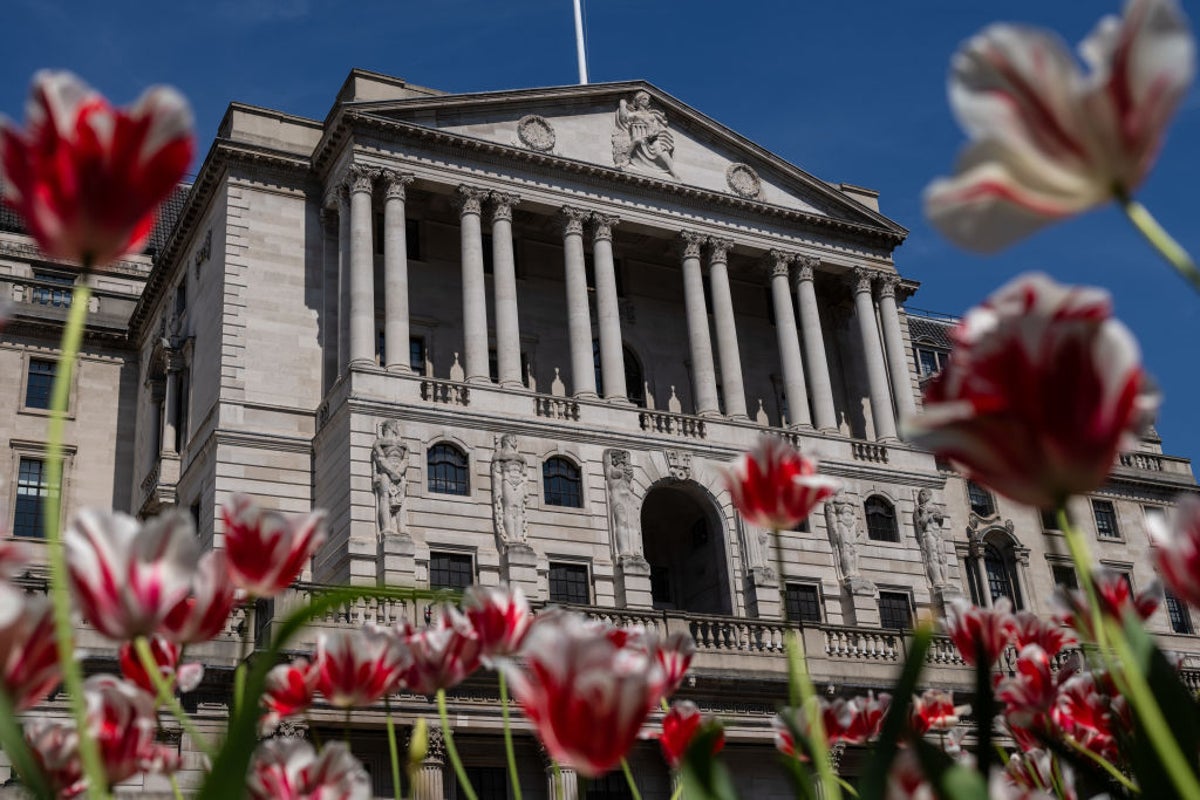
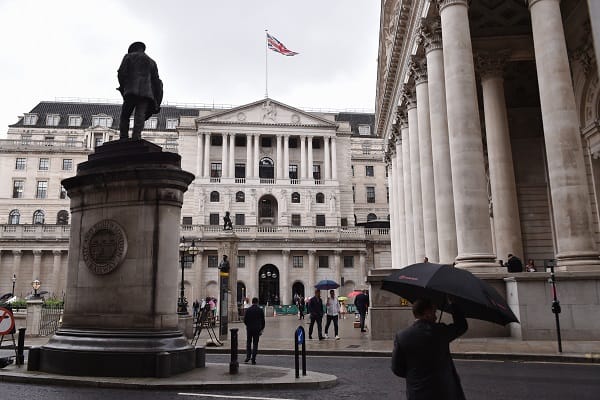
The Bank of England held the base interest rate at 3.75% due to Middle East conflict uncertainty and rising energy prices threatening inflation expectations.
fromLondon Business News | Londonlovesbusiness.com
4 weeks agoECB decision and high oil prices fuel caution - London Business News | Londonlovesbusiness.com
Markets remain fragile amid persistent geopolitical tensions in the Middle East, which have pushed oil prices higher and revived concerns about inflation in Europe. While interest rates are expected to remain unchanged, attention could turn to the ECB's forward guidance and assessment of energy-driven price risks.
Europe news
#bank-of-england
.jpeg?width=1200&height=800&crop=1200:800)
UK news
fromLondon Business News | Londonlovesbusiness.com
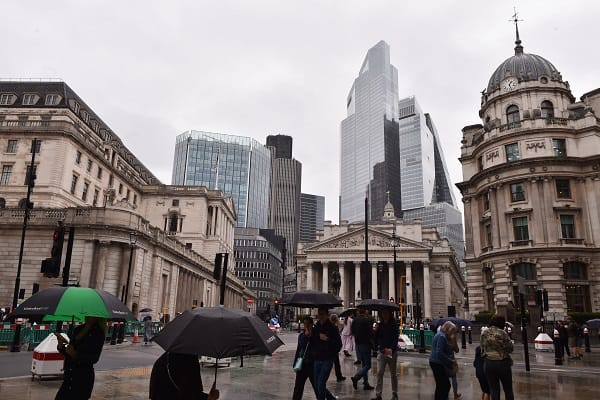
1 month agoBank of England pressed to 'cut interest rates and prioritise growth' - London Business News | Londonlovesbusiness.com
High interest rates are suppressing investment, spending and growth; the Bank of England must cut rates now or risk economic stagnation and job losses.
Business
fromwww.housingwire.com
3 weeks agoFed holds rates, officials signal wait and see on inflation risks
Oil price resolution timing in the Strait of Hormuz will determine whether inflation stays elevated, delaying Fed rate cuts, or eases, allowing Treasury yields and mortgage rates to decline toward early-year levels.
World politics
fromLondon Business News | Londonlovesbusiness.com
1 month agoThe Euro Could Head Closer to Unity with the Dollar - London Business News | Londonlovesbusiness.com
EUR/USD declines toward parity as energy crisis concerns and rising eurozone inflation pressure the euro while US Treasury yields support dollar strength.
UK news
fromLondon Business News | Londonlovesbusiness.com
3 weeks agoPound remains steady ahead of Bank of England decision - London Business News | Londonlovesbusiness.com
The British pound remained stable against major currencies as traders awaited the Bank of England's interest rate decision, with central banks expected to maintain current rates.
UK news
fromLondon Business News | Londonlovesbusiness.com
1 month agoExpectations for UK interest rate cuts shift dramatically - London Business News | Londonlovesbusiness.com
Geopolitical tensions are pushing markets toward higher interest rates and oil prices, benefiting energy and defence sectors while shifting investment away from growth stocks.
fromThe Drum
2 months agoWhat happens when our common currency becomes uncommon?
This is not new news, of course, but many in the industry seem to be finally waking up to the hard truth that data-driven media buying, as we know it today, is severely under threat and has to change. Cookies power everything we do, from humble frequency capping through to complex multi-touch attribution models, ad personalisation and audience segmentation. They underpin most of the gains we've made in performance advertising, as well as brand advertising, over the past decade.
fromLondon Business News | Londonlovesbusiness.com
2 months agoECB keeps rates on hold despite below-target inflation - London Business News | Londonlovesbusiness.com
The European Central Bank (ECB) held its key interest rates unchanged following the February meeting of the Governing Council, in line with Cebr projections. This marks the fifth consecutive hold, despite a below-target inflation reading of 1.7% in January, the lowest level since 2021. The decision to hold rates also comes despite a recent Euro rally against the dollar, which is expected to add disinflationary pressure through cheaper imports and weigh on growth by making the bloc's exports more expensive.
Miscellaneous
fromwww.theguardian.com
1 month agoUK interest rate cuts unlikely this year amid Iran war and a rise could be ahead
Before the Iran war began, a rate cut at the Bank's next meeting on 19 March had been an 80% chance, but policymakers are now expected to wait to see how the conflict develops with a 99% probability of a hold at the meeting and no rate cuts for the rest of 2026, markets indicate.
UK news
Miscellaneous
fromLondon Business News | Londonlovesbusiness.com
2 months agoUncertainty creeps in about the Fed's future - London Business News | Londonlovesbusiness.com
Markets steady as FTSE ends flat, gold and oil retreat from highs while US stocks face Fed chair uncertainty and AI spending concerns.
fromBusiness Matters
1 month agoBank of England rate cuts at risk in 2026 as Middle East conflict sparks inflation fears
With 2-year gilt yields hitting December highs due to a 40 per cent surge in UK gas prices and oil nearing $80, the Bank of England faces a significant inflationary shock. High-street banks are no longer competing on price but are instead protecting margins against rising swap rates.
UK news
US politics
fromwww.mediaite.com
2 months agoCentral Bankers Across the World Unite in Full Solidarity' Behind Fed Chair Powell
Major central bank leaders jointly affirmed Fed independence and expressed full support for Chair Jay Powell amid a DOJ criminal investigation into Fed headquarters renovations.
fromLondon Business News | Londonlovesbusiness.com
2 months agoDollar struggle and monetary policy shape the next phase - London Business News | Londonlovesbusiness.com
The resilience of gold above $4,800 per ounce at this stage reflects a delicate and complex balance between traditional supporting factors and emerging pressures-one that cannot be superficially interpreted or reduced to the movement of the dollar alone. It is true that the U.S. dollar's retreat from its recent peaks, after failing to sustain its recovery momentum from a four-year low, provided gold with a short-term breather and attracted some buyers.
Business
[ Load more ]