#moonshine
#moonshine
[ follow ]
#bourbon #craft-spirits #cocktails #tennessee-whiskey #buffalo-trace #whiskey #whisky #american-whiskey

Beer
fromFood & Beverage Magazine
3 days agoBroken Antler Flavored Whiskey Brings a New Attitude to Sugarlands' Expanding House of Brands - Food & Beverage Magazine
Sugarlands Distilling Company launched Broken Antler Flavored Whiskey to diversify its brand and appeal to modern whiskey drinkers with unique flavors.
Madrid food
fromwww.theguardian.com
4 weeks agoThere's more to Mexican spirits than tequila
Mexican agave spirits including tequila, mezcal, sotol, and raicilla have expanded dramatically in UK availability and quality, with tequila becoming the fastest-growing spirit and forecast to grow 10% annually until 2030.
fromBusiness Insider
1 month agoWe quit our jobs at 26, moved, and opened a whiskey distillery. I don't expect our kids to take it over.
After getting engaged in 2013, we started kicking around a wild idea: What if we moved back and revived the prohibition-era distillery his family had owned three generations back? The family business had been passed down for decades until it closed in 1919 due to prohibition. In particular, we had on our hearts Andy's dad, who died of cancer in 2010, but had always said, 'Don't move home unless you have a real good reason to.' This felt like it just might be that real good reason.
Startup companies
fromFood & Beverage Magazine
2 weeks agoSugarlands Distilling Has Built a House of Brands Rooted in Family, Craft and Community - Food & Beverage Magazine
"When we started Sugarlands, we didn't set out to build a big company. The idea was simple. Make great spirits, create a welcoming and memorable experience for guests at our Gatlinburg Distillery."
Wine
Beer
fromTasting Table
4 weeks agoIf You See A Bottle Of Craft Bourbon, Here's Why You Should Grab It While You Can - Tasting Table
Craft bourbon's limited production and extended barrel-aging requirements create supply shortages as demand surges, making availability increasingly difficult despite the bourbon boom.
fromTasting Table
1 month ago8 Up-And-Coming Distilleries Bourbon Fans Should Know About - Tasting Table
Along with the challenges of operating any new business, making good bourbon takes time and expert craftsmanship. It's for this reason that many new "distilleries" aren't distilleries at all (non-distilling producers, blenders, rectifiers). Instead, they source bourbon and then sell it as their own. That's not inherently a bad thing, as some expertly blend whiskey or add extra maturation to create a genuinely impressive bourbon, but there is a clear difference.
Miscellaneous
fromConsequence
1 month agoEvan Mascagni & Joe Keith Bickett on the Myth, Injustice, and Legacy of The Cornbread Mafia: Podcast
If you were getting pot in the late '70s or early '80s in this part of the country, there's a good chance it may have been coming from these guys. You've got these guys who served decades in prison for marijuana, and now they're getting out into a world where it's legal everywhere.
Independent films
#celebrity-endorsements
Cocktails
fromTasting Table
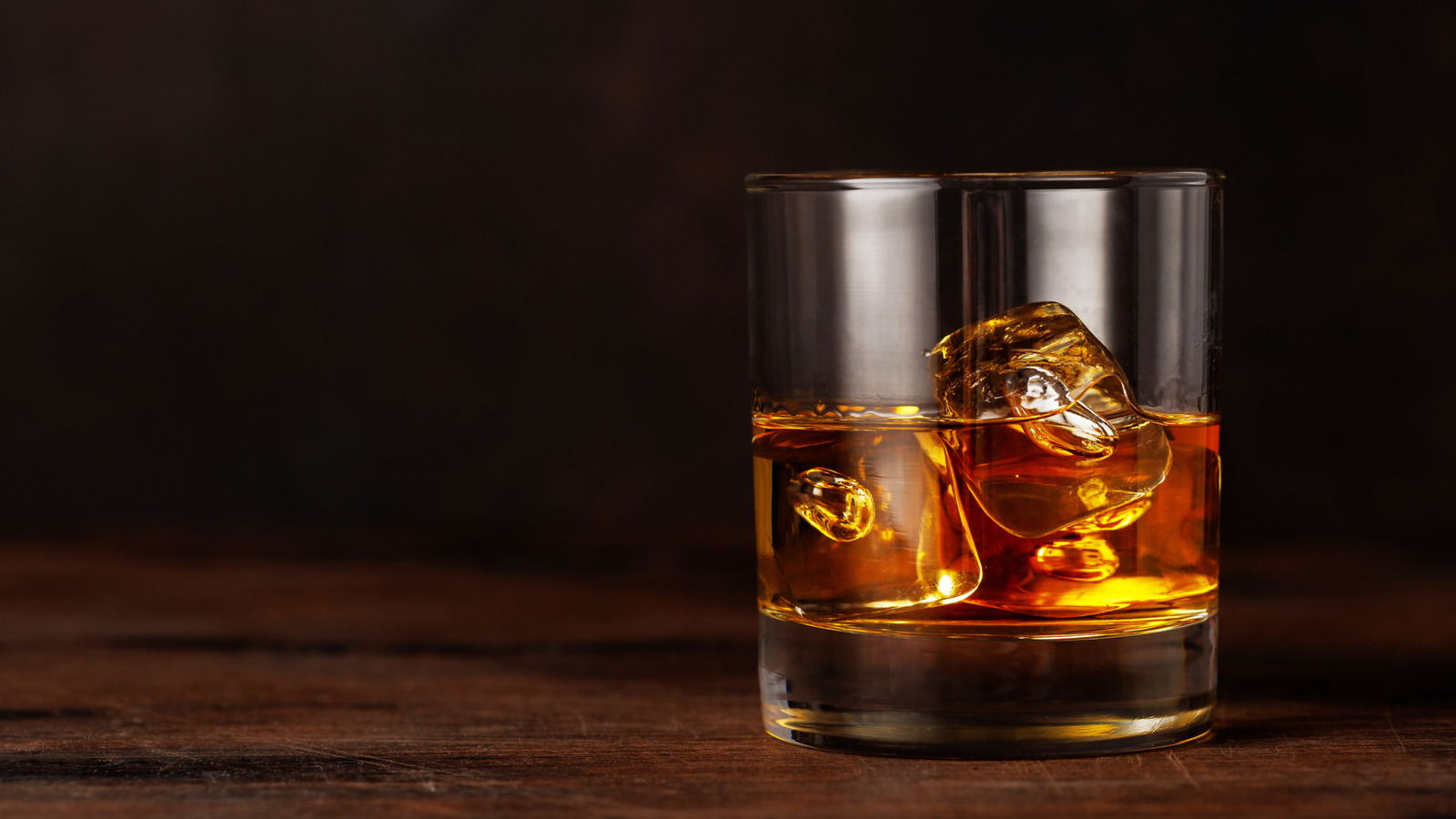
1 month agoWhat Makes A Celebrity Liquor Worth Buying, According To A Master Mixologist - Tasting Table
Celebrity liquor quality varies widely, with success depending on genuine distiller partnerships rather than marketing alone, as consumers quickly identify inferior products.
Cocktails
fromTasting Table
1 month agoWhat Makes A Celebrity Liquor Worth Buying, According To A Master Mixologist - Tasting Table
Celebrity liquor quality varies widely, with success depending on genuine distiller partnerships rather than marketing alone, as consumers quickly identify inferior products.
Cocktails
fromTasting Table
1 month agoThe Worst Type Of Rum On The Market, According To An Expert - Tasting Table
Rum encompasses diverse styles from agricole to aged varieties; heavily sweetened spiced rums with artificial flavoring lack complexity and should be avoided in favor of traditionally aged or blended options.
fromTasting Table
1 month ago9 Craft Distilleries In The US You Should Visit - Tasting Table
The U.S. spirits landscape has evolved far beyond the recognition of simply being the birthplace of bourbon. In recent years, we've seen a transformation in both the quality and individuality that the country's craft distilleries have been able to produce. While previous decades were dominated by the big-name distilleries, far more awards are going to craft distillers who have mastered the art of producing high-quality whiskeys, rums, gins, and more.
Food & drink
Cocktails
fromTasting Table
1 month agoNeither Glencairn Nor Tumbler: The Glass That Brings Out The Best In American Whiskey - Tasting Table
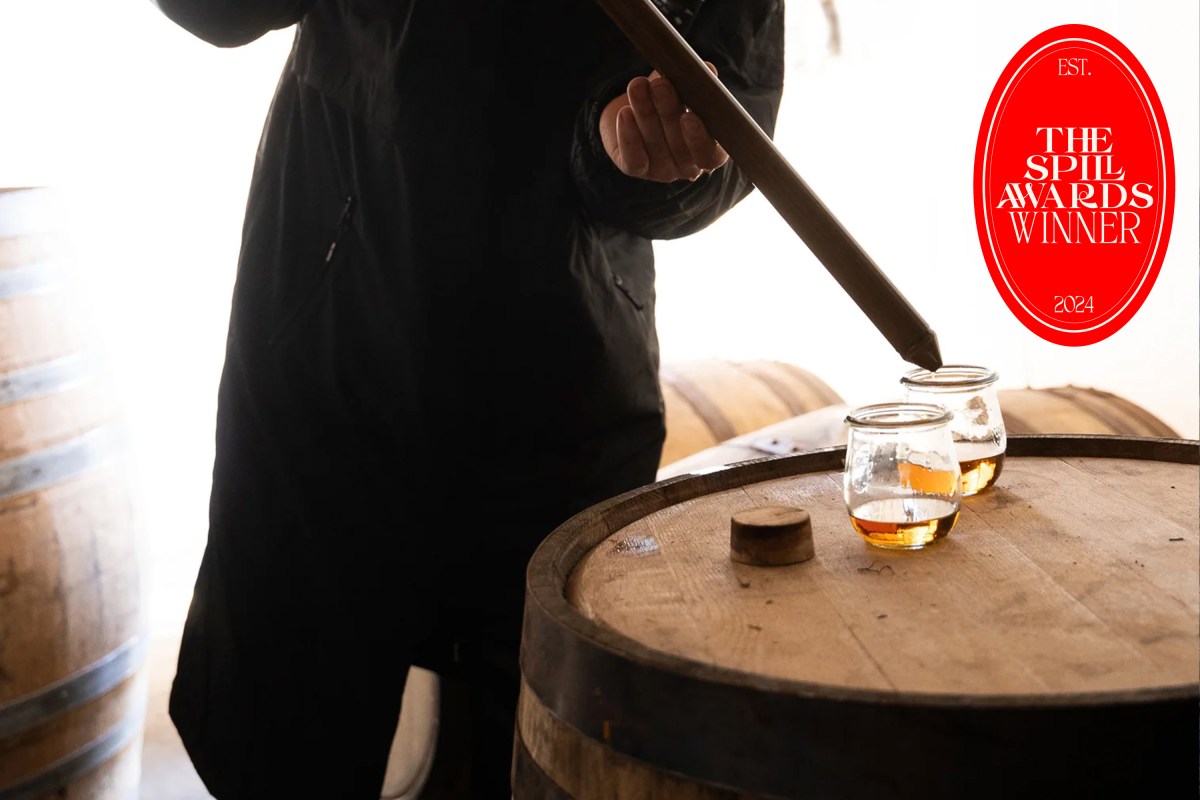
The Bourbon Trail glass is optimal for American whiskey because its wide mouth allows ethanol vapors from high-proof spirits to dissipate, revealing more complex aromas than tumblers or Glencairn glasses.
fromBon Appetit
2 months agoThe Italian Spirit Everyone Loves to Hate Is Getting an American Makeover
Stroll into nearly any Italian restaurant in the country and you'll likely get a glimpse at a row of oddly shaped bottles sitting in the oft-forgotten back bar. Those bottles contain grappa, a spirited sip most often enjoyed after a lengthy dinner when belts start feeling tight, when diners recline in their seats taking lazy last bites of half-eaten desserts.
Food & drink
Food & drink
fromTasting Table
1 month ago8 Virginia Bourbon Distilleries Worth Checking Out, According To Experts - Tasting Table
Virginia hosts a growing, high-quality bourbon distillery scene rivaling Kentucky and Tennessee and offering varied, visitor-focused distilling experiences across the state.
Cocktails
fromTasting Table
2 months agoThe Old-School Spirits And Cocktails Poised For A 2026 Revival, According To An Expert Mixologist - Tasting Table
Vintage and old-school cocktails surge in 2026: sweeter classics out, elevated complex cocktails at home, driven by top-shelf RTD products and easy-to-use spirits.
Food & drink
fromFood & Beverage Magazine
2 months agoJim Beam and Kenan Thompson Help Football Fans 'Refresh Their Season' with Exclusive Lemonade Kits - Food & Beverage Magazine
Jim Beam launched the 2026 "Refresh Your Season" campaign with Kenan Thompson, offering limited Jim Beam & Lemonade Kits tied to football postseason moments.
fromTasting Table
1 month ago10 Prohibition-Era Speakeasies You Can Still Visit - Tasting Table
Prohibition was the nationwide ban on the sale, manufacturing, and transportation of alcohol in the United States from 1920 to 1933. During this period, gangsters and bootleggers produced illegal booze, smuggled it across state lines, and ran secret bars throughout the country. While some bars were raided by the authorities, others thrived as a result of deals with the police or extensive protective measures.
Cocktails
Cocktails
fromTasting Table
1 month agoReview: Traveller Full Proof Whiskey Is A Bargain Blend That Sips Like A Single Barrel - Tasting Table
The global American whiskey market is projected to grow from $3.13 billion in 2026 to $4.65 billion by 2035, with country music star Chris Stapleton launching new whiskey products with Buffalo Trace Distillery.
Cocktails
fromSlate Magazine
2 months agoYou Probably Don't Think the Fastest-Growing Alcohol Category in America Is for You. You're Wrong.
High-quality canned (RTD) cocktails now replicate complex craft drinks, offering convenient, delicious alternatives that challenge cocktail snobbery and grow market share.
fromwww.amny.com
2 months agoJackie Summers bottles Caribbean heritage with Sorel Liqueur, America's most awarded spirits | amNewYork
Sorel Liqueur was born long before it reached store shelves, was carried across the Atlantic by enslaved Africans, preserved in Caribbean kitchens, and passed down through generations that refused to forget who they were. Today, that history lives inside a bottle created by Jackie Summers, founder of Jack from Brooklyn and the first black person to be granted a license to make liquor post-prohibition in U.S history. With Sorel Liqueur, Summers did more than launch a spirits brand. He reclaimed a cultural legacy.
Food & drink
Food & drink
fromTasting Table
2 months agoThis Traditional Southern Restaurant Is The 'Best Part' Of The Jack Daniel's Distillery, According To Reddit - Tasting Table
Miss Mary Bobo's in Lynchburg offers family-style Southern cooking and hospitality in a historic setting near Jack Daniel's, with limited seatings and strong reviews.
fromTasting Table
2 months agoWillie Nelson's 1970s Hit Inspired This Kentucky Bourbon Whiskey - Tasting Table
As they played, Gordon came up with the idea of a branded whiskey. Nelson's song offered the perfect branding idea. So the two worked together and partnered with Heaven Hill Distillery. Willie was sent samples while on tour so he could give feedback. He also helped come up with the design for the bottle and label. When they finally settled on a bourbon Nelson wanted to put his name on, Old Whiskey River was released.
Food & drink
[ Load more ]