#ocean-plastic-pollution
#ocean-plastic-pollution
[ follow ]
#climate-change #environmental-impact #sustainability #sea-level-rise #microplastics #marine-conservation
Design
fromdesignboom | architecture & design magazine
1 day agorecycled plastic remolds into sculptural coral and maritime-inspired accessories
Rushera transforms recycled plastic into coral-like sculptural accessories through innovative fabrication methods, merging synthetic waste with natural forms.


fromQueerty
1 week agoWATCH: Neon Reef dives into the sexy, hopeful mission two gay guys took on to save Miami's coral wonderland - Queerty
The South Florida Reef Tract, once decimated by dredging in the 1950s, has bounced back, a resilient sign of hope in these ecologically depressing times.
Miami food
fromQNS
5 days agoExperts explain what happens to beached whales in the Rockaways - QNS
"When a whale washes up on the beach like that, we work with different organizations to decide what the best course of action is," said Atlantic Marine Conservation Society (AMSEAS) Chief Scientist Robert DiGiovanni, who was tasked with processing the whale. "Every stranding has a unique set of circumstances."
OMG science
#microplastics


OMG science
fromFuturism
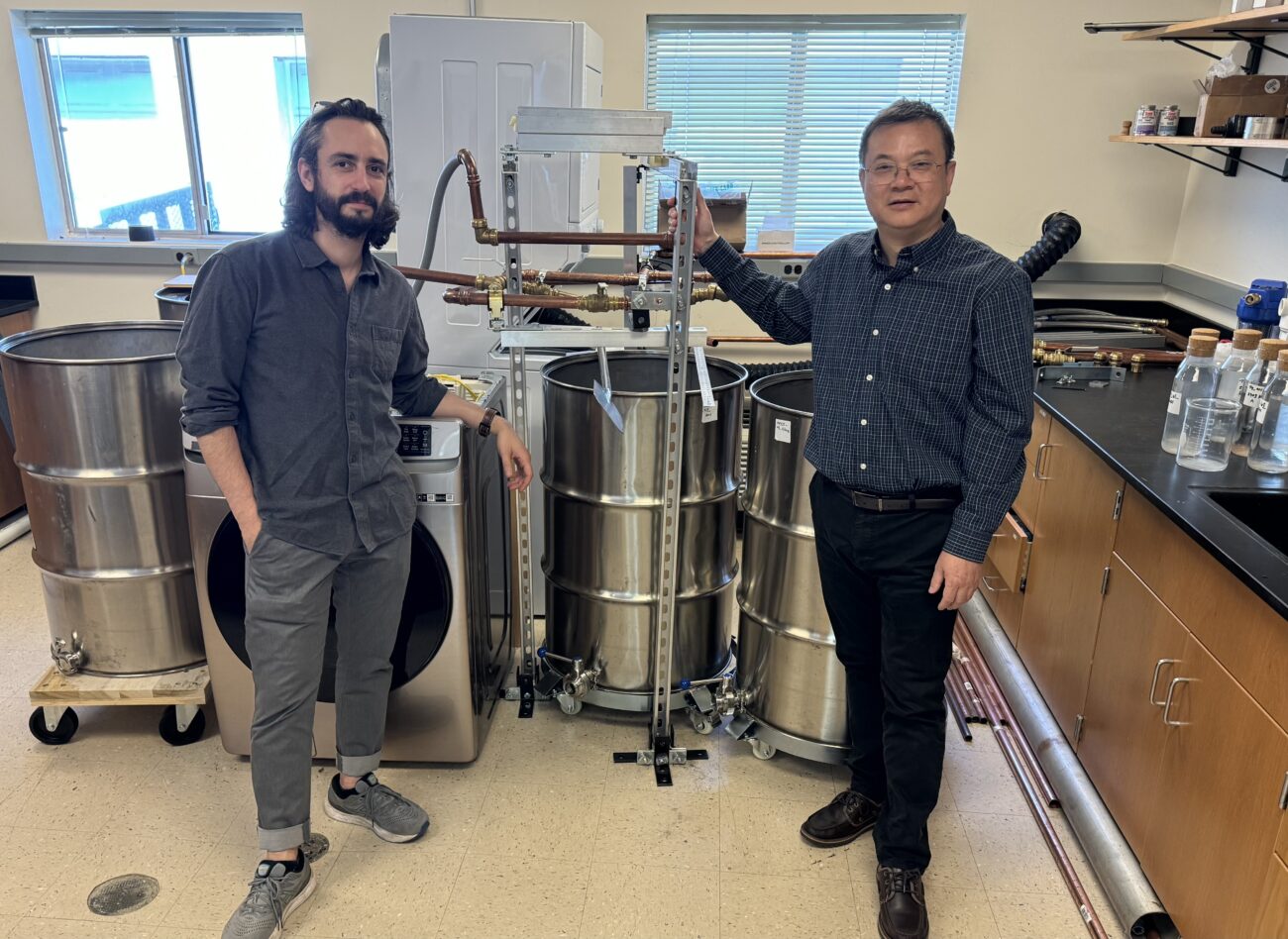
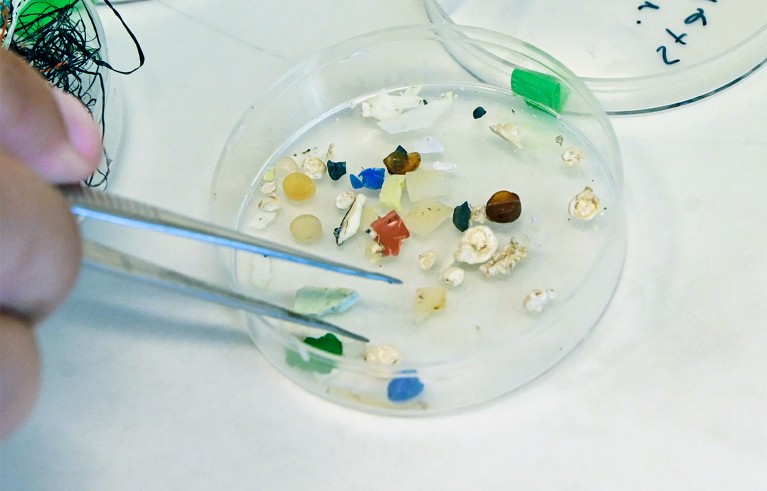
2 weeks agoYou Know How Scientists Keep Finding Microplastics Literally Everywhere? Well, You'd Never Guess What Their Lab Gloves Are Coated in Straight Out of the Packaging
Skepticism grows in the scientific community regarding microplastics research due to potential methodological errors and contamination issues.
fromwww.kaltblut-magazine.com
1 month agoThe Climate Crisis
At a young age, I learned quickly how oil wealth and power could burn the land while people struggled. I saw heat rise off the streets, the Nile strained, and the air thickened with injustice. In my teenage years, through Aotearoa, being on the edge of the Pacific, I felt the ocean breathing heavy, swallowing the shores of islands that have done the least to cause this harm.
Photography

fromwww.theguardian.com
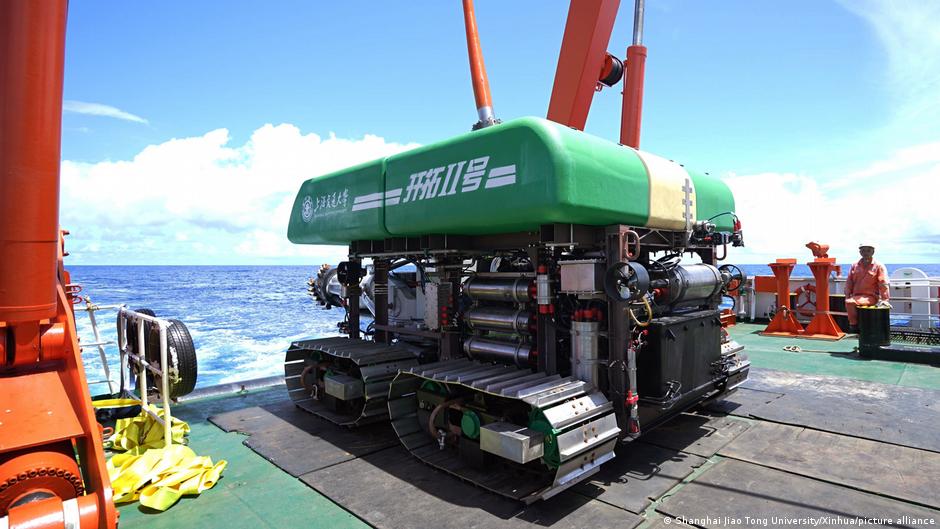
1 week agoThe water is no longer our friend': how dredging is pushing Lagos Lagoon towards ecosystem collapse photo essay
When you dredge sand at that scale without a proper assessment of its environmental impacts, it destroys or wipes out certain species, which harms fisheries and, ultimately, everyone who depends on them.
Environment

fromenglish.elpais.com
2 months agoSharks become easy prey for criminal groups
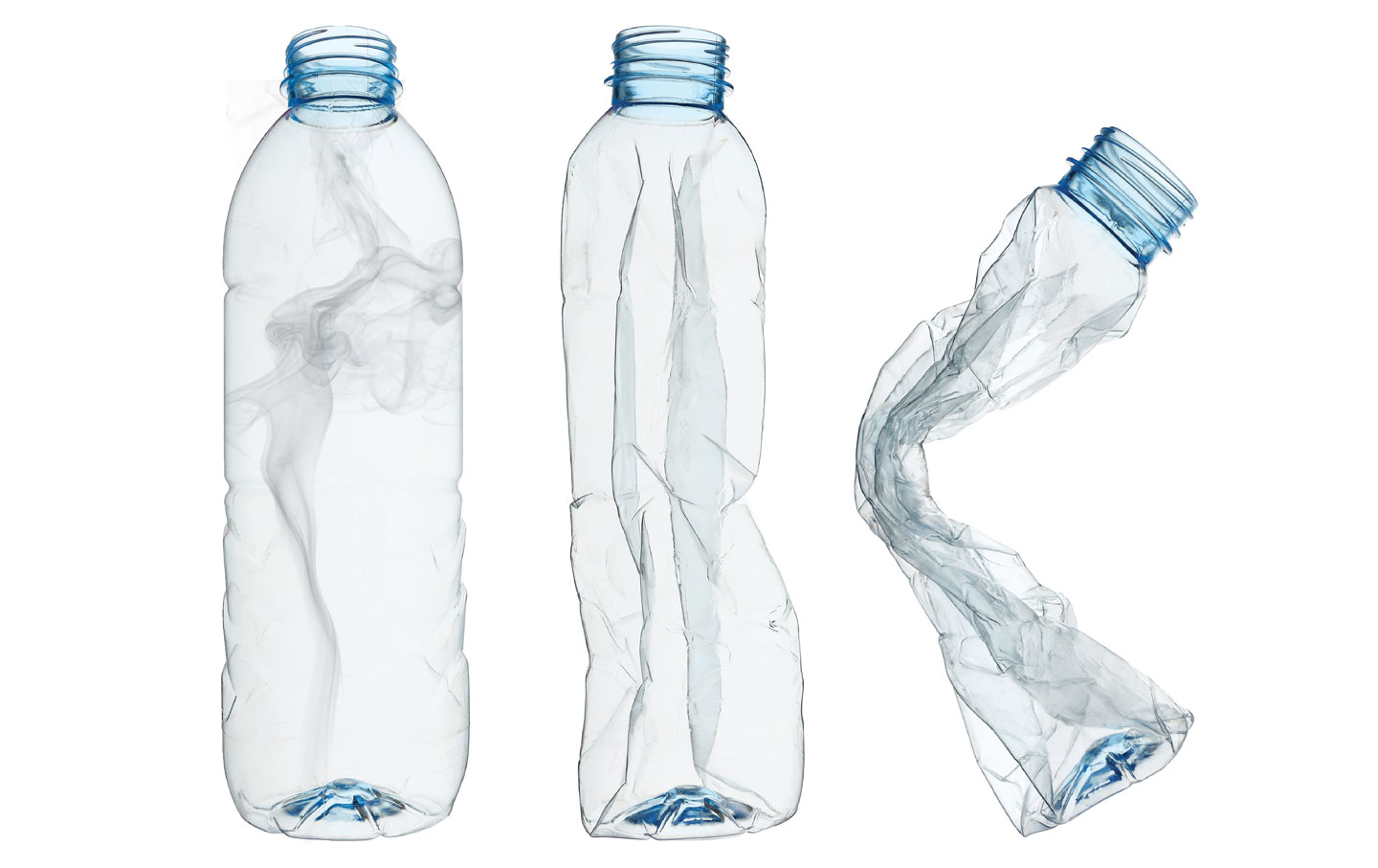
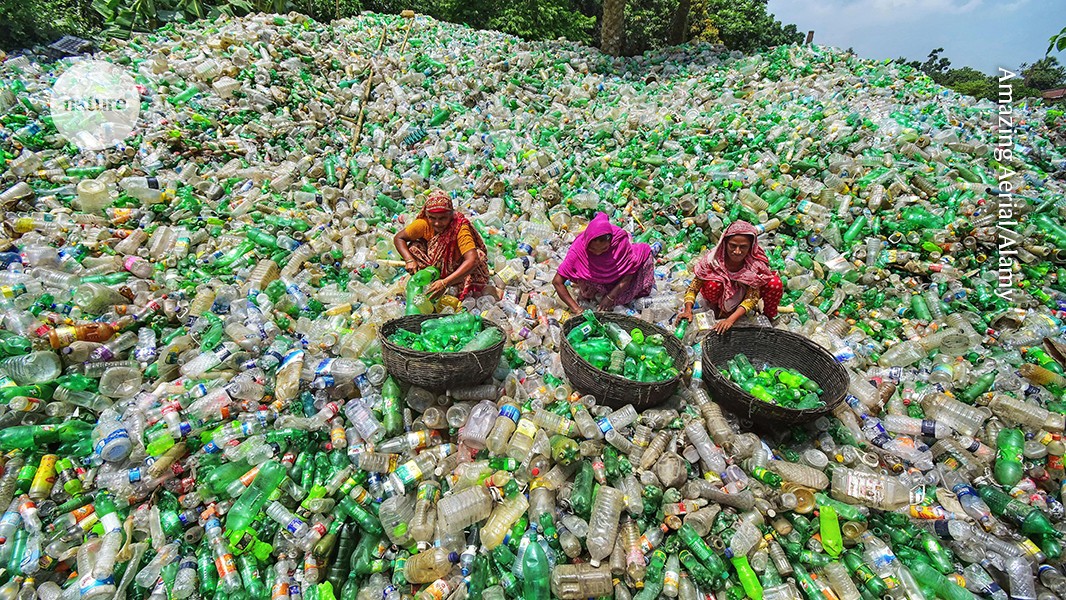
In February 2023, an article in the Mexican press announced the capture of a vessel some 195 nautical miles from the port of Lazaro Cardenas in the state of Michoacan. It had been carrying nearly 700 pounds of cocaine packaged in plastic-wrapped bricks, in addition to 1,650 liters of hydrocarbons in 33 plastic containers. Two Ecuadorian fishermen were among the five detainees, and their immigration records showed unusual activity.
Law
California
fromLos Angeles Times
1 month agoCalifornia's plastic bill faces challenges from federal court and GOP attorneys general
California's single-use plastic law faces legal challenges from federal courts and Republican attorneys general who claim plastic reduction initiatives violate antitrust laws and harm consumers through corporate collusion.
Food & drink
fromTasting Table
2 months agoKeep An Eye Out For This Seafood-Label Red Flag At The Grocery Store - Tasting Table
Check seafood for off smell or color, suspicious price, unsanitary displays, additives like phosphates, mislabeling, and proper certifications to avoid poor-quality or fraudulent seafood.
fromColossal
2 months agoRare Glimpses of Diverse Marine Life Take the Stage in This Year's Ocean Art Photography Contest
Off the deep waters of Kumejima, Japan, Steven Kovacs captured an image that would be awarded Best in Show for the 2025 Ocean Art Photography Contest. Traveling to the Okinawa prefecture in the hopes of encountering a scarcely documented species of larval goosefish, Kovacs spent nearly two weeks blackwater diving before photographing the rare moment. "Unfortunately, this beautiful little fish turned out to be incredibly uncooperative and difficult to photograph," Kovacs says.
Arts
fromNonprofit Quarterly | Civic News. Empowering Nonprofits. Advancing Justice.
3 months agoEnvironmental Advocates Confront Trump's Fossil Fuel Agenda | Nonprofit Quarterly | Civic News. Empowering Nonprofits. Advancing Justice.
But to environmental advocates, the announcement sounded less like relief and more like a bill for working people, one that would result in higher fuel costs, increased pollution, and a slower path to clean energy. Critics warn that the decision represents a blow to the energy transition and a significant setback in the fight against climate change overall.
US politics
fromFast Company
3 weeks agoBeach cleanups can save the lives of marine animals. This calculator tells you exactly how many
If you enter the amounts of different types of plastic that you clean up into the Wildlife Impact Calculator, it will tell you how many animal lives would have been at risk, had those items made their way into the ocean and been ingested.
Environment
fromwww.aljazeera.com
3 months ago'Inevitably difficult'
On September 14, Alejandro Carranza, a 42-year-old fisherman, set out to sea from a remote town in La Guajira, Colombia's northernmost province, bordering Venezuela. It was an ordinary fishing trip, in search of tuna and marlin, said Leonardo Vega, a childhood friend and the president of the fishing association Carranza belonged to. But this time, Carranza never returned.
World news
fromwww.theguardian.com
1 month agoThe fish fled': Nile fisherman earning more from collecting plastic than fish
Fifteen years ago, he searched for fish. Now he hunts plastic bottles. The fish fled from the plastic chokehold, said Sayed, who has lived on the Giza island since arriving from Assiut, further south on the Nile, as a 14-year-old fishing apprentice. Declining fish populations, caused by plastic pollution in the river, have forced approximately 180 fishers on al-Qarsaya to pivot from traditional fishing to waste collection.
Environment
fromThe Nation
1 month agoA World on Fire Needs More Climate Reporting-Not Less
Covering Climate Now was formed in 2019 in response to the climate silence that then prevailed in much of the press, especially in the United States. Over the years that followed, hundreds of newsrooms joined our effort, and press coverage of the story began to reflect the scale of the crisis. Newsrooms beefed up their climate reporting teams; they confronted misinformation that sought to play down the problem; they thought creatively about how to find the climate connection on every beat.
Environment
fromwww.theguardian.com
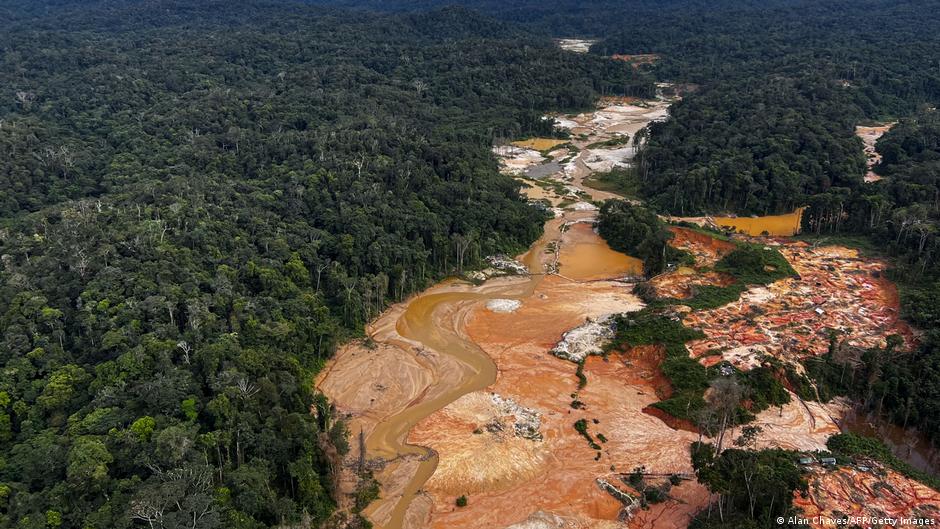
1 month agoHumanity heating planet faster than ever before, study finds
Climate breakdown is occurring more rapidly with the heating rate almost doubling, according to research that excludes the effect of natural factors behind the latest scorching temperatures. It found global heating accelerated from a steady rate of less than 0.2C per decade between 1970 and 2015 to about 0.35C per decade over the past 10 years.
Environment
Environment
fromEarth911
2 months agoSustainability In Your Ear: The Ocean Conservancy's Dr. Erin Murphy Documents the Lethality of Ocean Plastics
Lethal plastic thresholds were identified across marine species, showing even small amounts of plastic can be deadly and requiring lifecycle-wide policy action.
Environment
fromwww.theguardian.com
1 month agoChronic ocean heating fuels staggering' loss of marine life, study finds
Chronic ocean warming reduces fish biomass by 7.2% per 0.1°C of seabed warming per decade, with marine heatwaves masking long-term decline through temporary population booms in cold-water regions.
fromwww.dw.com
2 months agoThe business of saving nature
The world spends 30 times more money destroying nature than protecting it. That's according to a new report from the United Nations Environment Programme (UNEP) that exposes a massive gulf between so-called "harmful investments" and financing that promotes nature preservation. The global environment agency's latest "State of Finance for Nature" (SNF) report is calling to phase out the US$7.3 trillion (6.2 trillion) in global investments that damage nature including into high-emissions energy infrastructure and manufacturing, for example.
Environment
Environment
fromwww.mercurynews.com
1 month agoOpinion: AI is destroying our planet. We must act to check its growth and save ourselves.
AI's environmental impact is severe, with 2025 freshwater consumption exceeding global bottled water use and projected energy demands by 2034 matching India's entire consumption, requiring immediate action.
fromEarth911
1 month agoThe State of Plastic Bans in the United States
Many cities have also banned polystyrene foam containers. While this movement is gaining ground, it still faces strong opposition. Each American uses about 365 single-use plastic bags every year. With a population of 330 million, this adds up quickly. Only about 9% of all plastic ever made has been recycled. The rest ends up in landfills, waterways, or breaks down into microplastics found in human blood, tap water, and table salt.
Environment
fromdesignboom | architecture & design magazine
2 months agocompostable plastic bags made of seaweed are designed to break down and not be recycled
They write, 'through clever processing changes, this material is now stronger, more beautiful, and available in higher volumes at a lower price point.' The design remains the same with the frosted look, and this time, it can carry loads better but still lasts only as long as it's needed. After use, the bags can be placed in home compost or industrial compost systems, where they break down into healthy soil.
Environment
[ Load more ]