#oofoam-technology
#oofoam-technology
[ follow ]
#sustainable-architecture #energy-efficiency #sustainable-construction #sustainability #sustainable-design



fromArchDaily
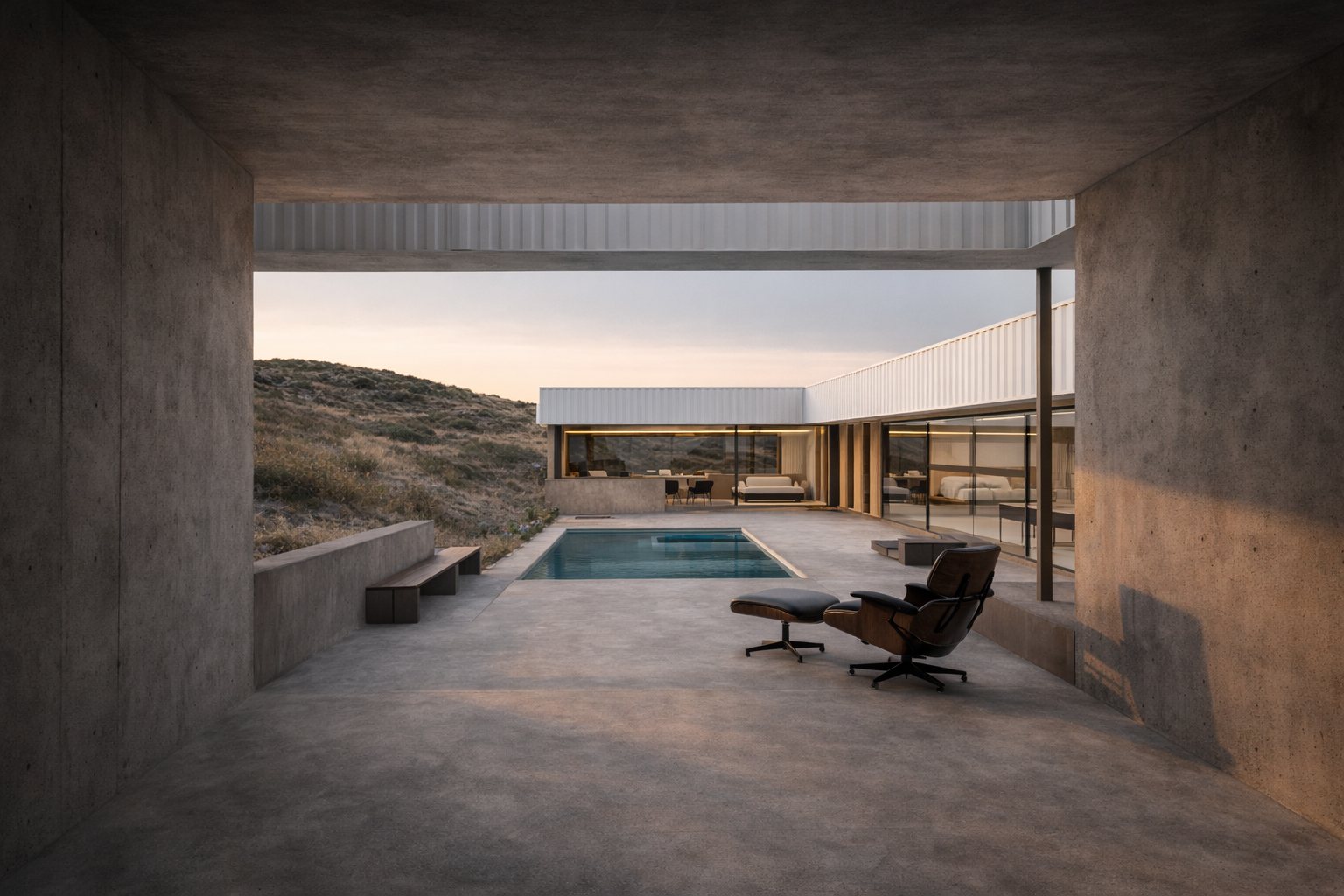
1 week agoHow Terraco Enhances Thermal Efficiency and Facade Longevity in Prefabricated Buildings
Offsite construction has delivered measurable environmental gains, with a peer-reviewed study showing an average reduction of 78.8% in construction waste compared to conventional methods. Under controlled factory conditions, reductions can reach up to 90%, highlighting significant improvements in sustainability.
Environment
#sustainable-architecture



Environment
fromArchitectural Digest
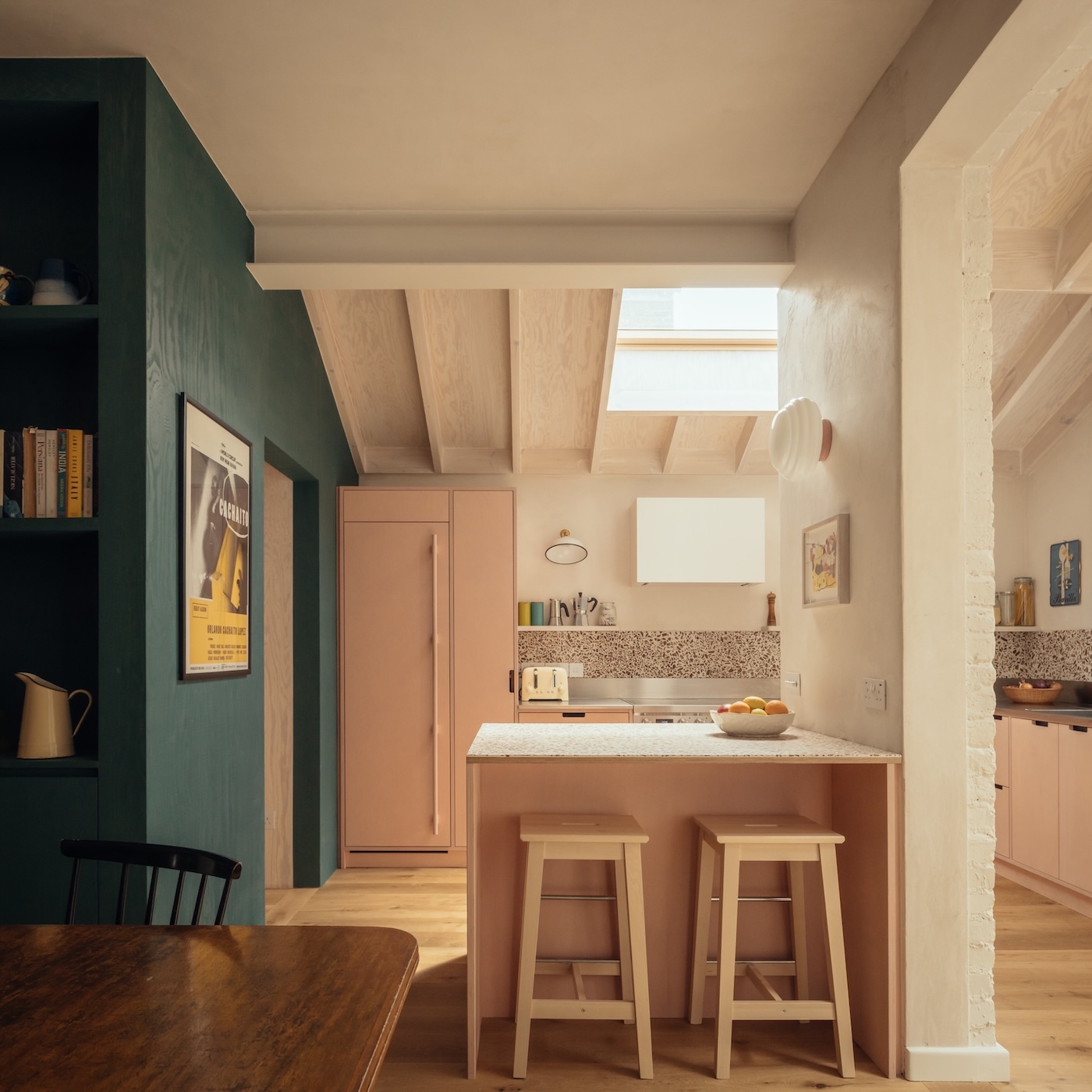
2 months agoSustainable Architecture Is More Needed Than Ever-Here's What It Actually Means
Sustainable architecture prioritizes life-cycle performance, embodied carbon reduction, material provenance, adaptability, and long-term usefulness over superficial greenwashing.
Renovation
fromdesignboom | architecture & design magazine
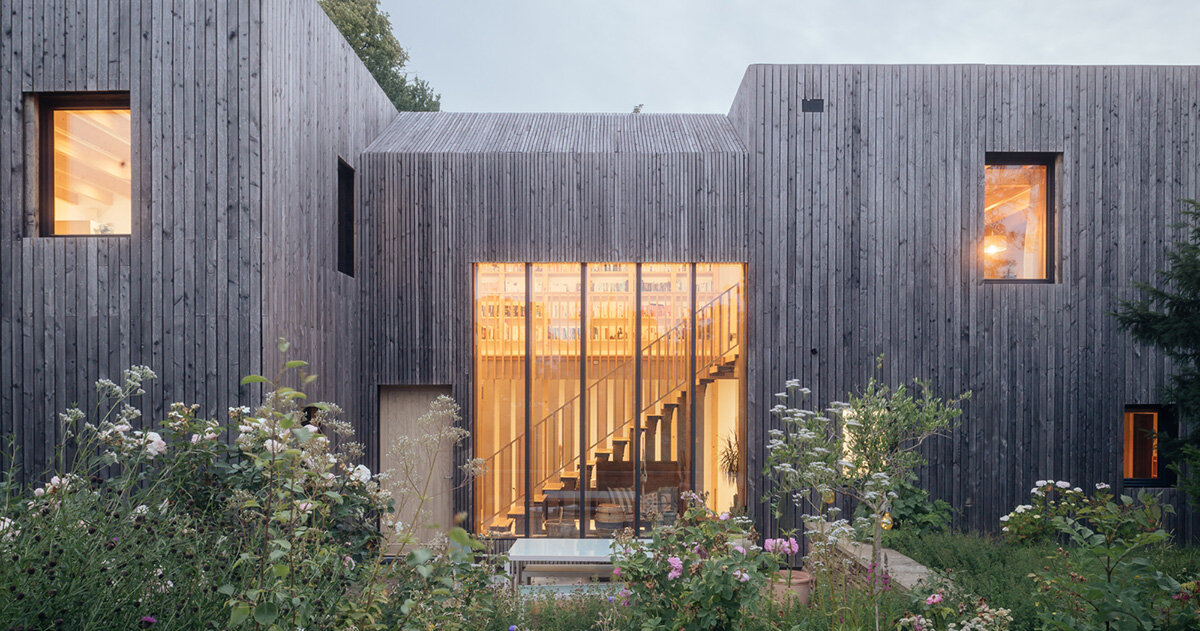
1 month agostudio bark shapes low carbon 'orchard house' as two silvery larch-clad cubes
Orchard House demonstrates sustainable architecture within England's Green Belt by combining two cubic volumes connected by a timber bridge, restoring a family orchard while meeting strict environmental planning requirements.

OMG science
fromYanko Design - Modern Industrial Design News
3 weeks agoResearchers turned Sawdust Waste and Watermelon Seeds into Recyclable Fire-resistant Panels - Yanko Design
Sawdust can be transformed into a strong, fire-retardant composite material using struvite and an enzyme from watermelon seeds.
fromwww.archdaily.com
2 weeks agoAn Unfinished House / Kraft Architects
The project is located on the suburban outskirts of Isesaki City, Gunma Prefecture, on a parcel of land left behind during suburban development. As surrounding plots were subdivided and sold, the site became landlocked and excluded from the formal market.
Renovation

fromdesignboom | architecture & design magazine
3 weeks agoproposal for net-zero landmark office in warsaw highlights adaptive use and ecological design
The project reimagines the structure through circular thinking, ecological strategies, and new construction technologies, embracing reuse as a model for sustainable urban development.
Renovation
fromArchDaily
3 weeks agoDesigning for Obsolescence in an Age of Perpetual Upgrades
In the nineteenth century, entire railway networks became obsolete almost overnight, not due to physical deterioration, but because of changes in the technical standards that supported them. The expansion of railroads across Europe and North America adopted different track gauges, and as a dominant standard gradually emerged, these infrastructures became incompatible with one another.
Renovation
fromArchDaily
1 month agoBuildner and Kingspan Launch MICROHOME 2026 With 100K in Awards and Announce 10th Edition Winners
Participants are challenged to design a modular, self-sufficient, and energy-efficient microhome with a maximum footprint of 25 m². Proposals should push the boundaries of innovation, functionality, and sustainability while addressing real-world challenges such as urban density, affordability, and environmental responsibility.
Miscellaneous
fromLos Angeles Times
35 years agoStress-Skin Paneling Makes Airtight House
Stress-skin panel construction is probably the most energy-efficient and cost-effective building method available today. With super-high insulation levels and airtightness, a stress-skin panel house should have extremely low heating and cooling costs. A reduction of 50% on utility bills as compared to a typically constructed house is reasonable.
Remodel
fromArchDaily
1 month agoHow Architecture Is Learning to Generate Its Own Energy
Photovoltaic (PV) solar energy represents a modular technology that can be manufactured in large-scale facilities, generating economies of scale, while also being adaptable to small-scale applications. From residential rooftop systems to large-scale power generation installations, photovoltaic solar energy has established itself as a cost-effective option for electricity production in many countries around the world.
Environment
fromReadWrite
4 weeks agoFrom Reactive Repairs to Smarter Home Protection: How Technology Is Changing Roof Care
In the past, roof inspections mostly focused on what could be seen from the outside. Contractors looked for broken shingles, worn flashing, or areas where water might enter the roof. The problem is that roof damage does not always show clear signs right away. Water can move through roofing layers before it becomes visible inside the home.
Renovation
#building-integrated-photovoltaics

Renovation
fromYanko Design - Modern Industrial Design News
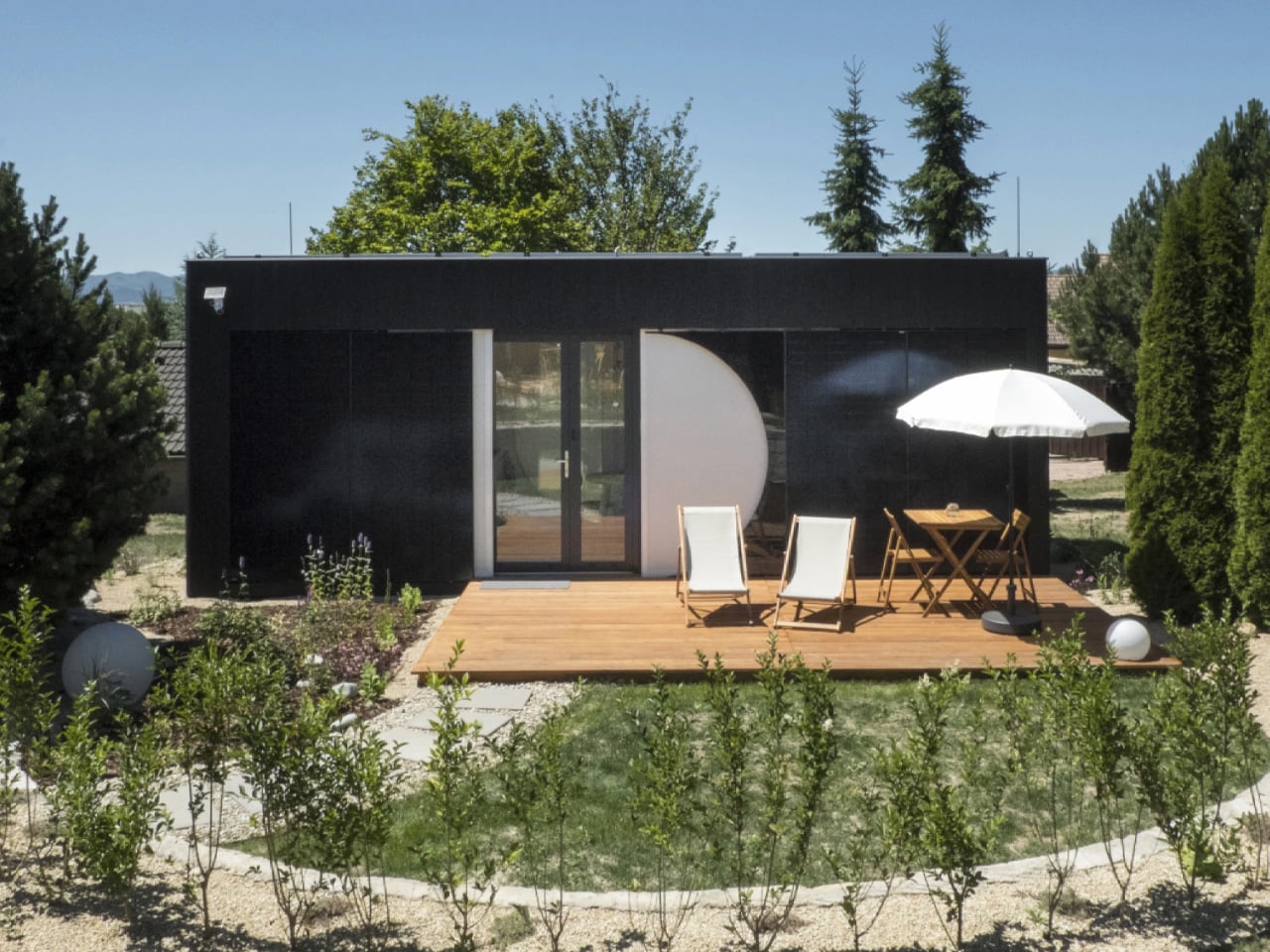
1 month ago5 Solar Panel Designs So Beautiful You'd Never Know They're Generating Power - Yanko Design
Buildings are evolving from energy-efficient structures into active power generators through integrated photovoltaic technology and aesthetic solar solutions.
Design
fromYanko Design - Modern Industrial Design News
1 month agoMIT Finally Built the House Your Great-Grandkids Will Inherit - Yanko Design
MIT's Heirloom House project uses nine modular concrete components engineered to last 1,000 years, assembled through gravity and friction rather than permanent fasteners.
fromdesignboom | architecture & design magazine
2 months agocan desert sand with plant-based materials be used to build houses and roads?
Researchers at the Norwegian University of Science and Technology and the University of Tokyo have made a prototype of botanical cement made of desert sand and plant-based additives in hopes that it can be used to build houses and roads. Once mixed, the team adds tiny pieces of wood together and presses them all with heat to produce the cement.
Science
fromEarth911
1 month agoGuest Idea: Map Appliance Power to Identify and Tame Your Home's Top Electricity Consumers
Appliance power mapping means measuring each appliance's actual electricity consumption rather than relying on manufacturer estimates. Using tools like plug-in electricity monitors (such as a Kill-A-Watt meter) or whole-house energy monitors (like Sense or Emporia Vue), you collect real data on how much electricity each device draws-while running, in standby, and when nominally "off."
Remodel
Gadgets
fromYanko Design - Modern Industrial Design News
1 month agoA Water Heater That Doubles as a Data Center - and Cuts Your Energy Bill - Yanko Design
Superheat H1 replaces traditional heating elements with processors that simultaneously compute and heat water, using a single electricity input twice to reduce hot water energy consumption by up to 80 percent.


fromFast Company
1 month agoThese designers made a sustainable new building material from corn
This corn-based construction material was made by Manufactura, a Mexican sustainable materials company, and it imagines a second life for waste from the most widely produced grain in the world. The project started as an invitation by chef Jorge Armando, the founder of catering brand Taco Kween Berlin, to find ways he could reintegrate waste generated by his taqueria into architecture. A team led by designer Dinorah Schulte created corncretl during a residency last year in Massa Lombarda, Italy.
Science
fromBusiness Matters
2 months agoWhy Thermally Modified Timber Has Moved Into the Construction Mainstream
Thermal modification is not a new invention, but its relevance has increased as expectations around performance, sustainability, and predictability have tightened. Developers, architects, and contractors are no longer just asking whether timber looks good or performs well initially. They want to know how it behaves after ten, twenty, or thirty years, and how much risk it introduces into a project once the scaffolding is gone.
Remodel
Renovation
fromdesignboom | architecture & design magazine
1 month agothis 'underground house of the future' revisits ancient chinese cave dwellings
A University of Hong Kong team redesigned traditional underground 'dikengyuan' courtyard houses on China's Loess Plateau using modern construction methods and 3D printing to address climate challenges while preserving agricultural land and cultural living practices.
fromTasting Table
2 months agoThe Eco-Friendly Countertop Material That's Surprisingly Durable - Tasting Table
It's likely that you've encountered recycled glass countertops without realizing it. They're far from the hippie-style broken-glass mosaic art of yesteryear, instead presenting as sleek, highly polished, professional slabs with intriguing bits of confetti-style color trapped inside. That's the recovered glass bits set into a binding material such as resin, cement, or concrete, and then smoothly polished so that the composite surface feels like stone.
Remodel
fromwww.archdaily.com
1 month agoWood House / JAK Architecture
What began as a modest brief for a young and growing family soon evolved into a considered renovation that reimagines an existing Barwon Heads home. The original house had endured several unsympathetic alterations over the years, leaving it disjointed and built to a poor standard.
Renovation
fromInsideHook
1 month agoCould Recycled Plastic Lead to More Housing?
When you think about building a house, what materials come to mind? Brick, wood and metal all come to mind; there are also some very distinctive glass houses out there. (Even if their occupants should refrain from throwing stones - though honestly, that's a good tip for indoor living in general.) A group of MIT researchers have come up with a very different way of making buildings, and it's one that also addresses an ongoing waste issue."We've estimated that the world needs about 1 billion new homes by 2050. If we try to make that many homes using wood, we would need to clear-cut the equivalent of the Amazon rainforest three times over," explained AJ Perez, who conducts his research in the MIT Office of Innovation. The title of a paper written by Perez and his colleagues - "Design, Manufacture and Testing of Structural Trusses Using Additively Manufactured Polymer Composites" - gives a sense of the solution that they have in mind.
Environment
fromIrish Independent
2 months agoEnergy-efficient homes worth almost 100,000 more on second-hand market, new report reveals
There is a premium of close to €100,000 for a home with a high energy rating compared with one which is less efficient to heat. The average sale price for all types of homes was €390,000 in the last three months of last year. This was up €20,000 on the same period in 2024, according to the data obtained from the State's property price register by Dublin-based data and home valuation company Geowox.
Real estate
fromArchDaily
2 months agoWhen Light Meets Energy in Glass Ceilings
From the large industrial roofs and galleries of the 19th century to the contemporary atriums of museums and public buildings, glass has been a recurring material in shaping large and monumental interior spaces. More than a technological or engineering solution, these horizontal glazed planes introduce a distinct luminous quality: light that comes from above. Unlike lateral daylight entering through façades, zenithal light is more evenly distributed, reduces harsh shadows, and lends spaces a sense of continuity and openness that is difficult to achieve otherwise.
Design
Environment
fromwww.theguardian.com
2 months agoWe can learn from the old': how architects are returning to the earth to build homes for the future
Unstabilised rammed earth provides a low-carbon, locally sourced building method with thermal mass, moisture control and potential for circular construction.
Environment
fromArchDaily
1 month agoCan Shading Become Energy? From Passive Facades to Productive Envelopes
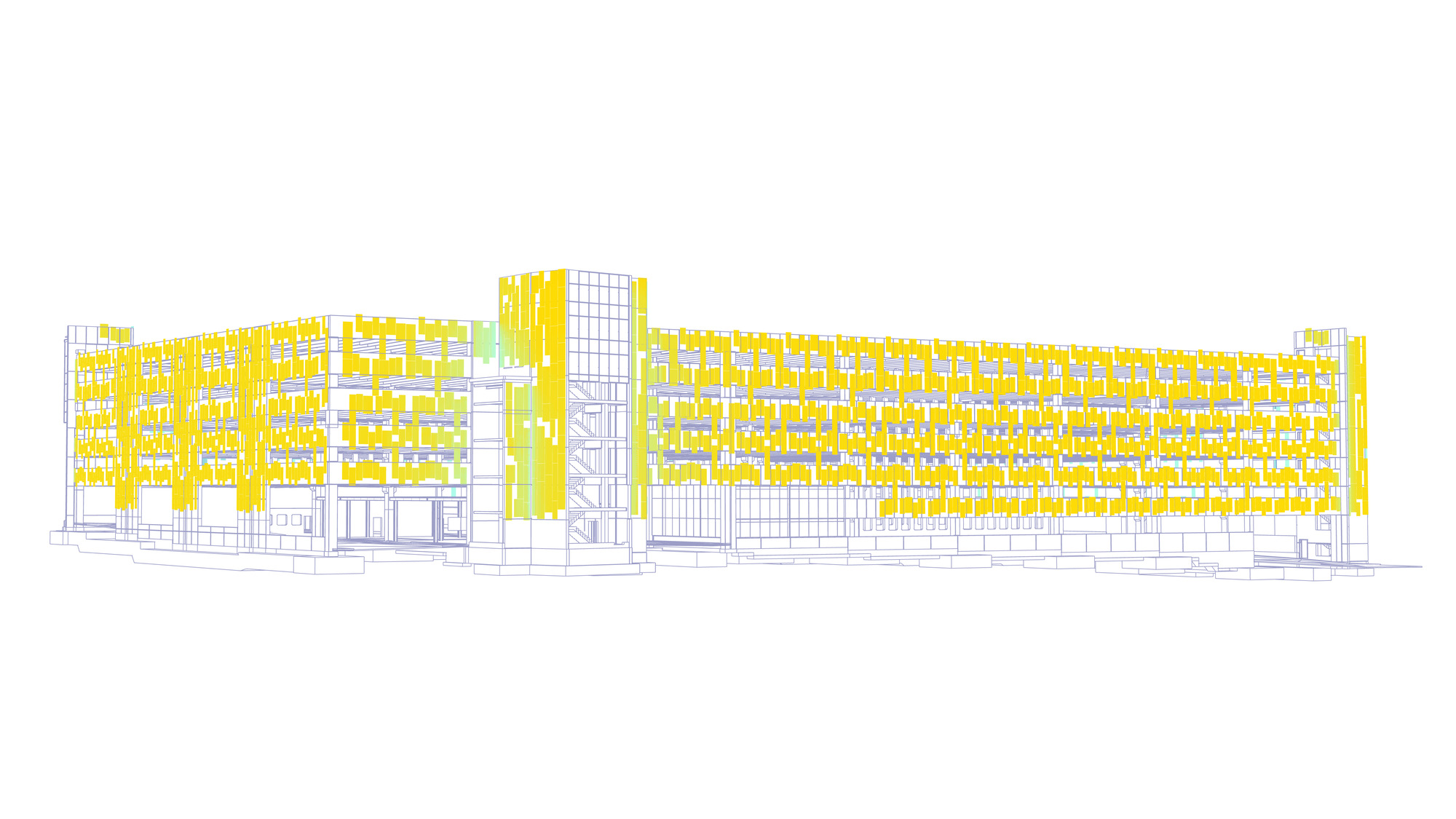
Facades can generate significant renewable energy by integrating colored photovoltaic shutters that combine shading, daylight control, and electricity production without adding envelope complexity.
Design
fromdesignboom | architecture & design magazine
2 months agowearable collection repurposes leftover leather powder as translucent composite material
OBRO converts leather manufacturing offcuts into semi-transparent PVC composite by embedding finely ground leather powder to create visually layered, tactile, durable sheets.
Renovation
fromArchDaily
1 month agoUnderstanding U-Value: The Foundation of Energy-Efficient Envelopes
Building envelope thermal transmittance (U-value) is the fundamental metric determining energy efficiency, calculated by dividing heat flow by surface area and temperature difference to assess insulation performance.
fromArchitectural Digest
2 months agoAD PRO LIVE: The Longevity Home | Register Now
The home isn't just where we live anymore. It's a mechanism for living longer. In this AD PRO LIVE report, we'll examine how residential design has become the next frontier to a healthier, longer life. Delve into the industry's expanding catalog of non-toxic materials, the architectural elements shaping conscientious builds, and the luxury amenities promoting physical and mental well-being in every room of the house.
Design
fromwww.theguardian.com
2 months agoSchools, airports, high-rise towers: architects urged to get bamboo-ready'
For many years, bamboo has been mostly known as the favourite food of giant pandas, but a group of engineers say it's time we took it seriously as a building material, too. This week the Institution of Structural Engineers called for architects to be bamboo-ready as they published a manual for designing permanent buildings made of the material, in an effort to encourage low-carbon construction and position bamboo as a proper alternative to steel and concrete.
Environment
Environment
fromYanko Design - Modern Industrial Design News
2 months agoAward-Winning Microhome Actually Replenishes Groundwater While You Live In It - Yanko Design
A 25-square-meter prefabricated microhome harvests and recycles water, injects treated water to recharge aquifers, and minimizes land disturbance while remaining hydro-positive.
Renovation
fromLos Angeles Times
1 month agoCan fire-resistant homes be sexy? 'You be the judge,' says this Palisades architect
A Pacific Palisades architect designed a fire-resistant home with steel framing, foot-thick exterior walls, automated shutters, and advanced water and foam suppression systems after losing his previous home to wildfire.
[ Load more ]