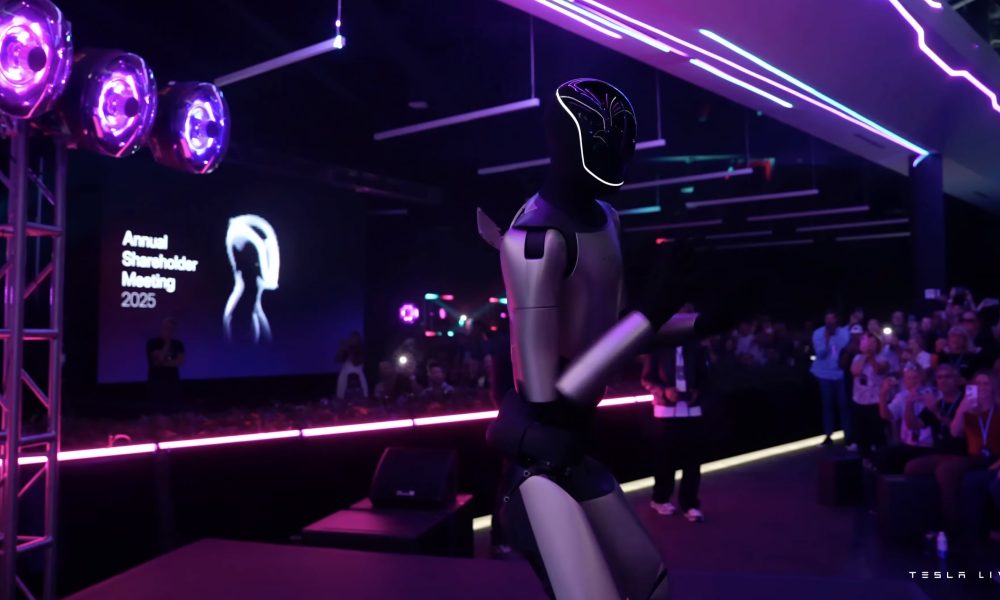
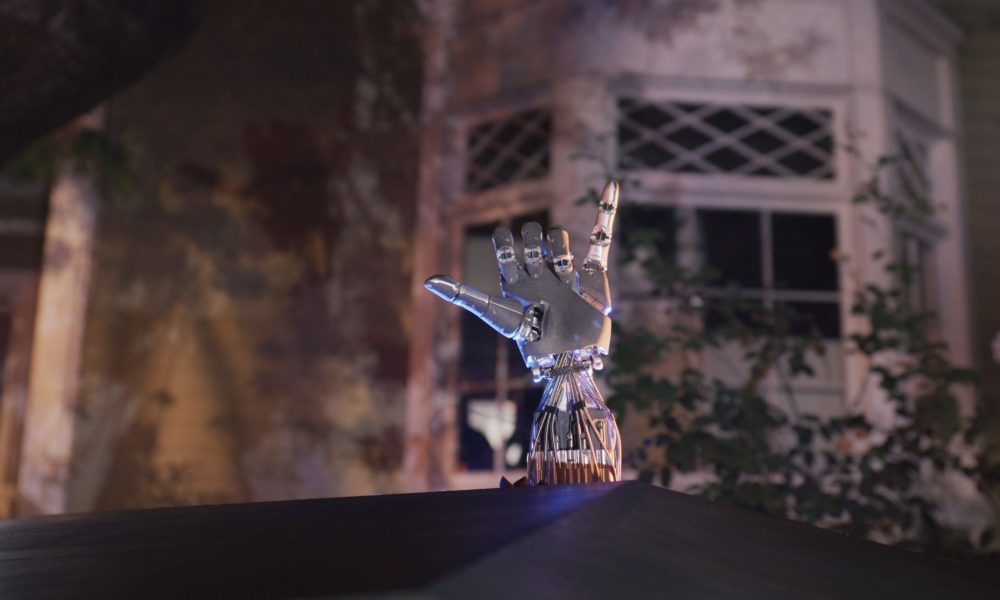
fromwww.businessinsider.com1 month agoToronto startupElon Musk says copycats are why Tesla can't unveil Optimus sooner
fromTESLARATI4 months agoArtificial intelligenceTesla Optimus V3 gets early third party feedback, and it's eye-opening
fromTESLARATI7 months agoArtificial intelligenceChina reports hint at Tesla potentially finalizing Optimus V3 design
Toronto startupfromwww.businessinsider.com1 month agoElon Musk says copycats are why Tesla can't unveil Optimus soonerOptimus V3 is expected to be Tesla's biggest product, with production starting in late July or August.
fromTESLARATI4 months agoArtificial intelligenceTesla Optimus V3 gets early third party feedback, and it's eye-opening
fromTESLARATI7 months agoArtificial intelligenceChina reports hint at Tesla potentially finalizing Optimus V3 design
Artificial intelligencefromTESLARATI10 months agoTesla Optimus robots will ship with a design no consumer has seen yetOptimus V3 humanoid robots will feature a completely redesigned and improved structure for mass production.