#outside-food-allowed
#outside-food-allowed
[ follow ]
#outdoor-dining #food-safety #new-york-city #restaurant-industry #sustainability #buffets #pandemic-recovery
fromThe Mercury News
4 days agoLongtime Singaporean restaurant returns to Menlo Park after facing eviction
"What we didn't expect was the response - customers were coming by, messaging us, and sharing stories about what the restaurant meant to them. It made us realize this wasn't just a place to eat - it had become part of people's routines and memories."
East Bay food
#food-safety
Food & drink
fromTasting Table
1 month agoThe Popular Seafood Appetizer That Restaurant Workers Say They Don't Order - Tasting Table
Health authorities recommend eating only cooked oysters due to risks from Vibrio bacteria, Salmonella, and norovirus that cannot be detected by appearance, smell, or taste.
Food & drink
fromTasting Table
1 month agoThe Popular Seafood Appetizer That Restaurant Workers Say They Don't Order - Tasting Table
Health authorities recommend eating only cooked oysters due to risks from Vibrio bacteria, Salmonella, and norovirus that cannot be detected by appearance, smell, or taste.
fromTasting Table
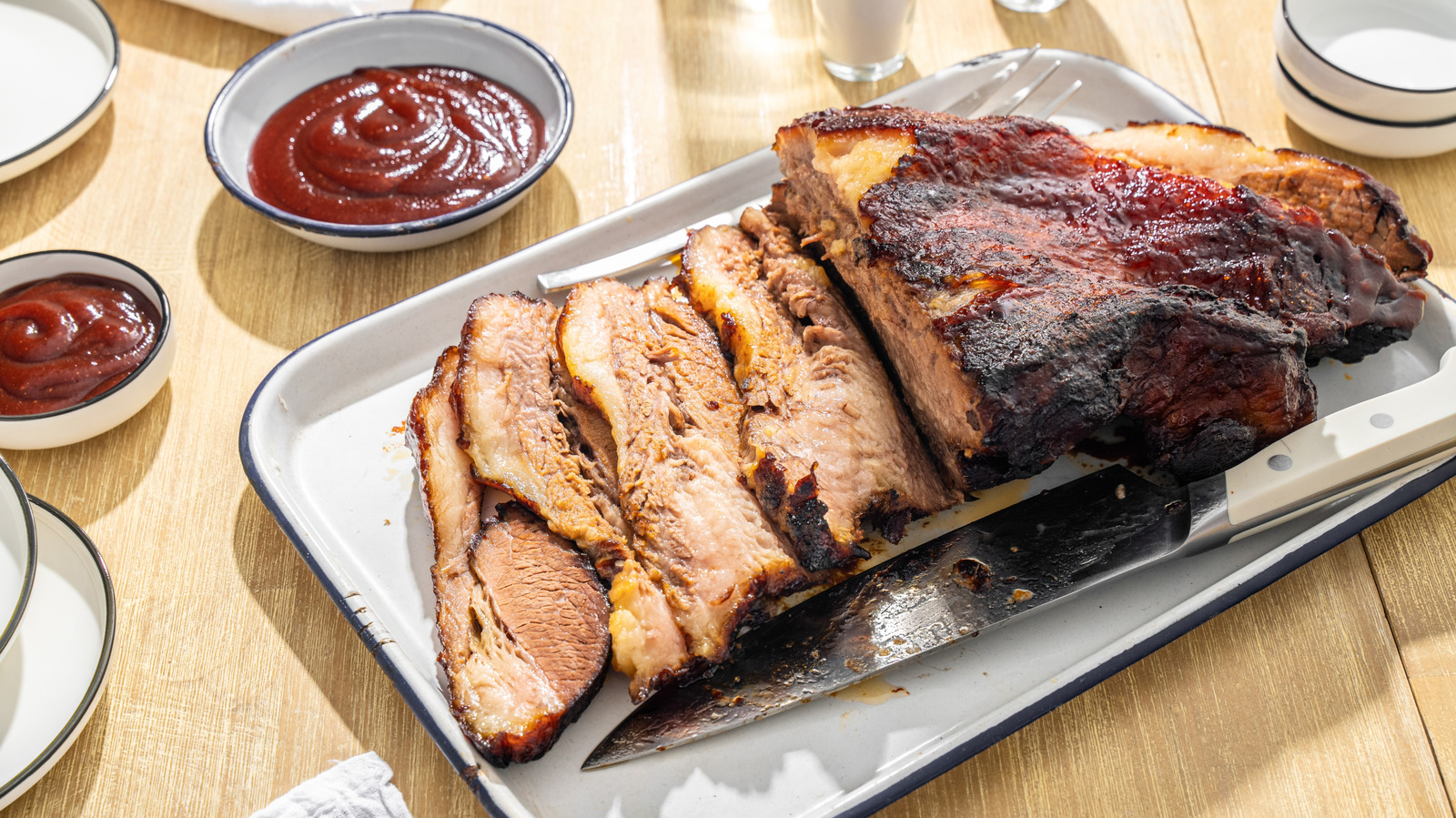
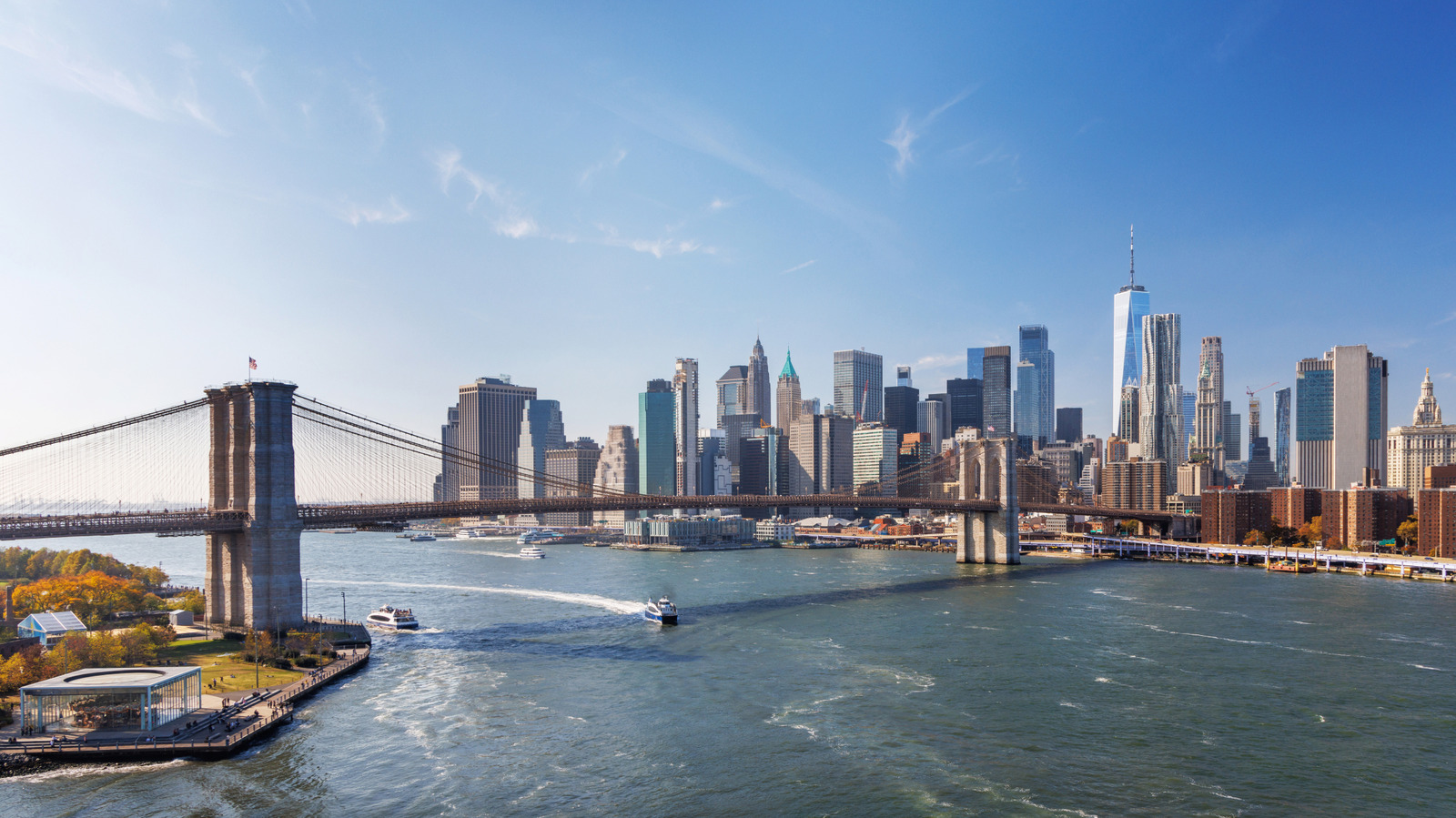
5 days agoThis NYC Eatery Has People Crossing Borough Lines For Its Pierogies - Tasting Table
"THE BEST pierogi me and my fiancé have tried ever in NY. Me and him are both Ukrainian and have lived in Poland, and out of all the places we have tried, these taste exactly like homemade traditional Polish pierogis."
NYC food
Relationships
fromSlate Magazine
4 weeks agoThere's a Certain Part of Dining Out That Stumps Me Every Time. I'm Not Sure There's a "Right Way" to Do It.
Check-splitting methods depend on group size, economic disparity, alcohol consumption, food prices, and relationship closeness rather than following one universal rule.
Cocktails
fromTasting Table
1 month agoWhy Restaurant To-Go Cocktails Implemented During COVID Are Here To Stay - Tasting Table
COVID-19 lockdowns permanently transformed cocktail consumption by legalizing to-go cocktails, with over 30 states now maintaining relaxed alcohol laws representing the most significant change since Prohibition's repeal.
Remote teams
fromFacility Executive Magazine
1 month agoAre Workplace Cafeterias Becoming Obsolete? - Facility Executive Magazine
Over half of organizations are reducing cafeteria hours, with 36% of decision-makers recommending decommissioning cafeterias in favor of restaurant-powered alternatives due to rising costs and declining employee satisfaction.
fromwww.bbc.com
2 months agoPizza van by church wins 12-month licence to trade
Google The meeting heard from Richard Smith, representing members of the church, said they did not want to stop the business trading. "Trading from a pizza van at the gates of the church in such a location is demonstrably unsuitable even, some say, disrespectful," he said. Smith also said the location of the van caused "disturbance and inconvenience" for churchgoers, particularly disabled and elderly people.
UK news
#restaurant-health-inspections
NYC food
fromNew York City, NY Patch
1 month agoNYC Restaurants Ordered Closed March 6 - 13
New York City's Health Department inspects over 25,000 restaurants annually, closing establishments with severe violations like vermin infestations or improper food storage that pose immediate public health hazards.

Public health
fromSocial Media Explorer
2 months agoWhy Standard Portable Toilets Fall Short at Messy, Hands-On Food Events - Social Media Explorer
Handwashing is the primary sanitation need at crawfish boils; insufficient sinks and reliance on hand sanitizer cause lines, frustration, and poor hygiene.

fromTasting Table
2 months agoWhat Happens To Leftovers At 10 Chain Restaurants - Tasting Table
Food waste in America is a significant and persistent problem that often goes unnoticed. According to a 2010 USDA study, 30-40% of our country's entire food supply winds up in landfills each year - almost 70 million tons. That's about $161 billion worth of food, meaning the average family's food waste totals around $3,000 a year. And while an enormous portion of our food supply is simply thrown away, roughly 48 million Americans - including one in five children - experience food insecurity.
Food & drink
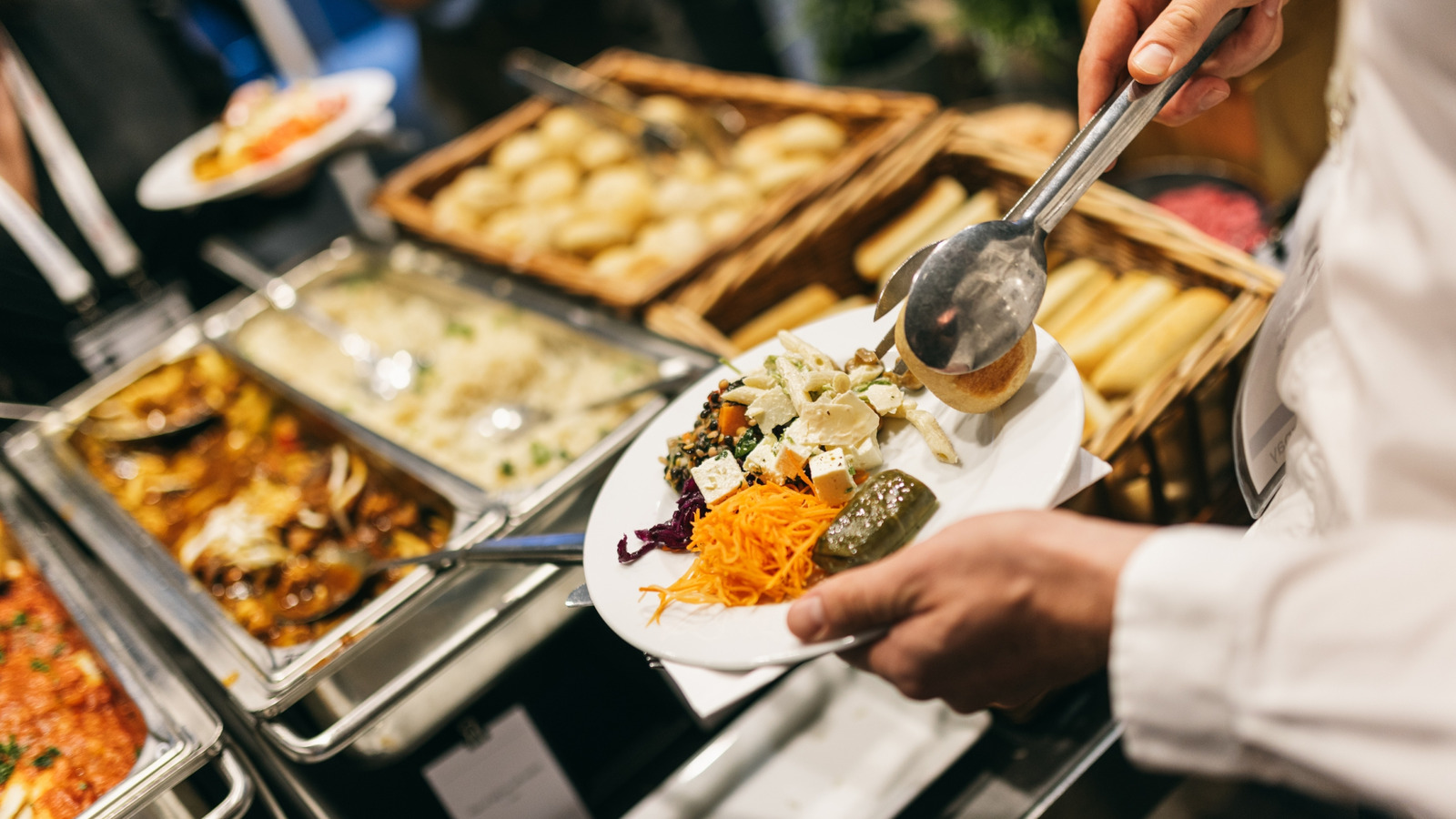
fromBoston.com
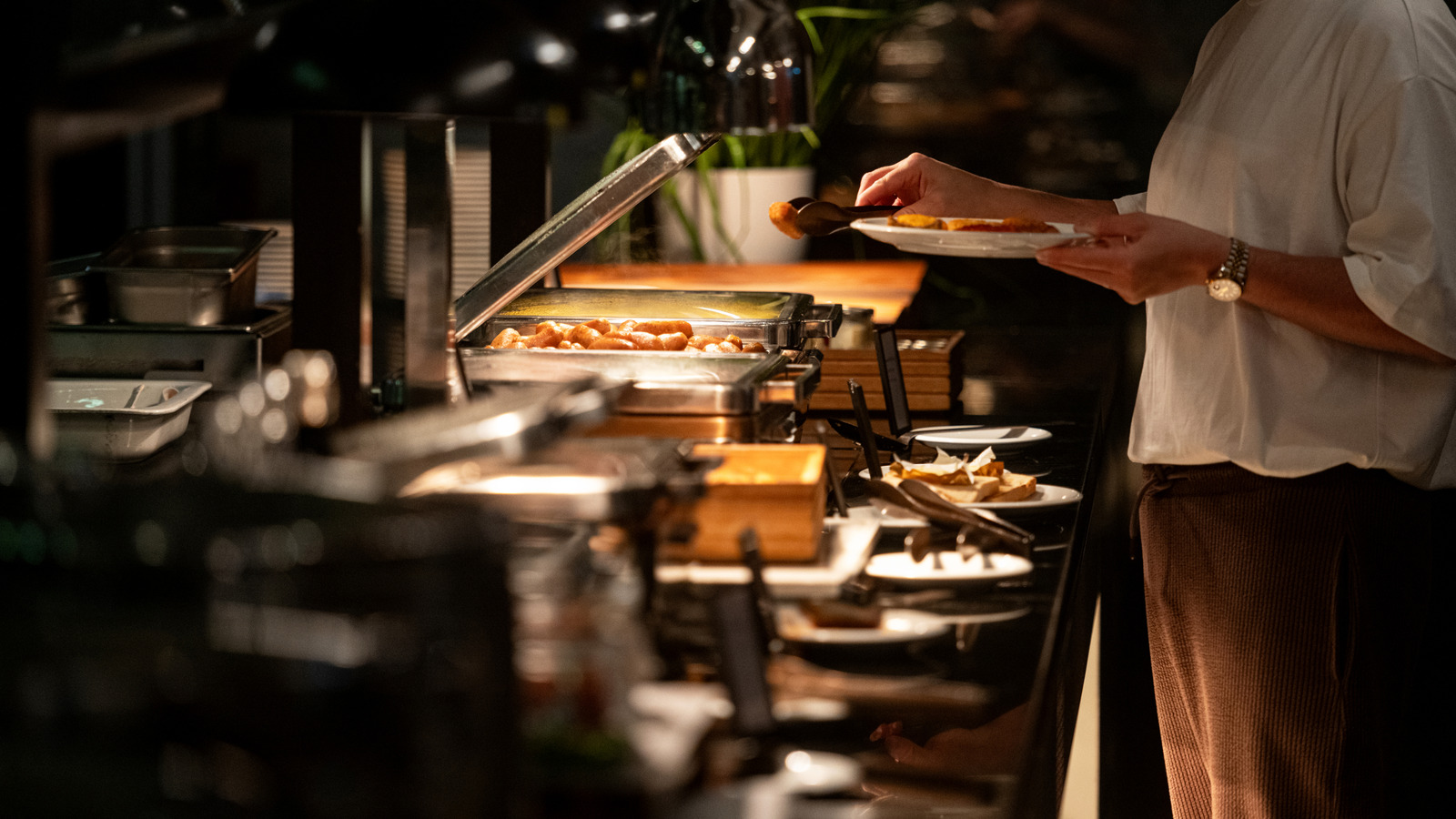
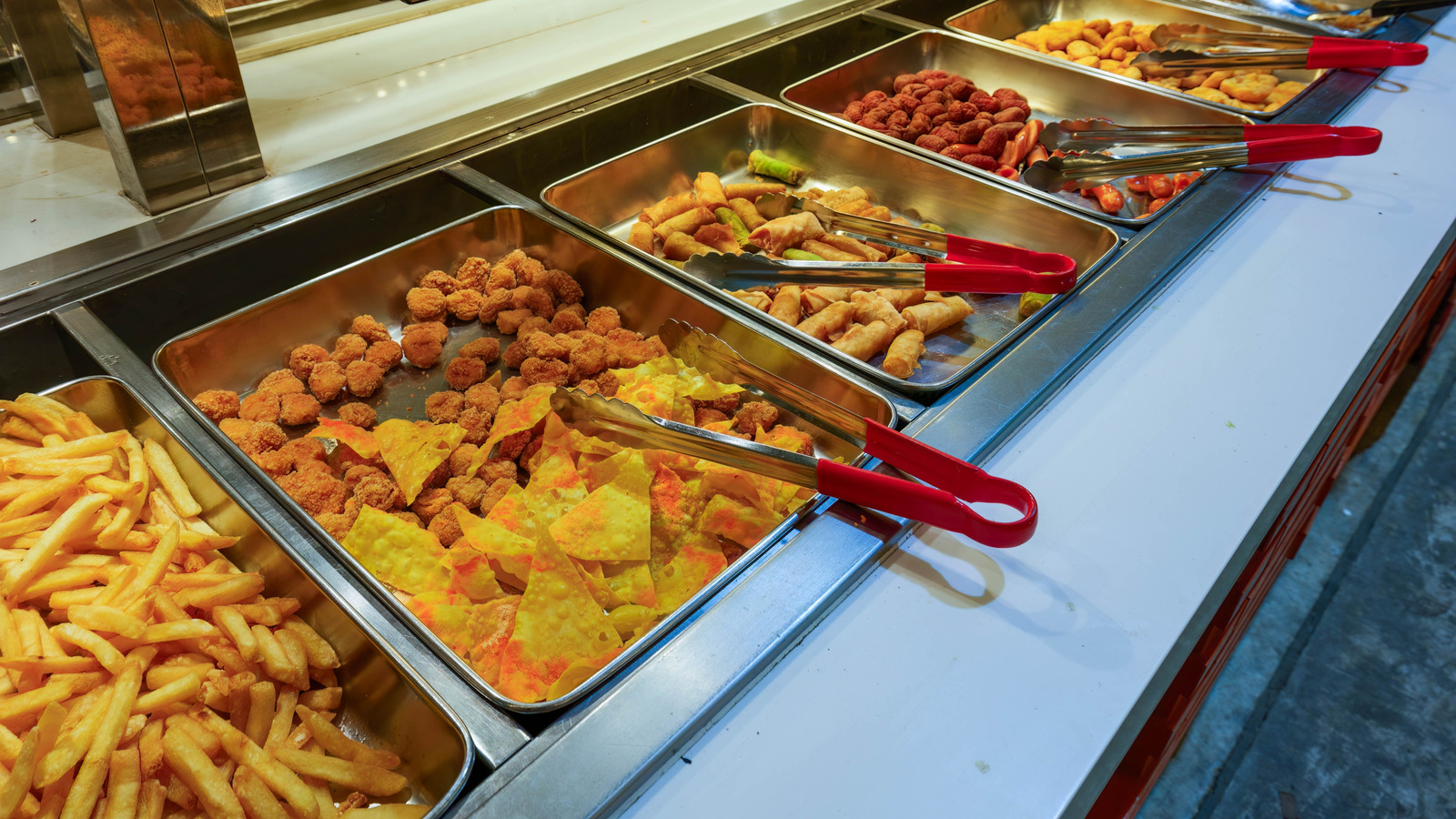
2 months agoTime Out Market reportedly will stay open
The Globe broke the story Thursday afternoon, writing that local real estate developer Samuels and Associates would take over the food hall and keep it as Time Out Market. The news comes a week after the London-based media brand announced it would close the popular food hall on Jan. 23, shocking much of Boston that the city's first major and modern food hall was shuttering so abruptly after opening to much fanfare in 2019. The reason for the closure, a Time Out spokesperson said, was due to lower foot traffic following the COVID-19 pandemic.
Food & drink
fromwww.aljazeera.com
2 months agoIs our food making us sick?
From ultra-processed foods to hidden chemicals, we ask whether what's on our plates is making us ill. From ultra-processed foods to chemicals linked to cancer and chronic disease, this episode unpacks what's really inside everyday supermarket products. We examine how mass production and convenience culture reshaped our diets, why some ingredients are banned in parts of the world but legal elsewhere, and what FDA-approved actually means.
Food & drink
[ Load more ]