#palace-of-westminster-restoration
#palace-of-westminster-restoration
[ follow ]
#london #architecture #southbank-centre #queen-elizabeth-ii #national-gallery #kengo-kuma #brutalism
fromianVisits
1 day agoLondon's Alleys: Yarmouth Place, Mayfair, W1
Originally known as Sneads Court on John Rocque's map of London in 1746, the area was wider and more of a courtyard than an alley. Over time, it was renamed Hertford Place and later Yarmouth Mews as the neighborhood evolved into larger hotels and grand houses.
London food

Environment
fromLondon Business News | Londonlovesbusiness.com
6 days agoHow are construction sites improving air quality? - London Business News | Londonlovesbusiness.com
Construction contributes significantly to air pollution, but improvements like on-tool extraction and water-based dust suppression are helping to mitigate these effects.
fromwww.standard.co.uk
6 days ago1,500 new homes on Greenwich peninsula set for green light
Galliard Homes reduced the amount of affordable housing in the project's housing stock from 35 per cent to just 10 per cent, citing increased construction costs and changing building regulations as key factors.
LA real estate
fromThe Art Newspaper - International art news and events
5 days agoLondon's V&A launches webpage exploring provenance of its objects
The new webpage, entitled 'How have objects come to be in the V&A?', points out that for some objects, their journeys have involved known histories of violence, coercion or injustice, while for others there remains uncertainty over exactly how they came to be here.
Arts
fromOpen Culture
5 days agoExplore 1,000,000 Digitized Artworks from Across the UK: Paintings, Sculptures, Street Art & More
Art UK has taken it as its mission to digitally unite one million artworks from 3,500 institutions. This free-to-all portal connects everyone with the UK's public art collections.
London
fromianVisits
1 month agoThe church with anti-aircraft guns: Kilburn's unusual naval relics removed
The Grade II listed building is on Historic England's Heritage at Risk Register and is currently recorded as being in poor condition. The national Marine Society and Sea Cadets (MSSC), which held the lease, has confirmed that it can no longer meet the building's repair obligations and will surrender the lease so that restoration can be carried out by new occupants.
London music
fromianVisits
6 days agoTulip takeover: Hampton Court Palace bursts into bloom as Tulip Festival returns
The tulips gained fame in 1912, when it was widely reported that a tulip with four distinct blooms on one stem had been spotted at the palace, and the following year, it was reported that the palace had its best display in many years.
London
UK politics
fromwww.theguardian.com
1 month agoParliament should leave the London bubble and the Palace of Westminster be repurposed | Letters
Parliament should permanently relocate from London to a geographically central location like Derby, reducing costs, improving accessibility, and generating revenue through heritage tourism of renovated historic buildings.
fromTime Out London
5 days agoThis historic east London picture house is reopening - and it could have a surprising new operator
'With the recent news that the building's redevelopment is on track for autumn 2027, our inbox has been overflowing with residents asking if we'll be involved,' says the Castle in a statement.
London
Renovation
fromArchitectural Digest
1 month agoA Victorian House in East London Reinterprets French Style Through Rose-Colored Glasses
Soft curves, mirrors, and architectural details transform a narrow Victorian house into a sophisticated, fluid living space with carefully curated furnishings and artistic touches.
fromrestlessfeet.com
2 months agoThe Westin London City
The hotel is located on the historic Queenhithe Dock on the Thames, a natural inlet where Alfred the Great arrived in 886 to rebuild the city after it was abandoned by the Romans. Queen Matilda was granted the dues from the dock in the early 12th century, hence the name Queenhithe. Nowadays, the Westin London City is a perfect spot for visiting theatres and museums it has a spectacular view over Shakespeare's Globe and Tate Modern, which are just across the river.
Travel
fromianVisits
2 months agoLondon Alleys: Buckingham Mews, Victoria, SW1
Despite its proximity to one of London's busiest tourist attractions, its back street location is remarkably quiet and peaceful. Leading off Stafford Place, it was originally, and unsurprisingly, called Stafford Mews, as it was built as stabling for houses on Buckingham Gate, facing the palace. Constructed around 1860, the stables were simple two-storey houses, built initially with stables at the ground and accommodation above.
Real estate
fromLondon Unattached
2 months agoThe Green Parlour, Royal Horseguards afternoon tea - Review
A string quartet was playing in the hotel's lobby on our arrival, and the music drifted gently through to the Green Parlour as we took our tea. The tea room itself is unmilitary in style, with lots of soft greens and botanical art on the walls. For those who like their afternoon tea with bubbles, there's a choice of English sparkling wines at the Green Parlour.
Food & drink
fromTime Out London
2 months agoThis gorgeous art deco office building in the City of London is being converted into a hotel
If you're an art deco architecture geek, you'll no doubt know all about Ibex House. The shimmering pale office building, which you'll find on the east side of the Minories in the City, is renowned for its long streamline moderne curves and mesmerising black-framed windows. The vast H-shaped structure is Grade II-listed and one of London's most remarkable surviving art deco buildings.
Remodel
fromianVisits
2 months agoDredging the past: Hanwell's historic canal side ponds being repaired
Every time a boat passes through a canal lock, thousands of litres of water are released and must be replaced, usually from other sources. To reduce water loss, engineers sometimes build side ponds next to canals with several locks in succession. These side ponds allowed water to be "put aside" rather than lost. When a lock chamber was emptied to lower a boat to the next level, paddles were opened to divert the water into an adjacent side pond.
UK news
fromwww.theguardian.com
1 month agoThe Guardian view on saving Westminster: parliament should leave London | Editorial
The palace, rebuilt after a fire destroyed it in 1834, is falling apart. There have been 36 fire incidents since 2016. Water leaks, heating failures and sewerage problems plague the heart of this Unesco world heritage site. Fixing Westminster would save money in the long run. An upgrade is also a matter of safety and legacy.
UK politics
London politics
fromwww.standard.co.uk
1 month agoTower of London 'at-risk of serious harm' under draft plan for Square Mile
Historic England warns that the City of London Corporation's City Plan 2040 poses serious risks to the Tower of London's preservation due to excessive development scale and location.
Renovation
fromianVisits
1 month agoKew's Victorian Palm House set for 60m overhaul after lottery funding boost
The Royal Botanic Gardens, Kew secured £240,000 development funding and potential £10 million delivery grant to refurbish the Victorian Palm House, aiming to create a sustainable renovation benchmark while reducing its high energy consumption.
fromianVisits
2 months agoPikes at the Palace: English civil war re-enactors to march through London
So, on Sunday 25th January, members of the reenactment society will converge on The Mall from all across the country, some arriving already dressed in buff coats and broad-brimmed hats, others changing into period clothing on arrival. There are pikes to be shouldered, muskets checked, and a few tentative practice swings as old drill is recalled, before the ranks are set and order restored.
History
fromianVisits
2 months agoTickets Alert: Open days at Whitehall's Banqueting House
Whitehall's Banqueting House, one of the few survivors of the vast Palace of Whitehall, is due to reopen this summer, but is having a few preview days before fully reopening. Inside the highlight is the painted ceiling by Sir Peter Paul Rubens, commissioned by King Charles I and installed in 1636. That painted ceiling would also have been one of the last things the King saw when he was led out onto the scaffolding to be executed.
Arts
fromianVisits
2 months agoStrawberry Hill's new exhibition chases a lost dagger with a questionable past
Two Ottoman-made decorative daggers, misattributed to King Henry VIII, are displayed at Strawberry Hill alongside materials about a missing Tudor-associated dagger and its theatrical afterlife.
Renovation
fromwww.standard.co.uk
1 month agoNeighbours at war over plans to build over last surviving' Georgian entrance at 1.6m Greenwich home
A proposed two-floor extension to a Georgian listed house in Greenwich would destroy the last remaining example of architect Michael Searles' distinctive recessed entrance bay design, sparking heritage concerns and neighbour disputes.
London
fromTime Out London
1 month agoOne of London's most spectacular houses is opening to the public next month
The Cosmic House, a rare Grade I-listed postmodernist building in Kensington designed by Charles Jencks and Sir Terry Farrell, opens to the public on April 22 with an Isaac Julien film installation.
fromArchDaily
1 month agoOrms Appointed to Lead Redevelopment of London's BT Tower into Hotel
BT Tower, one of London's most recognizable postwar landmarks, is set to be converted into a hotel. London-based architecture practice Orms has been appointed to lead the redevelopment following the acquisition of the Grade II-listed tower by the American hospitality company MCR Hotels in early 2024.
London
Renovation
fromThe Art Newspaper - International art news and events
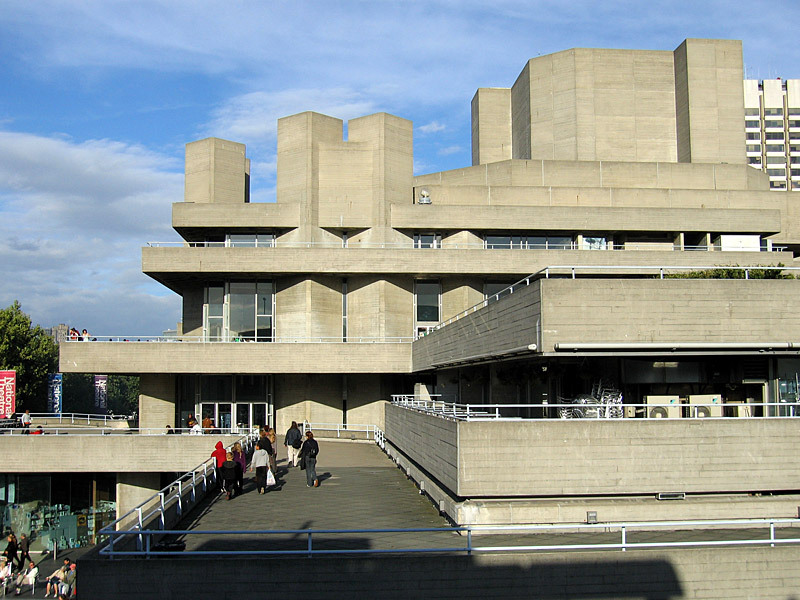
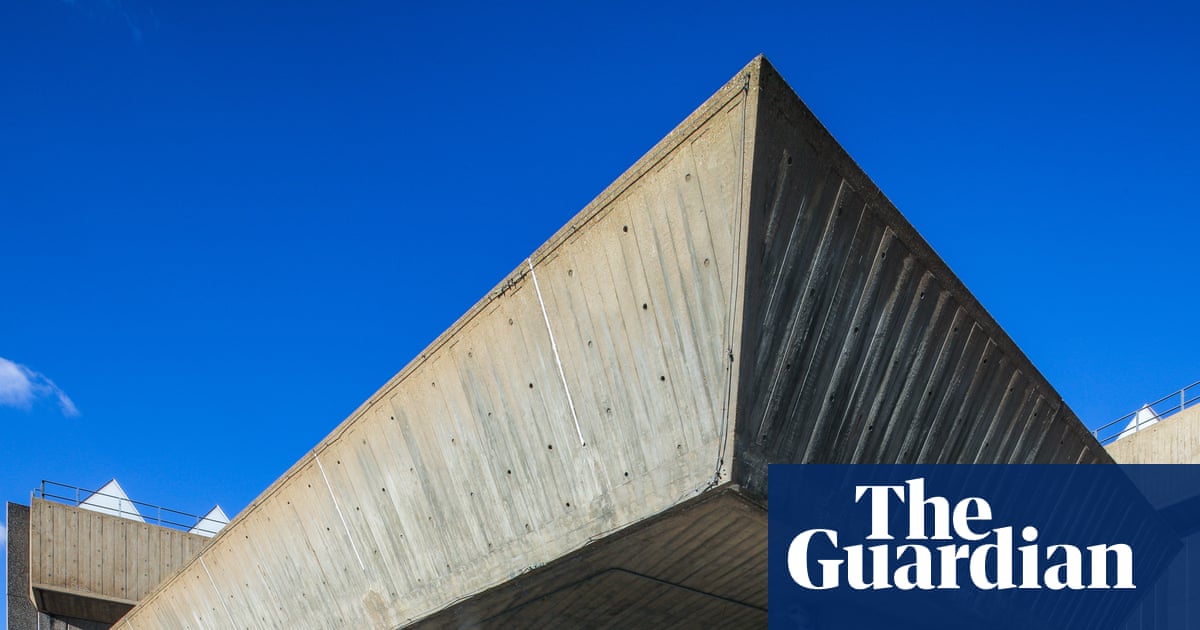
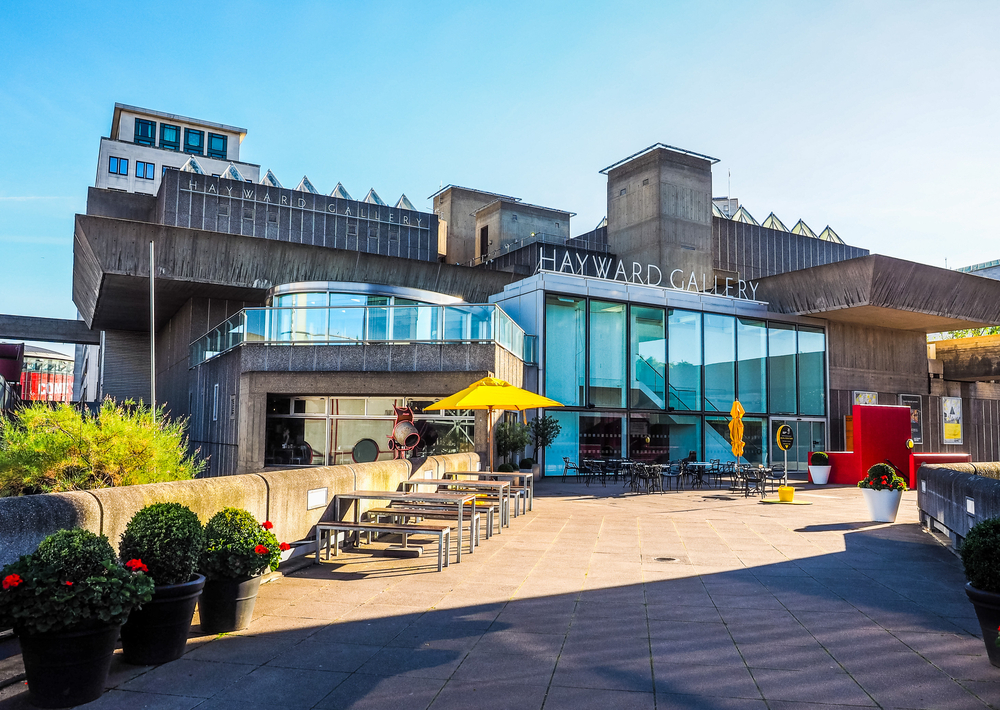
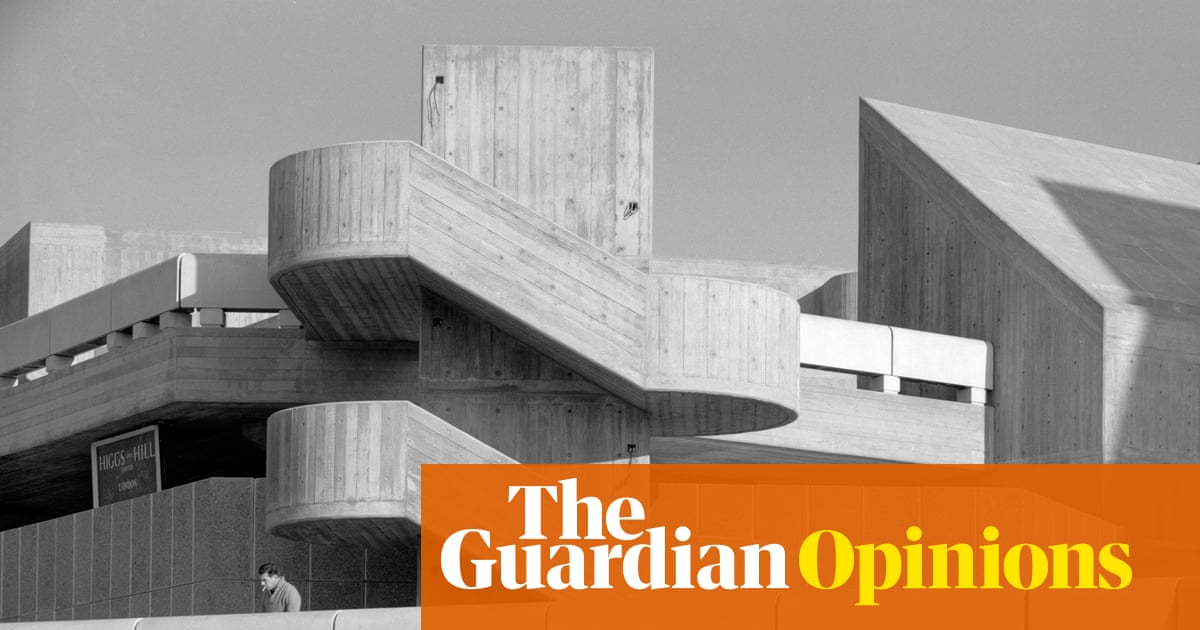
2 months agoLondon's Brustalist Southbank Centre awarded protected heritage status
London's Southbank Centre has received Grade II listing, granting statutory heritage protection to its Brutalist Hayward Gallery, Purcell Room, Queen Elizabeth Hall and adjacent spaces.
fromianVisits
2 months agoWorld's oldest gasholder to be restored and opened to the public
The world's oldest surviving gasholder is to be restored and repurposed as part of a housing development in west London. Hammersmith & Fulham Council has approved plans that will see the Grade II* listed Gasholder No.2 at King's Road Park restored, securing the future of a structure that will soon reach its 200th birthday. Built between 1829 and 1830, Gasholder No.2 is believed to be the oldest surviving gasholder in the world.
Renovation
fromYanko Design - Modern Industrial Design News
1 month agoThis New London Cafe Has a Ceiling Inspired by St Paul's Dome, and It Sits Right on the Thames - Yanko Design
The most arresting is a dramatic circular void carved into the ceiling, a spatial echo of St Paul's dome, translated from the sacred to the everyday. Below it, a monolithic espresso counter holds the room together, its weight and material language borrowed from Tate Modern's industrial character and the infrastructural logic of the riverbanks themselves.
London
fromArchDaily
1 month agoStudio Egret West to Masterplan the Future Phases of Battersea Power Station Regeneration in London
Battersea Power Station is a former coal-fired power station located on the south bank of the River Thames in London, originally designed by architects J. Theo Halliday and Giles Gilbert Scott. Notable for its appearance on the cover of Pink Floyd's 1977 studio album Animals and in Alfred Hitchcock's 1936 film Sabotage, the station is one of the world's largest brick buildings and is known for its Art Deco interior fittings and décor.
London
fromianVisits
2 months agoVictorian drinking fountain returns to Princes Circus - but the water's been turned off
A Victorian drinking fountain has been restored to its original location following conservation, but it is not fully functional and cannot dispense drinking water. The Princes Circus fountain was installed in 1879 to commemorate Queen Victoria's 60th year on the throne, but was originally in a different location. It used to be a bit further north, on the junction of New Oxford Street and Shaftesbury Avenue, opposite Coptic Street. In 2003, it was moved to sit in a fenced-off island space outside the Shaftesbury Theatre.
London
[ Load more ]