#pc-parts-shortage
#pc-parts-shortage
[ follow ]
#supply-chain #apple #technology #price-increase #memory-shortage #ai-demand #semiconductors #ai #intel #nvidia




fromTechCrunch
5 days agoMeta raises Quest 3 and Quest 3S prices due to RAM shortage | TechCrunch
"We're making this change because the cost of building high-performance VR hardware has risen significantly. The global surge in the price of critical components - specifically memory chips - is impacting almost every category of consumer electronics, including VR."
Wearables






fromEngadget
2 days agoThe next Mac Studio and MacBook Pro releases could be postponed by several months
At least two of the company's upcoming machines could debut a little later than the company initially planned, referencing the refreshes to Apple's desktop and its laptop that's expected to get a touchscreen.
Apple


fromTheregister
3 weeks agoUS PC shipments to fall 13% as memory costs surge
US PC shipments are set to fall by 13 percent this year thanks to the ongoing memory and storage crisis, with budget PCs hardest hit. Memory and storage costs will see at least a 60 percent increase during Q1 2026, compounding last year's rises of 40 to 70 percent.
Tech industry
Business intelligence
fromComputerworld
1 month agoMemory shortage batters PC market; double-digit sales drop coming, say analysts
Enterprise buyers face volatile pricing with short-term vendor quotes, budget constraints delaying PC purchases, and slower AI PC adoption with reduced memory specifications.



Information security
fromTheregister
1 month agoMemory scalpers hunt scarce DRAM with bot blitz
Web scraping bots are systematically targeting DRAM inventory across e-commerce sites, submitting millions of requests to identify stock for resale at inflated prices, with operators increasingly using AI tools to enhance their scraping effectiveness.
fromFortune
2 months agoRampant AI demand for memory is fueling a growing chip crisis | Fortune
Since the start of 2026, Tesla Inc., Apple Inc. and a dozen other major corporations have signaled that the shortage of DRAM, or dynamic random access memory - the fundamental building block of almost all technology - will constrain production. Cook warned it will compress iPhone margins. Micron Technology Inc. called the bottleneck "unprecedented." Musk got to the intractable nature o f the problem when he declared Tesla is going to have to build its own memory fabrication plant.
Artificial intelligence

fromKotaku
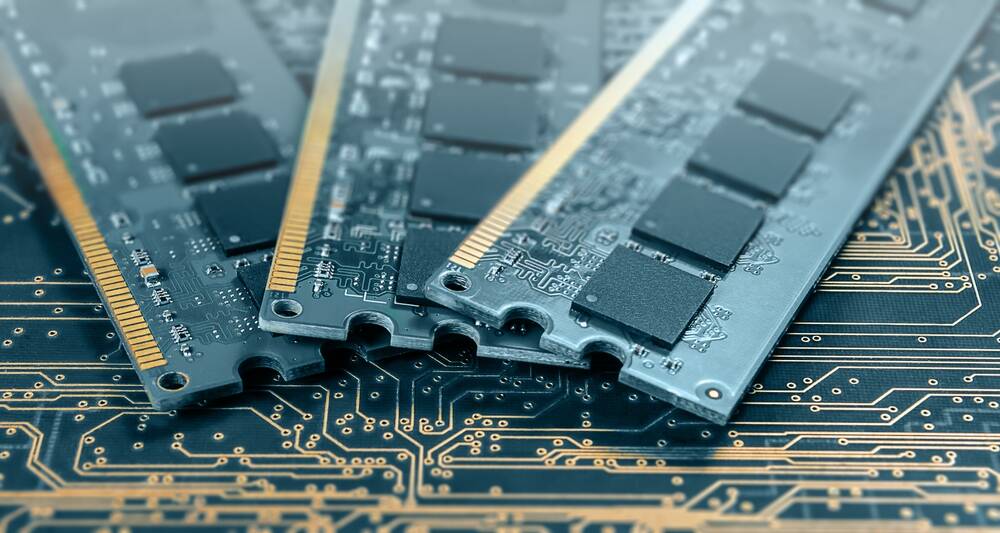
1 month agoSteam Machine Suffers Another Shipping Setback Amid RAM Crisis
Here's the lineup of hardware we announced in 2025. We hope to ship in 2026, but as we shared recently, memory and storage shortages have created challenges for us. We'll share updates publicly when we finalize our plans!
Gadgets
fromThe Verge
2 months agoThe RAM shortage is coming for everything you care about
Do you have a phone in your pocket you'd like to upgrade in the next few years? Fancy a game console or handheld? A laptop, perhaps? Will you need a new router, whether you're purchasing outright or renting from your ISP? Each of these devices is expected to have shortages, price hikes, or both in 2026. And even if you don't plan to buy, you depend on goods and services from others who'll be paying more to upgrade their devices.
Gadgets
fromArs Technica
2 months agoDIY PC maker Framework has needed monthly price hikes to navigate the RAM shortage
AI-driven memory and storage price hikes have been the defining feature of the PC industry in 2026, and hobbyists have been hit the hardest-companies like Apple with lots of buying power have been able to limit the price increases for their PCs, phones, and other gadgets so far, but smaller outfits like Valve and Raspberry Pi haven't been so lucky.
Gadgets


[ Load more ]