#peoples-republic-of-china
#peoples-republic-of-china
[ follow ]




#ai
European startups
fromFortune
4 weeks agoChina could be the 'big winner' in the AI race, thanks to abundant power, cheap manufacturing, and an open-source craze | Fortune
China's AI sector is gaining momentum due to cheaper energy, increased capital spending, and a growing number of open-source developers.

European startups
fromNature
1 month agoTop brass in China reaffirm goal to be world leaders in tech, AI
China's 15th five-year plan (2026-2030) commits extraordinary measures to lead globally in AI, quantum technology, and advanced fields through increased R&D spending and technological self-sufficiency.
fromwww.aljazeera.com
1 month agoChina's key NPC meeting comes to a close as lower growth target set
The 15th iteration of the five-year plan, an economic roadmap for 2026 to 2030, also set targets for inflation, the fiscal deficit ratio and urban unemployment. China has set the longterm goal of becoming a moderately developed country by 2035 and raising gross domestic product (GDP) per capita to $20,000.
World news
Social media marketing
fromBusiness Insider
1 month agoAmerica, China sees your Chinamaxxing. It's drawing laughs, national pride, and some eye rolls.
Americans are adopting "Chinamaxxing" on TikTok, performing Chinese cultural practices like boiling apples and practicing tai chi, while Chinese social media users express mixed reactions ranging from pride to discomfort about the trend.
fromwww.theguardian.com
2 months agoChinese football returns against backdrop of bans, crackdowns and confusion
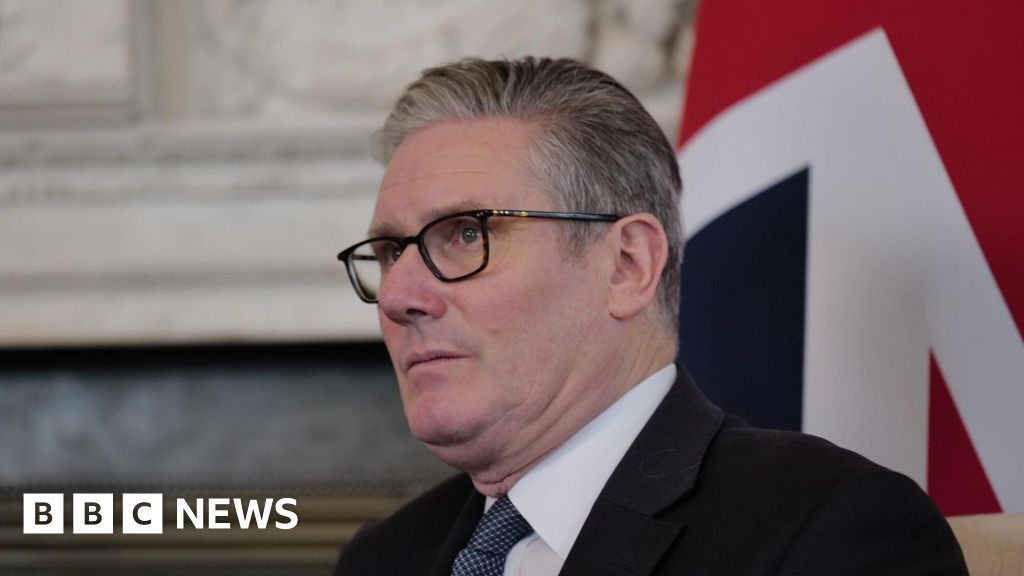
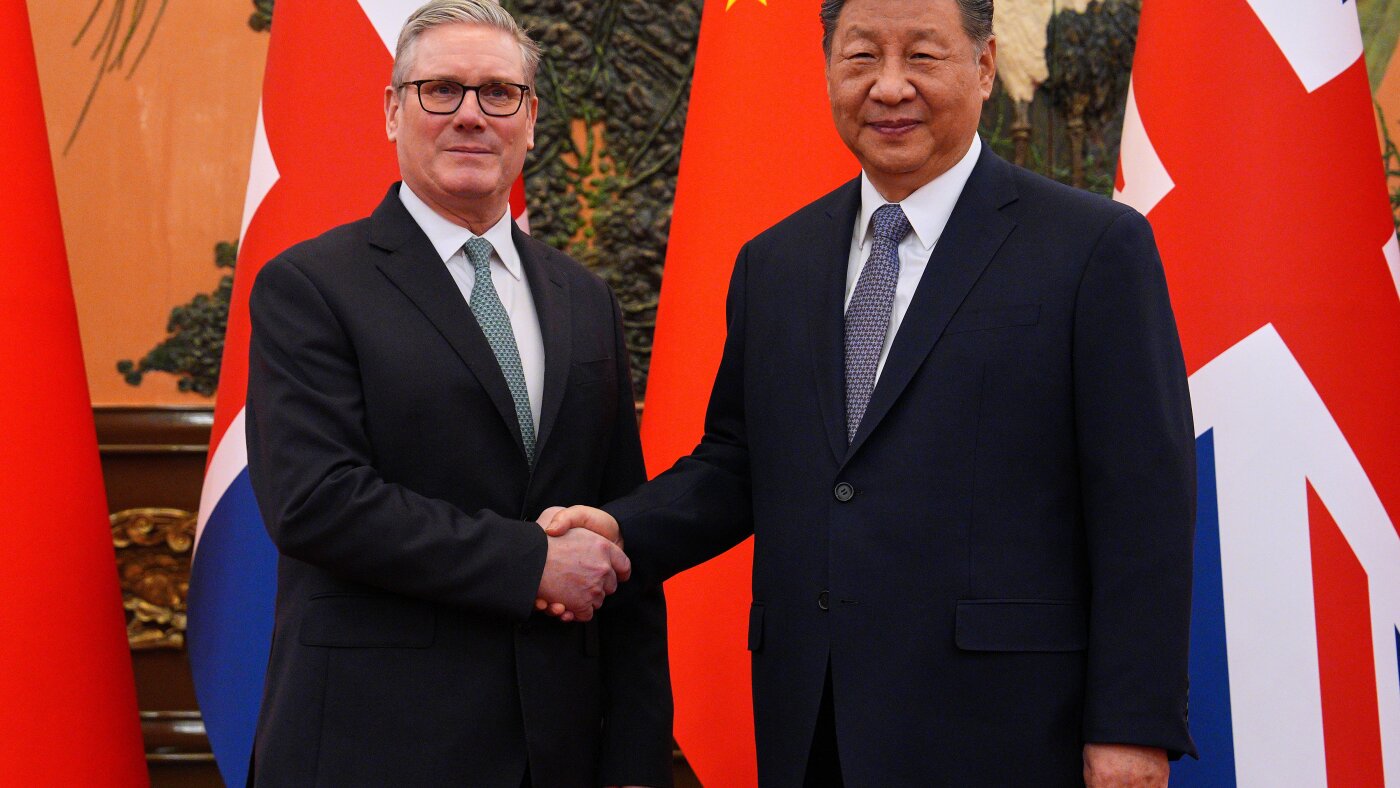
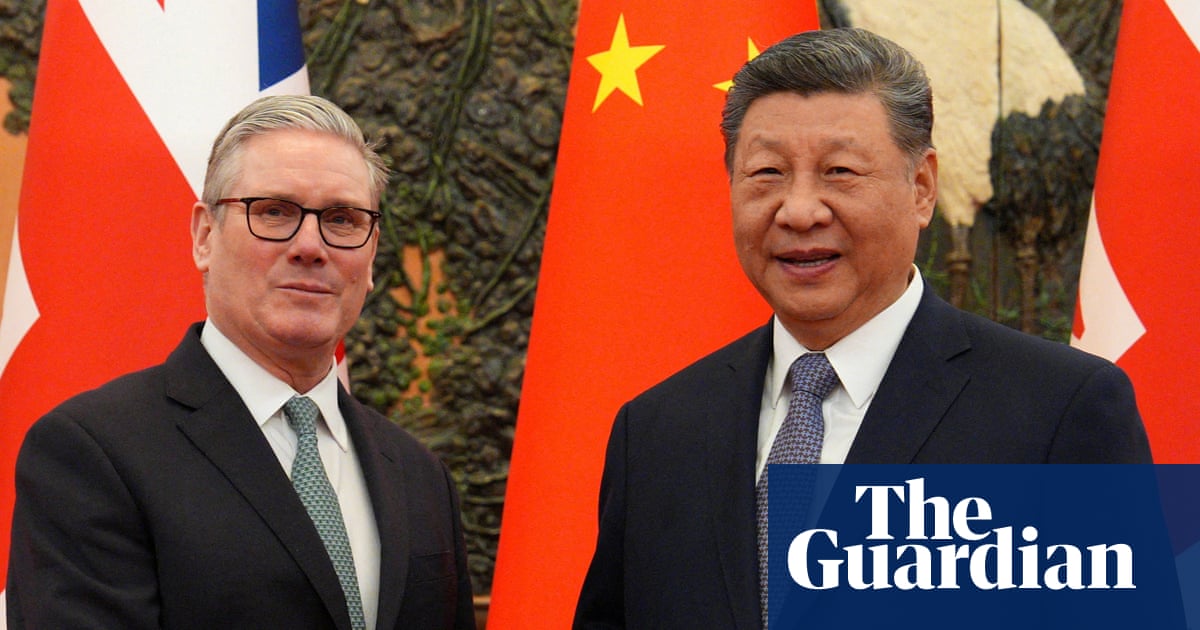
When Keir Starmer met Xi Jinping recently, reporters said the British prime minister was shocked at his Chinese counterpart calling Crystal Palace Palace, liking Manchester City and Arsenal and supporting Manchester United. The reasons can be guessed. Fan Zhiyi was popular at Selhurst Park in the late 1990s, Sun Jihai was a cult hero at Maine Road and Manchester United had Dong Fangzhuo. The president of the world's second most populous country and second biggest economy didn't, however, mention Everton.
Soccer (FIFA)

fromBusiness Insider
2 months agoChina's AI push is about spreading economic gains, not enriching tech giants, a finance CEO says
Open source - that might be the clearest signal of how China wants artificial intelligence to reshape its economy. Hisham Alrayes, the group CEO of Bahrain-based GFH Financial Group, said China is prioritizing open models and broad deployment to spread AI's gains across the economy, instead of funneling them to a few tech giants. Speaking at a Davos panel on China's "AI+ Economy" strategy on Wednesday, Alrayes said the country's approach reflects a fundamentally different economic philosophy.
Artificial intelligence



World news
fromFortune
1 month agoChina just set its lowest economic growth target since 1991 | Fortune
China set a 4.5% to 5% growth target for 2026, its lowest since 1991, signaling a shift from high-growth priorities to high-quality development while managing domestic property challenges and external uncertainties.
World news
fromwww.theguardian.com
1 month agoChina's Two Sessions: what are the meetings and why do they matter?
China's Two Sessions convene annually to ratify legislation, personnel changes, and budgets through the NPC and CPPCC, with this year focusing on the 15th five-year plan for 2026-2030 emphasizing domestic demand and cutting-edge technology development.
fromFast Company
1 month agoChina's economy is losing momentum, as its national congress prepares for meetings in Beijing
What we'll see is the trade-off between whether it's going to be industry and tech, or looking after domestic demand. These are the two priorities that are juggling for Xi Jinping right now.
World news
World politics
fromwww.npr.org
1 month agoFive key takeaways from an annual briefing by China's foreign minister
China's foreign minister Wang Yi criticized the U.S.-Israeli conflict with Iran while signaling openness to a Trump-Xi meeting and advocating for dialogue between the world's two largest economies.
World news
fromFortune
2 months agoChina's export-led growth is looking more and more unsustainable while a real estate crash and reeling consumers fuel deflationary spiral | Fortune
China's export surge drove record $1.19 trillion trade surplus and sustained 5% GDP growth in 2025 despite weak domestic consumer demand and property slump.
fromFortune
2 months agoChinese shoppers can't get enough of Disney's Zootopia and Ralph Lauren's 'old money' look despite nationalistic vibes | Fortune
In China, consumerism appears to outweigh nationalism regardless of how testy relations have become in recent diplomatic spats with countries like Japan and the United States. It has been common practice for the ruling Communist Party to whip up nationalist sentiment and deploy propaganda condemning countries deemed to be violating China's stance on territorial issues as Taiwan and Tibet. At times, Beijing targets companies that make ideological missteps in their maps or advertising.
World news
fromwww.aljazeera.com
2 months agoWhat role is China playing in global geopolitical transformations?
China's official discourse centres on the idea of peaceful rise, the commitment to non-interference in internal affairs, respect for sovereignty and territorial integrity, and economic partnerships based on mutual benefit. Beijing insists that relations with Washington should not slide into conflict, calling for a system of global governance built on cooperation rather than confrontation. Yet the geopolitical landscape reveals a wide gap between this discourse and reality. Donald Trump's return to the White House has brought back rhetorical escalation and increased geopolitical pressure.
World politics
#china-two-sessions
World politics
fromenglish.elpais.com
1 month agoWhat Chinese politicians think about the attack on Iran: This isn't the world order I grew up with'
China's Two Sessions political gathering presents the nation as stable amid global turbulence, though Middle East geopolitical tensions have penetrated discussions despite tight scripting.
World politics
fromwww.theguardian.com
1 month agoChina's Two Sessions to reveal Xi's economic and defence plans as military purge casts shadow
China's Two Sessions convene this week to set annual economic targets and launch the 15th five-year plan for 2026-2030, with the NPC serving as the formal legislative body despite the CCP holding ultimate decision-making power.
World politics
fromwww.aljazeera.com
1 month agoChina set to release new five-year plan at National People's Congress
China will unveil its 15th Five-Year Plan for 2026-2030 at the NPC this week, with an expected GDP growth target of 4.5 to 5 percent, while addressing challenges from trade tensions and weak consumer confidence.
[ Load more ]