#phoenix-market
#phoenix-market
[ follow ]
#housing-market #real-estate #home-prices #inventory #days-on-market #arizona #market-trends #inventory-growth
#prediction-markets
Poker
fromJezebel
3 weeks agoGet This: Arizona Seems to Think That Kalshi Is Involved in GAMBLING
Arizona Attorney General Kris Mayes filed criminal charges against Kalshi, a prediction market platform, for operating an illegal gambling operation and taking bets on elections, making Arizona the first state to pursue such charges.
#housing-market
Real estate
fromwww.housingwire.com
43 minutes agoWhat 10 years of data reveals about 2026 housing market signals
Housing cycles follow a recognizable sequence of demand, pricing behavior, and buyer response, leading to market resets and recovery.


SF real estate
fromFortune
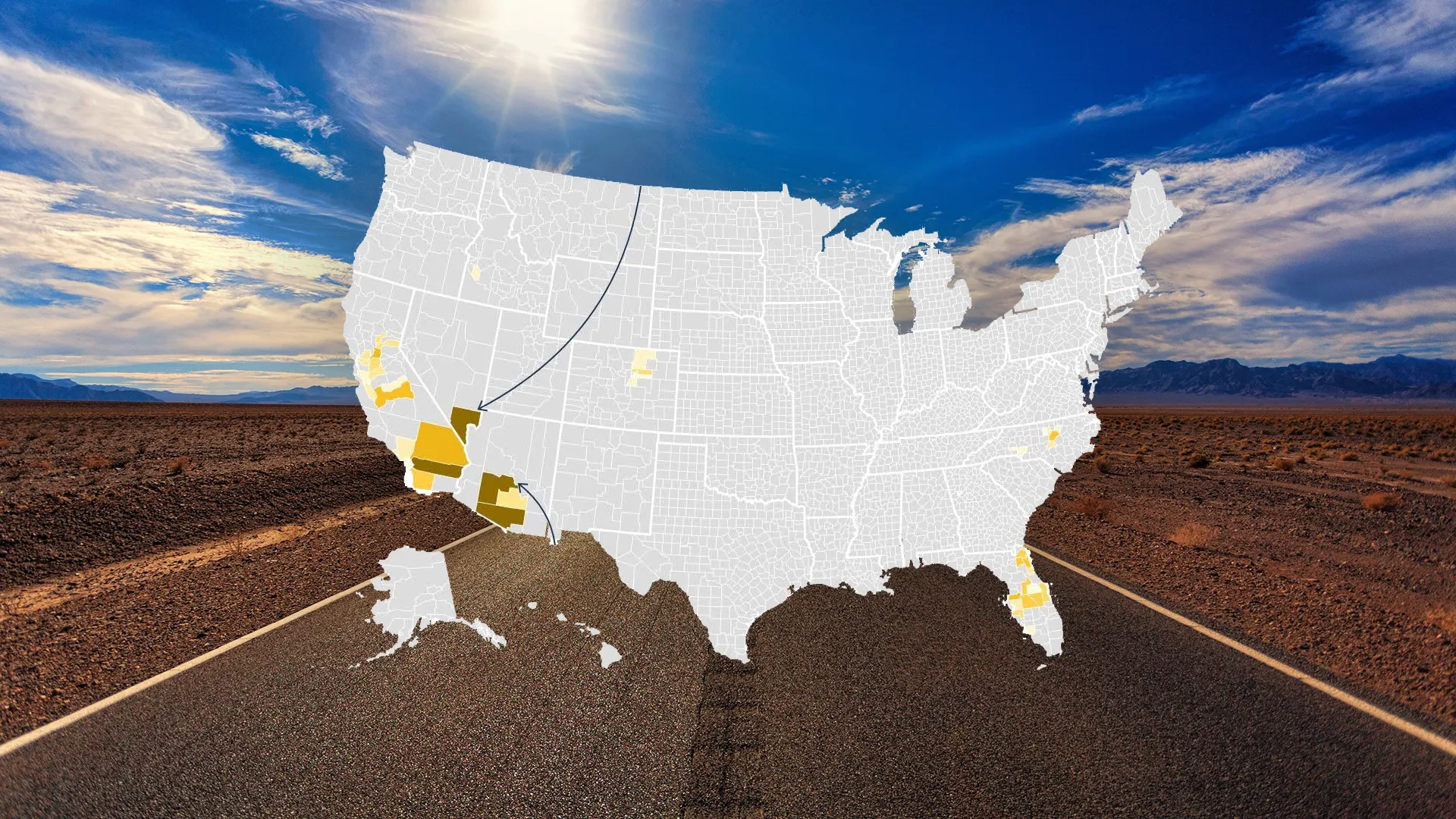
2 days agoThe 'affordability economy' has created a housing market nobody predicted: Prices collapsing in the Sun Belt, soaring in the Rust Belt | Fortune
U.S. housing market is experiencing a significant decline in prices after a post-pandemic boom, with projections for continued decreases.


fromwww.housingwire.com
4 days agoRancho Mission Viejo sets up last all-age phase at Rienda ahead of next growth wave
The last Rienda release concentrates on three all-age neighborhoods scheduled to grand open in fall 2026: Sunflower by Trumark Homes, Indigo by Lennar, and Primrose by Shea Homes, each offering a range of family-oriented home designs.
LA real estate
:max_bytes(150000):strip_icc()/TAL-lead-image-LIVEAZ0126-4fb5163219ed4aaf877c2f34356cd1d7.jpg)
LA real estate
fromLos Angeles Times
10 years agoWhat can you buy in the low $600,000s in Southern California?
Southern California homes in the low $600,000s range from 867 to 1,868 square feet across Los Angeles, Ventura, and San Diego counties, with median prices varying significantly by ZIP code and year-over-year appreciation rates between 6.6% and 18.2%.
fromSFGATE
1 month agoSF and Austin rents are almost exactly the same as they were in 2020
The supply side factor is, I would say, by far the biggest difference between San Francisco and Austin. Austin is just building a ton, and really, I would say setting kind of a good example for growing in a way that actually meets increasing demand.
San Francisco
#housing-affordability

Real estate
fromwww.housingwire.com
1 month agoLocal investors outpace builders in delivering starter homes
Housing affordability crisis stems from insufficient entry-level homes below $300,000, while millions of vacant properties remain underutilized despite investor-led renovation efforts restoring starter homes.
fromwww.housingwire.com
3 weeks agoOfferpad targets 1,000 quarterly transactions with AI platforms
We wanted to create an AI-powered operating system that could be there from the moment of reaching out to find the right customers through to when we close on the sale of a home to a consumer. AI has been able to take out 10 years of data and the tens of thousands of homes we have viewed and living rooms we have been in and help us do everything from find out which consumers are more likely to engage with us to what product is going to work for them and even what renovations we may need to do on a property.
Real estate
Real estate
fromFortune
1 month agoThe worst housing market in years couldn't stop single women from owning a record-breaking number of homes | Fortune
Single women own a record 20 million homes in the U.S., comprising 21% of home buyers and outpacing single men nearly two to one despite a slight decline in homeownership rate.
fromwww.housingwire.com
1 month agoTaylor Morrison's 2026 rebalance: romance over discounts
Beneath those headline numbers lies a more important strategic message for homebuilding leaders navigating 2026's high-rate, high-price, high-uncertainty environment: This is a year to decide not only what to lean into but what to step away from. Less than a decade ago, Taylor Morrison deliberately expanded its geographic footprint and product mix to compete across both discretionary move-up buyers and the entry-level, first-time segment. That diversification helped power years of growth. Now, management is signaling a pivot back toward core strengths.
Real estate
fromFast Company
1 month agoHomebuilder lot supply jumps so fast that 2 housing markets are now 'significantly oversupplied'
During the pandemic housing boom, we saw red-hot housing demand quickly absorb much of the available slack in the housing market. Back in 2021, active housing inventory for sale, unsold completed new builds, and available lot supply all plunged to historic lows. But ever since the pandemic housing boom fizzled out in mid-2022, housing slack has been building back up in the housing market-especially in certain pockets of the Sun Belt.
Real estate
fromSFGATE
2 months agoReal Estate Market Trends in El Paso, TX: Inventory Climbs - December 2025
In December, El Paso experienced an impressive surge in its active listing count, reaching 2,355 properties. This represented a substantial year-over-year growth of 15.7%, well ahead of the national inventory growth rate of 12.1%. With 562 newly listed homes, marking a 17.6% increase from the previous year, sellers showcased their enthusiasm to join the market. This robust influx of new listings, combined with the rise in active listings, underscored a unique opportunity for sellers to capture buyer interest.
Real estate

fromSFGATE
2 months agoIndianapolis Home Prices Up in May
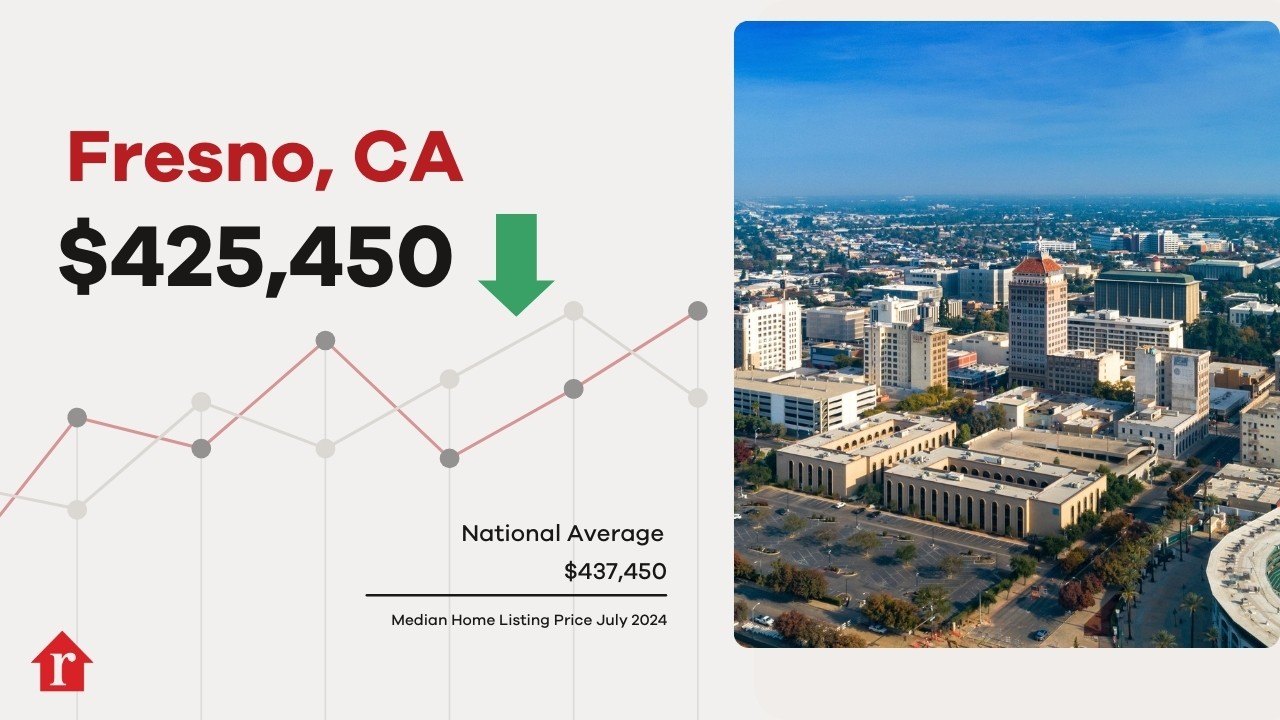
In May, home prices rose moderately from the month before, with a median listing price of $268,500. The number of listings on the market grew 12.9%, which is a bigger increase than normal for this time of the year in Indianapolis, and homes are also selling slower than at the same time last year. Home prices in Indianapolis Typically, home price per square foot in Indianapolis tend to rise in May.
Real estate
[ Load more ]