#pixelmator-pro
#pixelmator-pro
[ follow ]
#adobe #ai #generative-ai #ai-tools #canva #ai-assistant #user-experience #design-tools #firefly #photo-editing







Web design
fromThe Verge
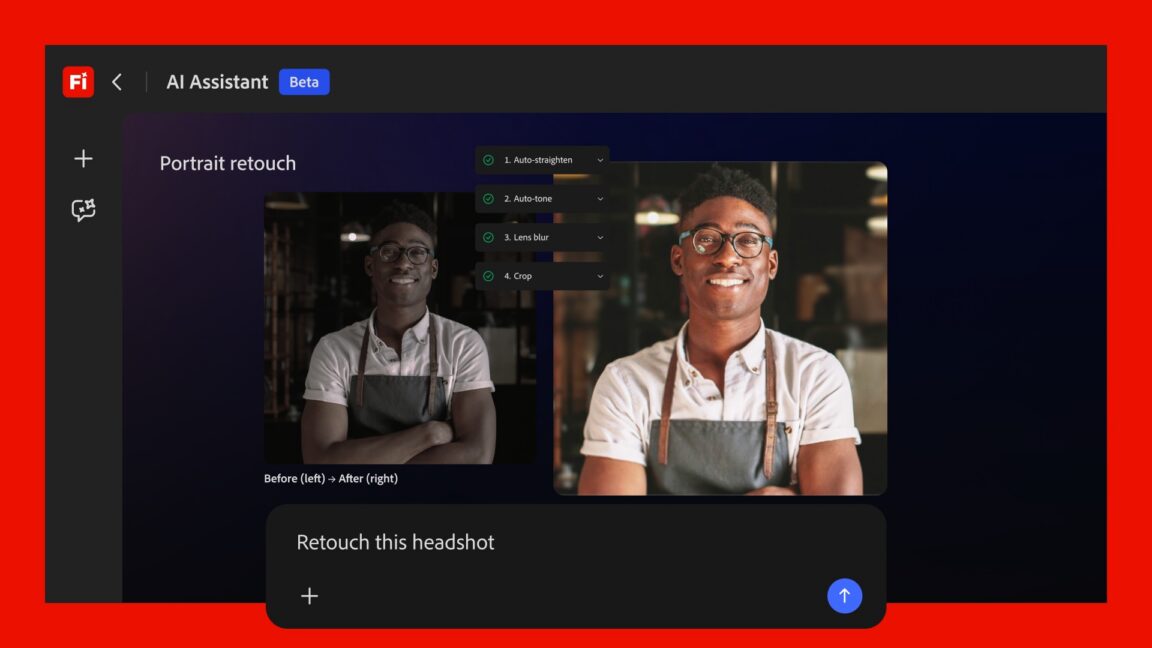
1 month agoYou can now ask Photoshop's AI assistant to edit images for you
Adobe launches agentic AI features across Creative Cloud apps, enabling users to edit images and documents through conversational chatbot interfaces in Photoshop, Acrobat, and Express, with integration into Microsoft Copilot and ChatGPT.
fromThe Verge
2 months agoMicrosoft Paint can now make AI coloring books
The latter feature is aptly called "Coloring book," and lets you make blank coloring templates in version 11.2512.191.0 of Paint based on a text prompt. Users can access this feature by selecting the Coloring book option from the Copilot menu in Paint, and then describing what the design should be, such as "a cute fluffy cat on a donut." Paint will then generate four results that Paint users can click to add to their canvas. From there, you can presumably use Paint itself to color the image, or print it out to use traditional art materials.
Gadgets
fromThe Verge
1 month agoGoogle adds a camera to Snapseed on iOS
The Snapseed camera defaults to an automatic mode, but also includes optional controls for ISO, shutter speed, and focus, along with flash and zoom. It allows you to shoot using saved looks and edit stacks from the app, which can be altered after the shot is taken, along with a range of preset film effects inspired by specific films from Kodak, Fujifilm, and more. There's even a handful of UI color themes to pick from too.
Mobile UX
fromjQuery Script
1 month agoFlick-style Image Annotation Library for Vanilla JS, jQuery & React
Annotate Image is a JavaScript image annotation library that creates Flickr-style comment annotations on images. You can draw rectangular regions on any image and attach interactive hotspots and notes to those regions. Version 2.0 is a complete TypeScript rewrite that works standalone with vanilla JavaScript or integrates with jQuery, React, and Vue. It's ideal for building photo galleries, design review tools, or any application requiring collaborative image markup.
JavaScript
Apple
fromFast Company
1 month agoPhotoshop's new AI assistant makes it easer than ever to edit images
Adobe launches an AI assistant for Photoshop Web and Mobile that enables intuitive photo editing through prompts, voice commands, and touch navigation, with results integrable into full Adobe creative workflows.
#ai-powered-design-tools
Graphic design
fromTechCrunch
1 month agoGamma adds AI image generation tools in bid to take on Canva and Adobe | TechCrunch
Gamma launches Gamma Imagine, an AI image-generation product for creating brand-specific marketing assets, positioning itself between professional design tools and legacy presentation software.


UX design
fromNana Banana AI & Nano Banana Pro | Photo Editor & Image Generator
2 months agoNana Banana AI & Nano Banana Pro | Photo Editor & Image Generator
Nano Banana uses AI to generate professional-grade designs from plain-English prompts, removing design-skill barriers and accelerating creative workflows.



fromEngadget
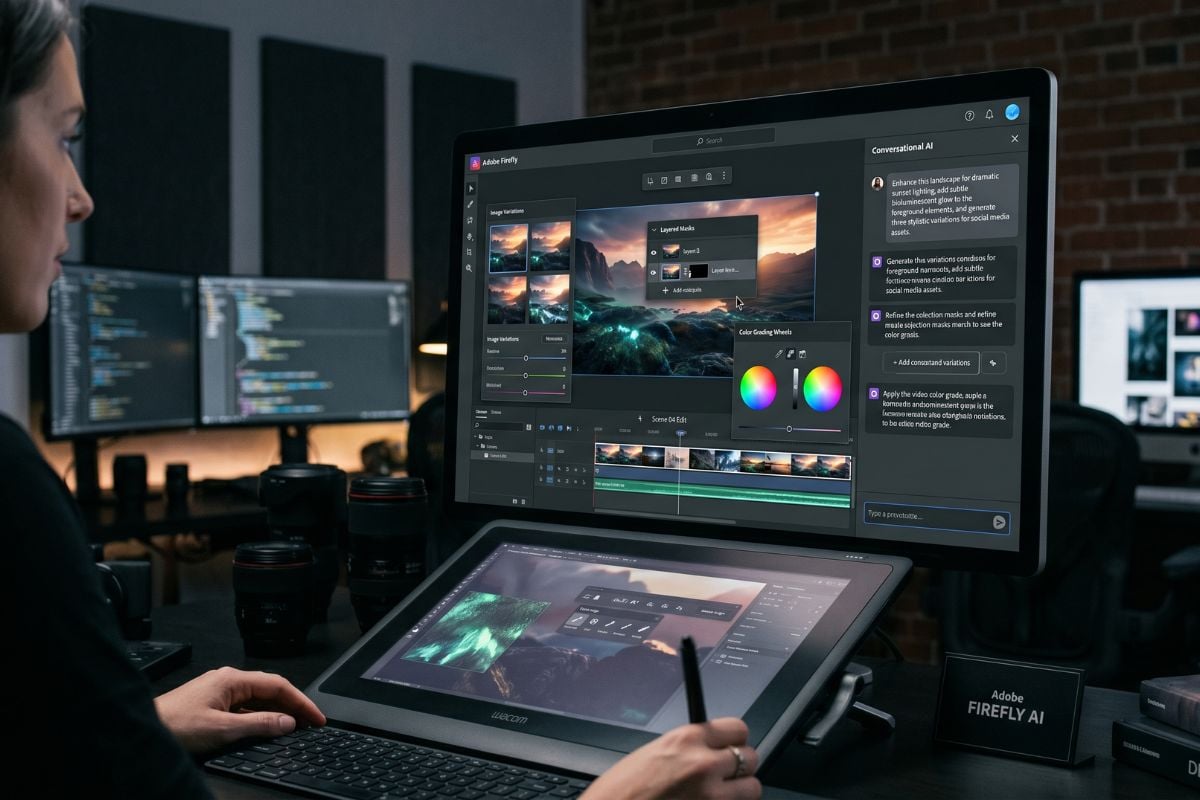
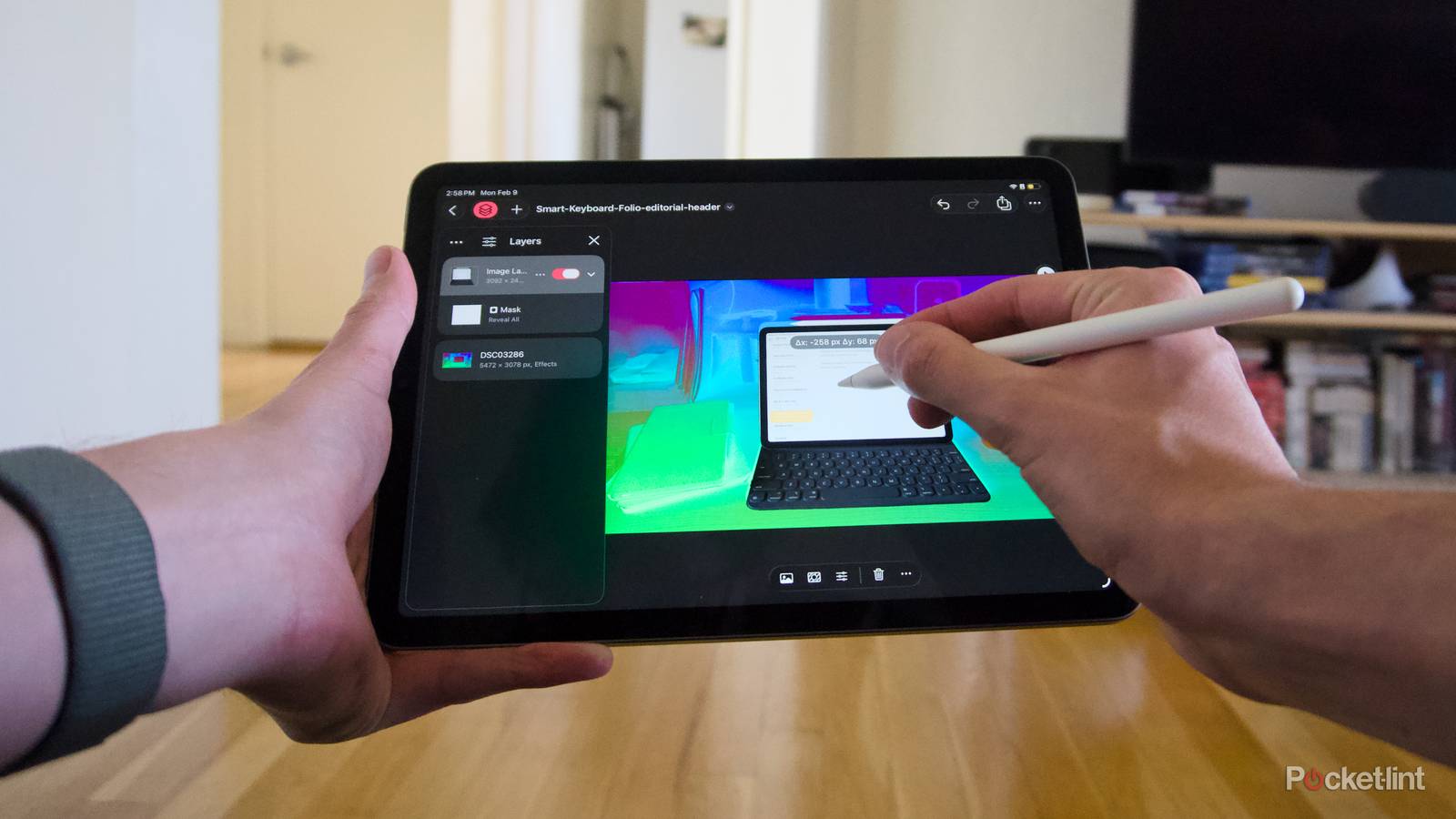
2 months agoAdobe Photoshop upgrades its Firefly-powered generative-AI editing tools
Adobe has improved the tools for Generative Fill, Generative Expand and Remove that are powered by its Firefly generative AI platform. Using these tools for image editing should now produce results in 2K resolution with fewer artifacts and increased detail all while delivering better matches for the provided prompts.
Photography
fromItsnicethat
1 month agoHow Procreate Dreams 2 is making animated storytelling more expressive than ever
Each layered element is independent, all housed within one object on your timeline. Multiple elements can be combined into a Flipbook by using the multi-select function. This allows for users to shift, organise, and retime frames.
Graphic design
Graphic design
fromTechCrunch
1 month agoAdobe is debuting an AI assistant for Photoshop | TechCrunch
Adobe launches AI assistant for Photoshop in beta across web and mobile, enabling object removal, color changes, and lighting adjustments through natural language prompts, while expanding Firefly with generative editing tools.
Apple
fromArs Technica
1 month agoApple intros M5 Pro and Max MacBook Pros and its first new monitors in years
M5 Pro and Max chips feature significantly improved GPU cores and memory bandwidth, with M5 Pro offering up to 20 GPU cores and M5 Max up to 40, delivering approximately 20 percent performance gains alongside new Wi-Fi 7 and Bluetooth 6 connectivity.
fromThe Verge
2 months agoProcess Zero II will let you do a little processing, if you want
This update includes the next iteration of the app's much-discussed Process Zero mode, adding HDR and ProRAW support to what is intended to be a hands-off, anti-computational image processing method. There's a new black-and-white film simulation that also supports HDR, and more new "Looks" to come. This is my semi-regular cue to remind you that HDR is not a dirty word. We tend to associate the term with an over-processed look when high-contrast scenes are translated to an SDR display.
Photography
[ Load more ]