#public-finances
#public-finances
[ follow ]
#uk-budget #tax-policy #uk-economy #economic-growth #income-tax #tax-rises #fiscal-policy #reform-uk
#uk-economy


UK news
fromLondon Business News | Londonlovesbusiness.com
8 months agoGDP data eases fears the UK economy is sliding back into recession - London Business News | Londonlovesbusiness.com
UK GDP grew by 0.3% in Q2, easing recession fears, but growth remains insufficient for public finances and investment.

UK politics
fromLondon Business News | Londonlovesbusiness.com
2 weeks agoIMF warns the UK is on track for the fastest tax rise in major economies - London Business News | Londonlovesbusiness.com
The UK is projected to experience one of the largest tax increases among advanced economies, raising its tax-to-GDP ratio significantly by 2030.
fromwww.theguardian.com
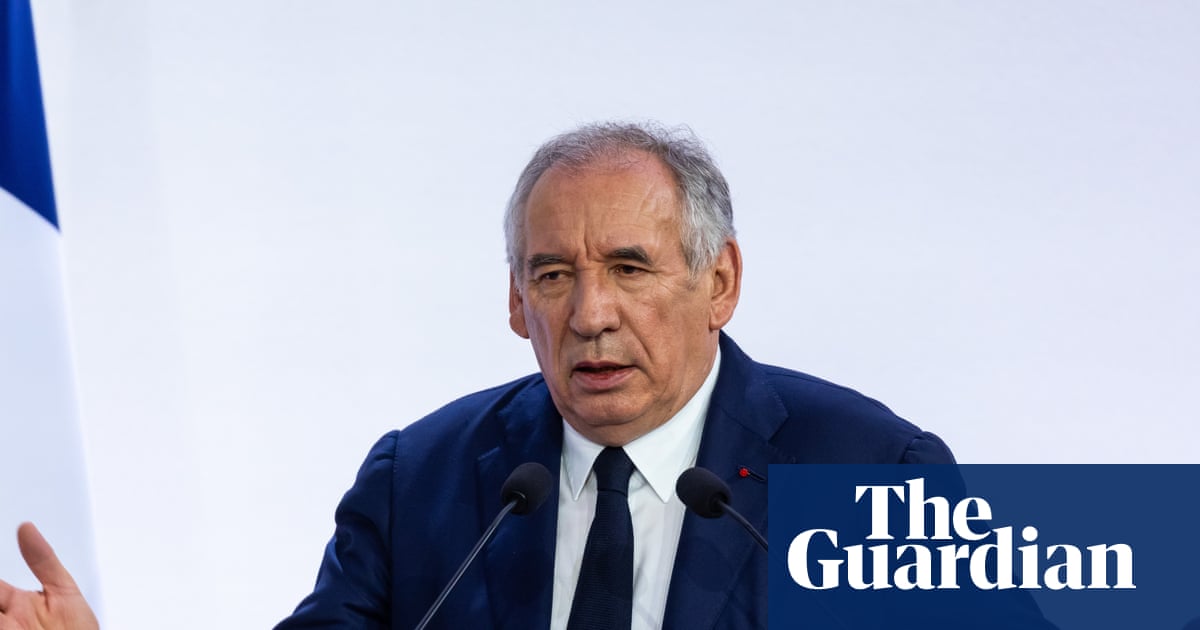
2 months agoReeves urged to reassure MPs over public finances amid 6bn-a-year Send costs
Meg Hillier, the chair of the all-party House of Commons Treasury committee, said the chancellor should make clear her long-term plans for the 6bn-a-year Send bill as uncertainty grows over how it will be accounted for at the end of the decade. Reeves, who is due to appear before the committee next month, said in a letterto MPs that she plans to delay a decision until next year.
UK politics
fromBusiness Matters
2 months agoCutting net migration to zero would shrink UK economy and worsen deficit, think tank warns
The warning comes from the National Institute of Economic and Social Research (NIESR), which said a zero net migration policy would shrink the economy by 3.6 per cent by 2040 and reduce the workforce by around 2.5 million people compared with current forecasts. The result, it argues, would be a £37bn deterioration in the public finances unless offset by higher taxes or cuts to public spending.
UK news
UK news
fromLondon Business News | Londonlovesbusiness.com
3 months agoShock rise in inflation throws interest rate cut into doubt - London Business News | Londonlovesbusiness.com
Headline inflation rose to 3.4% in December, keeping inflation above the 2% target and threatening household and public finances and economic recovery.
fromBusiness Matters
4 months agoStarmer rejects claims government misled public as tensions with OBR escalate
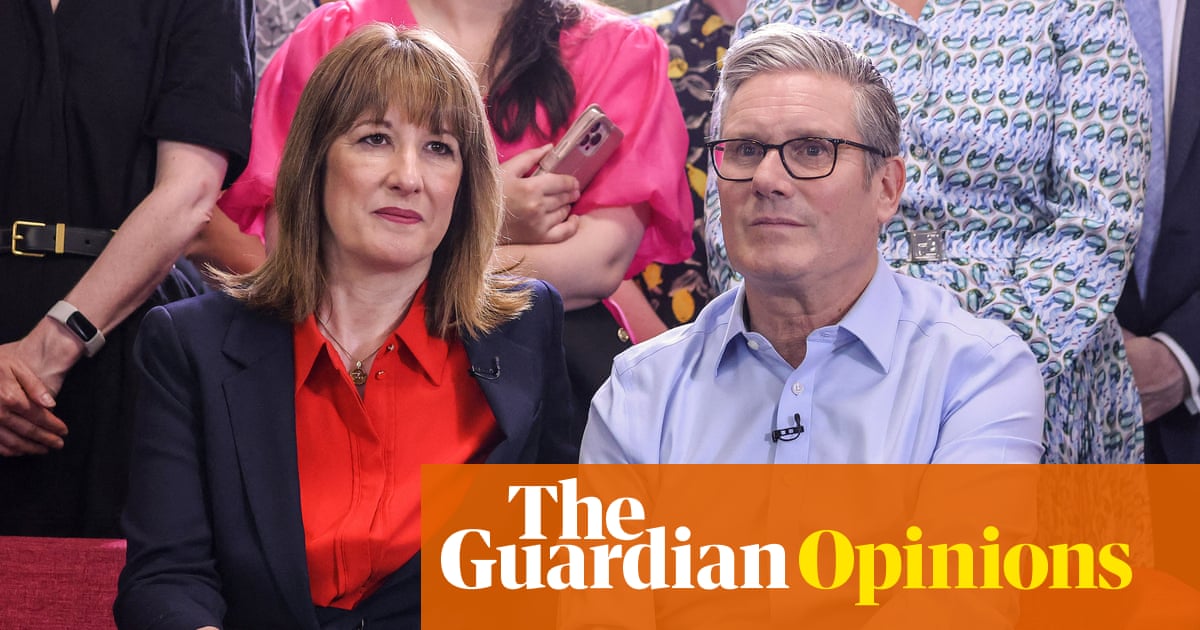
Prime Minister Keir Starmer has denied accusations that Chancellor Rachel Reeves misled the cabinet or the public over the state of the public finances ahead of last week's Budget, after a fresh row erupted between the Treasury and the Office for Budget Responsibility (OBR). Speaking at a nursery in London, Starmer defended Reeves' tax rises and her decision to scrap the two-child benefit cap, despite weeks of speculation over possible income tax hikes. He insisted that revenue-raising measures were unavoidable and dismissed allegations that the government exaggerated the scale of its fiscal challenges. "There was no misleading," he said. "It was inevitable we would always have to raise revenue. I was clear we needed more headroom."
UK politics
UK politics
fromLondon Business News | Londonlovesbusiness.com
4 months agoMinister fumes the handling of the Budget 'has been a disaster' - London Business News | Londonlovesbusiness.com
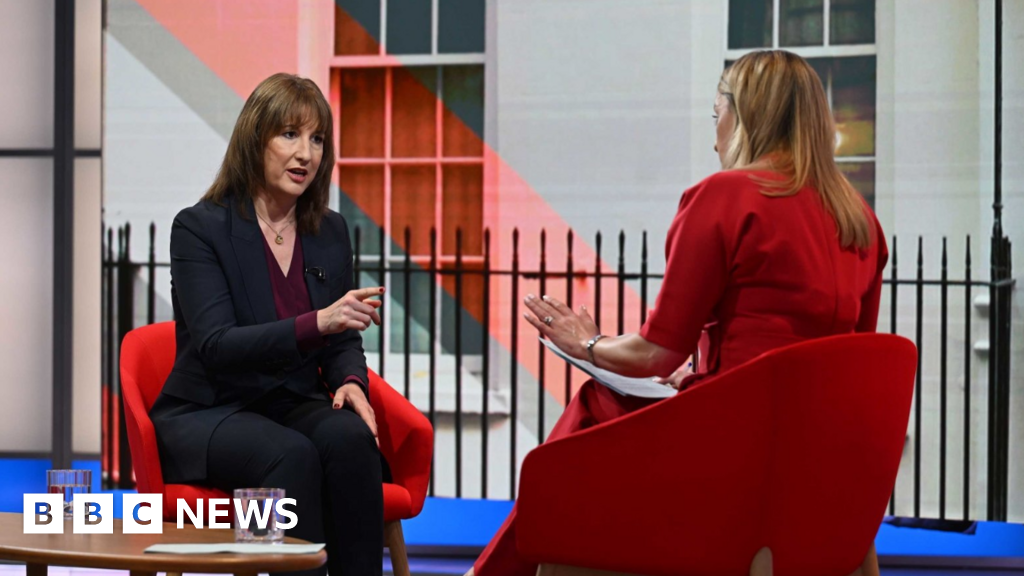
Rachel Reeves denied lying about public finances after MPs accused her of misleading the Cabinet over a supposed "Black Hole" to justify tax rises.

fromwww.theguardian.com
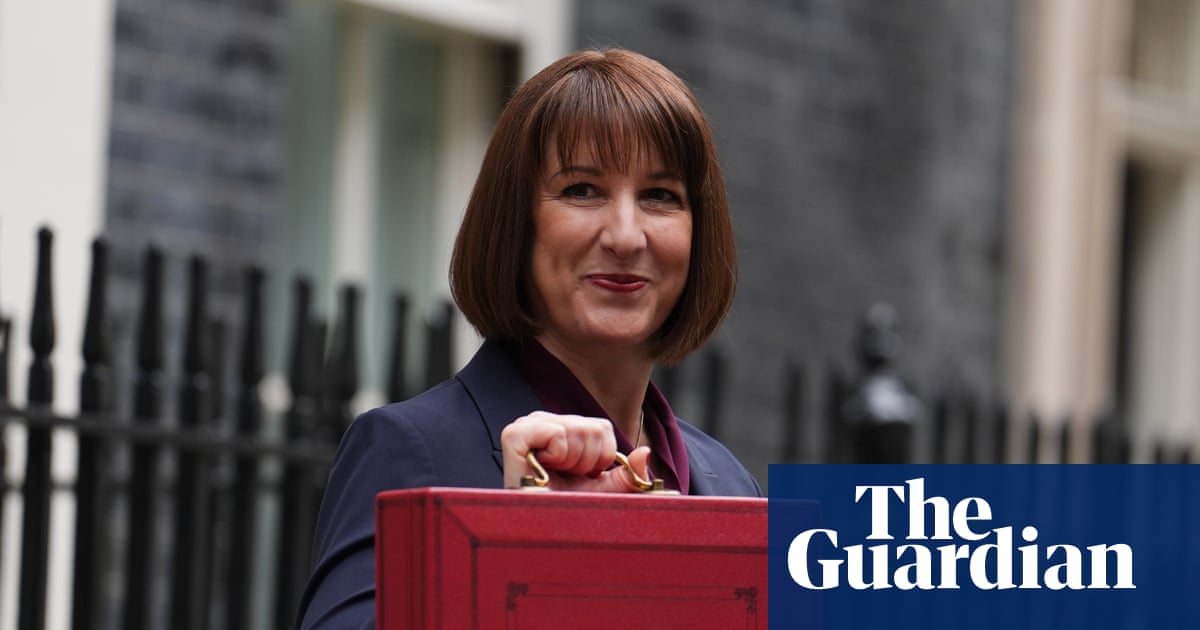
5 months agoOBR warns Reeves's budget still leaves public finances in vulnerable' position
The Office for Budget Responsibility (OBR) said the potential for damaging events such as a global stock market crash or future pandemic to knock the government's finances off course remained high, even while the chancellor increased her headroom from 9.9bn to 22bn. After a wide-ranging review of the UK's economic health stretching back to the 2008 financial crash, the OBR also said the economy would grow at a slower rate over the next five years than previously estimated.
UK politics

fromwww.theguardian.com
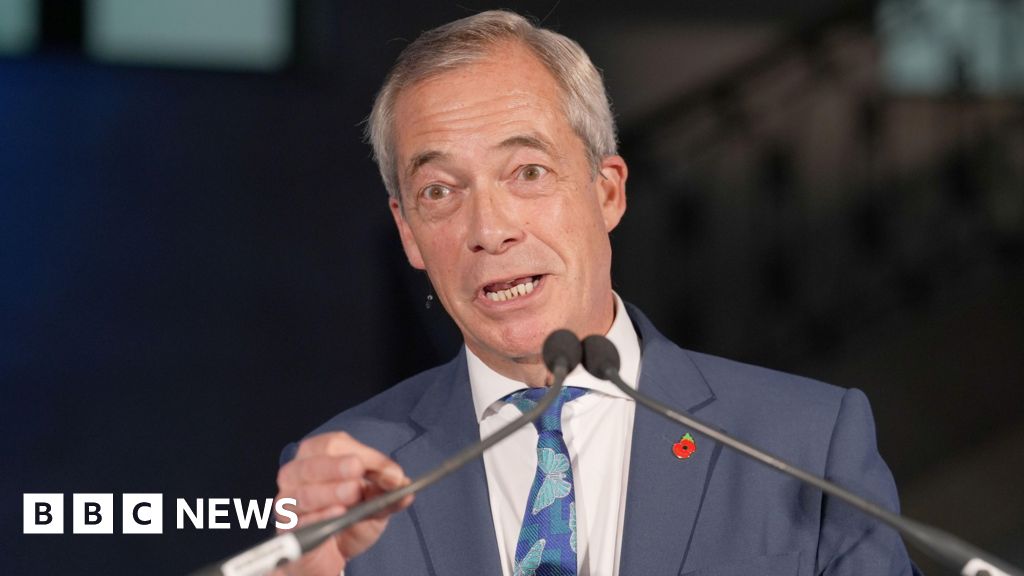
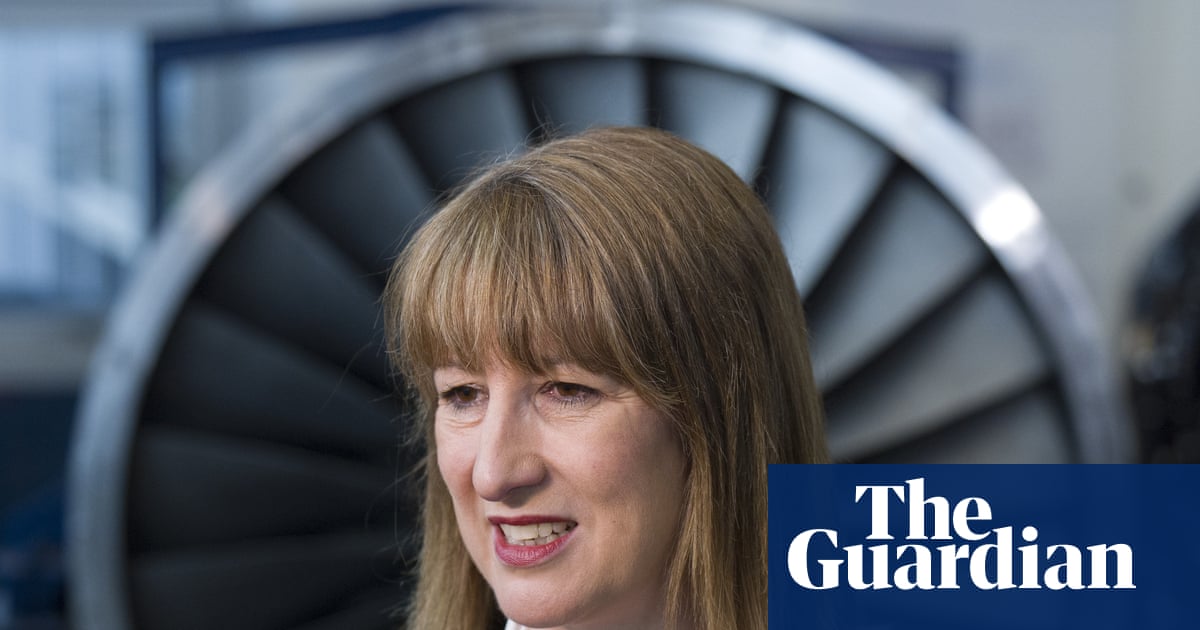
5 months agoBudget 2025 live: Rachel Reeves to set out tax and spending changes
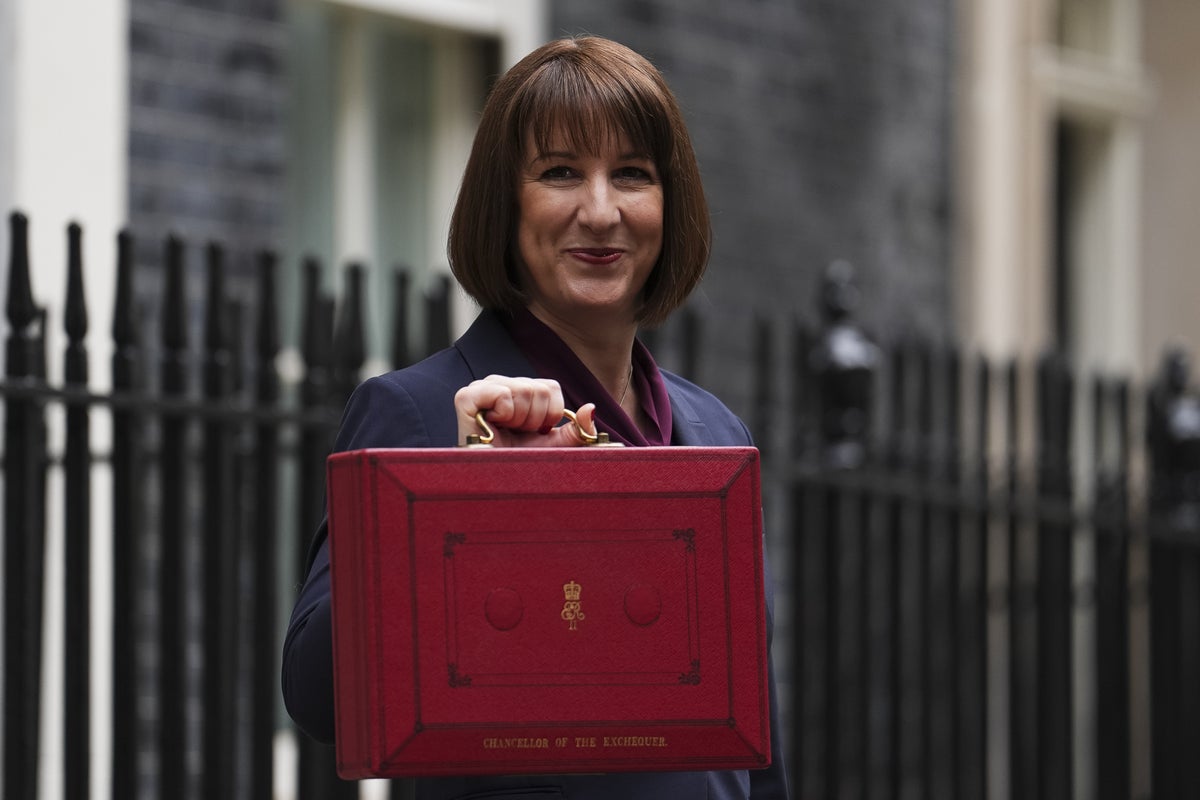
The budget will include action to cut NHS waiting lists, cut debt and borrowing, and cut the cost of living to secure a strong future for the country, built on fairness and fuelled by growth. Action to keep prescription costs under 10, freeze rail fares for the first time in 30 years and increase the national minimum wage and national living wage by 1,500 and 900 respectively has already been confirmed to put more money in people's pockets at this budget.
UK politics
UK politics
fromLondon Business News | Londonlovesbusiness.com
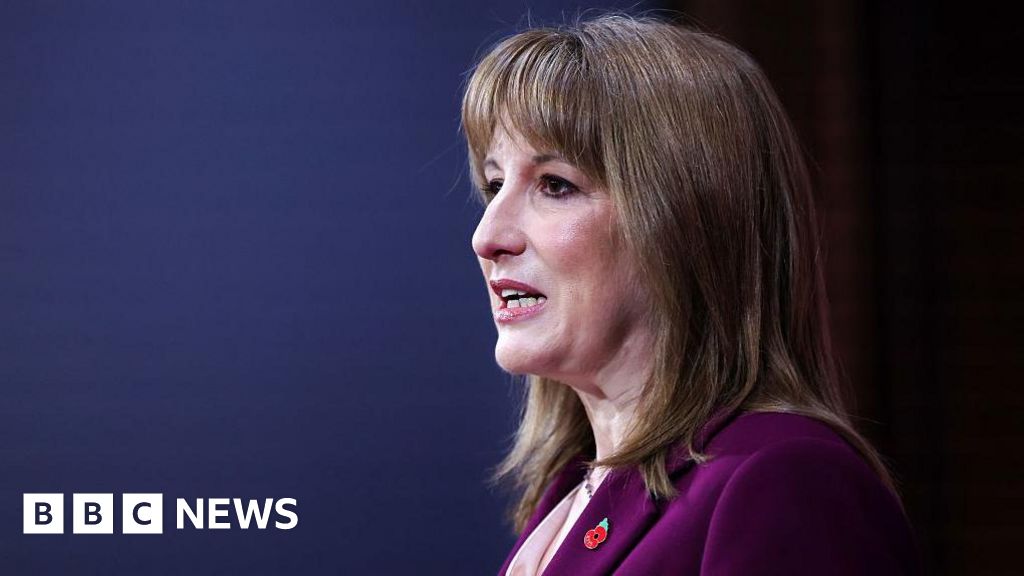
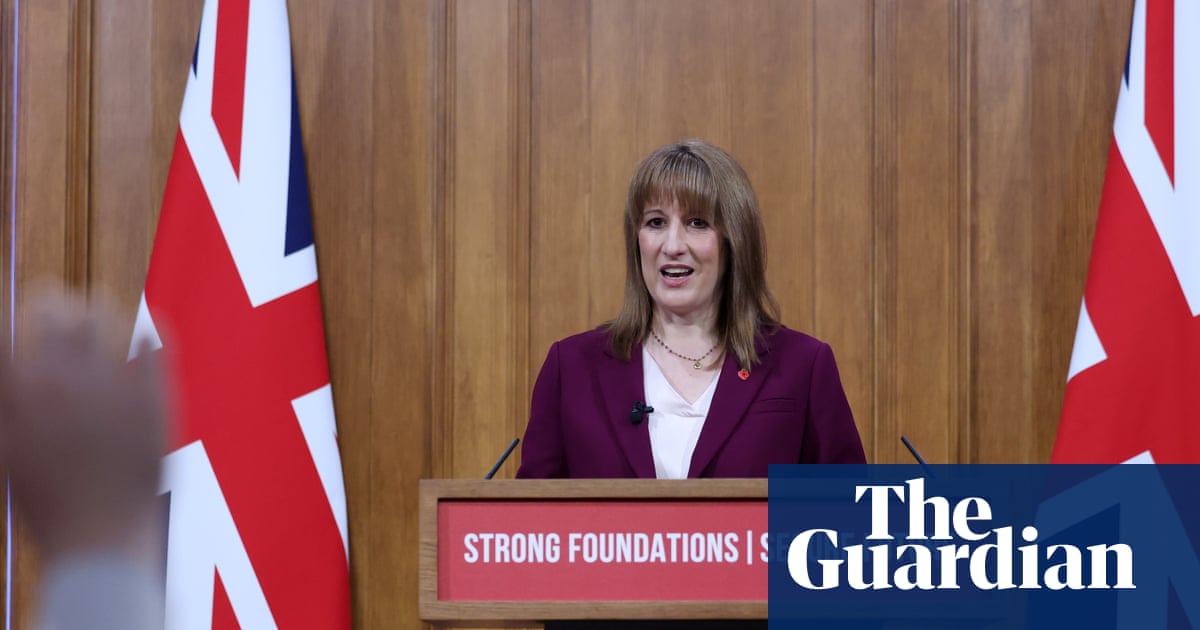
5 months agoBorrowing overshoot shows current 'fiscal headroom' is not enough - London Business News | Londonlovesbusiness.com
Worsening public finances force the Chancellor to raise fiscal headroom in the Budget, likely requiring larger tax increases to build a buffer against future shocks.
UK politics
fromLondon Business News | Londonlovesbusiness.com
5 months agoUnemployment rate increase is a blow for Reeves' tax take - London Business News | Londonlovesbusiness.com
Rising UK unemployment to 5% reduces tax revenue, increases social support costs, and intensifies fiscal pressures ahead of the Budget.
Miscellaneous
fromLondon Business News | Londonlovesbusiness.com
5 months agoChancellor should build a 'minimum 30bn fiscal buffer' at the Budget to avoid fiscal doom-loop - London Business News | Londonlovesbusiness.com
Chancellor must use the Autumn Budget to build a substantial fiscal buffer and put public debt on a clearly declining, sustainable path.

UK politics
fromLondon Business News | Londonlovesbusiness.com
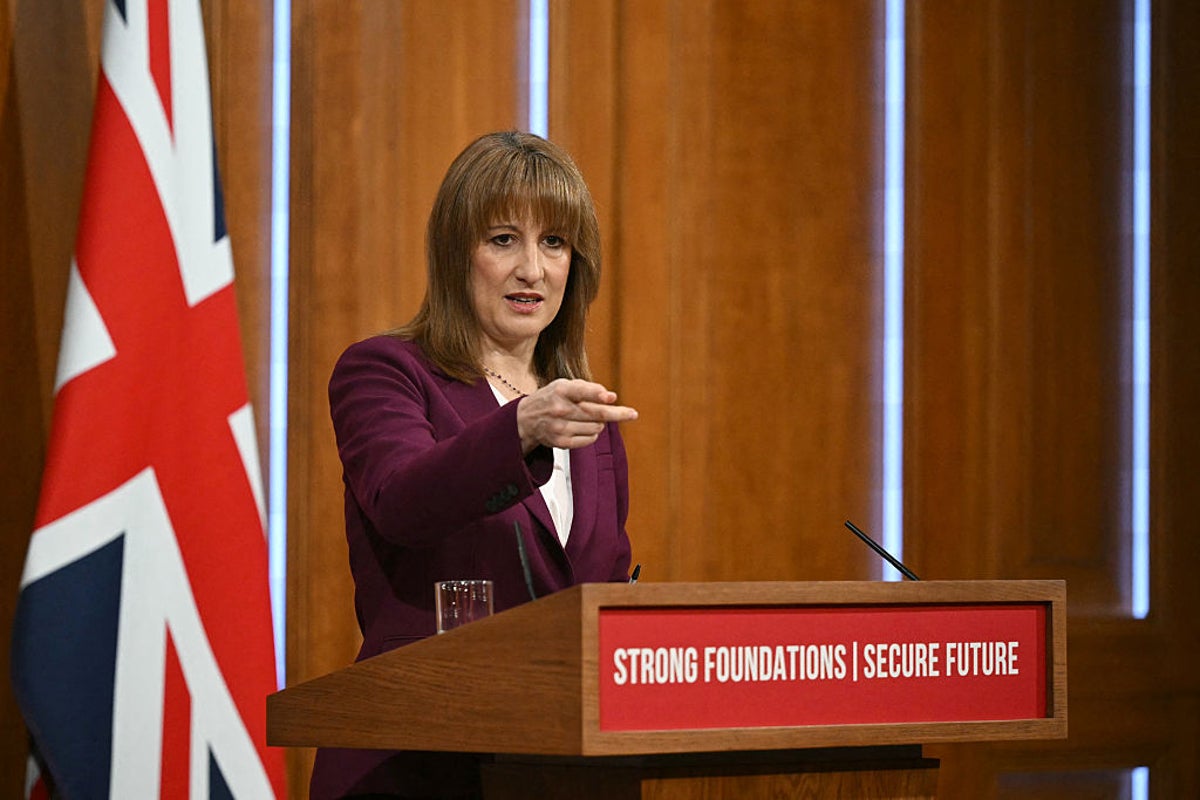
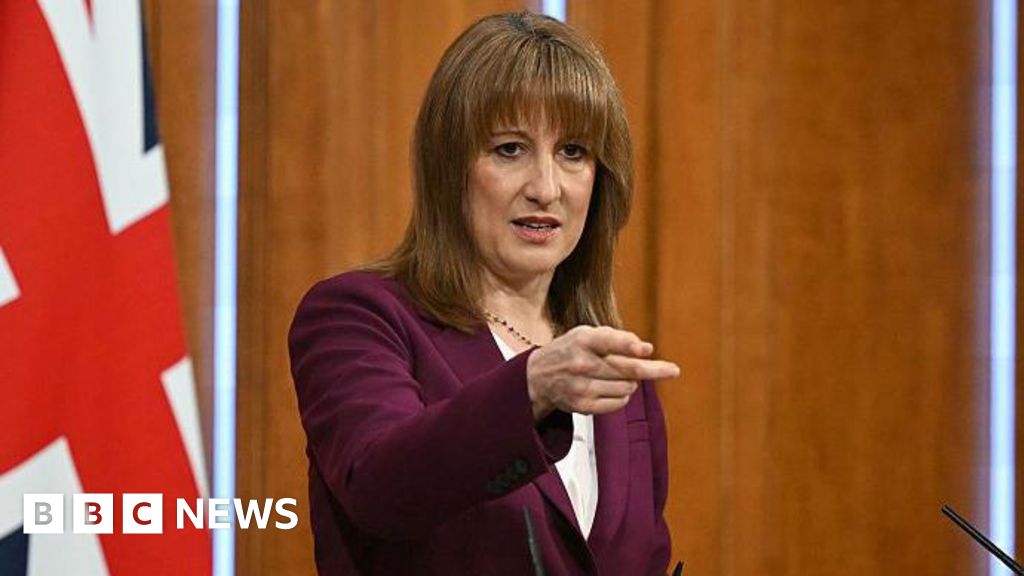
5 months agoReeves' emergency Downing Street speech underscores tax rises are imminent - London Business News | Londonlovesbusiness.com
Tax rises are likely; savers and investors with UK exposure should seek advice urgently and expect changes to capital gains, dividends, inheritance, and pension reliefs.
fromIrish Independent
5 months agoThe Irish Independent's View: PTSB sale a cause for reflection on dark days of bailout - but concerns remain over timing and timeline
The taxpayer put a total of €64.1bn into the Irish banks during the financial crisis. After exorbitant boom-time lending, Anglo Irish Bank and Irish Nationwide were in deepest trouble and the State had to put in €34.5bn into the crippled institutions. It was money down the drain as only €1.1bn has been recovered to date and the remaining €33.4bn is lost. No wonder it's known in the industry as a "sunk cost".
Miscellaneous
UK politics
fromLondon Business News | Londonlovesbusiness.com
5 months agoLabour needs game-changing plan to re-join EU to transform dire polling, Rejoin EU Party says - London Business News | Londonlovesbusiness.com
Re-joining the EU offers Labour a radical, game-changing route to reverse dire polling, resolve fiscal gaps and address migration challenges.
fromwww.theguardian.com
6 months agoSteeper UK productivity cut of more than 20bn makes tax rises more likely
Our independent forecaster is likely to downgrade the forecast for productivity in the UK based not on anything this government has done, but on our past productivity numbers, which, to be honest, since the financial crisis and Brexit have been very poor, and that just shows how essential growth is. So I'm not going to do anything in the budget that reduces our opportunities to grow the economy. That's very important.
UK politics
fromwww.theguardian.com
6 months agoRachel Reeves should consider welfare cuts in budget, IFS says
Britain's leading tax and spending experts have urged Rachel Reeves to consider announcing billions of pounds in welfare cuts in next month's budget to help placate jittery financial markets. After the chancellor gave her strongest hint yet that spending cuts were under consideration, the Institute for Fiscal Studies (IFS) called on Reeves to take bold action to plug a potential 22bn shortfall in the government finances.
UK politics

UK politics
fromLondon Business News | Londonlovesbusiness.com
7 months agoTories and Labour have turned UK into 'food bank of the world' - London Business News | Londonlovesbusiness.com
Successive UK governments prioritized supporting migrants with long-term visas and welfare access, costing taxpayers billions and straining the welfare system.
Miscellaneous
fromFortune
7 months agoTop analyst who once feared 'the end of capitalism' rips French and British boomers for sabotaging Gen Z futures | Fortune
Generationally skewed fiscal policies and high spending on retirees in the UK and France are burdening public finances and undermining Gen Z's economic prospects.
fromwww.theguardian.com
7 months agoReeves's 50bn problem solved: stop giving it away in pension tax relief | Phillip Inman
At the moment the chancellor gives away more than 50bn in tax relief for pension saving, most of which goes to wealthier boomers and better-paid gen Xers who do not need the money and would save anyway if state support was more limited. A remodelling of pension subsidies cutting the 40p higher rate to a flat rate of 25p for all savers could claw back 10bn to 20bn in extra income tax and national insurance payments, depending on how the new regime is constructed.
UK politics
fromLondon Business News | Londonlovesbusiness.com
7 months agoReeves should fill the 50bn fiscal 'black hole' by tackling the 46.8bn tax gap - London Business News | Londonlovesbusiness.com
A huge proportion of the tax gap is attributable to small businesses (60% or approx. £. Sole traders do not have to register with Companies House and it is likely that plenty fly under HMRC's radar. Even small businesses which are companies, although they need to be registered at Companies House, have significant exemptions in the level of detail that they are required to submit in terms of their accounts.
UK politics

UK politics
fromwww.theguardian.com
8 months agoImmediate closure of asylum hotels could lead to migrants living destitute in the streets', says minister UK politics live
The UK government loses £22bn annually from QE; taxing banks on QE-related reserves and halting bond sales could recoup significant funds.
fromwww.independent.co.uk
8 months agoRachel Reeves considers cutting tax-free pension lump sum to raise billions
Rachel Reeves could consider cutting the amount savers are allowed to withdraw in a lump sum from their pension pots as she seeks to plug a multi-billion-pound hole in the public finances. The chancellor will look at proposals from civil servants that could raise around 2bn by lowering the limit on how much people are allowed to take out of their pension without paying tax. Currently, pensioners can take out a quarter of their pension pot tax-free, with a cap of 268,000.
UK politics

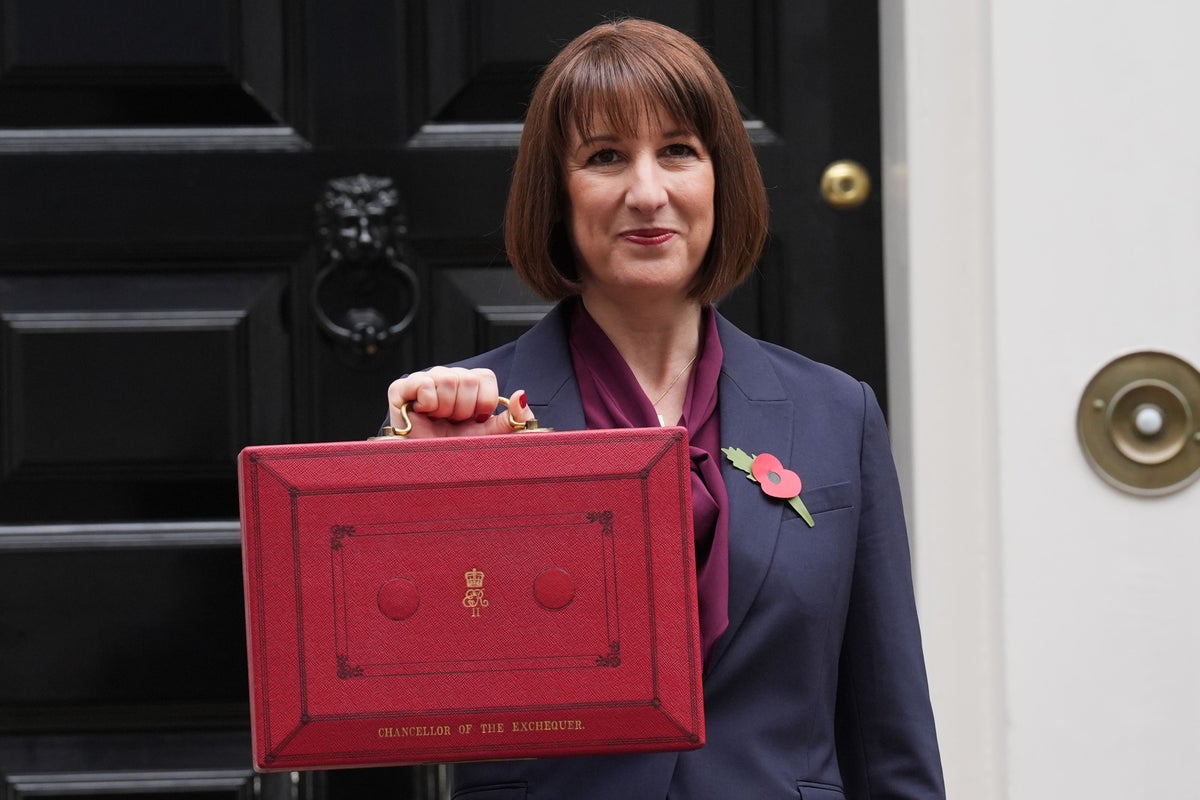
fromwww.theguardian.com
8 months agoKeir Starmer downplays warnings that taxes will have to be raised in autumn
Starmer emphasized that some figures concerning the public finances, particularly the projected shortfall, are not recognized by him and indicated a need to prioritize living standards.
UK politics
[ Load more ]