#public-opinion
#public-opinion
[ follow ]
#trump #polling #iran-war #uk-politics #labour-party #gas-prices #donald-trump #inflation #artificial-intelligence
#brexit
UK politics
fromwww.theguardian.com
5 days agoElectoral reform and reversing Brexit: they're more connected than you might think | Tom Baldwin
Labour leadership ambitions are driving renewed calls for EU re-entry, but leaders must avoid repeating Conservative mistakes about negotiating terms after Brexit.
Artificial intelligence
fromFortune
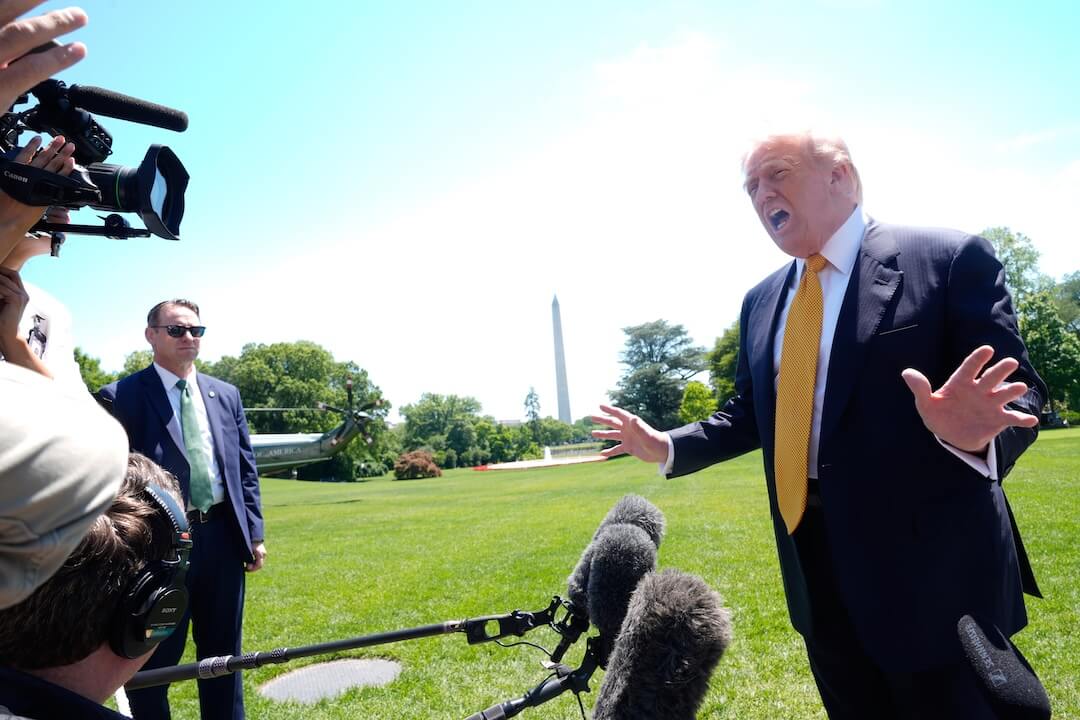
1 week agoThe times they are a-changin': Trump pivots towards AI regulation in the face of a mounting public backlash | Fortune
Momentum is building for U.S. AI regulation, including possible federal licensing, driven by public backlash and growing bipartisan support.
Higher education
fromwww.theguardian.com
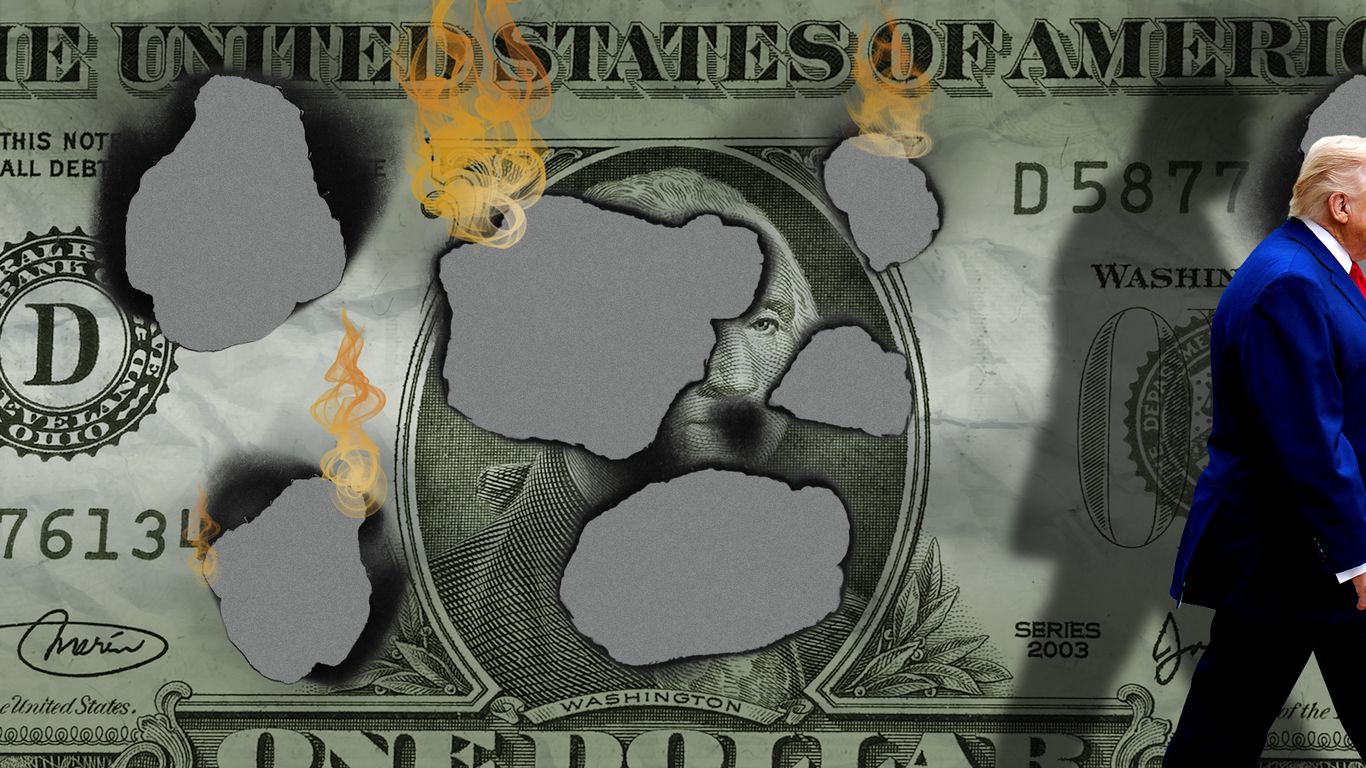
1 week agoThird of university students in Great Britain think AI job losses will cause social unrest, poll finds
One in three university students expect rapid AI-driven job loss to trigger civil unrest, with heavy AI use and widespread concerns about economic impact.
#artificial-intelligence
Digital life
fromSilicon Canals
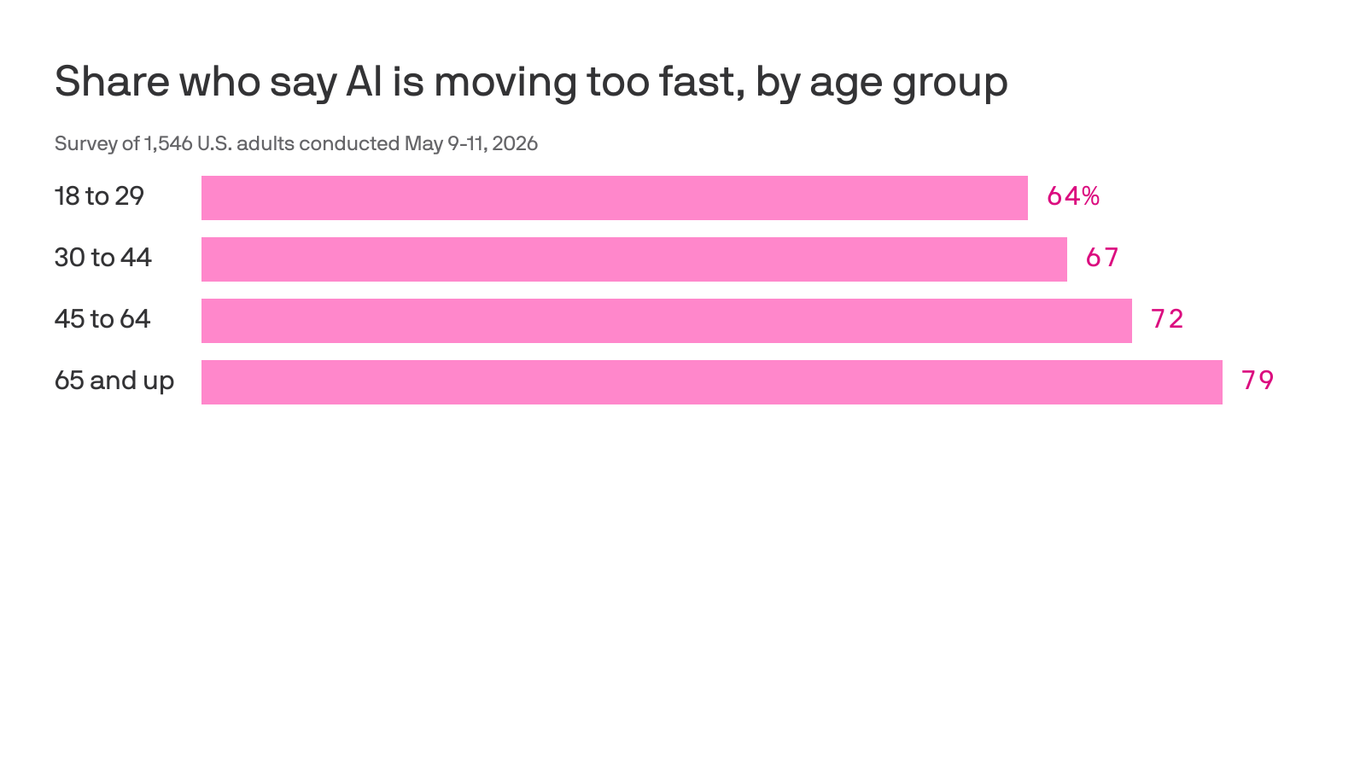
2 weeks agoNo one expected the generation born into technology to be so cautious of AI. Are Gen Z onto something older generations are missing? - Silicon Canals
Americans aged 14–29 show sharply declining excitement and hopefulness about AI, with anger rising, even among daily AI users.

Digital life
fromSilicon Canals
2 weeks agoNo one expected the generation born into technology to be so cautious of AI. Are Gen Z onto something older generations are missing? - Silicon Canals
Americans aged 14–29 show sharply declining excitement and hopefulness about AI, with anger rising, even among daily AI users.



#uk-politics
UK politics
fromwww.theguardian.com
2 weeks agoBetter the devil you know': former Labour voters in Birmingham unsure about replacing Starmer
Former Labour voters in Birmingham Yardley feel uneasy about removing Keir Starmer, preferring known leadership despite doubts and calls for more positive communication.
fromWIRED
2 weeks ago'Orbs,' 'Saucers,' and 'Flashes' on the Moon: Pentagon Drops New UFO Files
The Pentagon coordinated the release in partnership with the White House, Director of National Intelligence Tulsi Gabbard, the Energy Department, NASA, and the FBI. Many of the files in this new drop contain documents that are already publicly available. However, some versions of these known documents in the new files contain more pages, or fewer redactions, than previously released versions.
OMG science
fromHarvard Gazette
2 weeks agoWinning the war of public opinion - Harvard Gazette
When Russia invaded her home country of Ukraine in 2022, Anastasiia Pereverten was more than 5,000 miles away, studying at the University of Wyoming. From that distance, she watched a surge of support from Americans who were far removed from the conflict. "All this, so far away from Ukraine?" said Pereverten. "People were so incredibly vocal and supportive, and wanted to know more. I wanted to understand what shaped that."
Higher education



fromBrooklynVegan
3 weeks agoDrug Church, White Reaper, Spy & Public Opinion played Warsaw (pics, video)
Public Opinion recently announced their new album The Curse of Public Opinion, and they brought out Vinnie Caruana of The Movielife and I Am the Avalanche to join them on the song he features on, 'Modern Convenience.'
NYC music


fromwww.mediaite.com
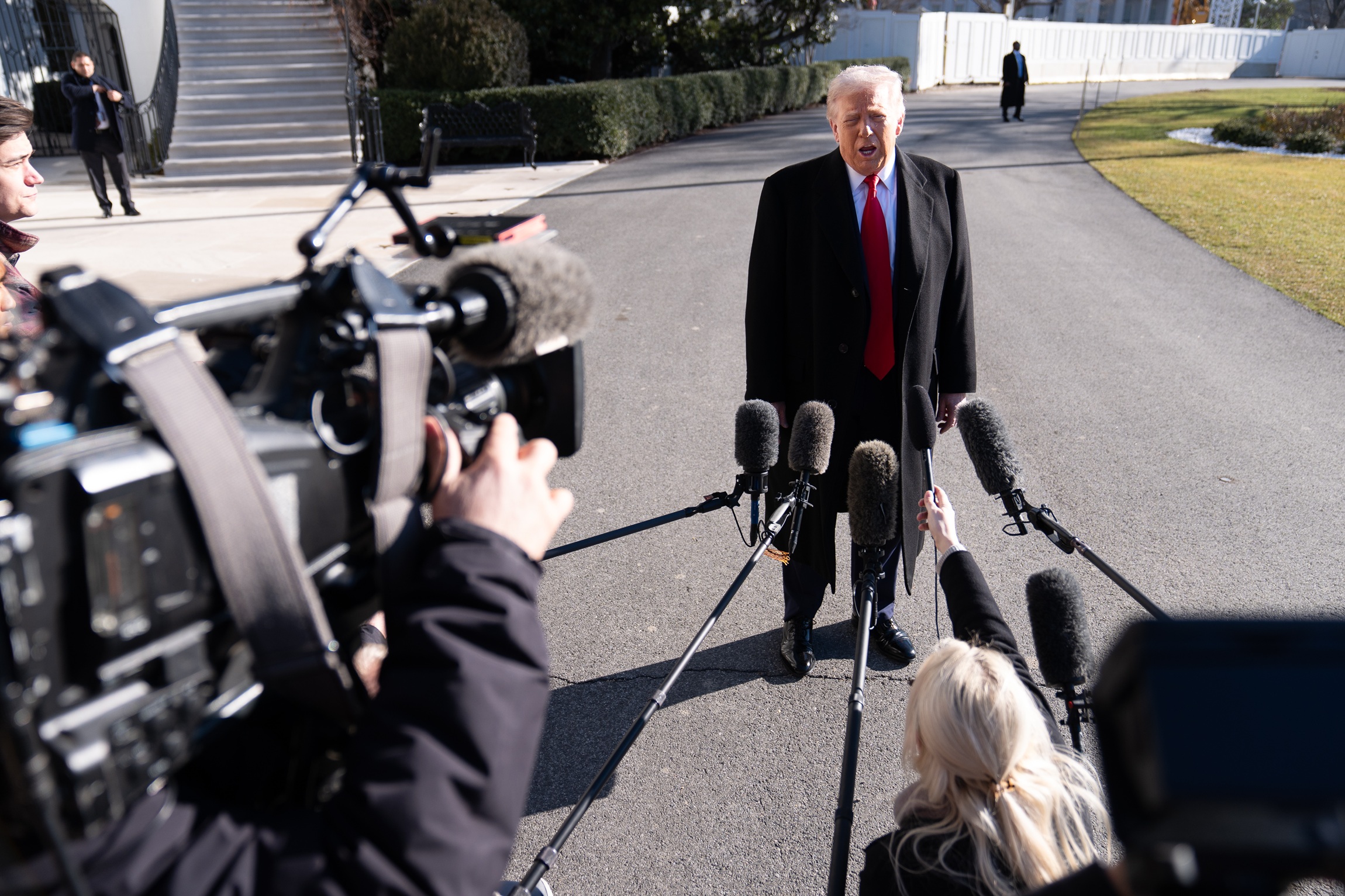
1 month agoChuck Todd Warns Trump Critics Not to Celebrate Iran War Failings: This is a Disaster'
Chuck Todd stated, 'This is a disaster. He has screwed up this country and our foreign policy for decades, and we're going to be paying a price for this for a long time.' He highlighted that the repercussions would manifest in various ways, including at the gas pump and in trade relations.
US Elections
[ Load more ]