#rate-sensitive-investing
#rate-sensitive-investing
[ follow ]
#federal-reserve #inflation #interest-rates #investment-strategy #high-yield-bonds #income-investing
#federal-reserve


US politics
fromFortune
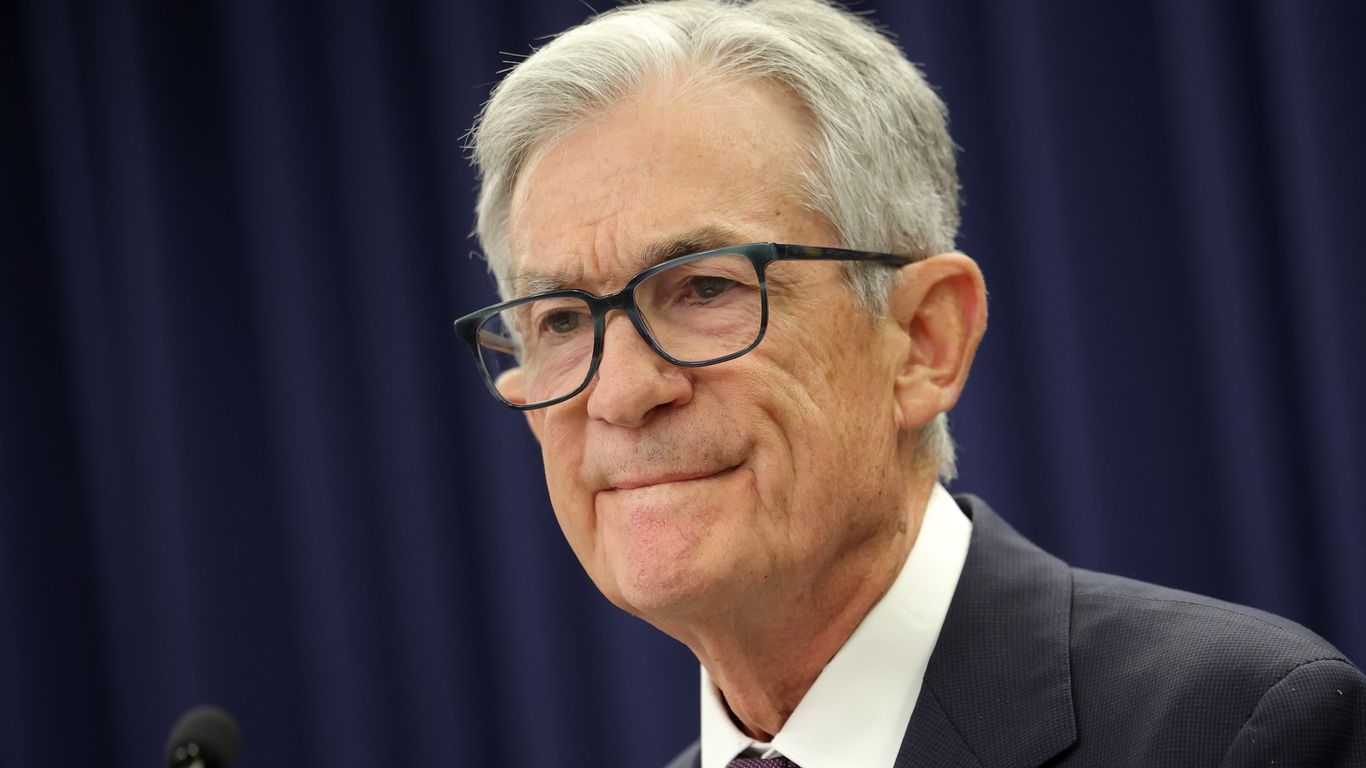
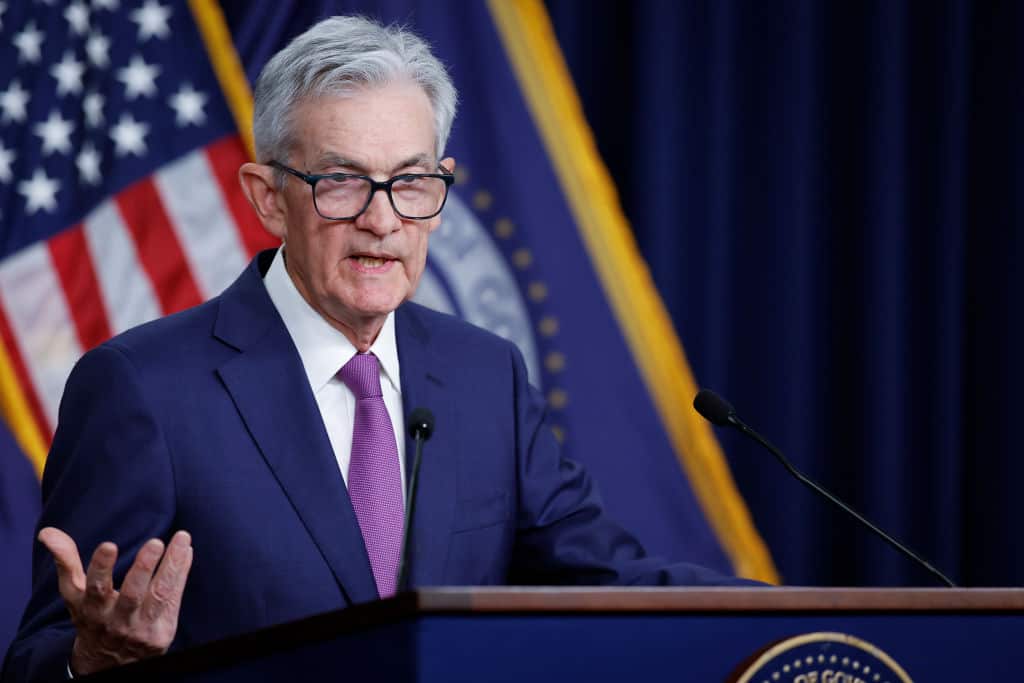
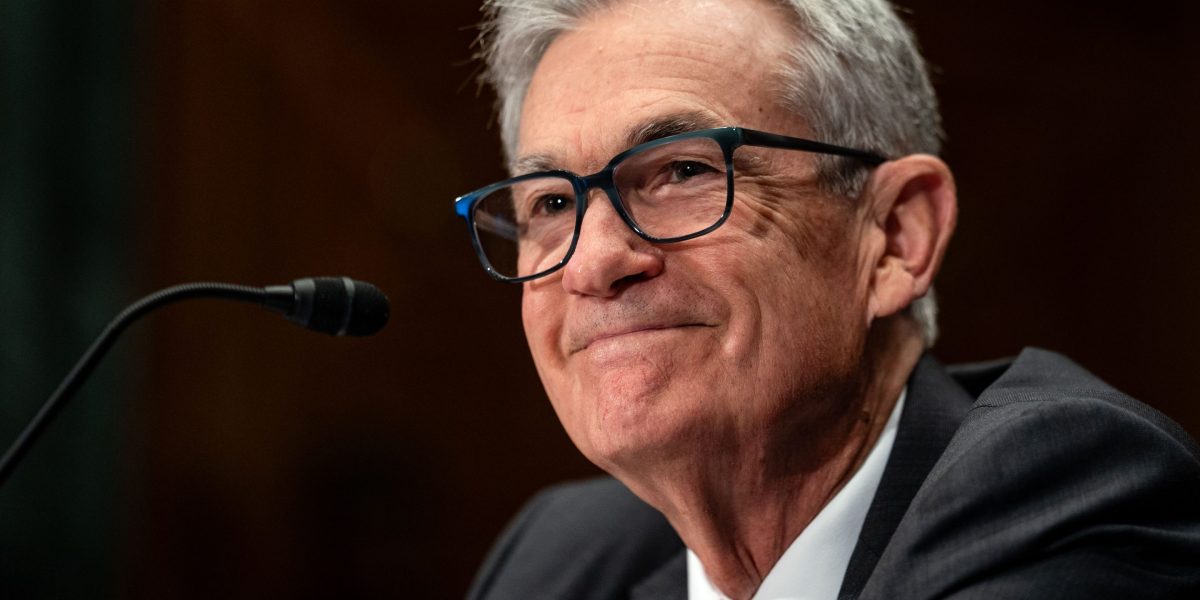
3 hours agoJerome Powell defies Trump one last time, holding rates steady: 'The facts have moved decisively in the hawkish direction,' top economist says | Fortune
The Federal Reserve maintained interest rates, facing internal dissent as inflation concerns grow ahead of a leadership change.
London startup
fromLondon Business News | Londonlovesbusiness.com
13 hours agoBorrowing costs surge as gilt yields breach crisis-era levels amid oil shock fears - London Business News | Londonlovesbusiness.com
The ongoing Strait of Hormuz standoff is raising energy concerns and impacting global economies, leading to higher borrowing costs and potential interest rate hikes.
#us-dollar

World news
fromLondon Business News | Londonlovesbusiness.com
2 days agoDollar wobbles amid uncertainty over geopolitical developments - London Business News | Londonlovesbusiness.com
The US dollar may weaken due to diplomatic hopes in the Middle East, despite ongoing inflation risks and mixed market signals.
World news
fromLondon Business News | Londonlovesbusiness.com
2 days agoDollar wobbles amid uncertainty over geopolitical developments - London Business News | Londonlovesbusiness.com
The US dollar may weaken due to diplomatic hopes in the Middle East, despite ongoing inflation risks and mixed market signals.
from24/7 Wall St.
3 days agoThe overlooked ETF paying monthly income without leverage or financial engineering tricks
Monthly payouts in 2026 have run $0.102, $0.105, and $0.108, tracking close to the $0.1055 average seen across 2025. That is a meaningful step up from the $0.0865 average in 2024.
Retirement
fromLondon Business News | Londonlovesbusiness.com
5 days agoGold set for weekly loss as Treasury yields remain firm
Firm Treasury yields could continue to weigh on the metal amid ongoing inflation concerns. Lingering tensions in the Strait of Hormuz could continue to push oil prices up, reinforcing inflation concerns and weighing on bullion.
Europe news
#dollar-index
US Elections
fromLondon Business News | Londonlovesbusiness.com
1 week agoDollar edged higher amid geopolitical uncertainty and Fed outlook - London Business News | Londonlovesbusiness.com
The dollar index rose slightly amid US-Iran negotiations, with markets anticipating volatility and a prolonged pause in interest rates.
Real estate
fromwww.housingwire.com
6 days agoWhen standard DSCR falls short: What real estate investors should know about no-ratio financing
More investor deals are struggling to meet standard DSCR due to high home prices and transitional properties, leading to increased interest in No-Ratio financing.
fromLondon Business News | Londonlovesbusiness.com
6 days agoDollar holds firm amid geopolitical uncertainty - London Business News | Londonlovesbusiness.com
Markets could remain sensitive to the developments in the Middle East. Tensions remain elevated in the region amid continued incidents in the Strait of Hormuz and a failed attempt for a second round of talks this week, undermining prospects for a near-term resolution.
World news
from24/7 Wall St.
5 days agoMonthly dividend ETF posts 13% return while Wall Street questions long-term sustainability of currency risk
EMLC holds a broad mix of about 507 bonds issued by emerging market governments, all denominated in local currencies such as the Brazilian real, South African rand, Turkish lira, and Mexican peso. Almost the entire portfolio is sovereign debt at roughly 99 percent, so the fund is essentially a pure government credit exposure.
Business


from24/7 Wall St.
6 days agoTreasury and Bond ETFs Are Back in Fashion: Here's What to Own in April 2026
The iShares U.S. Treasury Bond ETF holds only U.S. Treasury notes and bonds across the maturity curve, providing the cleanest expression of flight-to-quality stability in a single ticker. Credit risk is effectively zero because every holding carries the full faith and credit of the U.S. government.
Business


Business intelligence
from24/7 Wall St.
1 month agoThe 4 ETFs To Buy Before The Fed Lowers Rates And Shoots Them Higher
The Federal Reserve paused rate cuts in January 2026 after three cuts, creating market uncertainty that underprices assets benefiting from future cuts, with four ETFs positioned to capitalize on eventual rate reductions.
Education
fromLondon Business News | Londonlovesbusiness.com
2 months agoThe right way to learn investing: Practice before theory, systems before tactics - London Business News | Londonlovesbusiness.com
Practice investing through real decision-making before deep theory to build systems and muscle memory that perform under market stress.
Miscellaneous
from24/7 Wall St.
1 month ago3 Clear Winners When Exploring High-Yield Savings Accounts
High yield savings accounts and money market funds offer FDIC-insured returns of 3.3% or higher with full liquidity and no early withdrawal penalties, making them attractive alternatives to traditional CDs in volatile markets.
US politics
from24/7 Wall St.
1 month agoStagflation Fears Are Returning: Grab These 5 Safe High-Yield Dividend Kings Now
Stagflation risks are rising due to weak job growth, persistent inflation, and structural economic changes, requiring investors to consider defensive dividend stocks that historically perform well during such periods.
from24/7 Wall St.
3 weeks agoHow Income Investors Are Using HYBL to Dodge Interest Rate Risk in 2026
HYBL attempts to solve the income problem by combining senior loans, high-yield corporate bonds, and debt tranches from U.S. collateralized loan obligations (CLOs). The result is a portfolio with lower duration and lower volatility compared to traditional high-yield funds, while still targeting high current income with monthly distributions.
Business
from24/7 Wall St.
1 month agoInterest Rates Are Heading Down - These 3 Stocks Win Big When They Do
In my view, interest rates are more likely than not going to head lower over the course of 2026 and into 2027. I'm not saying we're due for a pandemic-like selloff, but I do think that weakness in the labor market is likely more protracted than the government data suggest. As such, I do think the makeup of the Federal Reserve, and which way many of its presidents and voting members lean (toward providing support for the labor market over battling inflation) could lead to much faster rate cuts than many think.
Retirement
fromLondon Business News | Londonlovesbusiness.com
1 month agoDollar surges on geopolitical risks and rising yields
Crude oil breaking above the USD 100 threshold has revived inflation concerns, pushing US Treasury yields higher across the curve. However, Friday's labour market report revealed a significant deterioration in employment conditions, with the economy losing 92,000 jobs in February, its largest contraction in several months.
World news
[ Load more ]