#realberry
#realberry
[ follow ]
#nutrition #gardening #blueberries #gut-health #health-benefits #sustainability #plant-care #fiber #digestive-health

Yoga
fromhttps://www.arogyayogaschool.com/blog
1 month agoTonghou Superfood Guide: Nutrition, Health Benefits
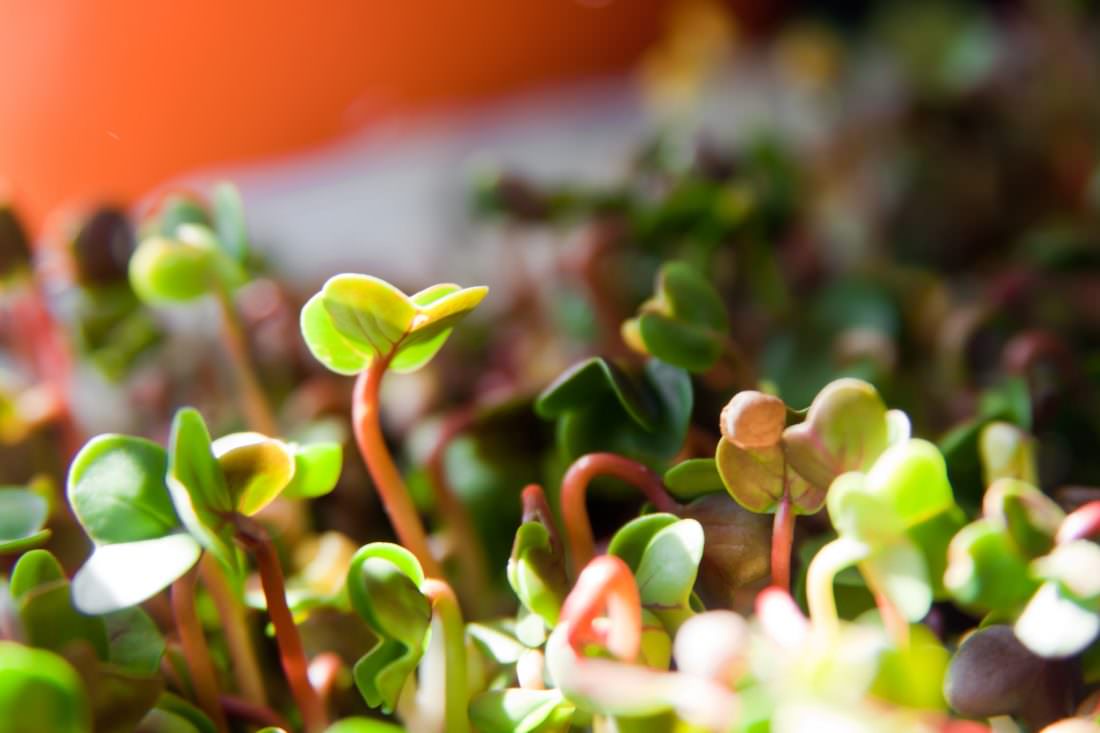
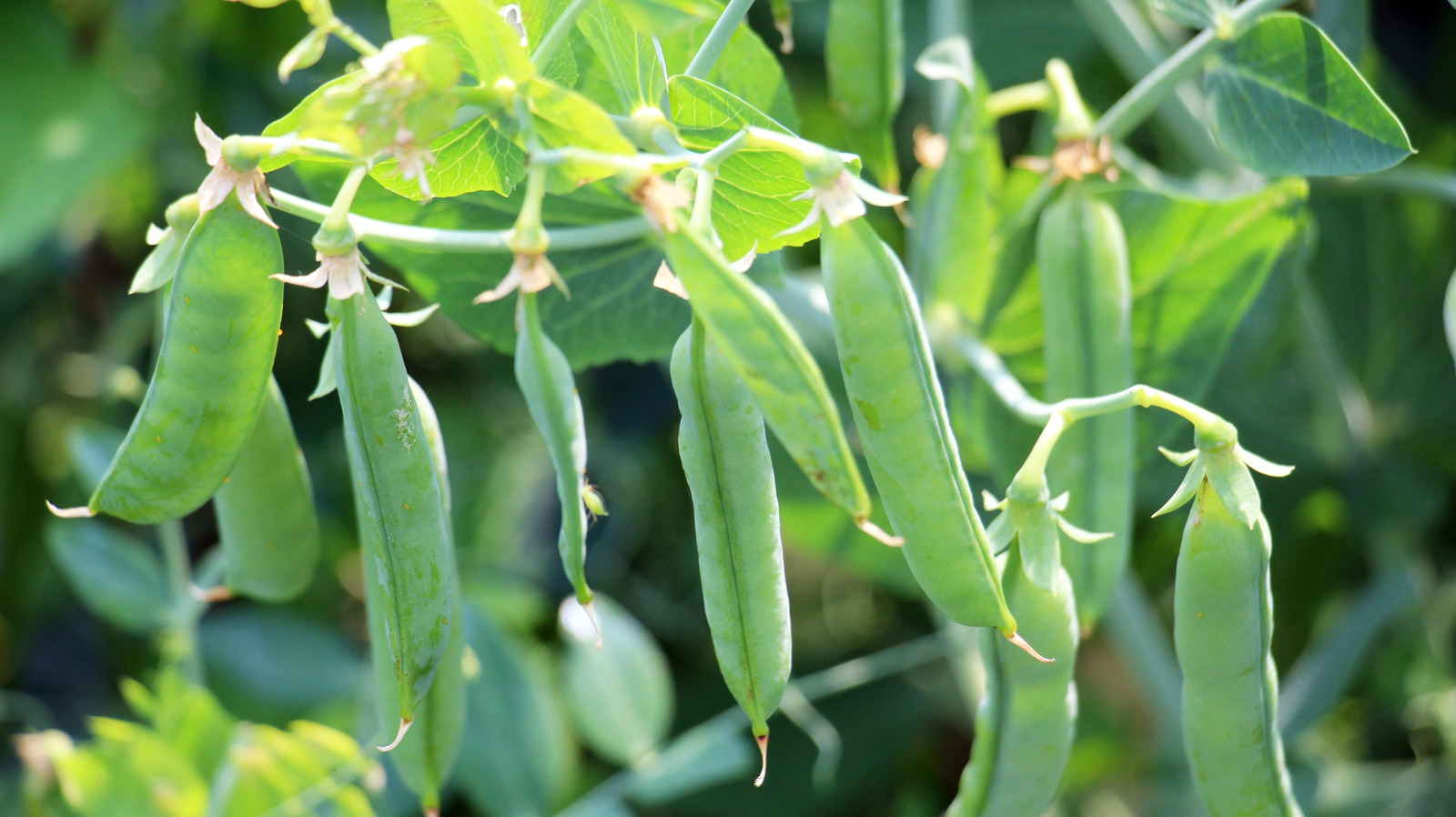
Tonghou is a nutrient-rich Asian leafy green used in East Asian cuisines for its distinctive taste, aroma, and significant health benefits including digestion support and inflammation reduction.
Agriculture
fromTasting Table
1 month agoCan You Grow A Garden From Grocery Store Produce Seeds? - Tasting Table
Growing vegetables from store-bought seeds is possible but results vary based on produce type, growing method, and post-harvest treatment, with hybrid plants producing different crops than their parent plants.
#wild-blueberries
Agriculture
fromTasting Table
1 month agoFan Of Wild Blueberries? Why 2026 Might Be An Unlucky Year For You - Tasting Table
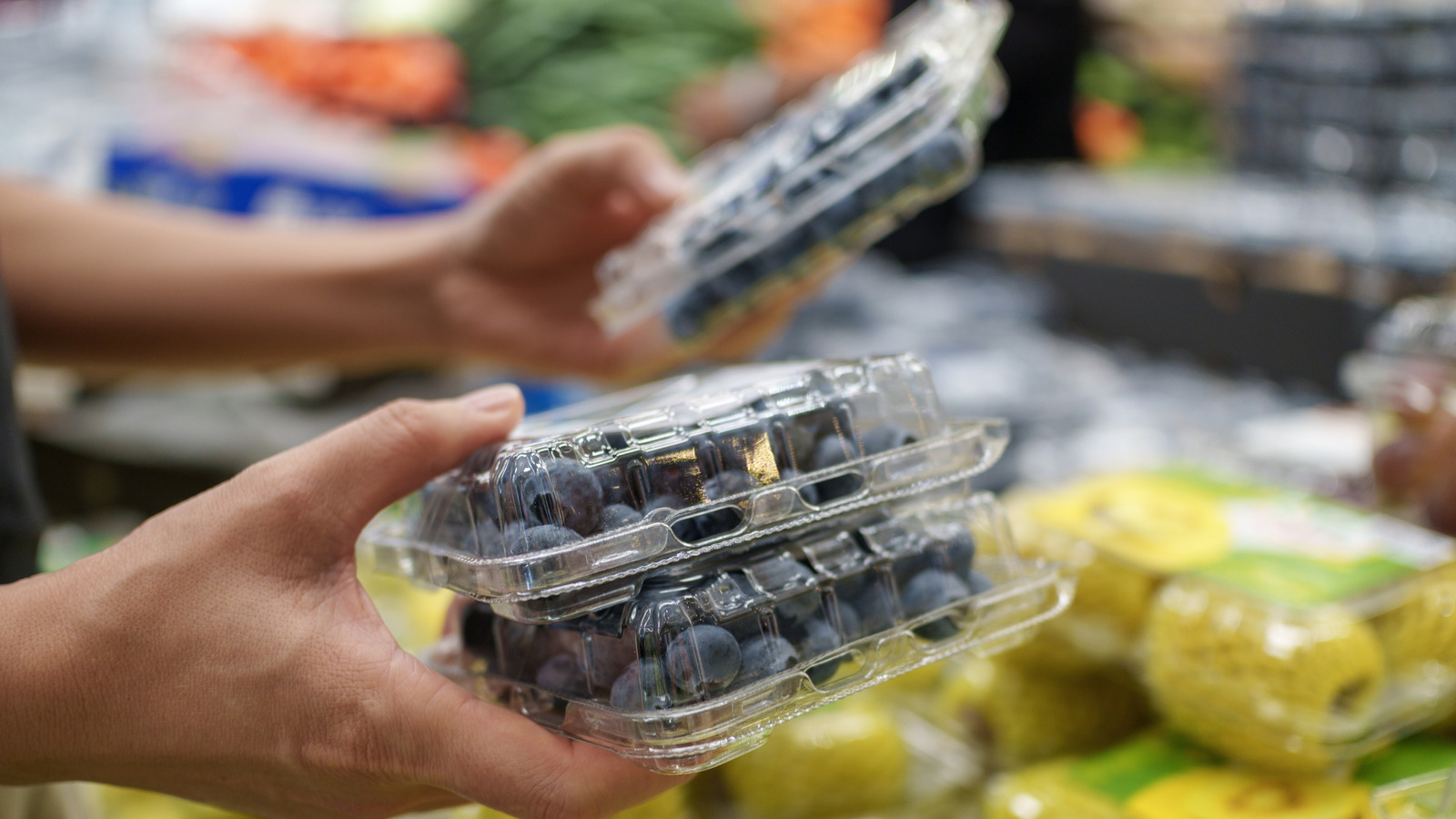
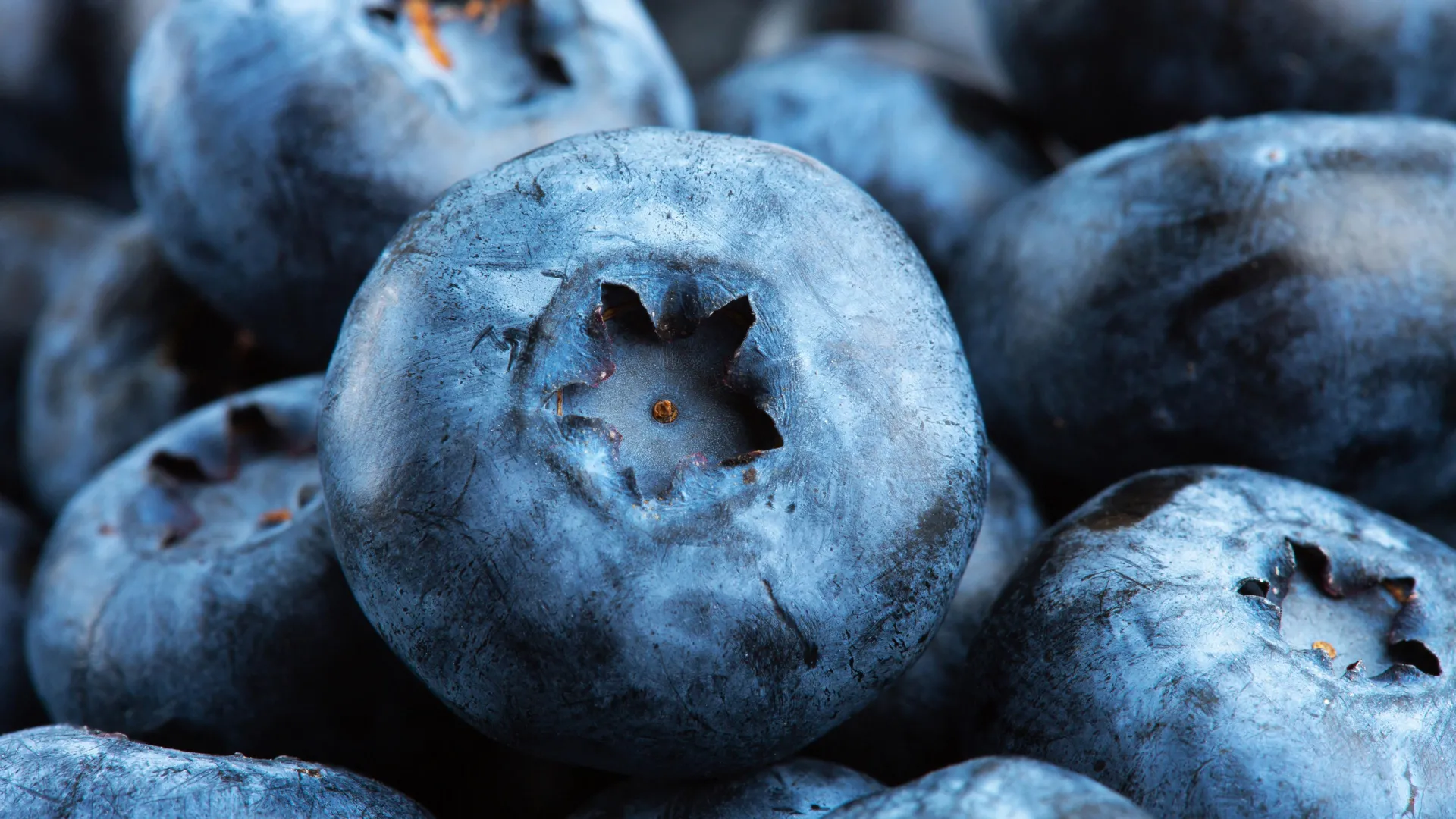
Maine's severe drought in 2025 and continuing drought conditions in 2026 are reducing wild blueberry yields and supply, making them harder to find and more expensive in grocery stores.
Agriculture
fromTasting Table
1 month agoFan Of Wild Blueberries? Why 2026 Might Be An Unlucky Year For You - Tasting Table
Maine's severe drought in 2025 and continuing drought conditions in 2026 are reducing wild blueberry yields and supply, making them harder to find and more expensive in grocery stores.
fromTasting Table
1 month agoRice And Wheat Have Natural Fiber, But America Removes It - Here's Why - Tasting Table
Fiber is essential for stabilizing gut health, easing digestion, regulating bowel movements, and staggering the absorption of carbohydrate sugars into the bloodstream. By slowing down the glycemic load of these sugars flooding our bloodstreams, we can even reduce the risk of developing type 2 diabetes.
Health
fromTasting Table
1 month ago8 Fruits With An Impressively High Fiber Content - Tasting Table
Fiber comes in two forms - soluble and insoluble. The former helps to regulate blood sugar levels in in the body, while the latter promotes healthy digestion by keeping food moving through the gut. Many fruits contain both types of fiber, so incorporating them into your snacks, breakfast bowls, and desserts comes with significant benefits.
SF food
Food & drink
fromTasting Table
2 months agoGreen Vs Red Grapes: Which Variety Provides Better Nutritional Value? - Tasting Table
Red grapes have higher antioxidant activity than green grapes, offering greater protective health benefits while both provide similar vitamins, minerals, hydration, and modest fiber.
Agriculture
fromTasting Table
1 month agoGrowing Strawberries? This Brilliant Backyard Method Is So Easy - Tasting Table
Growing strawberries in gutters is an accessible beginner-friendly method requiring minimal space, drainage holes, soil, and eight hours of daily sunlight for successful vertical gardening.
fromwww.theguardian.com
1 month agoHow to turn limp rhubarb into tasty jam recipe
It's essential to use raw honey for fermenting, because it is naturally acidic (low pH) and contains wild yeasts, beneficial microbes and active enzymes that help create a healthy fermentation environment once diluted. Pasteurised honey, on the other hand, is heat-treated to slow crystallisation, which also destroys many of the naturally occurring yeasts, beneficial bacteria and enzymes needed for fermentation.
Everyday cooking
fromSlate Magazine
1 month agoWhen Prunes Tried to Make "Dried Plums" Happen
In the late 1990s, the California Prune Board set out on a quixotic mission to amend this sales-flattening reputation. It would attempt to rechristen this ancient fruit in the hopes the prune could one day be as unencumbered as an apricot, a raisin, or a fig.
Food & drink
fromTasting Table
2 months agoThe Slow-Growing Crop That Pays Off Big When You Start It From Seed - Tasting Table
People grow asparagus from crowns because it shortens the long wait times for harvesting. From seed, you'll need to wait three years before harvesting asparagus. Some people consider that a waste of time. The tradeoff is that you can keep harvesting every spring for up to 15 years or more. If you plant crowns, you get a one-year jump on things. However, those crowns may have soil-borne diseases you don't know about, so there is a risk involved. Seeds remove that problem.
Agriculture
fromwww.theguardian.com
1 month agoWhen it comes to preparing seeds for your garden, you'll reap what you sow
To an unimaginable eye, a seed looks inert. Yet they are packed with genetic information and biological processes poised to unfold. All it takes is the right configuration of signals and stimuli from the environment to let them know it's time to dare to grow.
Agriculture
fromTasting Table
2 months ago15 Fruits And Vegetables You Can Start Growing In Late Winter - Tasting Table
Late winter is when keen gardeners can get a little restless. The weather is still cold, and spring still feels far away. Thankfully, you don't need to wait until the weather warms to start your growing season. There are plenty of fruits and vegetables that can be started in the late winter, ready for a bountiful harvest in the coming months. Each of these plants needs unique care in order to thrive, but thankfully, I can guide you through exactly the right steps.
[ Load more ]