#rebate-programs
#rebate-programs
[ follow ]
#electric-vehicles #consumer-behavior #gas-prices #tariffs #economic-impact #government-policy #supreme-court
fromBusiness Matters
2 days agoReeves unveils 25% electricity bill cut for 10,000 manufacturers as energy costs bite
The British Industrial Competitiveness Scheme (BICS) will be widened by 40 per cent, bringing an additional 3,000 firms under its umbrella. The scheme will exempt qualifying businesses from the indirect costs of three legacy green levies: the Renewables Obligation, Feed-in Tariffs and the Capacity Market.
UK politics
fromFortune
3 days agoDebt management plan vs. debt relief | Fortune
A debt management plan (DMP) is a way to combine your unsecured debts into a more manageable single monthly bill. You'll typically get reduced interest rates compared to what you're currently paying thanks to negotiation by the agency you're working with.
Bootstrapping
#credit-cards

Travel
fromFortune
4 days agoAmericans are credit card-maxxing tax season with sign-up bonuses while half the country relies on their refund to catch up on bills | Fortune
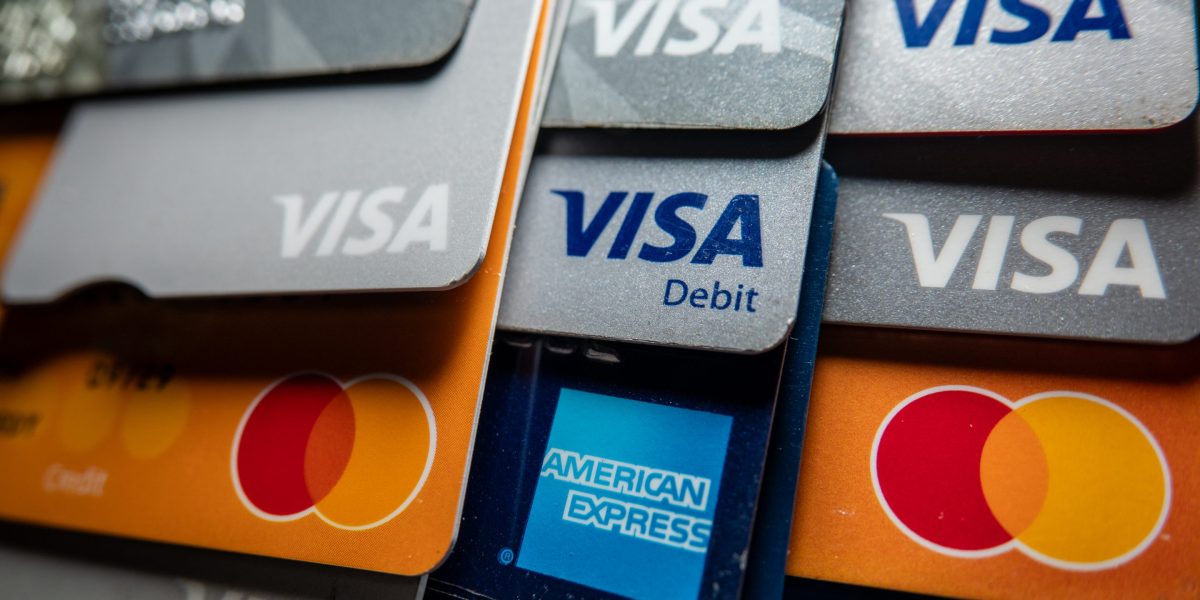
High sign-up bonuses on credit cards are prompting some Americans to pay taxes with new cards for points, but this strategy carries risks.



fromDigiday
1 month agoRetailers turn to digital rebates as alcohol sales slump
Within roughly the past six months alone, Swiftly expanded its alcohol rebate programs from about 11,000 stores to more than 33,000 stores in 44 states. Swiftly had built an alcohol cashback product in 2023 but scaled it through the acquisition of alcohol promotions platform BYBE in 2024.
Wine
Alternative transportation
fromStreetsblog USA
2 weeks agoTrump's 'Freedom Means Affordable Cars' Rings Hollow As Gas Prices Surge - Streetsblog USA
Rising gas prices challenge the Trump administration's oil consumption strategy and highlight the need for better mobility alternatives in American cities.
fromEarth911
1 month agoShould You Go Solar In 2026?
The most consequential shift for anyone considering rooftop solar in 2026 is the expiration of Section 25D, the Residential Clean Energy Credit. That 30% credit, which was worth up to $9,000 on a $30,000 system, is no longer available for home solar installations. The One Big Beautiful Bill, signed July 4, 2025, accelerated the phase-out that the Inflation Reduction Act had originally extended through 2034.
SF real estate

SF politics
fromFortune
1 month agoVirginia's starting to question whether its giant tax breaks for data centers are such a good idea | Fortune
Virginia senators voted to end a $1.6 billion annual tax break for data centers, requiring the industry to resume paying minimum sales tax amid national pushback against data center expansion.
fromBusiness Insider
1 month agoWhat's next for 7 million student-loan borrowers now that SAVE is over
In the coming weeks, the Department will issue clear guidance on next steps for borrowers enrolled in the illegal SAVE Plan, including details regarding how borrowers can move into a legal repayment plan. The Trump Administration will continue to realign the federal student loan portfolio to better serve students and taxpayers.
US politics
fromwww.npr.org
4 weeks agoThis tax season, there's a new deduction for interest on car loans
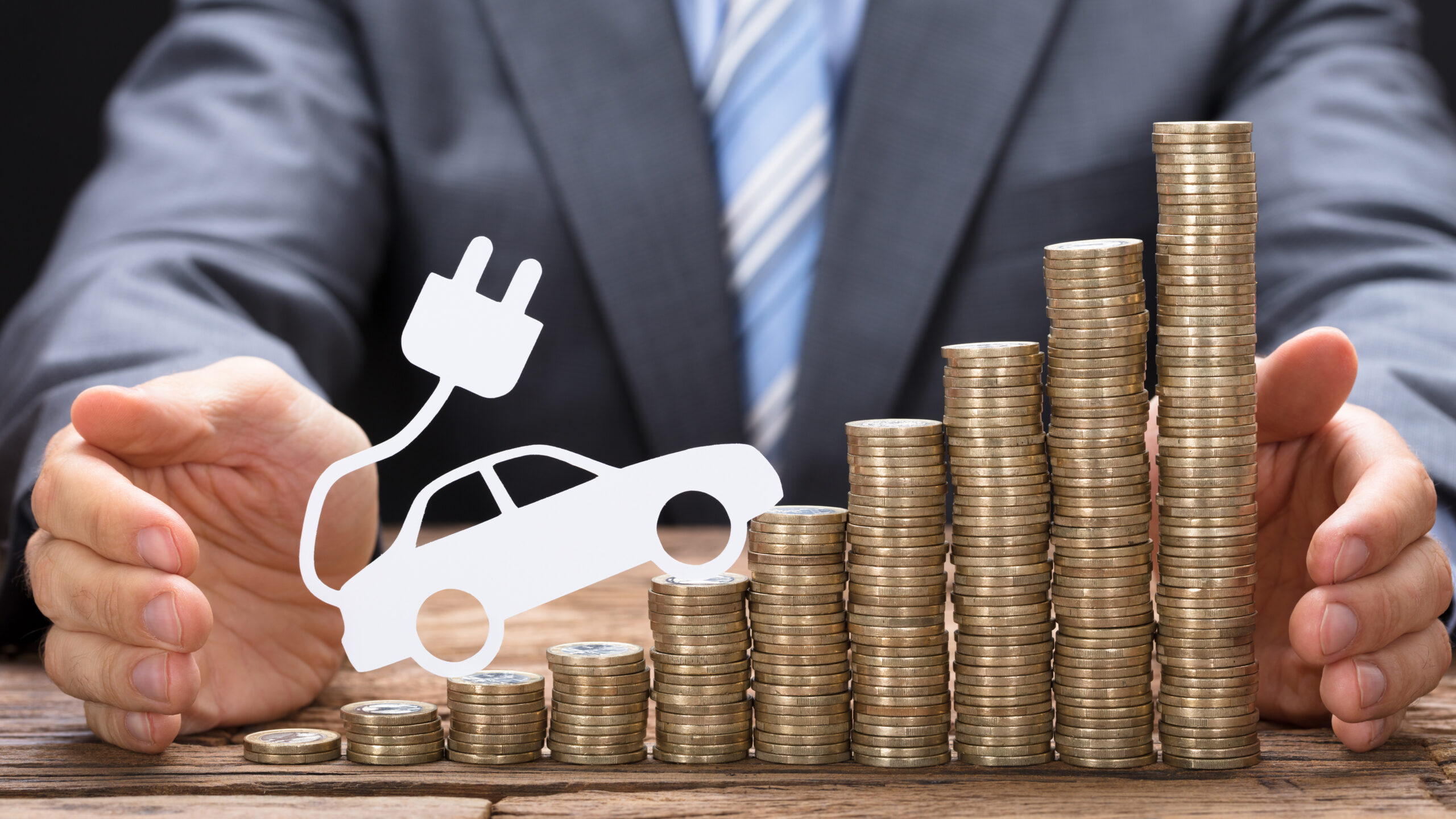
Taxpayers who bought a new car in 2025 can, in some cases, deduct interest on their auto loan. The deduction was created by the One Big Beautiful Bill Act, which also removed taxes on tips and overtime for qualifying workers, and relevant to new car shoppers eliminated a tax credit for buying electric vehicles.
Cars
frominsideevs.com
4 weeks agoIonna Just Hit A Big Milestone, And It's Offering Serious Discounts
The up-and-coming DC fast charging network backed by several automakers opened its 100th station in the United States, bringing the total number of individual bays to nearly 1,000. That's a big deal for a newcomer that was founded just two years ago and energized its first DC fast chargers in December 2024.
Cars
Boston real estate
fromwww.housingwire.com
1 month agoDemocrats propose bill targeting corporate housing tax breaks
Democrats introduce legislation to restrict institutional investors and hedge funds from bulk-purchasing single-family homes to address housing affordability crisis and preserve homeownership opportunities.
#tariff-refunds
Intellectual property law
fromFortune
1 month agoFinance leaders divided on using potential tariff refunds-just 18% would fully roll back price hikes | Fortune
Corporate executives remain divided on tariff refund strategies and are reluctant to reduce prices despite potential cost relief from Supreme Court rulings.

Intellectual property law
fromFortune
1 month agoFinance leaders divided on using potential tariff refunds-just 18% would fully roll back price hikes | Fortune
Corporate executives remain divided on tariff refund strategies and are reluctant to reduce prices despite potential cost relief from Supreme Court rulings.
fromMedium
1 month agoThe justification tax
Kantar's codebase was legacy old. The kind of technical debt that isn't a line item on a sprint board but a structural reality that shapes every decision the company makes. Rebuilding the architecture to support what I'd designed would have cost more than the organization was willing to invest, regardless of the Barilla deal sitting on the table.
UX design
frominsideevs.com
2 months agoCalifornia's New EV Rebate Is Only For First-Time Electric Car Buyers
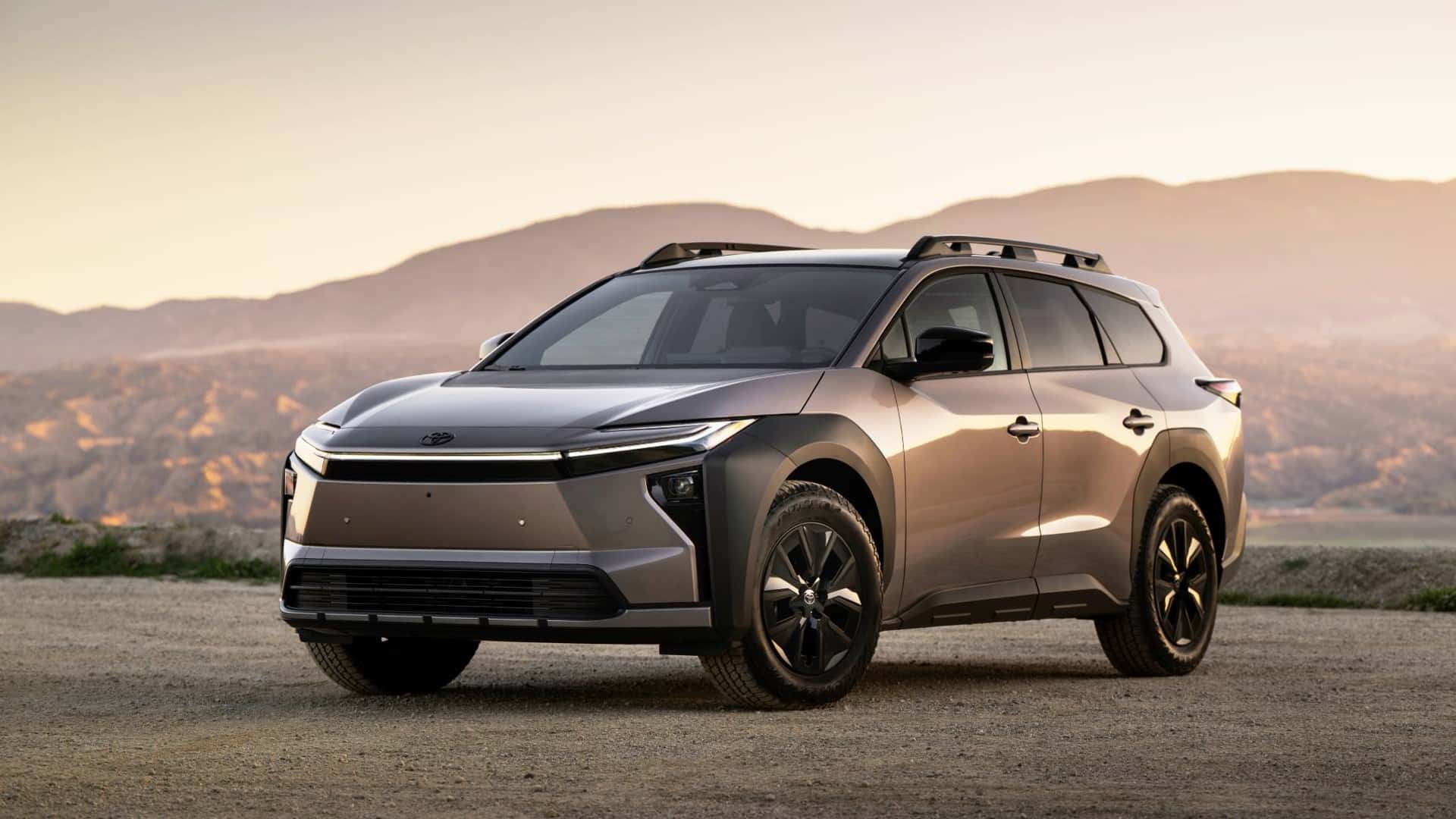
California has decided that if the U.S. government is going to slash electric-vehicle incentives, it needs to keep the momentum going itself with $200 million in state funds to promote cleaner cars. California Gov. Gavin Newsom's latest proposal reveals a bit more about how exactly it plans to plug the gap. The program's finer details are still hazy. But we know this: The policy would require manufacturers to match the state's contribution dollar-for-dollar, effectively doubling the incentive.
California

European startups
fromPortland Mercury
1 month agoLegislators Temporarily Cut Data Centers From Oregon Tax Break Bill
Oregon's budget subcommittee blocked new data center projects from tax break eligibility until summer 2027, preventing hundreds of millions in additional subsidies to already-profitable companies like Amazon, Meta, Apple, and Google.
fromwww.npr.org
1 month agoTax credits for solar panels are available, but the catch is you can't own them
With these arrangements sometimes called subscriptions or power purchase agreements (PPAs), a third party owns the panels and leases them back to the homeowner. But last summer, President Trump signed legislation that ended federal tax incentives that had cut at least 30% off the price of purchased panels. Similar incentives for leased panels remain.
US news
Cars
fromSitePoint Forums | Web Development & Design Community
1 month agoWhat's One Car Buying Tip You Wish Someone Had Known Earlier?
Successful car buying requires examining vehicle history, understanding total ownership costs beyond purchase price, and avoiding rushed decisions rather than focusing solely on initial price.
fromThe Motley Fool
2 months agoThis Potentially Lucrative Tax Break May Be Off the Table for You This Year | The Motley Fool
Most of us would like to pay the IRS as little money as possible each year. And that's where tax credits and deductions come in. A tax credit is a dollar-for-dollar reduction of your tax liability, while a tax deduction allows you to exempt a portion of your income from taxes. If you're in a high tax bracket, claiming the right deductions could result in a huge amount of savings.
Business
Environment
fromTechCrunch
2 months agoHomeBoost's app will show you where to save on your utility bills | TechCrunch
HomeBoost mails DIY home energy assessment kits and uses an app to identify inefficiencies, recommend cost-effective upgrades, and surface location-based rebates to lower utility bills.
fromThe Verge
1 month agoThe uncomfortable truth about hybrid vehicles
Plug-in hybrids can offer 20-60 miles of electric-only driving for daily use, plus a gas engine for longer trips or when they can't recharge. And as EV growth slows down, many automakers clearly see hybrids - and more specifically, plug-in hybrids (PHEV) - as a better fit for America's fluctuating tastes.
Cars
Environment
fromLos Angeles Times
2 months agoCalifornia wanted to buy e-bikes for residents. Glitches, funding short-circuited the effort
California launched a generous e-bike voucher program that heavily subsidized purchases, saw overwhelming demand, crashed its website, and then abruptly ended despite initial success.
fromFast Company
2 months agoHow discounting hurts long-term loyalty and profits
Discounting has been part of retail's toolkit for decades, and it can be effective, especially during high-stakes shopping seasons. But as promotions become more frequent across the industry, companies are taking a closer look at the downside: Short-term sales gains don't always come with long-term loyalty or durable margins, and customers remember how a brand made them feel far more than what they saved at checkout.
Marketing
fromTasting Table
2 months agoYou Can Trade In Outdated Electronics For Grocery Money At Costco - Here's How - Tasting Table
If you have a lot of outdated or obsolete electronics hanging around your house, Costco has an amazing way to turn them into grocery money. It has partnered with Phobio, a company that specializes in trade-in services for electronics. Customers can use a simple process to send in old electronics that still work, and Phobio will inspect and test them and then wipe the data.
E-Commerce
fromBusiness Insider
2 months agoI grew up couponing after my parents were laid off. Now I teach millions on social media how to save money.
I'm a professional couponer who shares tips with my millions of followers on social media. I have a long couponing history. Both of my parents got laid off during the recession and had two teenage daughters. They needed to figure out how to make ends meet quickly, so my mom took a community college class and learned the basics of couponing.
E-Commerce
frominsideevs.com
1 month agoWant A Great EV Deal? Buy One That's A Year Old
2025-model used cars sold in the fourth quarter of last year went for $6,370 less than their average new car transaction price. That's already substantial savings, but the numbers are even better for EV and PHEV shoppers. Models like the Dodge Charger Daytona and Jeep Wrangler 4XE have truly staggering discounts after less than a year on the road.
Cars
from24/7 Wall St.
2 months agoThe Most Affordable Car Brands You Can Actually Rely On
When shopping for a vehicle, most buyers are looking for more than just a good deal. A vehicle purchase isn't worth it to them without peace of mind. While style, technology, and performance all play a role, affordability and reliability consistently rise to the top of the priority list. A car that's reasonably priced but frequently in the shop quickly becomes an expensive headache. Drivers know that long-term dependability is just as important as the sticker price.
Cars
from24/7 Wall St.
2 months agoFrom Frustration to Respect: What Car Dealerships Actually Get Right
For years, car dealerships had a terrible reputation. Pushy sales tactics, confusing pricing, and long hours spent negotiating made the entire experience feel more like a battle than a purchase. Like many buyers, I assumed that avoiding dealerships altogether was the smartest way to buy a car, especially as online platforms and direct-to-consumer models gained popularity. Over time, however, my perspective began to shift.
Cars
[ Load more ]