Digital life
fromCGMagazine
2 days agoThe Living Room Is Tech's Next Battleground
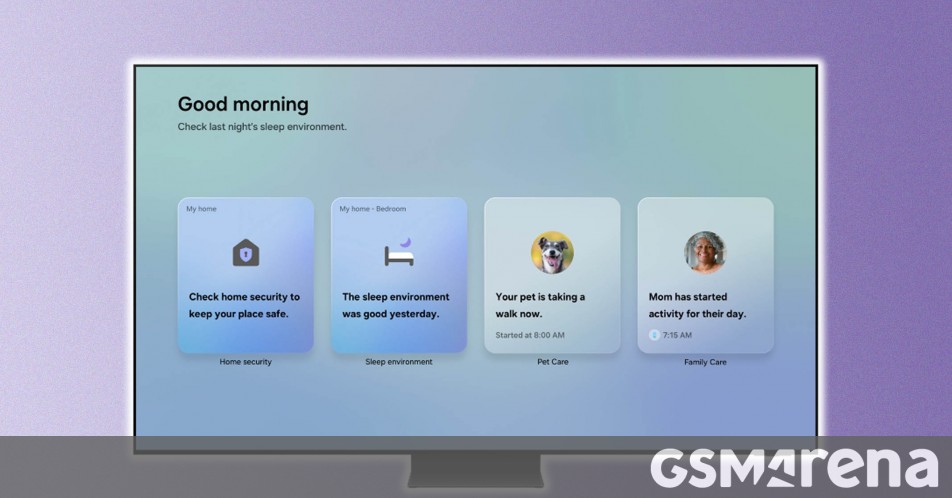
The living room is evolving into a strategic digital space, with TVs becoming integrated platforms for media, commerce, and user engagement.
Service Network was built to solve that breakdown at scale by embedding service engagement directly into the workflows agents use every day. It turns service introductions from an inconsistent experience into a reliable one for every client.
In the past, roof inspections mostly focused on what could be seen from the outside. Contractors looked for broken shingles, worn flashing, or areas where water might enter the roof. The problem is that roof damage does not always show clear signs right away. Water can move through roofing layers before it becomes visible inside the home.
Retail point-of-sale systems today offer a wide range of options for peripherals and hardware. Their technical specifications play a major role in selection, and big retailers often choose multiple vendors to reduce a single point of failure. This gives them an advantage to negotiate price or support as well. Technically, these peripherals also require updating with new models and may have new feature sets. This necessitates the redevelopment of point-of-sale applications, increasing development costs.
Appliance power mapping means measuring each appliance's actual electricity consumption rather than relying on manufacturer estimates. Using tools like plug-in electricity monitors (such as a Kill-A-Watt meter) or whole-house energy monitors (like Sense or Emporia Vue), you collect real data on how much electricity each device draws-while running, in standby, and when nominally "off."
When Derek Eder started looking for an all-electric heating system for his 100-year-old home in Oak Park, some local furnace installers refused to work with him, saying the technology wasn't up to the challenge of a Midwestern winter. Other installers told him they'd do the job, but only if he invested in a natural gas backup system for very cold days. But Eder, who was trying to go all-electric at home to fight climate change, pressed on, eventually finding a local company that was happy to replace his gas furnace with two high-efficiency electric heat pumps and an all-electric backup system.
All smart homes are at risk of being hacked, but it's not a likely event. The type of bad actors that target smart homes and devices, such as security cameras, are opportunistic. They search randomly for easy targets -- they don't tend to choose a particular home to attack and then try to circumvent that specific system.
All of the appliances and systems are brand-new: the HVAC, the lighting, the entertainment. Touch screens of various shapes and sizes control this, that, and the other. Rows of programmable buttons sit where traditional light switches would normally be. The kitchen even has outlets designed to rise up from the countertop when you need them, and slide away when you don't.
Originally developed by Nest (before the Google acquisition), Thread has existed since 2011. Devised as a power-efficient mesh networking technology for internet-of-things (IoT) products, Thread gathered pace after the 2014 formation of the Thread Group, which develops the technology and drives its adoption as an industry standard. Founding members like ARM, Samsung, Google, and Qualcomm have been joined by Apple, Amazon, and many other big companies over the years.