Public health
fromSFGATE
22 hours agoDangerous disease 'as old as the plague' hits record high in California
Record flea-borne typhus cases in Los Angeles County prompt health officials to urge preventive measures for residents and pets.
I am open-minded; I believe in integrative practices, and I agree that the medical establishment can be arrogant and unduly influenced by the pharmaceutical industry, which now funds so much of medical research. But I fully understand Scherer's frustration with his interminable discussions with Kennedy about scientific articles.
Alongside the obvious nasal hairs that a few people choose to trim, all of us have cilia, or microscopic hairs in our noses that can move and sense things of their own accord. And so if anything gets trapped by the cilia, that triggers a reaction to your nerve endings that says: Right, let's get rid of this.' And that triggers a sneeze.
DNA variants near a gene called MSRB3 - which is important for hearing in humans - could determine whether a dog's ears are pendulous like a basset hound's or stubby like a rottweiler's. Researchers analysed the genomes of thousands of canines and found that small, single-letter changes to DNA in a region of the genome near MSRB3 could boost the gene's activity. The boost can increase the rate at which ear cells proliferate, resulting in longer ears.
The remaining question, though, was where all this methane was coming from in the first place. Throughout the pandemic, there was speculation that the surge might be caused by super-emitter events in the oil and gas sector, or perhaps a lack of maintenance on leaky infrastructure during lockdowns. But the new research suggests that the source of these emissions was not what many expected. The microbial surge
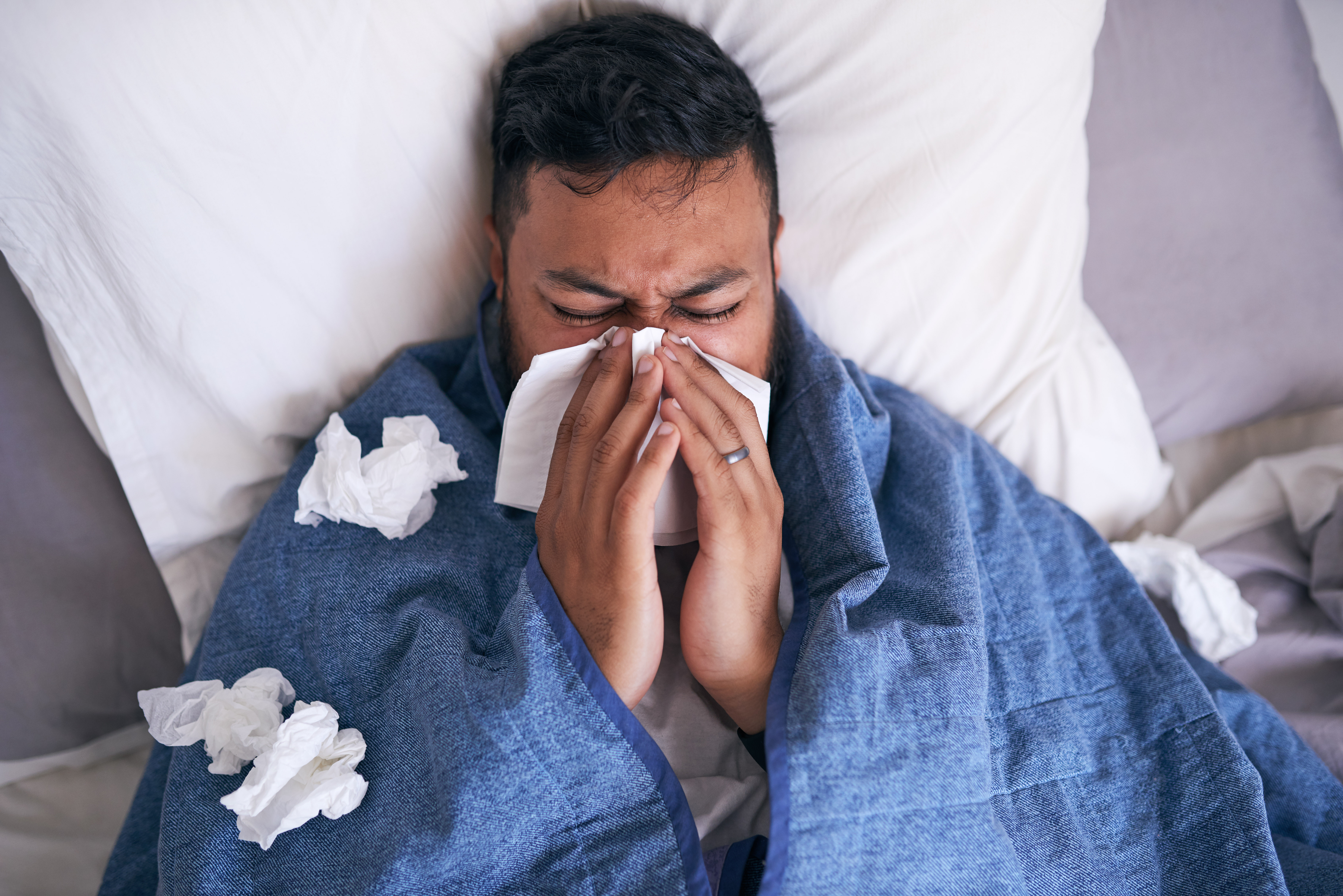
If you feel like everyone you know is dealing with a cough, cold and runny nose, it's not in your head. Multiple viruses, not just the flu, are currently circulating near season-high levels in the San Francisco Bay Area, according to wastewater data. Flu tests show seasonal influenza activity continues to be elevated in the region, although it's down from the season-high peak at the end of December, according to the California Department of Public Health.
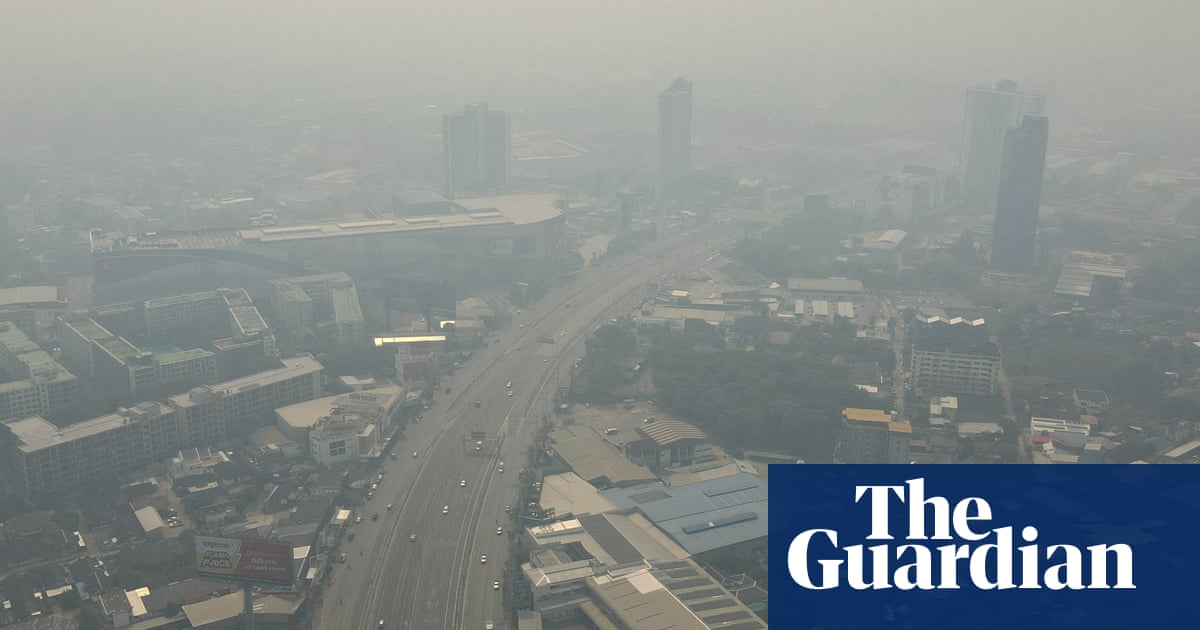
The conventional approach to evaluating the impact of air pollution is to focus on a single exposure during a fixed period of time. But evidence suggests that contaminants work together, magnifying the damage to people's lungs. Conventional studies fail to probe synergistic effects. They also ignore the cumulative effects of lifelong exposures to pollutants, known as the exposome. Researchers need to shift away from single-pollutant studies and towards those involving a broad range of exposures.
It's clear that the worst is far from over for the NHS this winter, with hospitals again experiencing a rise in patients admitted with flu and other respiratory virus cases last week.
Being overweight doesn't just make people more susceptible to chronic illnesses such as heart disease and diabetesit might also increase their risk of severe influenza and other infections, a new study confirms. The study, published today in the Lancet, suggests that people with obesity may be more susceptible to death and hospitalization from a variety of infections caused by viruses, fungi, parasites and bacteria.
Use a cleaner that will kill the flu virus: The CDC advises to use cleaners that contain chlorine, hydrogen peroxide, detergents (soap), iodophors (iodine-based antiseptics), or alcohols. Use disinfectants according to package instructions: A quick spray and wipe isn't sufficient for disinfecting. In general, you need to apply enough of the disinfecting solution that it takes some time to dry from the surface. (That "dwell time" is always indicated on the label.)
Tuberculosis is a bacteria that usually attacks the lungs, infecting the air sacs where they multiply and spread. If the infection is not contained by the body's immune response, the bacteria destroys lung tissue which can trigger chest pain and coughing up of mucus or blood. Eventually, infection can spread throughout the body via the bloodstream, often to the kidneys, liver and heart muscles.