#richard-hart
#richard-hart
[ follow ]
#literature #memory #ben-lerner #infinite-jest #aging #coming-of-age #literary-influence #relationships



Writing
fromwww.theguardian.com
1 week agoLife of Pi author Yann Martel: I thought the Iliad was a book for old farts then I started getting ideas'
Yann Martel's new novel, Son of Nobody, reimagines the Trojan War from the perspective of an unknown soldier, blending humor and domesticity with scholarly footnotes.
fromwww.npr.org
1 month agoKeith O'Brien talks about his latest book, 'Heartland'
You know, this story is a bit different, right? We always do the Bird-Magic thing where we combine the narratives of Larry Bird and Magic Johnson. And really, what I wanted to do with this book was just tilt the camera a little bit differently, change that perspective and zoom in on that origin story in rural Indiana in the 1970s.
LA Clippers

fromwww.theguardian.com
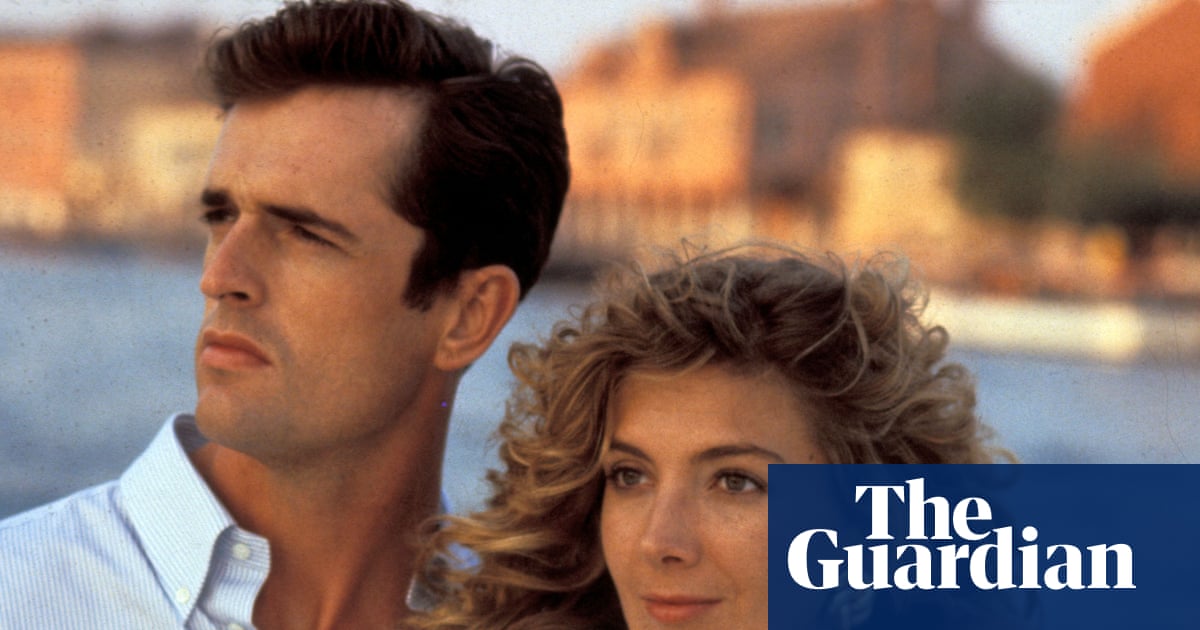
2 weeks agoBenjamin Wood: John Fowles's The Magus was so frustrating I threw it at the wall'
My mother bought me Stanley Bagshaw and the Short-sighted Football Trainer by Bob Wilson. I grew up thinking he was the same Bob Wilson who played in goal for Arsenal and presented sport on ITV.
Books
Books
fromwww.npr.org
1 month agoAuthor Luke Kennard talks about his novel, 'Black Bag'
Luke Kennard's novel 'Black Bag' fictionalizes a 1967 psychology experiment where a silent, bagged actor in a classroom gradually becomes liked by students through repeated exposure, exploring how familiarity transforms perception.
fromwww.theguardian.com
4 weeks agoHowl by Howard Jacobson review a tragicomic portrait of a Jewish man's despair
Howard Jacobson writes characters at their wits' end; those characters are usually men, and those men are usually Jewish. Additionally, and problematically for both them and everyone around them, their collective wits are capacious: easily enlarged to allow idiosyncrasy to bloom into neurosis, preoccupation into obsession.
Writing
Books
fromwww.theguardian.com
3 weeks agoAlmost Life by Kiran Millwood Hargrave review a will-they-won't-they queer romance
Almost Life chronicles a decades-long romance between two women beginning in 1970s Paris, exploring queer love, missed opportunities, and the consequences of life choices across different social contexts.
fromHarvard Gazette
2 months agoMoved by what's missing in Homer's 'Harrow' - Harvard Gazette
At first sight, Winslow Homer's " The Brush Harrow," which depicts two young boys, a horse, and a harrow against an arid landscape, evokes a feeling of somber isolation - but it's hard to pinpoint why. During a talk by curator Horace D. Ballard at the Harvard Art Museums on Jan. 29, visitors learned that Homer painted the scene in 1865, as the Civil War was ending, making the emotional underpinnings of the work clearer.
Arts
Books
fromThe New Yorker
4 weeks agoBriefly Noted Book Reviews
Two literary works explore complex themes through innovative narrative techniques: Morrison's essays examine challenging craft elements in Toni Morrison's writing, while Nganang's memoir uses the scale as a metaphor connecting personal experience to colonial history.
Writing
fromBig Think
1 month ago"If it sounds literary, it isn't": The deceptively simple rules behind good writing
Neal Allen and Anne Lamott co-authored Good Writing by combining Allen's 36 writing rules with Lamott's annotations, creating a collaborative guide where Allen explains rules and Lamott provides practical examples and alternative perspectives.
fromwww.theguardian.com
2 months agoLord of the Flies review Jack Thorne's take on the classic is nowhere near the original's power
What, you wonder, could possibly have prompted the powers that be to commission an adaptation of a postwar allegory that throws into dreadful relief the impulse to tyranny, the fragility of democracy and the brittleness of our veneer of civilisation in this shining year of 2026? We may never know. Did I mention it takes place on an island in which all normal social rules no longer apply and the inhabitants are protected from any punishment or consequence, no matter what appetites emerge?
Television


Books
fromwww.theguardian.com
1 month agoDaisy Johnson: I wasn't a fan of David Szalay, but Flesh is a masterpiece'
Reading shapes identity across life stages, from childhood memories through formative teenage years to adult perspectives, with specific books creating lasting connections and inspiring creative ambitions.
fromPsychology Today
1 month agoBurn Your Romance Novels!
The short answer is yes, unless you take fiction for what it is-fiction. When you long for something you don't have, it can lead to dissatisfaction with what you DO have. Romantic fiction has witty, heartfelt dialogue, buckets of romantic gestures, and protagonists who have a preternatural ability to read each other's minds. It's easy to forget it is not real. This can set up unrealistic expectations both conscious and unconscious.
Relationships
fromDefector
1 month agoDan Simmons Is Dead So It's Time To Read 'Hyperion' | Defector
This is a shame, because his best work belongs with the greats of fantasy, horror, and sci-fi. Summer of Night is a tighter, more satisfying version of Stephen King's It. Carrion Comfort is a brick-sized epic about psychic vampires that reads as breezily as a trade paperback. The Terror, which inspired the well-regarded show, is for its first three-quarters a brilliant and non-supernatural speculative take on a real doomed Arctic expedition.
Books
Books
fromwww.theguardian.com
1 month agoSaba Sams: I've no interest in reading Wuthering Heights again'
Jacqueline Wilson's unflinching approach to children's literature, alongside works by authors like Gwendoline Riley and Clarice Lispector, demonstrates that literary courage and emotional complexity resonate more powerfully than conventional safety or virtuousness.
Books
fromwww.theguardian.com
1 month agoThe Quantity Theory of Morality by Will Self review raucously inventive state-of-the-nation satire
Will Self's new novel The Quantity Theory of Morality extends his 1991 debut theory by proposing that moral resources are finite and their depletion inevitably triggers widespread bad behavior across all social groups.
Books
fromwww.theguardian.com
1 month agoThey by Helle Helle review a novel to make the reader slow down and take notice
A Danish novel explores the deepening bond between a teenage daughter and terminally ill mother through minimalist prose that captures unspoken emotional intimacy and life's quiet, defining moments.
fromwww.theguardian.com
2 months agoTo say I was the favourite would imply I was liked': Mark Haddon on a loveless childhood
cardiganed grandmothers eating roadside picnics beside Morris Minors, pale men sunbathing in shoes and socks on stripy deckchairs, Raleigh Choppers and caged budgerigars and faux leather pouffes I feel a wave of what can't properly be called nostalgia, because the last thing I'd want is to return to that age and those places where I was often profoundly unhappy and from which I'd have been desperate to escape if escape had been a possibility.
Writing
fromThe New Yorker
1 month agoBriefly Noted Book Reviews
Dilara, the protagonist of this début novel, is consumed by the absence of a stable home in her life. She and her family flee Turkey, where she is from, after a failed coup in 2016. When they end up in Italy, something inexplicable happens: Dilara's bathroom transforms into a cell in an infamous prison on the outskirts of Istanbul.
Books
Books
fromwww.theguardian.com
1 month agoBen Markovits: I used to think any book concerned with people falling in love can't be very good'
Reading shaped formative years through detective stories, fantasy epics, and memoirs that provided companionship and escape during frequent moves and family transitions.
Books
fromThe Atlantic
1 month agoWhen Did Literature Get Less Dirty?
Philip Roth's Zuckerman Unbound functioned as a response to the controversial reception of Portnoy's Complaint, with Roth's protagonist expressing regret over writing sexually explicit material that drew accusations of anti-Semitism and misogyny.
fromJezebel
1 month agoTurns Out, When You Write a Novel About Killing a Politician, People Tell You How They'd Do It
When the people who are after me get here, they'll arrest me and put me on trial, or they'll disappear me to some black site. Or they won't bother with any of that and they'll just kill me. All of these seem like plausible outcomes, but in the novel's prologue, the narrator seems much more confident of her success: I am a fucking genius, a gorgeous fucking genius, and the only thing left to do is sit down and write.
Books

fromwww.theguardian.com
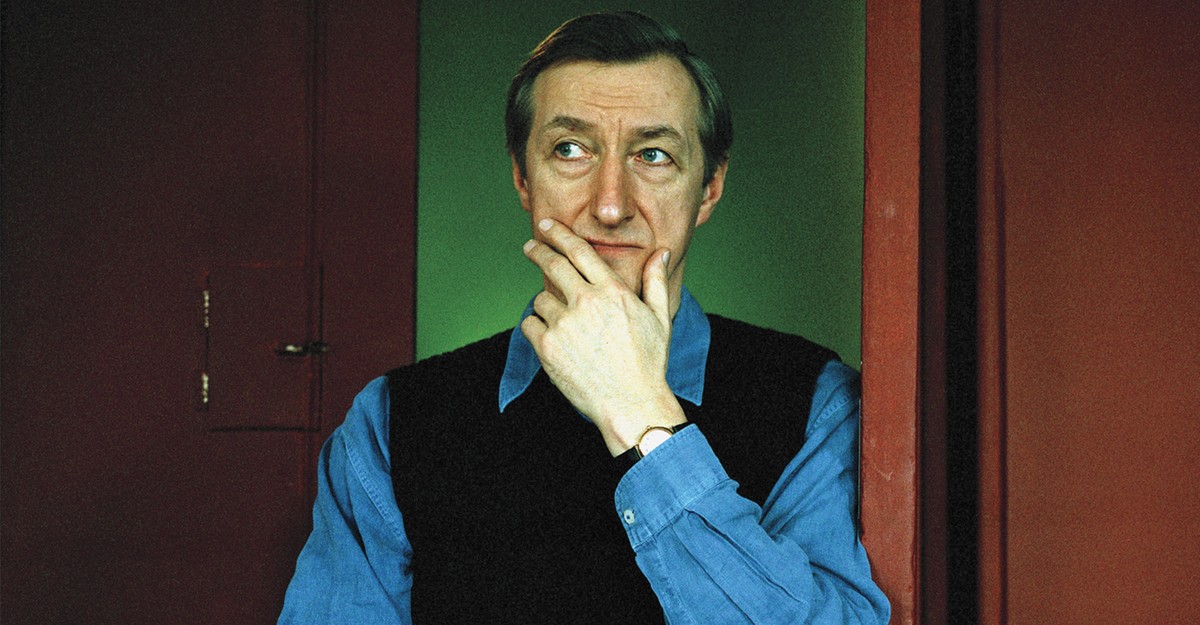
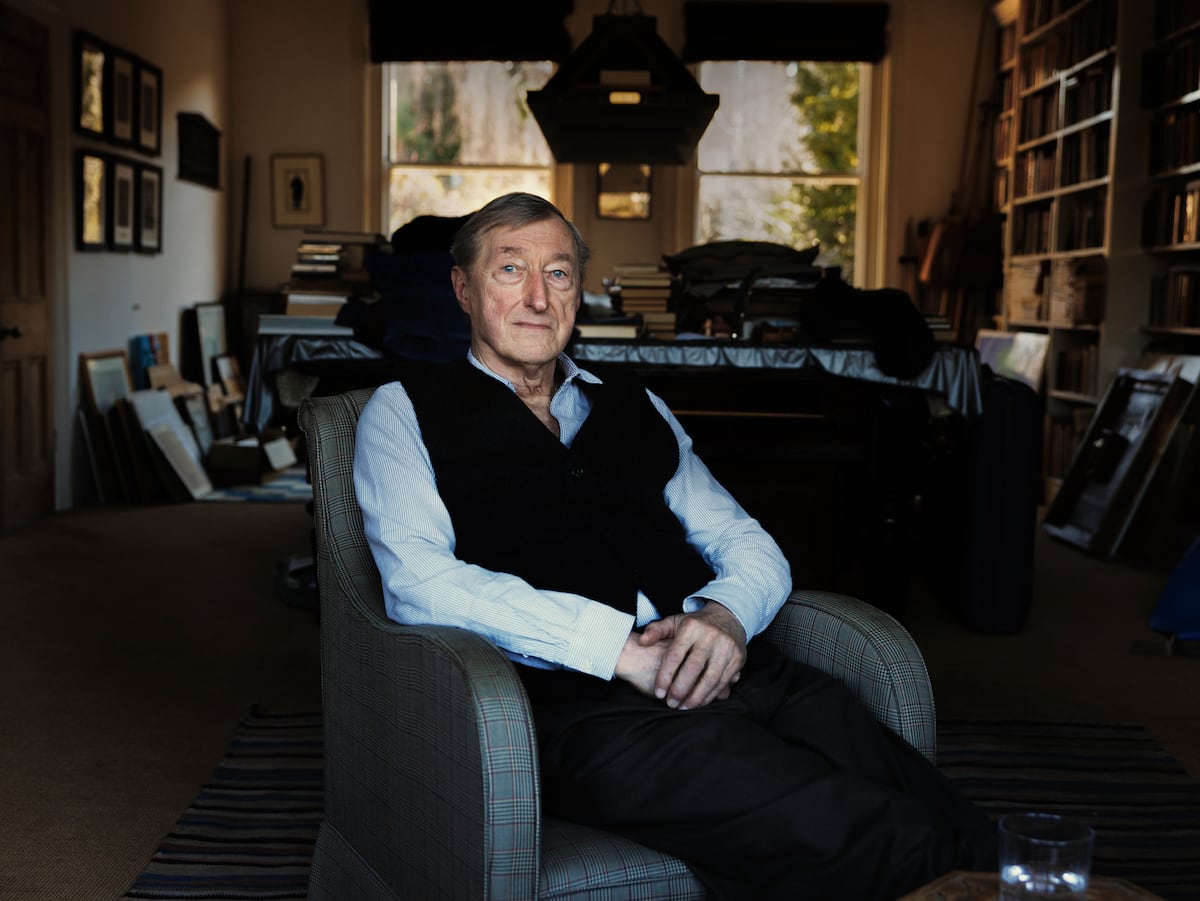
2 months agoI could never hope to equal it again': Jeffrey Archer announces next novel will be his last
When I came across the idea for this novel a few years ago, I knew it was bigger in scope than anything I'd done before and I accepted that the research alone would be more demanding than anything I'd tackled in the past. When I finally sat down to write Adam and Eve I also realised, by the end of the first draft, that this was going to be my final novel,
Books

fromwww.theguardian.com
1 month agoMore heartache than Hamnet?: Maggie O'Farrell's best books ranked!
The ghost of a previous lover is always a challenge, particularly if you (mistakenly) believe that she's actually dead. This is the unenviable situation for Lily, the protagonist of O'Farrell's second novel, who is swept off her feet by dashing architect Marcus and in short order moves in with him. Lily takes his assurances that her predecessor Sinead is no longer with us to mark a more permanent absence;
Books
fromwww.theguardian.com
2 months agoSusan Choi: For so long I associated Dickens with unbearable Christmas TV specials'
The book that changed me as a teenager Donald Barthelme's Sixty Stories, because he was having such a good time and seemed so so smart, but was also mischievous and irreverent. It may sound corny but these stories made me grasp the existence of a world of art and literature. And Barthelme lived in Houston, where I was growing up, yet he was a major world writer.
Books
fromThe New Yorker
2 months agoIn an Age of Science, Tennyson Grappled with an Unsettling New World
Maybe it was the M train rattling the windows of your bedroom as it hurtled past your apartment six times an hour. Maybe it was the crunch of gravel in the driveway when your mother returned home from the night shift. Maybe it was your PlayStation starting up. Maybe it was your parents screaming at each other. Maybe it was the brassy, braggart shriek of roosters at four in the morning. Noise is like water: it will enter everywhere it can, by seep or by surge, and change the shape of things.
Books
fromwww.theguardian.com
2 months agoMay We Feed the King by Rebecca Perry review a dazzling puzzle-box of a debut
We are initiated into a world in which historically accurate foodstuffs can be ordered online a half oyster shell, the exposed flesh shining as if with the freshest brine, is 31.25 for a single piece and begin to understand one of the most striking things about this novel: its insistence upon detail, its utter specificity, set against a deliberate lack of specificity regarding the larger details that the reader's mind naturally itches to fill in.
Books
[ Load more ]