#rotational-grazing
#rotational-grazing
[ follow ]
#sustainability #gardening #soil-health #agriculture #biodiversity #climate-change #crop-management #native-plants



#sustainability
Online Community Development
fromDaily Coffee News by Roast Magazine
3 weeks agoStudy: Social Enterprises Beat Corporate Sustainability in Farmer Well-Being
Social enterprises significantly enhance farmer well-being compared to traditional corporate sustainability programs and cooperatives in the coffee and cocoa sectors.
fromdesignboom | architecture & design magazine
3 weeks agobionic tumbleweed ball heals damaged lands as it rolls around and plants seeds
The Wasteland Nomad is built from biochar and seeds of indigenous plants, which are both biodegradable materials. Biochar works like a sponge inside the soil, as it holds water, gives microbes a surface to live on, and locks carbon into the ground instead of letting it escape into the air.
Design
fromwww.theguardian.com
4 weeks agoSmall changes in how we garden can make a big difference to birds | Letter
Around a third of UK gardeners use pesticides, and our studies found that house sparrow numbers, for example, were nearly 40% lower in gardens where the pesticide metaldehyde was used. By reducing pesticide use, you can actively encourage birds back into your outdoor spaces, as they rely on invertebrates such as slugs and snails as natural prey.
Pets
London food
fromIndependent
1 month agoFrom boardroom to barn: A couple's leap into organic sheep farming in Wicklow
Tom Stewart transitioned from UK logistics management to full-time farming in Ireland through a succession partnership, with his wife Katy joining after initially remaining in her dentistry career.

Everyday cooking
fromTasting Table
3 weeks agoFireplace Ashes Can Boost Your Vegetable Garden - If You Use Them The Right Way - Tasting Table
Wood ash serves as a nutrient-rich, budget-friendly fertilizer that enhances plant growth, modifies soil pH, and deters garden pests when applied sparingly in small doses.
Environment
fromEarth911
1 month agoSustainability In Your Ear: The Forest Stewardship Councils' Path to a Circular Bio-based Future with Loa Dalgaard Worm
Forests face unsustainable depletion from rising demand for wood fiber, requiring circular economy models and new incentive systems to protect remaining forests while meeting material needs.
fromwww.dw.com
2 months agoHoly cow! Cattle may be a lot smarter than we thought
The 13-year-old Swiss Brown cow lives in the village of Notsch at the foot of the Carinthia mountains in southern Austria. She's kept as a pet by a local farmer, and can roam her meadow to her heart's delight. Like many other pets, she likes to have her back scratched. If no friendly humans are around to do the job, that's not a problem Veronika uses a brush or stick to do it herself.
Science
fromRealagriculture
2 months agoGet your soil health project funded through OFCAF
Across Ontario, producers are building healthier soils and improving their operations through everyday decisions - ones that shape productivity today and influence the legacy left for the next generation. The Ontario On-Farm Climate Action Fund (OFCAF) supports this work by providing cost-share funding to support the implementation of nitrogen management, cover cropping and rotational grazing projects. Many operations are already putting these beneficial management practices (BMPs) to work.
Canada news
fromSilicon Canals
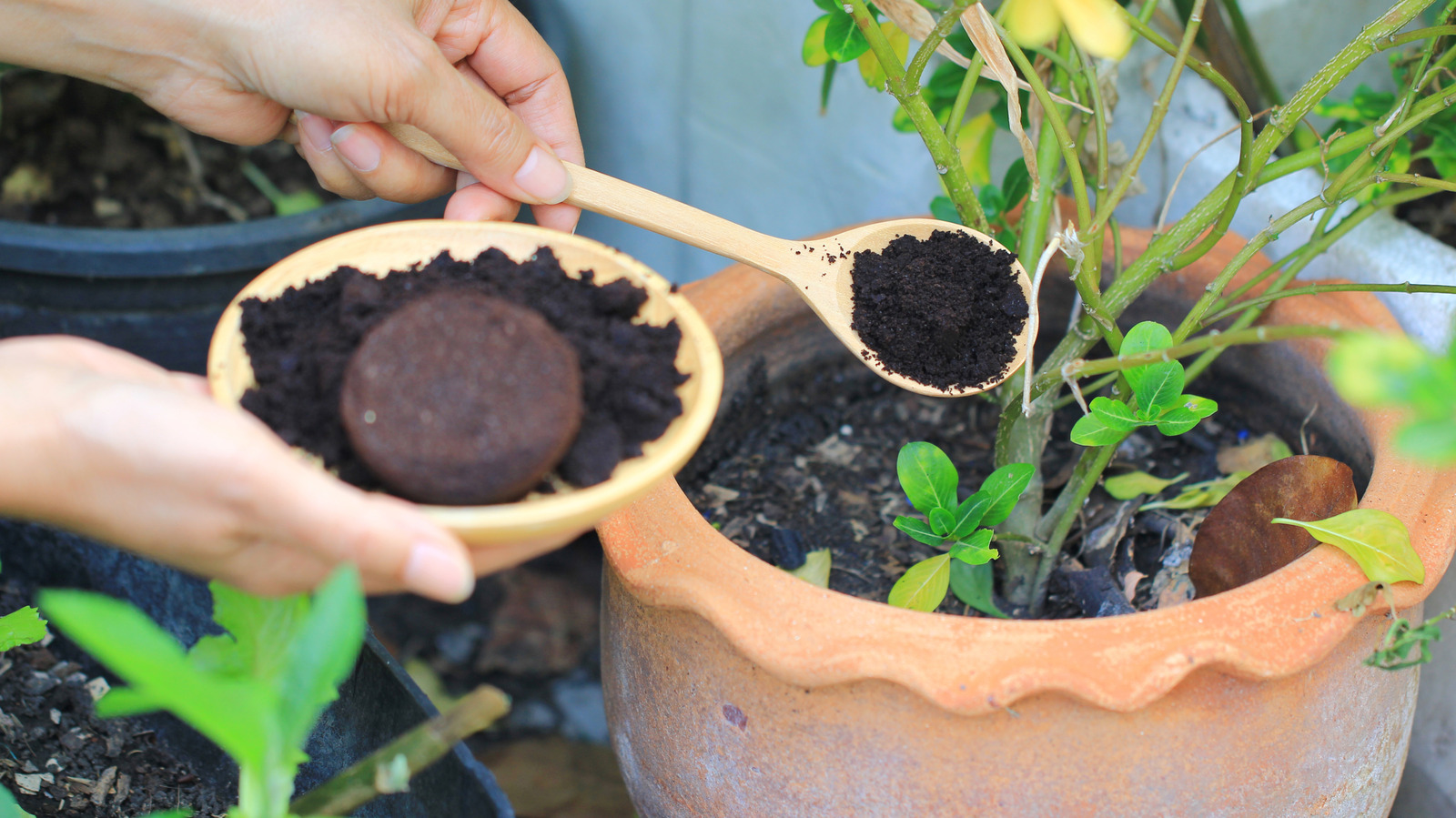
2 months agoThis kitchen scrap makes the best free fertilizer and most people throw it away - Silicon Canals
Last week, I was making my morning coffee-you know, the complicated order I'm too embarrassed to say out loud at coffee shops-when I noticed the pile of used grounds in my filter. For years, I'd been tossing these straight into the trash without a second thought. But then I remembered something my grandmother wrote in one of her letters years ago: "The garden teaches us that nothing is truly waste."
Coffee
Canada news
fromRealagriculture
1 month agoA clean pass under pressure: Why farmers need to take the next shift on plant breeding
Canadian agricultural research faces structural funding pressures and requires a new, diversified research strategy to preserve critical knowledge, regain lost ground, and compete globally.
Agriculture
fromdesignboom | architecture & design magazine
3 weeks agourban rewilding in practice: restoring london's heathland for humans, sheep, and ecology
Sheep grazing is proposed to regenerate urban heathland ecology, creating a continuous ecological corridor that supports both human and non-human systems.
fromwww.theguardian.com
2 months agoHumanity's favourite food': how to end the livestock industry but keep eating meat
For someone aiming to end the global livestock industry, Bruce Friedrich begins his new book called Meat in disarming fashion: I'm not here to tell anyone what to eat. You won't find vegetarian or vegan recipes in this book, and you won't find a single sentence attempting to convince you to eat differently. This book isn't about policing your plate.
Environment


fromRealagriculture
1 month agoRuminating with RealAg, Ep 39: Ranch economics, record-keeping, and real-world decisions
Profitability in the cattle business often hinges on understanding the real cost of production, something that can be difficult to pin down when labour, land, and opportunity costs aren't always clearly accounted for.
Agriculture
Environment
fromEarth911
1 month agoGuest Idea: Late Winter Pruning Optimizes Tree Health for Backyard Carbon Sequestration
Prune backyard trees in late winter to reveal structure, improve health, and increase long-term carbon sequestration by removing nonproductive limbs and promoting stronger growth.
Environment
fromEarth911
1 month agoClassic Sustainability In Your Ear: The Ocean River Institute's Natural Lawn Challenge for Climate Action
Natural lawn practices reduce water consumption, eliminate harmful chemicals, support pollinators, and store significantly more carbon than chemically-treated lawns, making healthy lawns powerful climate change solutions.
fromModern Farmer
1 month agoYour February Soil Checklist: What to Do Now for Healthy Soil
The term "soil fatigue" or exhaustion refers to the condition that soil profiles take on when they've been heavily monocropped and untended. This soil is devoid of the microbial content that offers plants bioavailable food. It lacks the fungal and bacterial organisms that interact with plant nutrients.
Agriculture
fromInsideHook
2 months agoAn Essential Part of Farming Has Two Wings and a Beak
When you think of farming, what ingredients do you generally associate with a successful harvest? The basics certainly come to mind: fertile soil, plenty of sunlight and lots of water. But there are other variables that can also mean the difference between a crop of healthy fruits and vegetables and a large heap of organic waste. And it turns out that one of those variables is a very small hawk.
Agriculture
Agriculture
fromRealagriculture
1 month agoDon't cut the science that pays the bills
Closing AAFC research stations undermines Canada's agricultural competitiveness by eliminating the only coordinated system for validating crop genetics across diverse agro-ecological zones, despite wheat breeding generating a 32:1 benefit-cost ratio.
Agriculture
fromIndependent
2 months ago'It's a kind of rock-star lifestyle... but I always loved farming': Why ex-pro surfer swapped chasing waves for regenerative farming
Fergal Smith left a professional surfing career to practice regenerative farming and train Ireland’s next generation of sustainable farmers on Moy Hill Farm.
fromRealagriculture
2 months agoWhat sets successful farm transitions apart?
Based on years of post-transition reviews, MNP has identified seven traits common to successful farm families, MacLean says. First, they start early. Early planning allows flexibility and time to work through the tough stuff. Clear, respectful communication is the second trait - and it's essential. Families who talk openly and establish expectations avoid the dangerous territory of unspoken assumptions. Farms that navigate the process well have a shared vision.
Agriculture
fromDaily Coffee News by Roast Magazine
1 month agoIn Wake of India's "Green Revolution," Scientists Find Organic Soils Healthier
As concepts such as "regenerative" and "biodynamic" continue to enter the mainstream coffee lexicon, scientists continue to literally dig into the soil to give them meaning. A recent peer-reviewed study from India's Western Ghats argues that one of the clearest signals of healthy, sustainable coffee farms lies in the ground itself, with organic coffee soils performing better than soils from conventional farms treated with synthetic inputs.
Agriculture
fromwww.theguardian.com
1 month agoWe're not hippies': why these Iowa farmers swapped pigs for mushrooms
My older brother has worked with pigs his entire adult life, managing about 70,000 of them across five counties, Faaborg says. But we got to a point where he went from laughing at me to saying: well, I guess maybe I'll quit my job and help you out. Now he's the most dedicated, says Katherine Jernigan, director of the Transfarmation Project at Mercy for Animals, a non-profit that helped the Faaborgs make the switch and set up their new business, 1100 Farm.
Agriculture
fromTasting Table
2 months agoThe Slow-Growing Crop That Pays Off Big When You Start It From Seed - Tasting Table
People grow asparagus from crowns because it shortens the long wait times for harvesting. From seed, you'll need to wait three years before harvesting asparagus. Some people consider that a waste of time. The tradeoff is that you can keep harvesting every spring for up to 15 years or more. If you plant crowns, you get a one-year jump on things. However, those crowns may have soil-borne diseases you don't know about, so there is a risk involved. Seeds remove that problem.
Agriculture
[ Load more ]