#secondary-market-watches
#secondary-market-watches
[ follow ]
#luxury-watches #watchmaking #watches #watches-and-wonders #horology #watch-design #patek-philippe #art-market

Wine
fromFortune
20 hours agoThe ultra-wealthy have a new favorite status symbol: From a $14.5 million guitar to an $812,500 bottle of wine, rare collectibles are on a tear | Fortune
Rare collectibles, like the 1945 Domaine de la Romanée-Conti wine, are driving record auction prices due to scarcity and historical significance.



fromEsquire
4 days agoChanel's Automotive-Inspired J12 Superleggera Makes a Welcome Return
The J12 was also sporty enough to appeal to men, all the more so as sizes increased in new editions like 2005's Superleggera, inspired by legendary Milanese sports car coachbuilder Carrozzeria Touring.
Fashion & style
fromwww.scientificamerican.com
4 days agoA lost 1812 wristwatch sparked a 200-year race in precision engineering
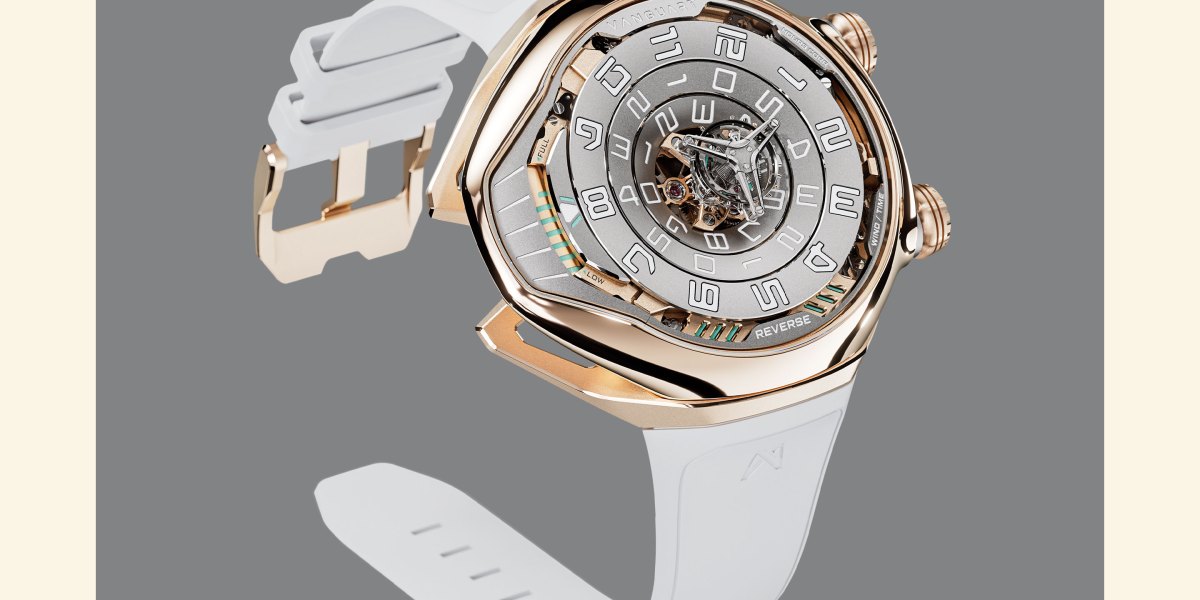
Nobody spends six figures on a mechanical watch because it is the most efficient way to know the time. People buy fine watches for the same reason they buy art or classic cars. They are drawn to craftsmanship, beauty, engineering, rarity, history, and the emotional power of an object made by human hands.
Wearables
#watches

Wearables
fromFortune
2 weeks agoWatches like this $455,000 timepiece can't be made by a machine-and that's exactly why they're the ultimate flex amid the analog revival | Fortune
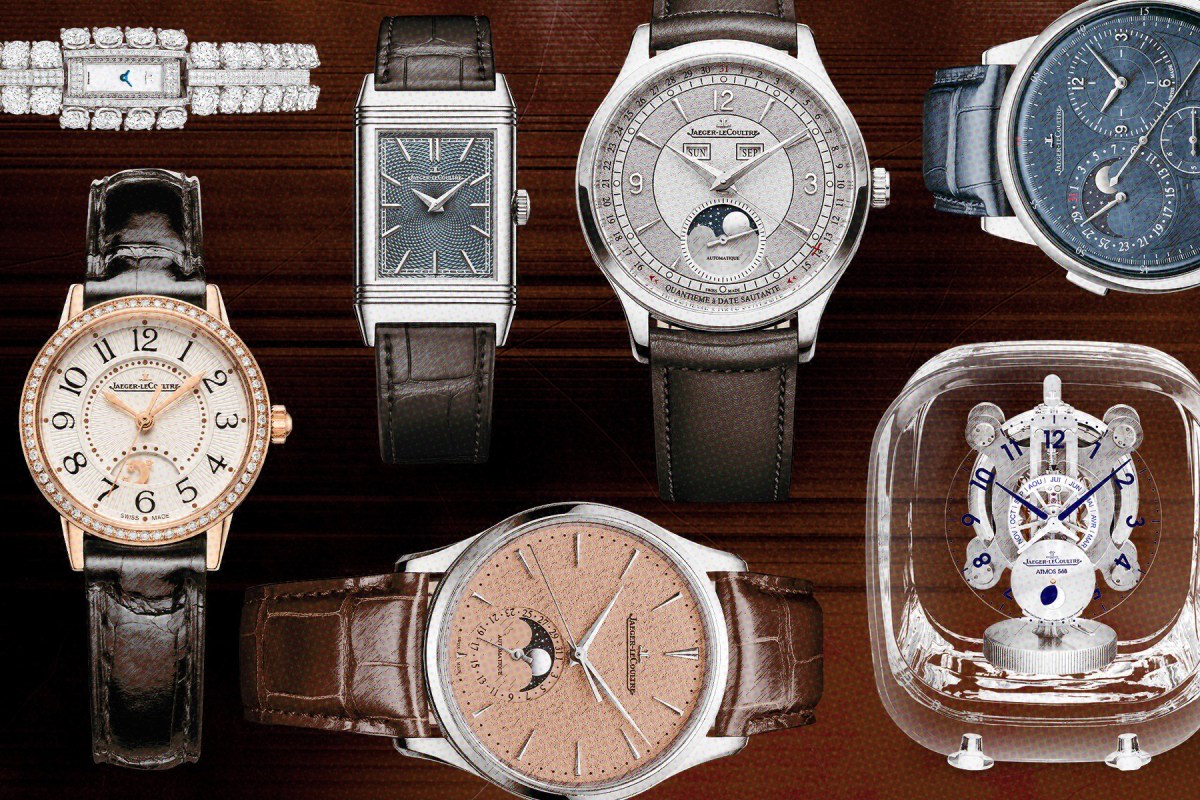
Complications in watches signify craftsmanship and storytelling, enhancing the wearer's narrative and appreciation for horology.


fromEsquire
5 days agoGrand Seiko's Newest Diver Is Just the Right Size
Grand Seiko's proprietary Spring Drive movement combines the traditional mainspring with an electronic circuit and quartz oscillator, achieving impressive accuracy without a battery. The standard movement gains or loses approximately 15 seconds a month, while the new Caliber 9RB2 offers ultra-fine accuracy of plus or minus 20 seconds per year.
Wearables
Wearables
fromYanko Design - Modern Industrial Design News
5 days agoadidas Originals' Two Ring watch shrinks digital timekeeping into a minimalist retro-modern timepiece - Yanko Design
Smartwatches are evolving into ring designs, exemplified by adidas Originals' Digital Two Ring, merging minimalism with functionality.
Paris food
fromInsideHook
1 month agoGirard-Perregaux's Latest Watch Looks Like a Work of Art. It Sounds Like One, Too.
Girard-Perregaux introduces its first in-house minute repeater complication, the Minute Repeater Flying Bridges, establishing the brand among elite watchmakers with a 500-component automatic movement.

fromInsideHook
2 months agoAudemars Piguet's Best New Release Isn't a Royal Oak
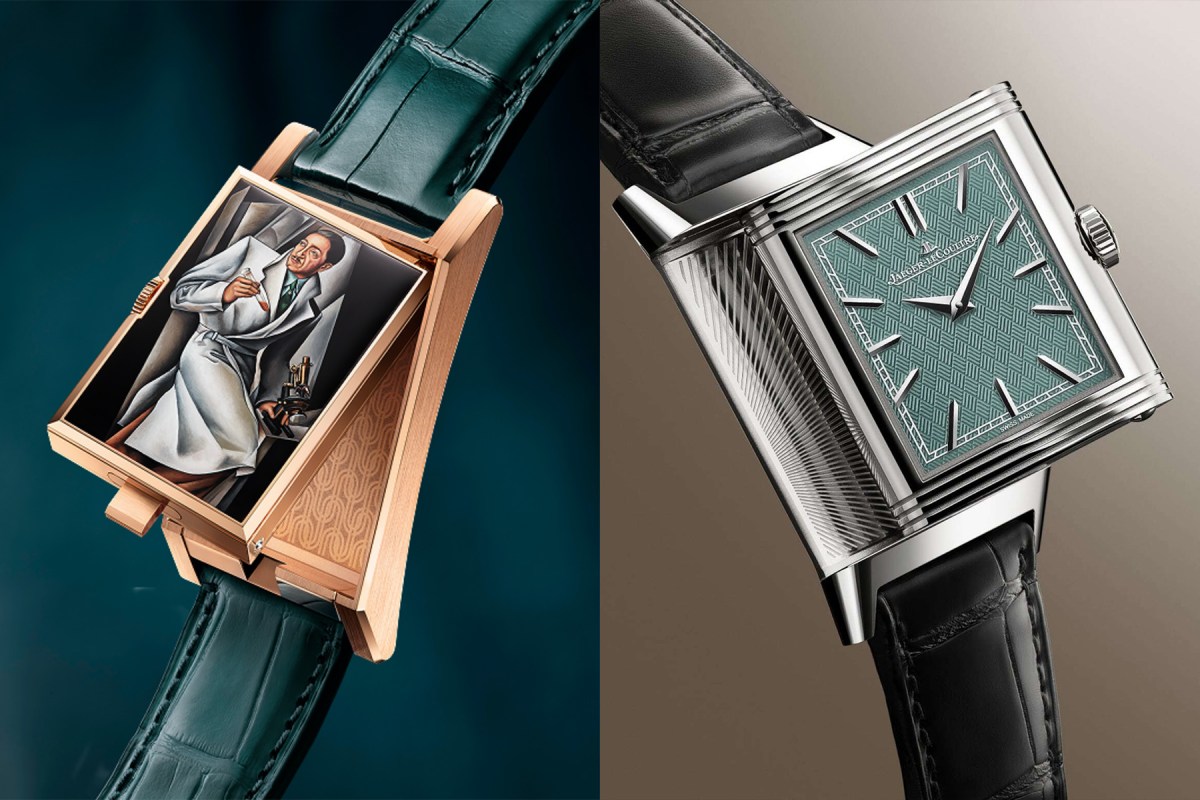
Art Deco, which began to proliferate more broadly following the Paris International Exhibition of Modern Decorative and Industrial Arts, from which it derived its name, called upon ancient Egyptian motifs and futurism in a modality that emphasized geometric shapes, broad use of color and a streamlined (if maximalist) aesthetic. During the 1930s, a lesser-known but decidedly compelling offshoot of Art
Design


fromInsideHook
2 months agoThe Best Watches of January 2026
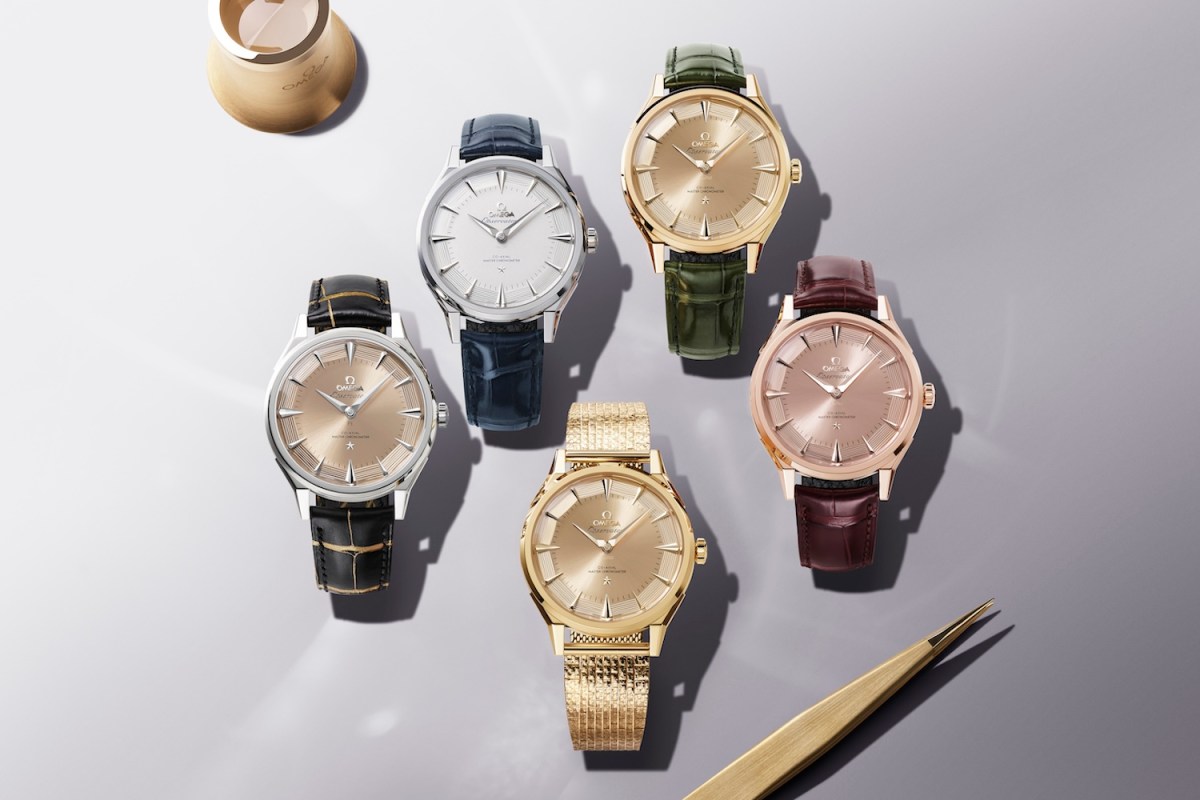
Ever since the inauguration of LVMH Watch Week in early 2020, the horological world has hit the ground running each new year. Far from a sleepy wake-up, this trade show kick-starts a busy schedule full of big releases, global events and all manner of watch-related celebrations spread throughout the calendar. LVMH Watch Week certainly brought the heat in 2026, as plenty of brands emerged with guns blazing:
Gadgets


fromThe Art Newspaper - International art news and events
1 month agoShow me the money: gallery and auctioneer accounts reveal reality of a tough market
Stephen Friedman was overdue filing when he went into liquidation on 2 February, closing his London gallery immediately (his New York venue shuttered around the same date). At the time of writing, invoices remain unpaid and artists unable to retrieve works from storage companies. In a statement, Friedman says 'all matters are now subject to the administrator's consideration'.
Arts
fromInsideHook
1 month agoWatchword: Tropical Dials
Until roughly the late aughts, much of the vintage watch-collecting community focused on stock that remained in the best physical condition possible, rejecting patination while polishing cases and generally restoring old watches in the manner of old cars. As the watch-collecting hobby proliferated in this century, however, collectors' tastes shifted dramatically.
Fashion & style
fromArtnet News
1 month agoSotheby's Kicks Off London Marquee Auctions With $175 Million White-Glove Sale | Artnet News
The sale brought in £130.6 million ($175 million) across 54 lots, and auctioneer Oliver Barker was given a white glove at the end, indicating that all the lots had sold—although one work, a 2004 painting by Robert Ryman, was withdrawn before the event started.
Arts
fromInsideHook
2 months agoWatchword: The Sector Dial
Take the so-called "sector" or "scientific" dial. Organized into concentric "sectors" that divide the minute, hour and sometimes the subdivided seconds tracks into separate areas, they often (but not always) feature bisecting vertical and horizontal lines that create four equal quadrants. These aesthetically-distinctive dials originated on pocket watches in the early 20th century, carrying over the idea of the "railroad" minute track and merging it somewhat with the curvaceous, decorative geometry of the art deco movement.
Wearables
fromInsideHook
2 months agoTodd Snyder's Latest Watch Collab Was Designed to Sell Out
If there are two things to know about Todd Snyder (and, by proxy, his eponymous NYC-based label), it's that he has a hell of an eye for design, and he doesn't do things halfway. These core tenets run through the elite menswear that has established Snyder as one of the premier American designers and are on full display in his latest project: a duo of extremely limited-edition timepieces created in collaboration with the up-and-coming British watchmakers AERA.
Fashion & style
[ Load more ]