#solar-cost-decline
#solar-cost-decline
[ follow ]
#renewable-energy #solar-energy #solar-power #clean-energy #fossil-fuels #electric-vehicles #sustainability
#solar-panels
Real estate
fromRedfin | Real Estate Tips for Home Buying, Selling & More
1 day agoMoving Into a Home With Solar Panels: What to Know Before and After Closing
Moving into a home with solar panels involves understanding ownership responsibilities, verifying system performance, and gathering essential documentation.
fromTechCrunch
23 hours agoFusion power may not be sci-fi. Just ask the people who sunk $5B into it. | TechCrunch
Private investment in fusion energy has surged dramatically, with funding jumping from $10 billion to $15 billion in just a few months, reflecting a newfound confidence in the sector.
Venture




Agriculture
fromIndependent
4 days ago'This could be groundbreaking for Ireland Inc and the midlands' - New research reveals transformative potential of 'energy parks'
Bord na Móna is set to transform state-owned bogland into energy-parks combining windfarms, data centres, and manufacturing facilities.
fromTechCrunch
2 days agoBlue Energy raises $380M to build grid-scale nuclear reactors in shipyards | TechCrunch
"The nuclear power technology that is most common - light water reactors - was originally invented for nuclear submarines. There has actually always been a history of basically pre-fabbing it and looking at it in a shipyard context."
Science


fromTechCrunch
1 week agoExclusive: This energy startup's bet on 100-year-old grid tech is paying off | TechCrunch
"We were considering multiple forms of capital when we started. It just felt like the opportunity is so large that venture capital gives us the opportunity to take those risks upfront and have the possibility to generate an outsized return."
Venture


fromEarth911
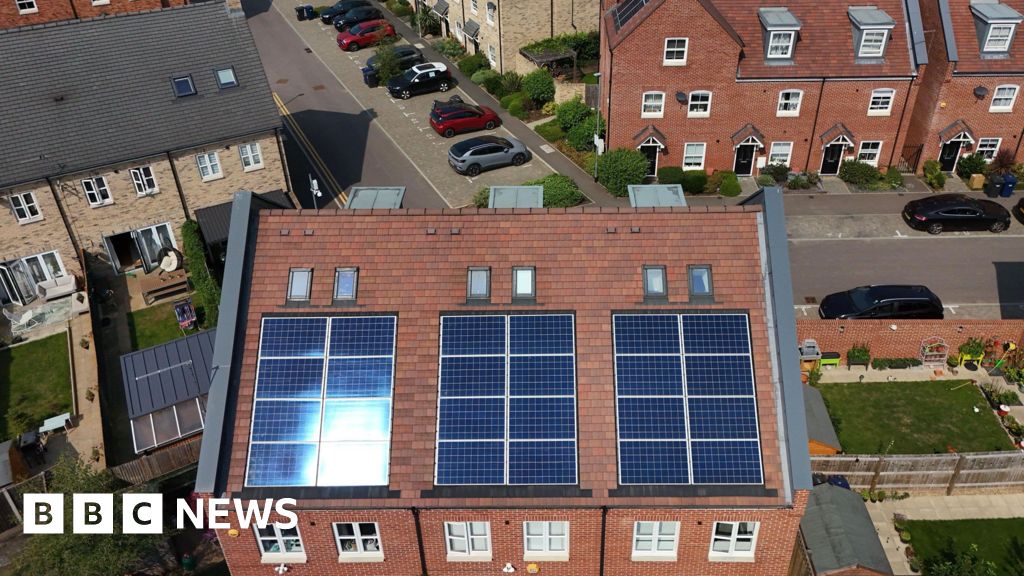
1 month agoShould You Go Solar In 2026?
The most consequential shift for anyone considering rooftop solar in 2026 is the expiration of Section 25D, the Residential Clean Energy Credit. That 30% credit, which was worth up to $9,000 on a $30,000 system, is no longer available for home solar installations. The One Big Beautiful Bill, signed July 4, 2025, accelerated the phase-out that the Inflation Reduction Act had originally extended through 2034.
SF real estate
#building-integrated-photovoltaics

Renovation
fromYanko Design - Modern Industrial Design News
1 month ago5 Solar Panel Designs So Beautiful You'd Never Know They're Generating Power - Yanko Design
Buildings are evolving from energy-efficient structures into active power generators through integrated photovoltaic technology and aesthetic solar solutions.
Renovation
fromYanko Design - Modern Industrial Design News
1 month ago5 Solar Panel Designs So Beautiful You'd Never Know They're Generating Power - Yanko Design
Buildings are evolving from energy-efficient structures into active power generators through integrated photovoltaic technology and aesthetic solar solutions.
fromFortune
2 days agoData centers now account for half of all new U.S. electricity use, just as Americans start to sour on AI | Fortune
Data centers accounted for around 50% of all electricity demand growth in the U.S. last year, according to the IEA, far surpassing the rise in electricity usage in the residential, industrial, and transport sectors.
Environment
US news
fromwww.npr.org
1 month agoEasy-to-use solar panels are coming, but utilities are trying to delay them
Plug-in solar panels that connect to standard outlets are gaining traction in the U.S. as a cost-effective alternative to traditional rooftop solar, though utility opposition based on safety concerns is slowing legislative adoption.
from24/7 Wall St.
1 month agoSolarEdge Rockets 14%, Canadian Solar Climbs 7%: Here's What's Lighting Up the Solar Sector
SolarEdge stock is up 80% year-to-date and has tripled over the past year. Revenue came in at $335.36 million, up 96.4% year-over-year, reflecting recovering demand in its core inverter business.
Toronto startup
#energy-transition
Environment
fromFortune
2 weeks agoCountries are turning to 'structurally more resilient' energy sources as oil and gas crisis deepens, UN renewables chief says | Fortune
The energy transition is accelerating, with renewables now comprising 49.4% of global energy capacity, driven by geopolitical factors and decreasing costs.
NYC startup
from24/7 Wall St.
1 month agoSolar Shares Shine: SolarEdge Stock Heads 10% Higher, Enphase Energy and SunRun Rally 6%
SolarEdge, Enphase Energy, and Sunrun stocks surge on sector-wide relief rally, with SolarEdge leading due to demonstrated turnaround with revenue growth, positive operating cash flow, and expanding margins.
fromwww.dw.com
1 month agoThe real economic impact of clean energy
At a meeting at the Paris headquarters of the intergovernmental body dedicated to global energy security, Wright referred to the "destructive illusion" of the IEA's commitment to massively reducing greenhouse gas emissions sourced from fossil fuels. The US, one of 45 member and associate countries of the IEA that represent 75% of the world's energy demand, is threatening to withdraw from the body if it does not quit its energy transition goals in the next year.
Miscellaneous
fromwww.npr.org
1 month agoTax credits for solar panels are available, but the catch is you can't own them
With these arrangements sometimes called subscriptions or power purchase agreements (PPAs), a third party owns the panels and leases them back to the homeowner. But last summer, President Trump signed legislation that ended federal tax incentives that had cut at least 30% off the price of purchased panels. Similar incentives for leased panels remain.
US news
Environment
fromFuturism
2 months agoThe Amount of New Solar Power Production Capacity China Is Manufacturing Is Legitimately Mind-Blowing
China produces roughly a terawatt of solar panels annually, drives 64% of global utility-scale solar and wind construction, and has slashed global electricity costs to about $0.04/kWh.
fromFast Company
2 months agoHow to meet the surging energy demand without needing as much new electricity
When Specian dug into the data, he discovered that implementing energy-efficiency measures and shifting electricity usage to lower-demand times are two of the fastest and cheapest ways of meeting growing thirst for electricity. These moves could help meet much, if not all, of the nation's projected load growth. Moreover, they would cost only half-or less-what building out new infrastructure would, while avoiding the emissions those operations would bring.
Environment
[ Load more ]