#store-brand-products
#store-brand-products
[ follow ]
#costco #walmart #consumer-behavior #aldi #grocery-shopping #retail #customer-experience #e-commerce
fromBusiness Matters
4 hours agoAmazon bets on Whole Foods to salvage its troubled UK grocery ambitions
Whole Foods has endured a bruising time on this side of the Atlantic since entering the British market in 2004. Turnover at its UK arm fell seven per cent to £86.4 million in the year to December 2024, while pre-tax losses hit £20 million.
London food



fromLos Angeles Times
2 days agoRed Lobster's risky return: the 'endless shrimp' deal that tanked the chain is back
'Endless Shrimp has long been a guest favorite and one of our most popular promotions. We appreciate the enthusiasm and encourage guests to keep sharing their feedback with us.'
Fundraising
fromwww.bbc.com
3 weeks agoA small US grocer is calling out the lower prices at big chains
He says he paid roughly $5 to his distributor to get the pack of Honey Bunches of Oats onto the shelf. But his much larger rivals, the big US supermarket chains, can sell that same box for around $5 - essentially, the price he has to pay wholesale. That dynamic makes it "impossible for us to compete."
NYC politics
fromFortune
4 days agoNordstrom's $6.25 billion deal to go private is paying off-and don't expect an IPO anytime soon | Fortune
"When you're a public company, your scorecard is your stock price, and that has a lot to do with the results you generate. If the investment community doesn't think very highly of department stores, which they don't, your multiple goes down."
Business
fromTasting Table
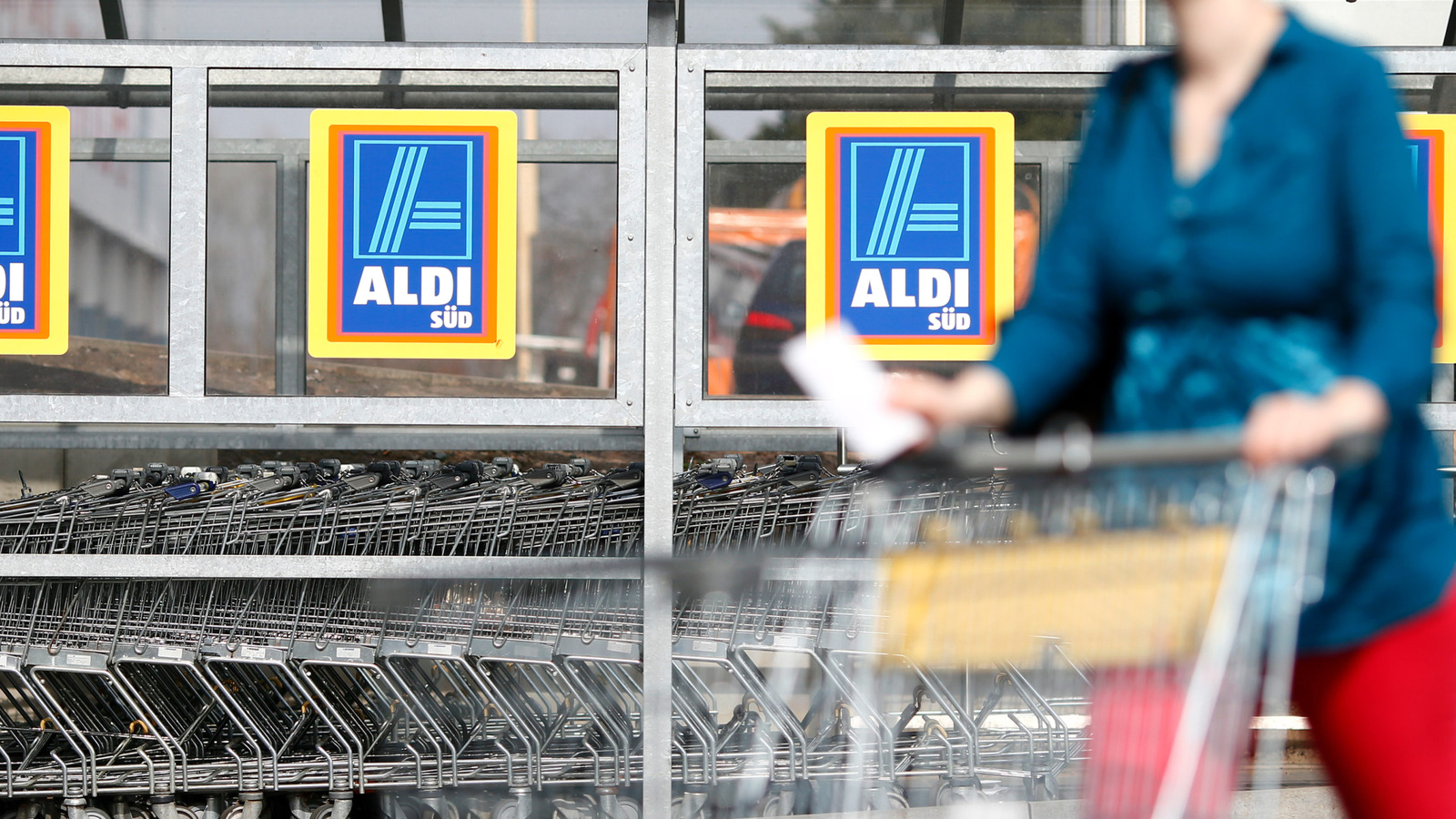
5 days agoForget Celsius: This Aldi Energy Drink Packs A Punch At A Fraction Of The Price - Tasting Table
Aldi's Summit series has been causing waves online since its release. One user compared the taste of the Berry Waves to a blue Jolly Rancher and called it 'really, really tasty.' Some drinks have kind of a nasty aftertaste, but this one tastes really good.
Silicon Valley food
#retail-strategy
E-Commerce
fromFortune
1 month agoTarget is over being 'an everything store,' CEO says. It's doubling down on baby items and groceries-and investing $1 billion in its supply chain | Fortune
Target's new CEO plans to refocus on busy families through expanded baby care and groceries while reducing corporate overhead and investing $1 billion in supply chain and technology improvements.
fromFast Company
2 weeks agoWhy some brands are choosing slower, more expensive growth on purpose
"Instead of starting with a product that we didn't feel like existed in the marketplace, we started with a mission that we felt like didn't exist, particularly in the beauty space," Cohen said. "We love that young people are turning to brands for not just products, but for the issues that they care about-and also that's what holds us accountable."
Marketing
fromThe Motley Fool
1 month agoBest Consumer Stock to Buy Right Now: Costco or Walmart? | The Motley Fool
Costco sells its products with very little markup, choosing instead to make most of its money from membership sales. This business model makes sense: The better deals it has, the more likely people are to want a membership. Memberships at Costco are booming. In the fiscal first quarter of 2026, overall memberships were up 5% year over year to 146 million. And its higher-priced executive memberships were up a stronger 9%.
Business intelligence
Silicon Valley food
fromBuzzFeed
2 weeks agoThe CEO Of Costco Just Made It Abundantly Clear Their $1.50 Hot Dog Deal Isn't Going Away
Costco's CEO confirms the $1.50 hot dog and soda combo price will remain unchanged, providing rare price stability amid widespread inflation across groceries, rent, clothing, and gas.
Berlin food
fromTasting Table
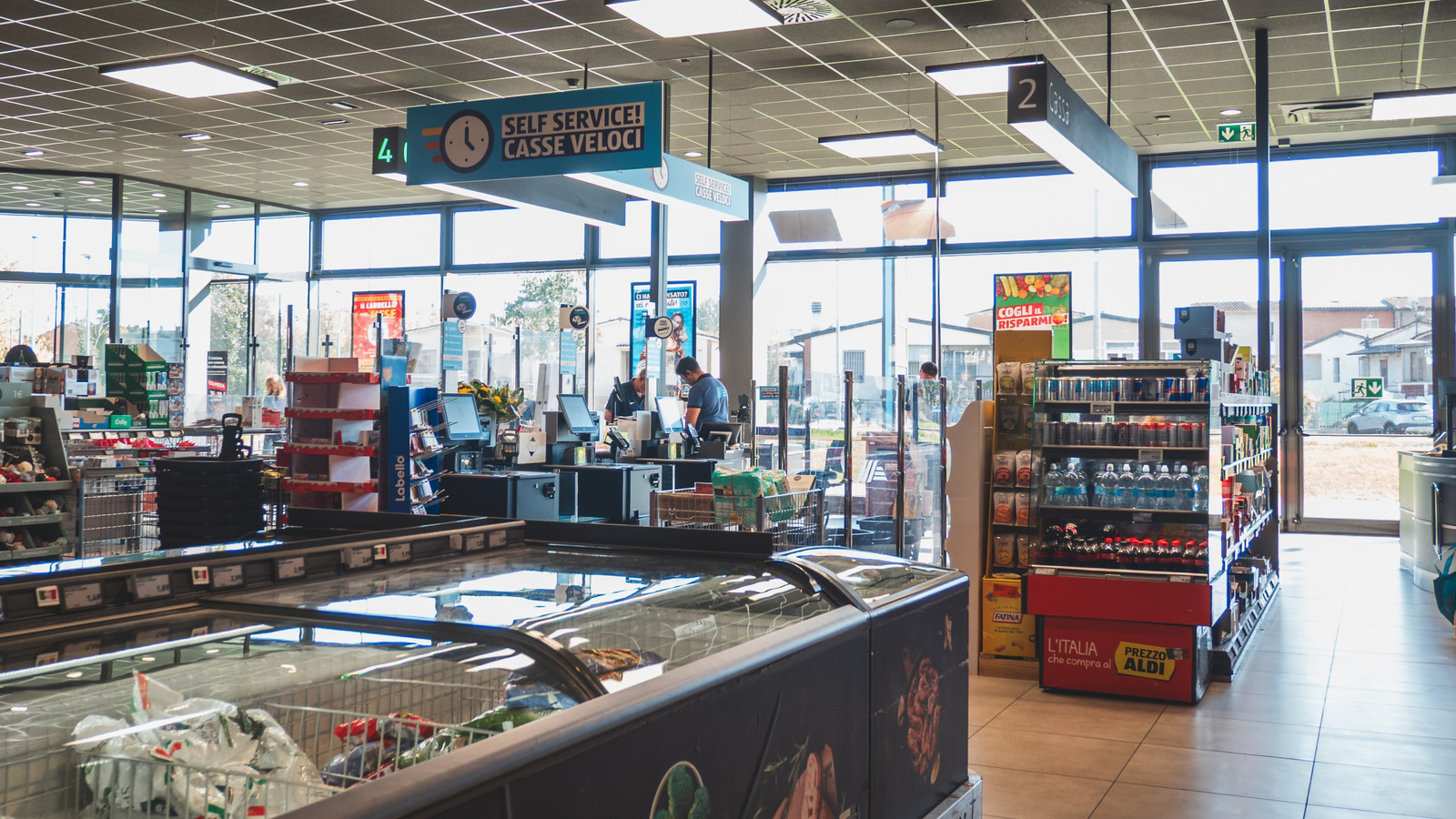
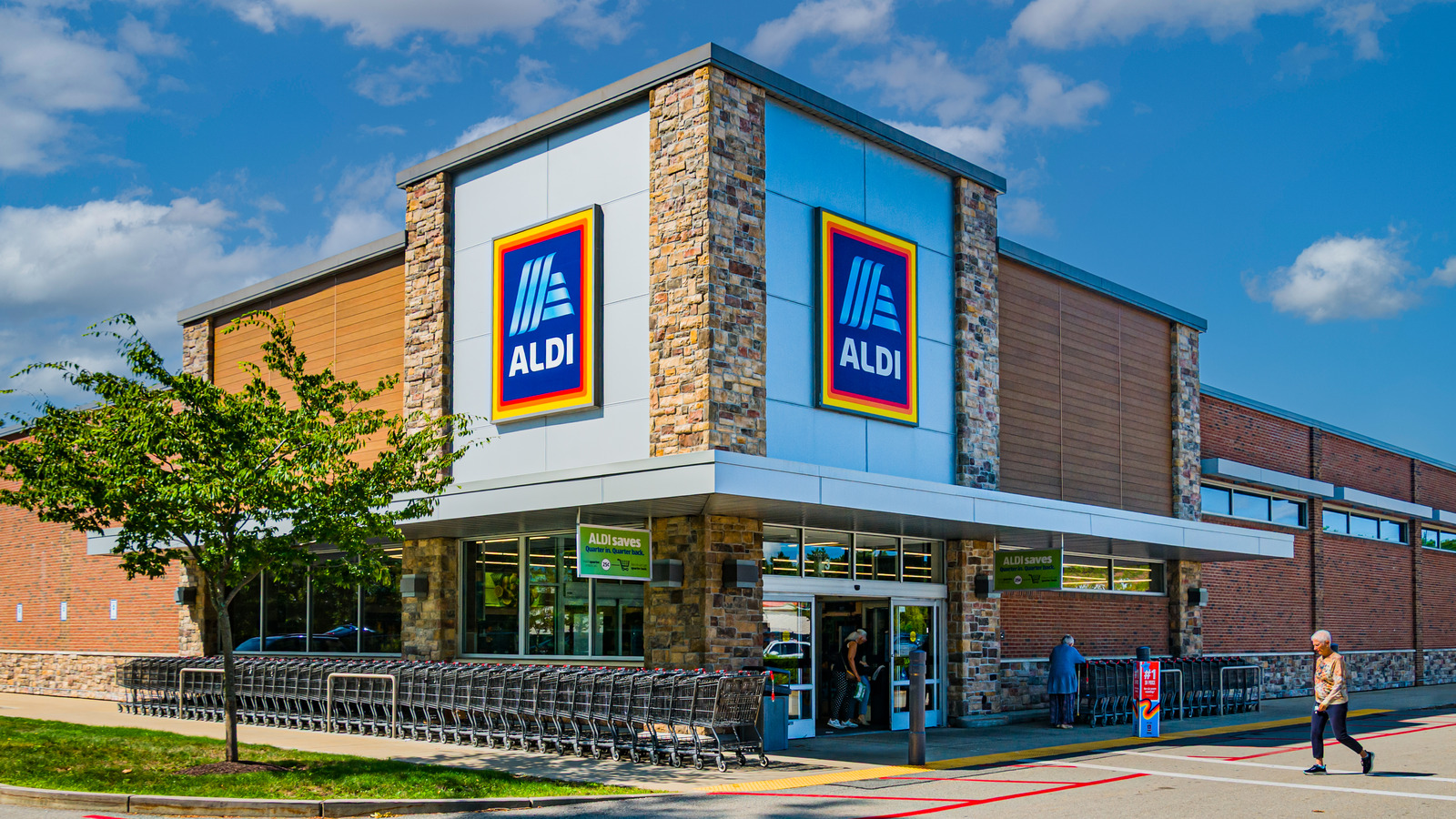
1 month agoAldi Vs Trader Joe's: Get A Week's Worth Of Groceries For Less At This Chain - Tasting Table
Aldi offers lower prices than Trader Joe's on grocery staples due to limited SKUs, private-label focus, and minimal advertising, making it the better choice for budget-conscious shoppers in 2026.
E-Commerce
fromRetail Brew
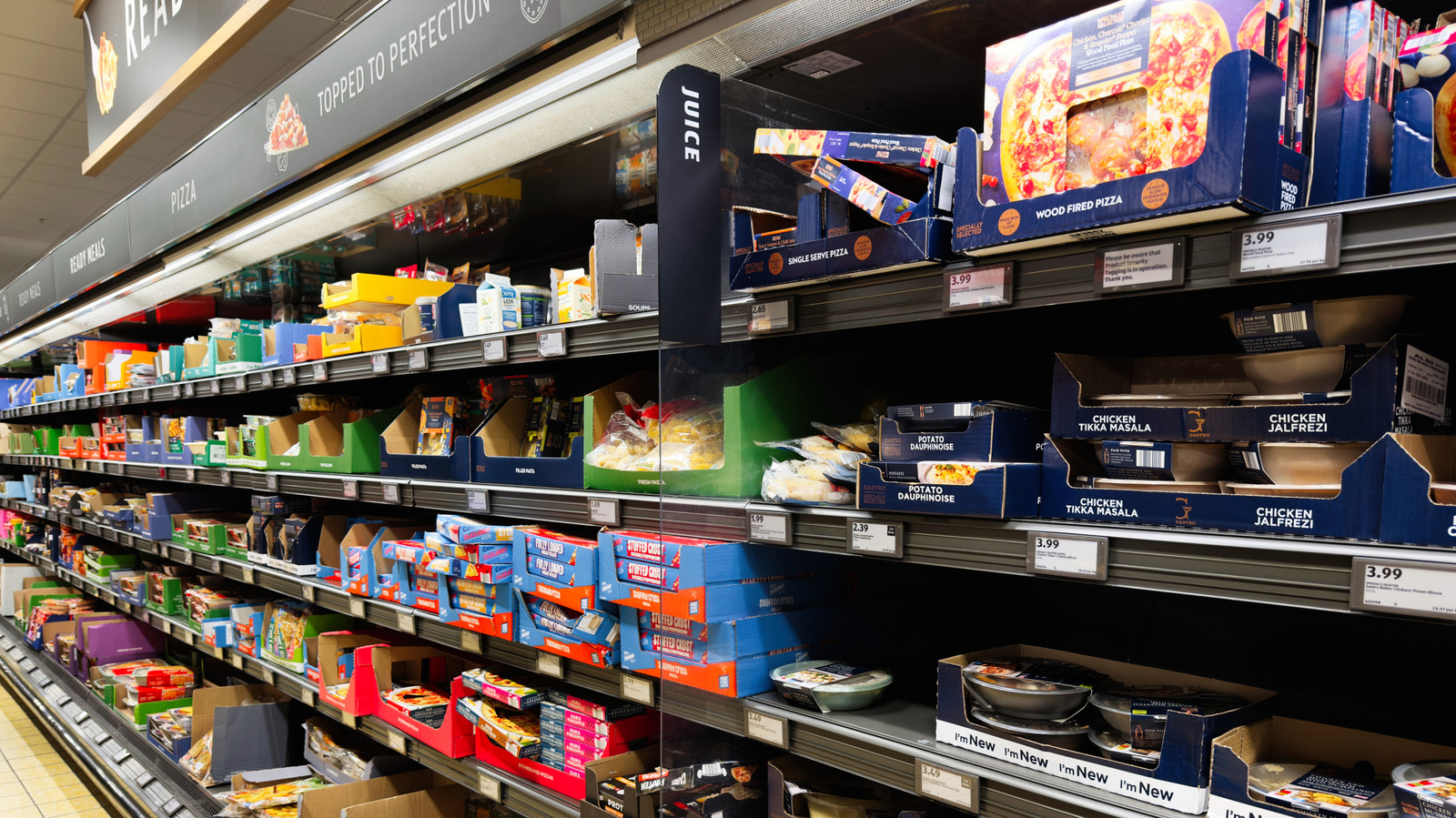
2 weeks agoHow retailers can leverage their private label marketing advantage over national brands
Private label sales reached $283 billion with growth outpacing national brands, requiring distinct marketing strategies focused on point-of-sale engagement rather than external storytelling.
fromPractical Ecommerce
2 weeks agoLaunch Your Own Private-Label Brand
Sourced directly from a manufacturer, private-label brands remove one or more layers of intermediaries from the supply chain, usually distributors or other brands. A nearly identical private brand can earn more margin, even at a low price.
E-Commerce
from24/7 Wall St.
3 weeks agoCostco is the Only "Safety Play" with a 90% Renewal Tailwind
With members sticking around for the excellent value proposition as well as the $1.50 hot dog combo, it's clear that Costco has pretty much perfected the in-store experience at this point. The 90% renewal rate might just be the floor as the firm opens new stores across the globe while doubling down on e-commerce, perhaps there's room to bump up that renewal rate further.
E-Commerce
E-Commerce
fromTasting Table
3 weeks ago7 Grocery Chain Price Adjustment Policies Every Customer Should Be Aware Of - Tasting Table
Many grocery stores offer price adjustment policies allowing customers to receive refunds when item prices drop shortly after purchase, requiring receipts and exact product matches.
fromwww.retaildive.com
1 month agoOutcomes are table stakes. How brands deliver them is the advantage.
Performance has always been the foundation of commerce media because it tied spend to measurable behavior. From sponsored search to sponsored products, the category scaled by delivering outcomes that could be directly attributed to transactions. Automation, AI-driven optimization and closed-loop measurement accelerated that model and made outcomes-based buying the norm. Outcomes still matter. But as AI reduces friction and increases competition, outcomes alone no longer create separation.
Marketing tech
fromMarTech
2 months agoHow inflation reshapes shopping habits and trust in private labels | MarTech
As prices climb, shoppers aren't just spending less-they're spending differently. Nearly half are buying smaller quantities or trading down to lower-cost options, such as canned fruit instead of fresh, according to Capgemini's report, "What matters to today's consumers 2026." It's not about cutting things out entirely-it's about making budgets stretch. Low- and middle-income households are especially deal-focused right now: more coupons, more frequent but smaller trips, and fewer meals out.
Marketing tech
fromBusiness Matters
1 month ago54.7% of Retail Brands now Have Their Own Product Line
Retailer-owned products not being seen as a cheap alternative anymore, but instead, a way to convey luxury and exclusivity. Price-Led Positioning is No Longer Dominating UK Supermarkets. Small UK businesses are aggressively growing, with price-led positioning becoming a dated trend. It's becoming evident that brands are no longer using their own branded products as a way to be a cheap alternative.
E-Commerce
Food & drink
fromTasting Table
2 months agoWalmart's Version Of A Starbucks Favorite Costs Way Less - And Some Even Love It More - Tasting Table
Walmart's bettergoods Birthday Cake and Chocolate Cake Pops closely replicate and may surpass Starbucks' cake pops, offering better texture and stronger vanilla at lower cost.
fromFast Company
1 month agoHow discounting hurts long-term loyalty and profits
Discounting has been part of retail's toolkit for decades, and it can be effective, especially during high-stakes shopping seasons. But as promotions become more frequent across the industry, companies are taking a closer look at the downside: Short-term sales gains don't always come with long-term loyalty or durable margins, and customers remember how a brand made them feel far more than what they saved at checkout.
Marketing
Food & drink
fromTasting Table
1 month agoThe Kroger Pricing Policy Worth Knowing Before Your Next Shopping Trip - Tasting Table
Kroger's 'Make It Right' and 'Scan Right Guarantee' policies allow cashiers to adjust prices, honor advertised sale prices, or compensate customers for mis-scanned higher prices.
fromThe Conversation
1 month agoDoes 'free' shipping really exist? An expert shares the marketing tricks you need to know
When a transaction involves a cost, we instinctively weigh the downside. But when something is entirely free, we experience a positive emotion and perceive the offer as more valuable than it is mathematically. Retailers no doubt realise that offering free delivery is one of the most effective ways to stop a consumer from abandoning a digital shopping cart.
E-Commerce
fromThe Drum
1 month agoIs there a golden formula to scaling and selling new brands?
Spend half an hour exploring #StrategyTwitter or #MarketingTwitter and you'll quickly discover huge swathes of talented folks arguing passionately about the correct way to market brands. On one end of the spectrum you'll find the staunch strategists quoting lines from Sharp's How Brands Grow (which is well worth a read), while on the other end you'll find people posting fairly nauseating Gary Vaynerchuk quotes in serif fonts about how the number one rule in marketing is 'love'.
Marketing
fromInc
1 month agoThe New Rules of Big-Box Retail
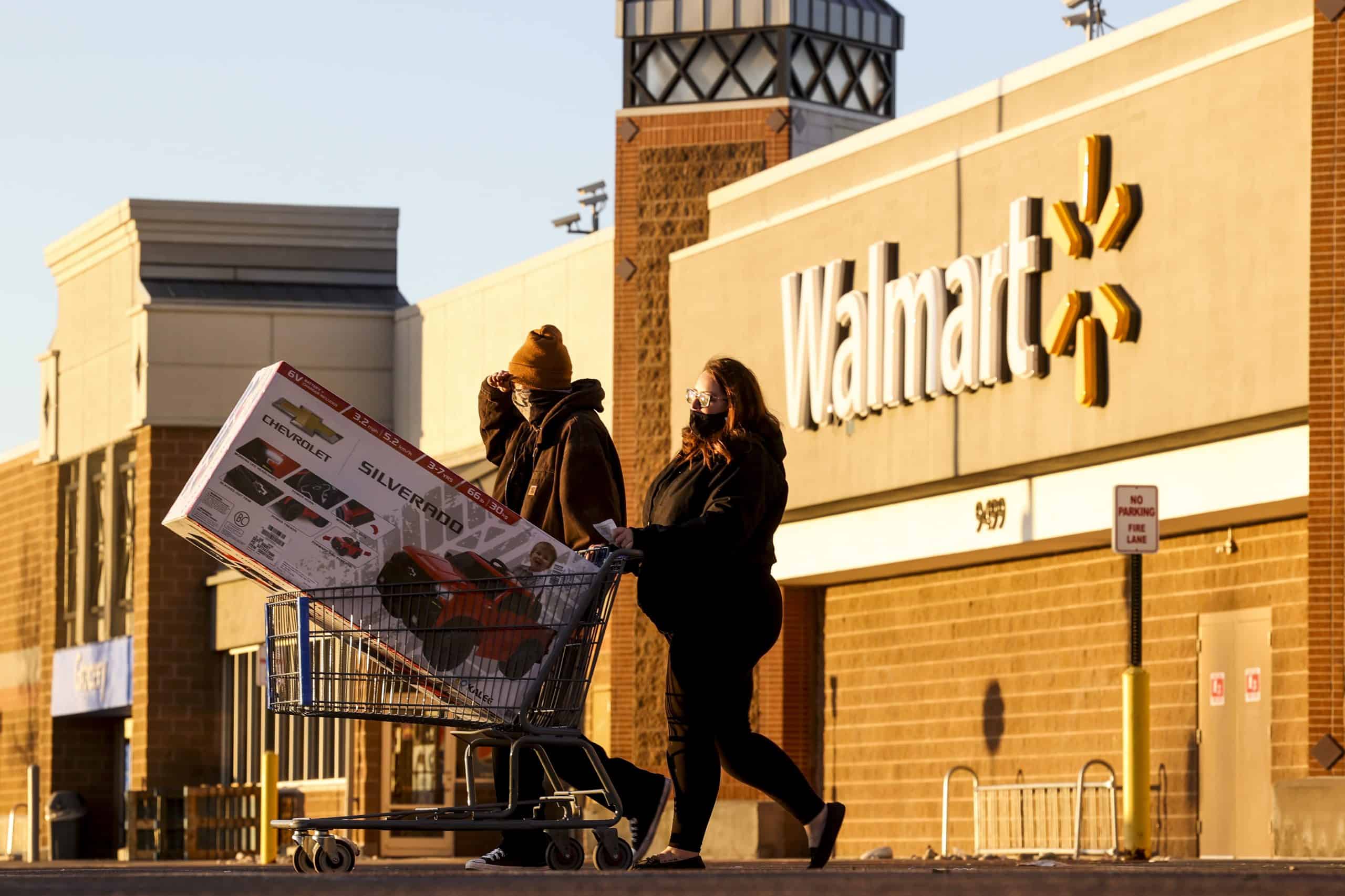
The outlook for 2026 I'm watching 2026 with equal parts optimism and urgency. Optimism because consumer demand is still there. Retail sales have remained resilient in recent data. Urgency because the operating environment is only getting tighter. Coming out of FY2025, large retailers demonstrated resilience amid inflation pressure, shifting consumer behavior, and global supply-chain complexity. Walmart raised its outlook and leaned further into a model that blends physical stores, e-commerce scale, and execution discipline.
E-Commerce
[ Load more ]