#susanna-ec-russell
#susanna-ec-russell
[ follow ]
#climate-change #sustainability #earth-day #public-health #biodiversity #nature #environmental-advocacy








fromPortland Mercury
5 days agoEthics Commission Dismisses Complaints Over Peacocks' Legal Representation - Portland Mercury
In this case, there was no information found in the preliminary review to suggest that... Councilors used or attempted to use their official position to obtain a private financial gain or avoid a financial detriment that was only available to them but for their official position.
Portland


Psychology
fromSilicon Canals
6 days agoPsychology says people who grew up poor in the 1960s and 70s develop a specific relationship to waste - they can't throw away a half-used candle or a rubber band or a piece of foil, not from habit, but because their nervous system still treats abundance as temporar - Silicon Canals
Scarcity during childhood shapes the brain's stress-response architecture, leading to lasting changes in emotion regulation and threat detection.
fromNextgov.com
6 days agoCitizen Science Month 2026 Is about more than just stargazing
Citizen Science Month is built around a goal of 2.5 million 'Acts of Science,' tying the annual event to America's 250th birthday through a simple but powerful idea: lots of small contributions can add up to something really meaningful.
OMG science
#green-party
UK politics
fromLondon Business News | Londonlovesbusiness.com
6 days agoGreen surge overtakes Labour as Reform UK takes polling lead in latest YouGov survey - London Business News | Londonlovesbusiness.com
The Green Party has surpassed Labour in a YouGov poll, indicating a shift in Britain's political landscape.
NYC LGBT
fromNonprofit Quarterly | Civic News. Empowering Nonprofits. Advancing Justice.
1 week agoPepper Spray and the Courage to Stay | Nonprofit Quarterly | Civic News. Empowering Nonprofits. Advancing Justice.
Philanthropy and wealth work reveal insights about power, belonging, and democracy through narratives and community experiences.
fromDefector
1 month agoDam It All To Hell | Defector
Hoppers, like Pixar's pre-Disney films, is a delight. The beavers' world is immersive and richly realized, grounded in science but never dry. The plot zigs and zags between moments of absurdity and emotional heft to stirring effect; I cried multiple times, and not just because of the low-hanging fruit of grandma death.
Independent films
fromwww.bbc.com
4 weeks agoCampaigners celebrate after new town plans dropped
Campaigner Aysha Hawcutt stated that residents were 'not anti-homes', but believed the Adlington plan was 'the wrong proposal in the wrong place'. She expressed pride in the community's resilience against the development threats.
London politics
fromOpen Culture
1 month agoIn Her Final Reflections, Jane Goodall Issues a Warning: "Without Hope, We Fall Into Apathy"
Somebody sent to this world to try to give people hope in dark times, because without hope, we fall into apathy and do nothing, and in the dark times that we are living in now, if people don't have hope, we're doomed. How can we bring little children into this dark world we've created and let them be surrounded by people who've given up?
Writing
Books
fromNonprofit Quarterly | Civic News. Empowering Nonprofits. Advancing Justice.
1 month agoOf Tech Bros and Eco Collapse-Warnings from McGovern's 99th Day | Nonprofit Quarterly | Civic News. Empowering Nonprofits. Advancing Justice.
Gerry McGovern's '99th Day' argues that environmental collapse stems from technological excess, data waste, and toxic masculinity culture, positioning humans as the primary problem.
fromwww.theguardian.com
1 month agoMy ideas are a little revolutionary': ecologist Suzanne Simard on intelligent forests, the climate and her critics
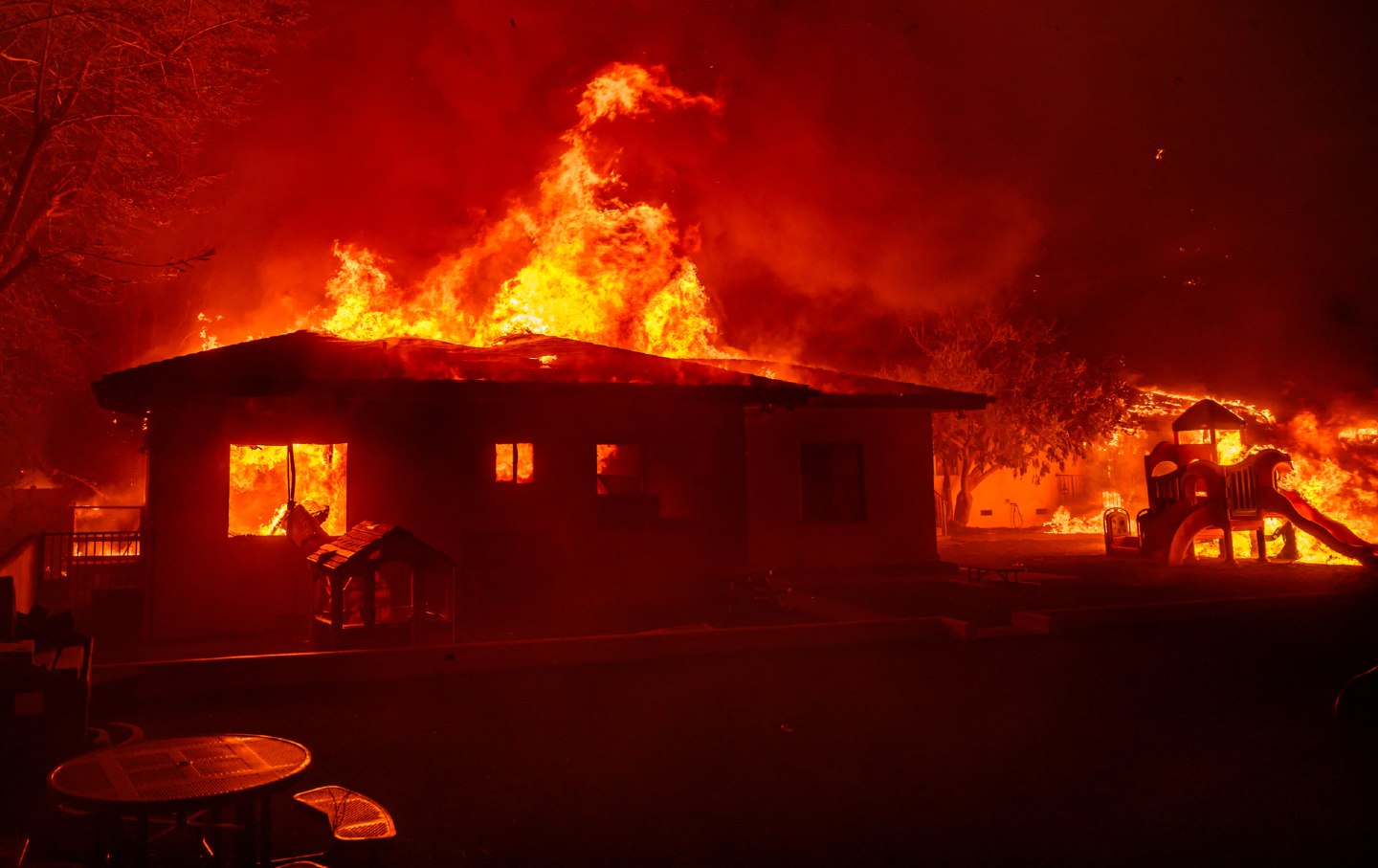
Wildfires have become an ever bigger problem in Canada. The 2018 wildfires were the biggest in British Columbia's history, but this record was broken in 2021, and then again in 2023, when fires consumed an area three times the size of the Canadian province of Nova Scotia and the smoke travelled as far as New York City.
Canada news
LGBT
fromLGBTQ Nation
2 months agoThe founder of the modern environmental movement was queer. Why did it take so long to out her? - LGBTQ Nation
Queer love intertwines with the wild and environmental critique to challenge capitalism's exploitation of nature and point toward political and social renewal.

Public health
fromNonprofit Quarterly | Civic News. Empowering Nonprofits. Advancing Justice.
2 months agoThe Polluters Down the Street-EPA Changes Put Lives at Risk | Nonprofit Quarterly | Civic News. Empowering Nonprofits. Advancing Justice.
Air quality monitoring and Clean Air Act regulations have reduced PM2.5, prevented hundreds of thousands of early deaths, and improved average life expectancy.
fromMindful
2 months agoCan Compassion Save the Planet?
When British author Karen Armstrong won the TED prize in 2008, she used the money to convene a group of religious thinkers from a wide range of faiths to craft an updated version of the Golden Rule for the 21st century. What emerged was the Charter for Compassion, which calls on people around the world "to work tirelessly to alleviate the suffering of our fellow creatures, to dethrone ourselves from the center of our world and put another there, and to honor the inviolable sanctity of every single human being, treating everybody, without exception, with absolute justice, equity and respect."
Philosophy
fromPsychology Today
2 months agoHow Can We Change the World?
There's a myth in our society that real change requires force, strength, and domination. We celebrate athletes, CEOs, and politicians who crush their opponents. But history tells a different story. Lasting social change has often been triggered by humble people whose weapons were passion, principle, and an unwavering commitment to justice and the truth - not the truth we see on TV or read in print media, but rather the truth that we feel deep inside ourselves.
Social justice
fromThe Nation
1 month agoNatural Man
The former US senator from Wisconsin, who served for almost two decades as one of the chamber's most ardent advocates for climate action, publicly rebuked Trump's January 7 withdrawal of the United States from the United Nations Framework Convention on Climate Change (UNFCCC): 'Nothing in the Constitution grants the president any such power.'
Environment
Environment
fromThe Nation
1 month agoRep. Summer Lee: The Fight for Environmental Justice Is Far From Over
The Trump administration has rolled back environmental protections, eliminated greenhouse gas regulations, and granted fossil fuel companies exemptions and tax breaks worth billions, prioritizing corporate donors over public health and climate action.
fromThe Nation
1 month agoA World on Fire Needs More Climate Reporting-Not Less
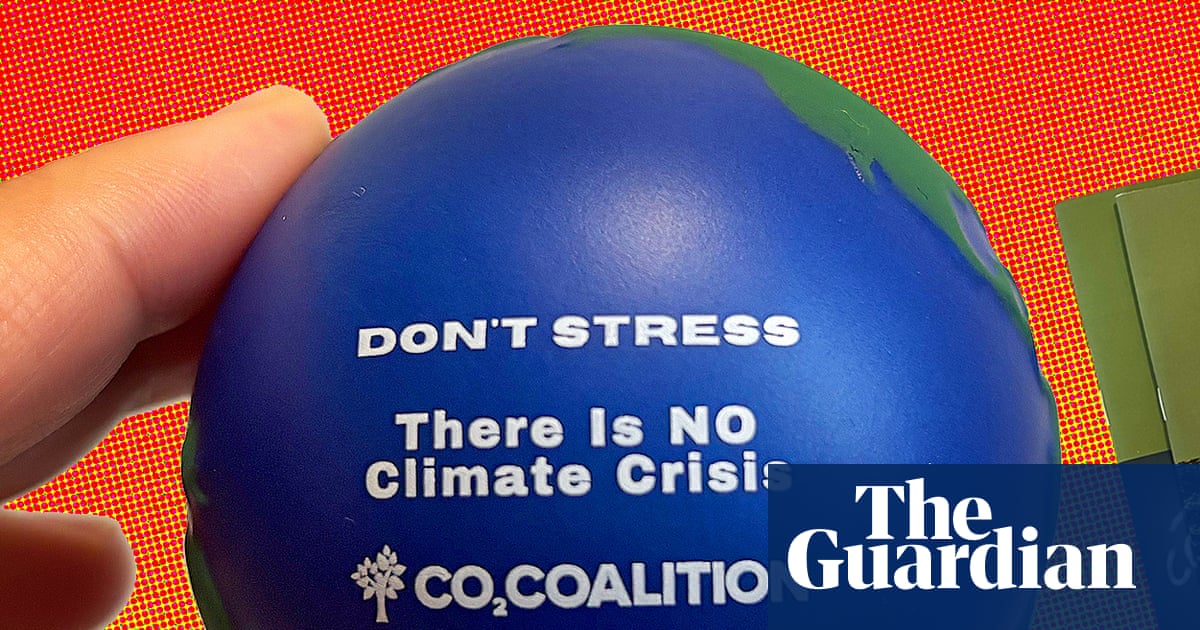
Covering Climate Now was formed in 2019 in response to the climate silence that then prevailed in much of the press, especially in the United States. Over the years that followed, hundreds of newsrooms joined our effort, and press coverage of the story began to reflect the scale of the crisis. Newsrooms beefed up their climate reporting teams; they confronted misinformation that sought to play down the problem; they thought creatively about how to find the climate connection on every beat.
Environment
Environment
fromTruthout
1 month agoEnvironmental Activists Say the FBI May Be Investigating Them
FBI counterterror investigators are scrutinizing nonviolent climate activist groups like Extinction Rebellion NYC, raising concerns about federal law enforcement targeting constitutionally protected protest and free speech activities.
Environment
fromSocial Media Explorer
2 months agoEntorno Law and the Role of Public Interest Law in Protecting Communities and the Environment - Social Media Explorer
Public interest law ensures accountability and enforces environmental and consumer protections to safeguard public health, community welfare, and natural resources while promoting sustainability and fairness.
fromwww.dw.com
2 months agoThe business of saving nature
The world spends 30 times more money destroying nature than protecting it. That's according to a new report from the United Nations Environment Programme (UNEP) that exposes a massive gulf between so-called "harmful investments" and financing that promotes nature preservation. The global environment agency's latest "State of Finance for Nature" (SNF) report is calling to phase out the US$7.3 trillion (6.2 trillion) in global investments that damage nature including into high-emissions energy infrastructure and manufacturing, for example.
Environment
Environment
fromwww.theguardian.com
1 month agoAustralian wildlife in harm's way' with volunteers left to pick up the pieces' amid climate crisis, fires and floods
Labor is urged to establish national wildlife protection standards for disaster response, with advocates warning biodiversity risks could become irreversible without coordinated government-funded rescue and rehabilitation services.
fromNature
2 months agoBiodiversity conservation has an evidence problem - it's time to fix it
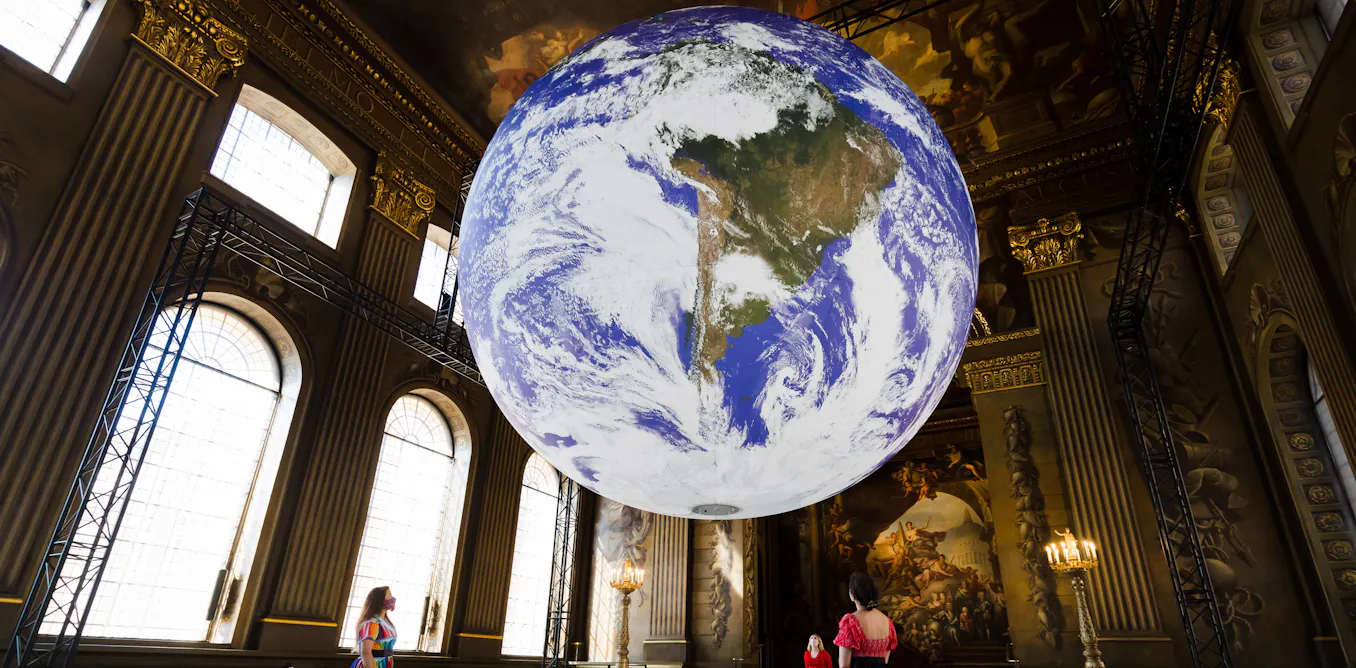
Biodiversity loss is continuing at an unprecedented rate, with species becoming extinct at between 100 and 1,000 times the average pre-human, or 'background', rate. Human activities are the main cause. Although there are hundreds of local, regional and international initiatives to conserve and sustainably use species and ecosystems, many conservation scientists worry that measures such as interventions to conserve individual species or incentives to create protected areas are not supported by strong evidence from research.
Environment
[ Load more ]