#swiss-italian-culture
#swiss-italian-culture
[ follow ]
#travel #switzerland #swiss-alps #cultural-heritage #italy #italian-cuisine #hiking #via-ferrata #alps #food-culture
:max_bytes(150000):strip_icc()/tal-swiss-alps-tout-033cc7053afa4c658091cf433a045b3d.jpg)

Design
fromdesignboom | architecture & design magazine
3 weeks agowoven futures: heritage shapes the next chapter of furnishing textiles at proposte 2026
Proposte 2026 emphasizes the evolution of high-end furnishing textiles, merging heritage with innovation in performance and design for residential spaces.
France news
fromwww.theguardian.com
1 month agoTotally Med: exploring Menton, where the French and Italian rivieras meet
Menton, a French-Italian border town, celebrates its identity through lemon cultivation and the annual Fete du Citron festival, featuring unique Menton lemons with distinctive characteristics and a thriving culinary scene.
Washington Nationals
fromDefector
1 month agoNobody's Having More Fun Than The Italians | Defector
The World Baseball Classic uses flexible nationality rules allowing players to represent countries through lineage and citizenship, creating amusing rosters like Team Italy's Italian-Americans defeating Team USA.
Berlin music
fromwww.theguardian.com
1 month agoSinging the news: the story of Italy's last cantastorie' still performing in his 90s
Franco Trincale, Italy's last great cantastorie, spent six decades singing historical news and social commentary on Milan's streets, maintaining a dying tradition of wandering musicians while contributing to labor rights movements.
fromwww.dw.com
1 month agoSwiss reject cuts to public broadcasting
Brought forth largely by the right-wing Swiss People's Party (SVP) and the youth wing of the center-right Free Democratic Party (FDP), the proposition would have cut mandatory annual household usage fees for radio, television and internet from 335 to 200 Swiss francs (370, $430). The fee is the highest in the world and the Swiss government has already moved to broaden payment exemptions and reduce the fee to SF300 by 2029.
France news
Travel
fromBusiness Insider
1 month agoMy favorite gem in Italy is just an hour from Venice. It's packed with stunning scenery and feels like stepping into a fairy tale.
Bassano del Grappa offers authentic Italian culture, local cuisine, and scenic beauty with fewer tourists than major Italian cities like Venice.
Skiing
fromwww.theguardian.com
1 month agoMy stay in Switzerland's oldest mountain inn where winter sports aren't allowed
The Grimsel Hospiz, Switzerland's oldest recorded mountain inn documented in 1142, stands at 2,000 metres surrounded by glaciers, ravines, and a frozen reservoir in the Bernese Oberland.
fromwww.npr.org
2 months agoUNESCO has officially added yodeling to its list of 'Intangible Cultural Heritage'
There are some variations. So we know yodeling with text. But we have also - mostly we have yodeling without text, and this yodel we call naturjodel. And this kind of yodel works like dialects. So it depends on the region you grow up. So if you grew up in eastern part, it sounds very melancholic. When you grow up in middle part, center part of Switzerland, it's quite loud and sometimes also a little bit fast.
Music
fromBoston Herald
2 months agoRavioli filled with red beets is the colorful pasta dish of Olympic host Cortina
The ravioli-type dish, also known as casunziei all'Ampezzana, consists of homemade half-moon shaped pasta filled with boiled beets, topped with a sauce of melted butter, Parmesan cheese and poppy seeds. It's a simple dish that harks back to the Alpine region's poorer past - long before Cortina transformed into a winter playground for the international jet set. Even in the coldest days of winter, local families had the ingredients in their cupboards.
Food & drink
Snowboarding
fromSnowBrains
2 months agoMatterhorn Paradise, Switzerland/Italy, Report: Crossing Countries on Skis-A Full Day Linking Zermatt and Cervinia - SnowBrains
Gornergrat Bahn delivers seamless rail-to-ski access to uncrowded Matterhorn Paradise, with pristine groomers, dramatic views, and efficient, lift-free skiing.
Design
fromYanko Design - Modern Industrial Design News
1 month agoA Swiss Designer Just Replaced Your HVAC System With a 500-Year-Old Pot - Yanko Design
Ancient terracotta-based heating and cooling systems offer a unified, energy-efficient alternative to modern split infrastructure by leveraging centuries-old physics of thermal absorption and evaporative cooling.
fromApartment Therapy
2 months agoWhile Traveling in Italy, I Learned the Easiest Coffee Upgrade I Now Do Every Morning
On my last trip, in Bologna, I found yet another way to enjoy Italian coffee (beyond ordering a doppio). One memorable café topped its coffees with fruit powder-infused whipped cream. They were listed under a section on the menu appropriately named "caffe della gioia" (yes, "joy coffee"). These joyful mugs are topped with a generous mountain of whipped cream that can be folded with fruit- or nut powders, like pomegranate, pistachio, orange, wild berries, and aniseed.
Coffee
Food & drink
fromwww.theguardian.com
2 months agoA local's guide to Milan: the city's best restaurants, culture and green spaces
Simone Barlaam, Milan-born Paralympic swimmer, is a 13-time world champion, Paris 2024 multi-medalist, Milano Cortina ambassador and local guide sharing favourite Milan spots.
Arts
fromThe Art Newspaper - International art news and events
2 months agoTen essential works of art to see in Graubunden-the region that hosts the World Economic Forum
Graubünden’s dramatic alpine landscapes and trilingual culture fostered key Modernist artists and distributed important art, architecture, and design across its valleys.
fromTravel + Leisure
1 month agoThese Are the 10 Types of Restaurants You'll Find in Italy-and Why You Need to Know the Difference
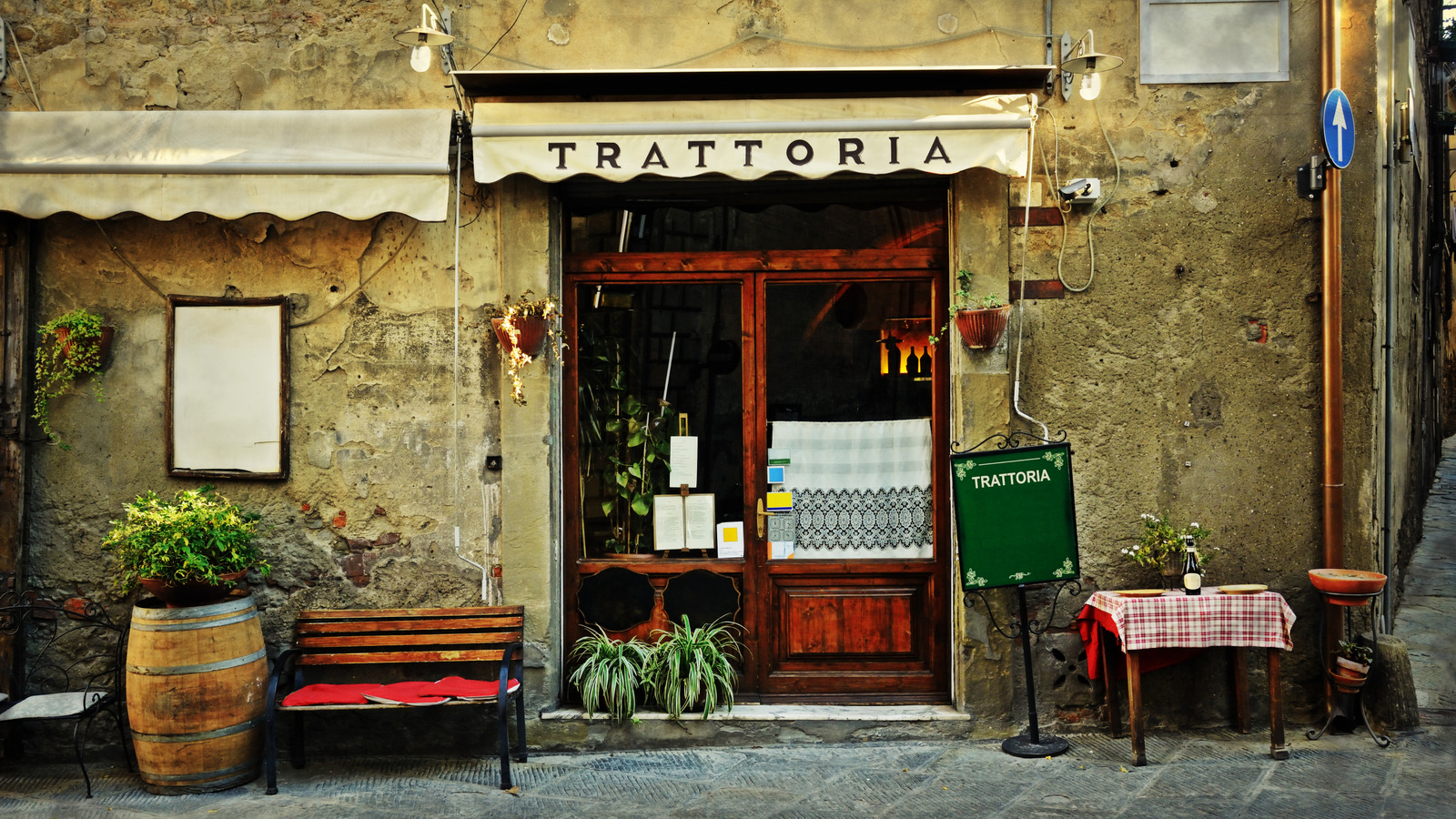
Historically speaking, an osteria was a spartan, no-frills establishment where people would go to have a drink. The original osterias date all the way back to the Roman Empire. If you go to Ostia Antica or Pompeii, you find the osterias of the era. They were like bed-and-breakfasts, with rooms for rent above the dining room where people could listen to music.
Dining
fromBuzzFeed
2 months ago20 Cozy Northern Italian Recipes To Make During the Winter Olympics
Northern Italian cooking is built for long meals, cold weather, and patience, which is exactly the sort of food you want when settling in for hours of competition. From Lombardy and Piedmont to Emilia-Romagna and Liguria, these regions favor slow braises, creamy risottos, rich broths, and breads meant to be torn and shared. Whether you're feeding a crowd or committing to a cozy afternoon
Food & drink
Travel
fromwww.theguardian.com
2 months agoThe most quietly romantic town we have ever visited' the enduring charm of Chiavenna, Italy
Chiavenna is an overlooked Lombardy town offering picturesque alpine scenery, historic frescoed streets, chestnut woods, crotti, and extensive hiking and cycling trails.
Arts
fromThe Art Newspaper - International art news and events
2 months agoThe Davos arts programme: 'Art ventures where policy briefs and position papers cannot go'
The Arts and Culture Programme at Davos positions arts as essential for fostering empathy, imagination, and collective action amid digital acceleration and societal polarisation.
fromwww.theguardian.com
2 months agoSwitzerland to vote on far-right proposal to cap population at 10 million
Switzerland will vote this summer on a proposal from the far-right Swiss People's party (SVP) to limit the country's population to 10 million, a move that would threaten key agreements with the EU and, opponents say, cripple its economy. The government said on Wednesday the referendum on the SVP's No to a 10 million Switzerland initiative, which is strongly opposed by both chambers of parliament and the business and financial services community, would be held on 10 June.
Miscellaneous
fromCN Traveller
1 month agoThe best ski resorts in Italy
Italy's finest ski resorts are often overshadowed by their French and Swiss equivalents. Pity really, as their piste-side rifugi lunches are a divine alchemy of Mediterranean and Alpine cuisine, their hotels, chalets, sunny terrace lunches and ski passes sit at a more civilised price point than the wildly expensive Swiss and French resorts, and their well-connected ski areas wiggle across great swathes of map.
Skiing
fromTasting Table
2 months agoThis Cheesy Italian Fried Dough Is One Of Florence's Favorite Street Foods - Tasting Table
This coccoli, which can be a street food or restaurant appetizer, is truly an icon in Florentine - a term that simply means "from Florence" - fare. The word "coccoli" translates literally to "cuddles," and these fried dough balls do indeed feel like warm little hugs. They're about the size of dumplings; served hot, they've got a crispy exterior to crack into - with just the right amount of grease - where you'll find both fluffiness and chewy doughy-ness all at once.
Food & drink
fromEpicurious
2 months agoDitalini and Peas in Parmesan Broth
Pasta and peas was one of the staple meals my mom made for us growing up. We probably had it at least once a week. She learned the recipe from my grandma Tina, and it was a simple, inexpensive dish to throw together-just pasta and frozen peas cooked with a bit of chicken broth and aromatics topped with grated parm.
Food & drink
fromSilicon Canals
2 months agoGoodbye to tourist traps: the small towns locals say capture the real spirit of Italy - Silicon Canals
Last summer, I found myself in Venice during peak tourist season. The crowds were suffocating. Every piazza felt like a theme park, every restaurant seemed designed for Instagram rather than actual dining. Standing on the Rialto Bridge, packed shoulder to shoulder with thousands of other visitors, I couldn't help but wonder: is this really Italy? That question stayed with me long after I returned to London.
Travel
fromConde Nast Traveler
2 months agoThe Majestic Views and Warm Alpine Hospitality of Jungfrau, Switzerland
Standing among the Alps, it's easy to believe that they will last forever. They seem too big to fail, too old to change. This illusion of permanence has long entranced travelers who have visited to experience the intoxicating feeling of being daunted and dwarfed by a landscape's authority. But even mountains move: This past May an avalanche of ice and rock tore through the Lötschental Valley, erasing the village of Blatten in less than a minute.
Travel
Travel
fromwww.travelandleisure.com
2 months agoThis Mountain Town Was Just Named the Most Romantic Destination in the Worldand It Has Glacier Palaces and Car-free Charm
The Matterhorn in Zermatt, Switzerland ranks as the world's most romantic destination, with 98.66% of couples giving four- to five-star reviews.
fromwww.theguardian.com
2 months agoSledges, bears and a hotel with Wes Anderson vibes: Switzerland's quirkiest family ski resort
On the approach to Arosa in the Graubunden Alps, the road is lined with mountain chapels, their stark spires soaring heavenwards; a portent, perhaps, of the ominous route ahead. The sheer-sided valley is skirted with rugged farmhouses and the road twists, over ravines and round hairpin curves, to a holiday destination that feels like a well-kept secret. On the village's frozen lake, young families ice skate, hand in hand.
Travel
[ Load more ]