#tactical-battle
#tactical-battle
[ follow ]
#iran #us-military #drones #military-strategy #military-operations #military-technology #us-air-force
fromwww.mediaite.com
1 day agoWeird Obsession With Death': Current and Former Defense Officials Sound the Alarm on Hegseth
Retired Army Special Forces officer Mike Nelson criticized Hegseth's rhetoric, stating, 'That's a necessary end to achieve goals through military force - you have to kill people to achieve them. That's not the end. It's a weird obsession with death for the sake of it.'
Right-wing politics
from24/7 Wall St.
3 days agoThe 3 Numbers You Need to Know About the Economics of War
The economics are hard to ignore. Shooting down a drone with AeroVironment's LOCUST laser system costs less than $10, using just two to five seconds of laser energy. Compare that to the interceptor missiles currently used against Iranian drone swarms, which cost orders of magnitude more and are in short supply across allied arsenals.
Venture
fromwww.businessinsider.com
1 week agoHere's how US combat search-and-rescue crews save downed fighter pilots in the middle of a war
Air Force combat search-and-rescue, also known as CSAR, is the military's force dedicated to rescuing downed aircrew. Combat search-and-rescue missions are dangerous under the best of conditions, ideally on dark nights with no moonlight.
Roam Research

Russo-Ukrainian War
fromwww.businessinsider.com
1 week agoUkrainian troops showed 'greater tactical imagination' than Western trainers, British officer says, pointing to their ambush tactics
Ukrainian soldiers demonstrate greater tactical creativity and flexibility compared to their Western trainers, particularly in ambush tactics.
History
from24/7 Wall St.
4 weeks ago25 Weapons That Changed Warfare Over the Last Century
Technological breakthroughs over the last century transformed warfare by introducing tanks, missiles, stealth aircraft, and precision-guided weapons that forced armies to continuously adapt tactics and reshape military doctrine globally.
fromemptywheel
1 month agoGreat Tactics Mean Nothing if You Have No Strategy - emptywheel
The conduct of War is, therefore, the formation and conduct of the fighting. If this fighting was a single act, there would be no necessity for any further subdivision, but the fight is composed of a greater or less number of single acts, complete in themselves, which we call combats, as we have shown in the first chapter of the first book, and which form new units.
US politics
Information security
fromThe Cipher Brief
1 month agoThe Drone War's Real Problem Isn't Technology - It's Speed
Defense acquisition reforms implement recommended changes but fail to address the fundamental cycle-time gap between rapidly evolving adversary capabilities and the military's ability to deploy countermeasures.
fromMail Online
1 month agoHow Iran can bring the war to US soil in just days: Key targets MAPPED
All you would need is a ship under a foreign flag positioned offshore to launch hundreds of drones, or even a truck carrying them. When I served as deputy administrator at the National Nuclear Security Administration, overseeing nuclear programs, the drone threat was something we were deeply concerned about.
US politics
from24/7 Wall St.
1 month agoThe Warplanes and Ordinance That Carried Out Operation Epic Fury
Air campaigns today are built around cooperation between many different aircraft, each performing a specific task. Stealth fighters lead the way into contested airspace, electronic warfare aircraft disrupt enemy radar, and bombers or strike fighters deliver precision weapons. Supporting aircraft provide intelligence, command and control, and the fuel needed to keep the entire operation moving.
Roam Research
Intellectual property law
fromwww.theguardian.com
1 month agoWhat does the US military's feud with Anthropic mean for AI used in war?
Anthropic's refusal to allow Claude AI for domestic mass surveillance and autonomous weapons has triggered a Pentagon supply chain risk designation, highlighting tensions between tech company safety values and military demands.
fromThe Cipher Brief
1 month agoThe Future of War Is Now: What Washington Needs to Hear from the Battlefield
I have been working in Ukraine since 2019, first as an active Green Beret advising in an official capacity, then after leaving that service, directing special operations on the ground and more recently carrying hard-won lessons back to NATO before they are forgotten or overtaken by the next news cycle.
Washington DC
fromWIRED
4 weeks agoPalantir Demos Show How the Military Could Use AI Chatbots to Generate War Plans
When the user asks "What enemy military unit is in the region?" the AIP Assistant guesses that it's "likely an armor attack battalion based on the pattern of the equipment." This prompts the analyst to request a MQ-9 Reaper drone to survey the scene. They then ask the AIP Assistant to "generate 3 courses of action to target this enemy equipment," and within moments, the assistant suggests attacking the unit with either an "air asset," a "long range artillery," or a "tactical team."
Artificial intelligence
Miscellaneous
from24/7 Wall St.
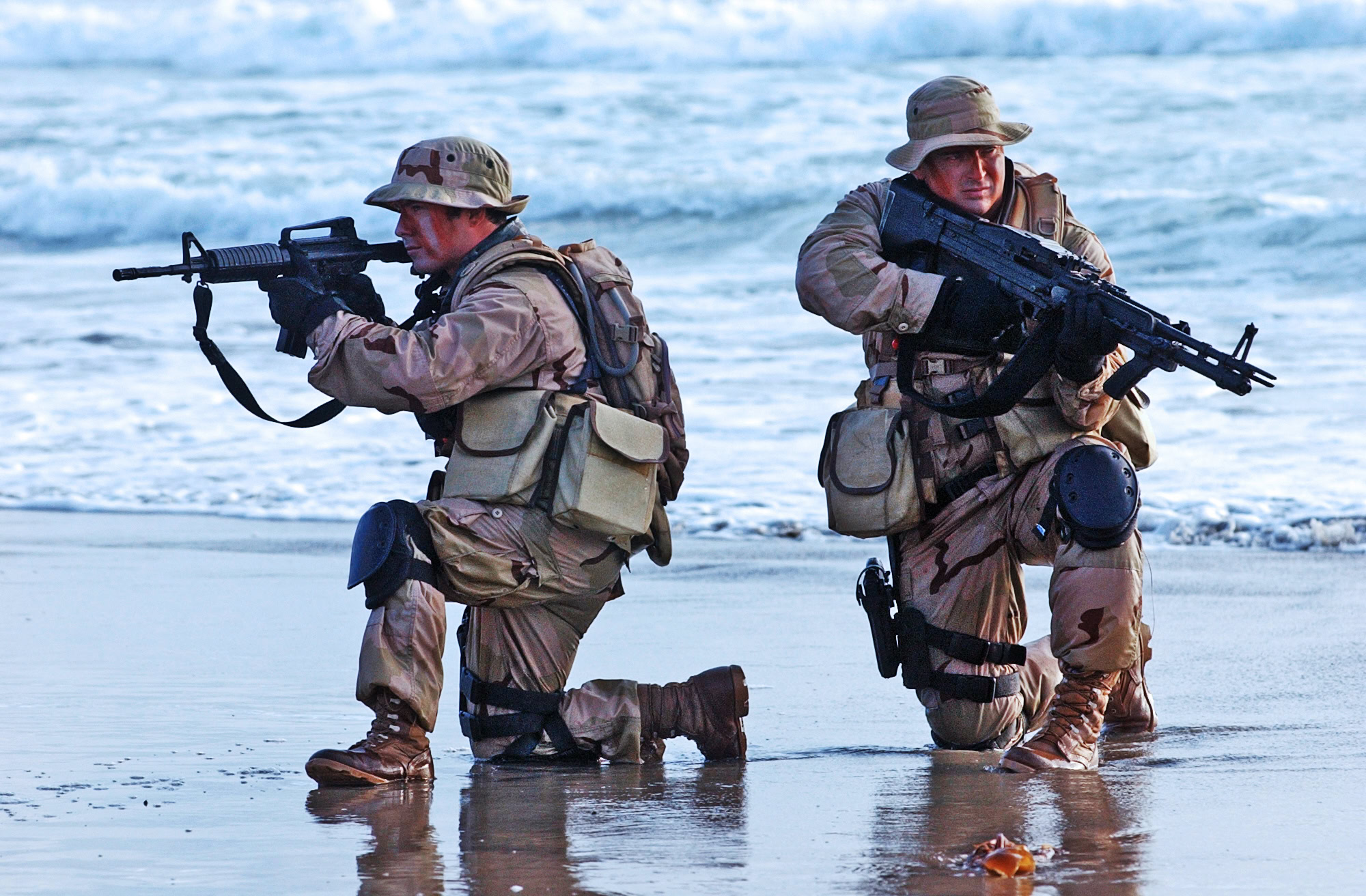
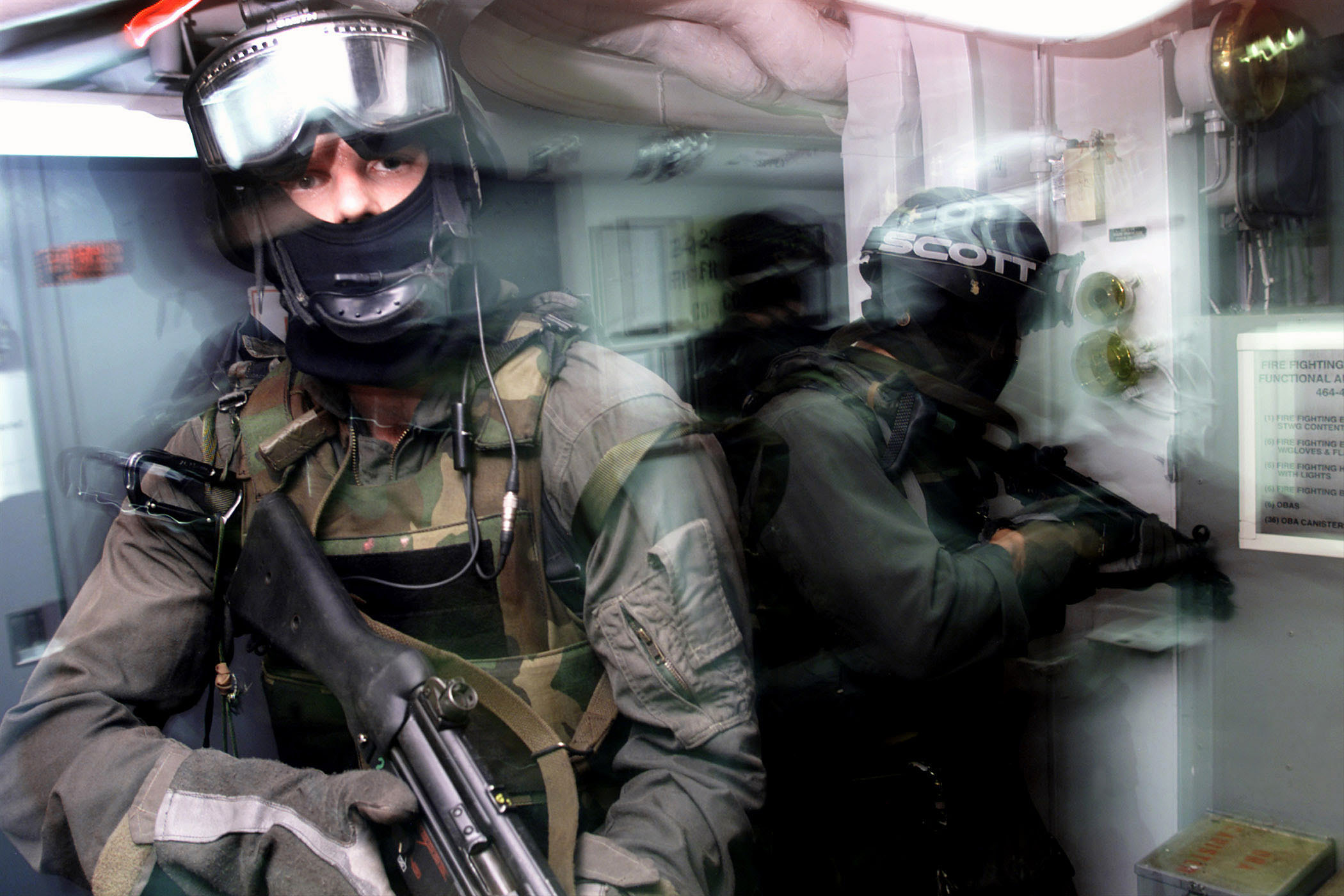
1 month agoThe Firearms That Gave Navy SEALs an Edge in Urban Combat
Navy SEAL firearms for urban combat are specifically selected based on operational experience to provide speed, precision, and reliability in close-quarters environments where reaction time is critical.
World news
fromwww.npr.org
1 month agoOld-school tricks and AI tech are weapons in the Iran war
Israel and the U.S. employed deception tactics, cyber operations, and AI technology in coordinated military operations against Iran, disrupting Iranian communications and sensor networks while using hacked surveillance to locate targets.
Russo-Ukrainian War
fromBusiness Insider
1 month agoThe US Army wants to see if it can get robots to rescue wounded troops like they're doing in Ukraine
The US Army is testing ground robots to evacuate wounded soldiers in high-intensity combat, reducing risk to medical personnel and troops during dangerous battlefield movements.
World politics
fromBusiness Insider
1 month agoThe war with Iran is more evidence that winning the fights you can't see is critical in modern combat
US military operations increasingly rely on space and cyber forces to disrupt enemy capabilities before kinetic strikes, making non-kinetic warfare critical to modern combat effectiveness.
fromInfoWorld
2 months agoStop treating force multiplication as a side gig. Make it intentional
Lead without authority. You may not have direct reports, yet you shape architecture, quality and the roadmap. Your leverage comes from artifacts, reviews and clear standards, not from title.I started by publishing a lightweight architecture template and a rollout checklist that the team could copy. That reduced ambiguity during design and cut review cycles by nearly 30 percent
DevOps
World politics
fromBusiness Insider
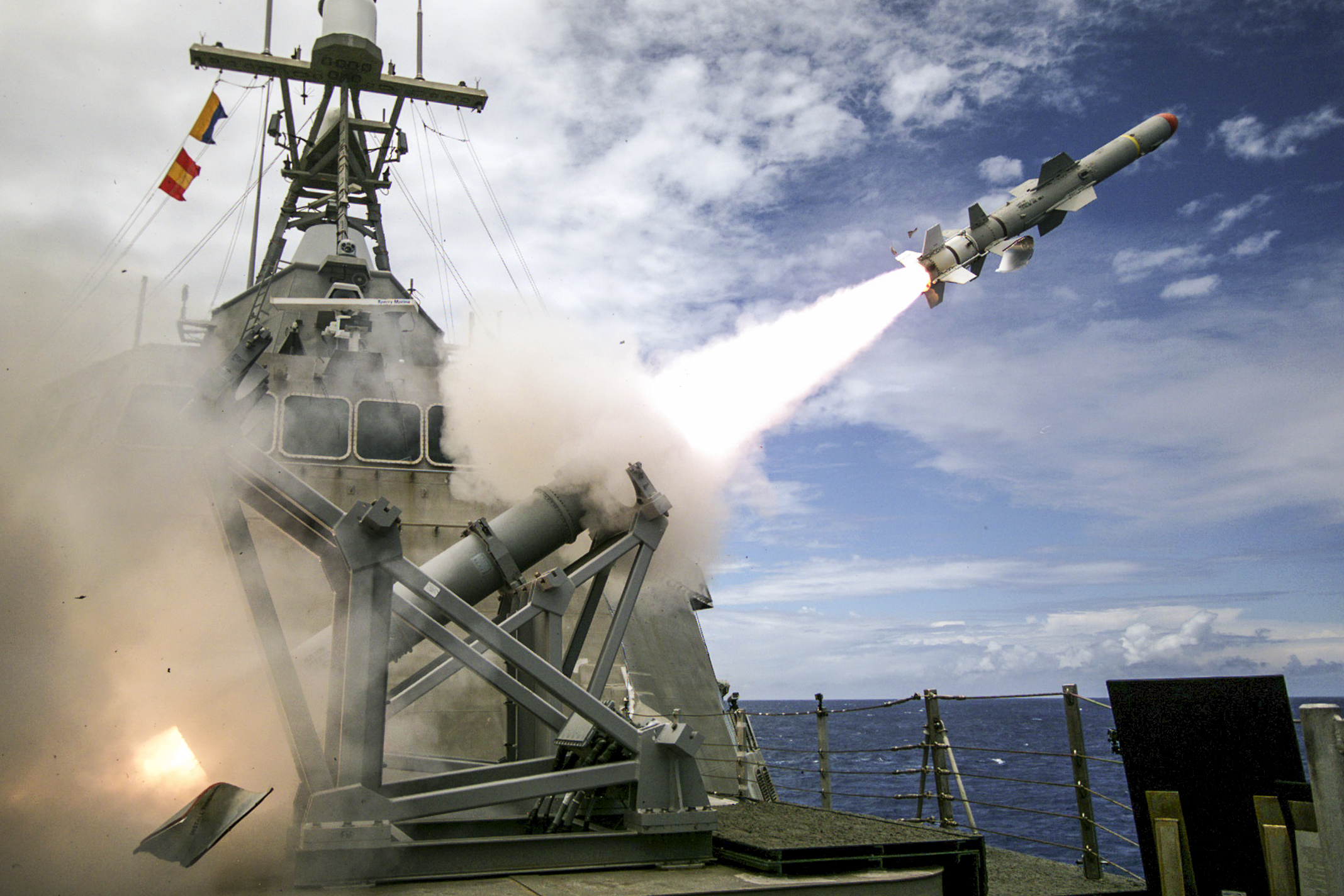
1 month agoUsed by Iran, Russia, and now the US, the cheap Shahed is reshaping modern war
The Shahed drone, an inexpensive Iranian-designed weapon, has become a defining weapon of modern conflict, adopted and copied by Russia and the United States, fundamentally changing warfare tactics and defense strategies.
fromBusiness Insider
2 months agoSnowmobiles, skis, and laser tag: How NATO soldiers train for Arctic assaults
The encounter took place during a recent winter combat exercise involving roughly 20 NATO troops, beginning with an assault on skis and snowmobiles before shifting into a simulated firefight using blanks and lasers instead of live ammo. The drill was part of a monthlong course led by Finland's Jaeger Brigade that trains allied forces in Arctic warfare and cold-weather survival. Business Insider observed the battle's start at a training site 75 miles north of the Arctic Circle in Finland's snow-blanketed Lapland region.
Miscellaneous
from24/7 Wall St.
2 months agoMilitary Aircraft That Only Succeeded Because of Their Skilled Crews
Some aircraft succeeded even though they made life harder for the people flying them. They demanded constant attention, punished mistakes, and left little margin for error. Instead of relying on forgiving design, these platforms forced crews to compensate through skill, planning, and coordination. Over time, combat proved that the human element was the decisive factor behind their success. Here, 24/7 Wall St. is taking a closer look at these aircraft that embodied the human factor.
History
from24/7 Wall St.
2 months agoHow Precision Sniper Technology Reduced the Need for Massed Infantry
Infantry once relied on numbers to solve uncertainty. When soldiers could not see or hit targets precisely, the answer was more troops and more fire. Sniper technologies quietly overturned that logic. By extending range, improving accuracy, and increasing awareness, they allowed small teams to dominate space once controlled only by massed formations. Precision replaced presence, and patience became a battlefield advantage. Here, 24/7 Wall St. is taking a look at the sniper technologies that totally changed the game.
Science
from24/7 Wall St.
2 months agoFirearms That Required Extensive Training to Use Effectively
Military history is filled with firearms that looked formidable on paper but proved far less impressive in the hands of average troops. In many cases, the issue was not flawed engineering, but unrealistic assumptions about training and doctrine. Some weapons were built with elite users in mind, soldiers who could manage the weapon and tactical nuance at a level most forces never reached.
History
from24/7 Wall St.
2 months agoWeapons That Performed Well Except For Desert, Jungle, or Arctic Conditions
On paper, many of the world's most famous weapons looked like reliable successes. In practice, desert sand, jungle humidity, and arctic cold often had other ideas. Systems that performed well in testing or early combat sometimes broke down once environmental stress became unavoidable. Here, 24/7 Wall St. is taking a closer look at how the environment, not enemy fire, can quietly expose limits that designers never fully anticipated.
World news
Artificial intelligence
fromBusiness Insider
1 month agoUS Army leaders say soldiers are drowning in so much battlefield data that AI is needed to make sense of it all
Army AI prototype processes vast battlefield sensor data, retaining context and patterns humans miss, to reduce information overload and improve decision-making.
Artificial intelligence
fromBusiness Insider
1 month agoUS Army leaders say soldiers are drowning in so much battlefield data that AI is needed to make sense of it all
The US Army is developing AI to process and contextualize overwhelming battlefield sensor data faster and more reliably than humans; it is in beta testing.
[ Load more ]