#targeted-advertising
#targeted-advertising
[ follow ]
#privacy #data-privacy #smart-tvs #meta #data-collection #class-action-settlement #automatic-content-recognition


#data-privacy
Online marketing
fromMakeUseOf
1 month agoNo, it's not your microphone - this is how advertisers know what you want
Advertisers use data from your online behavior, not microphone recordings, to deliver targeted ads accurately.

fromAndroid Police
7 months agoPrivacy professionals
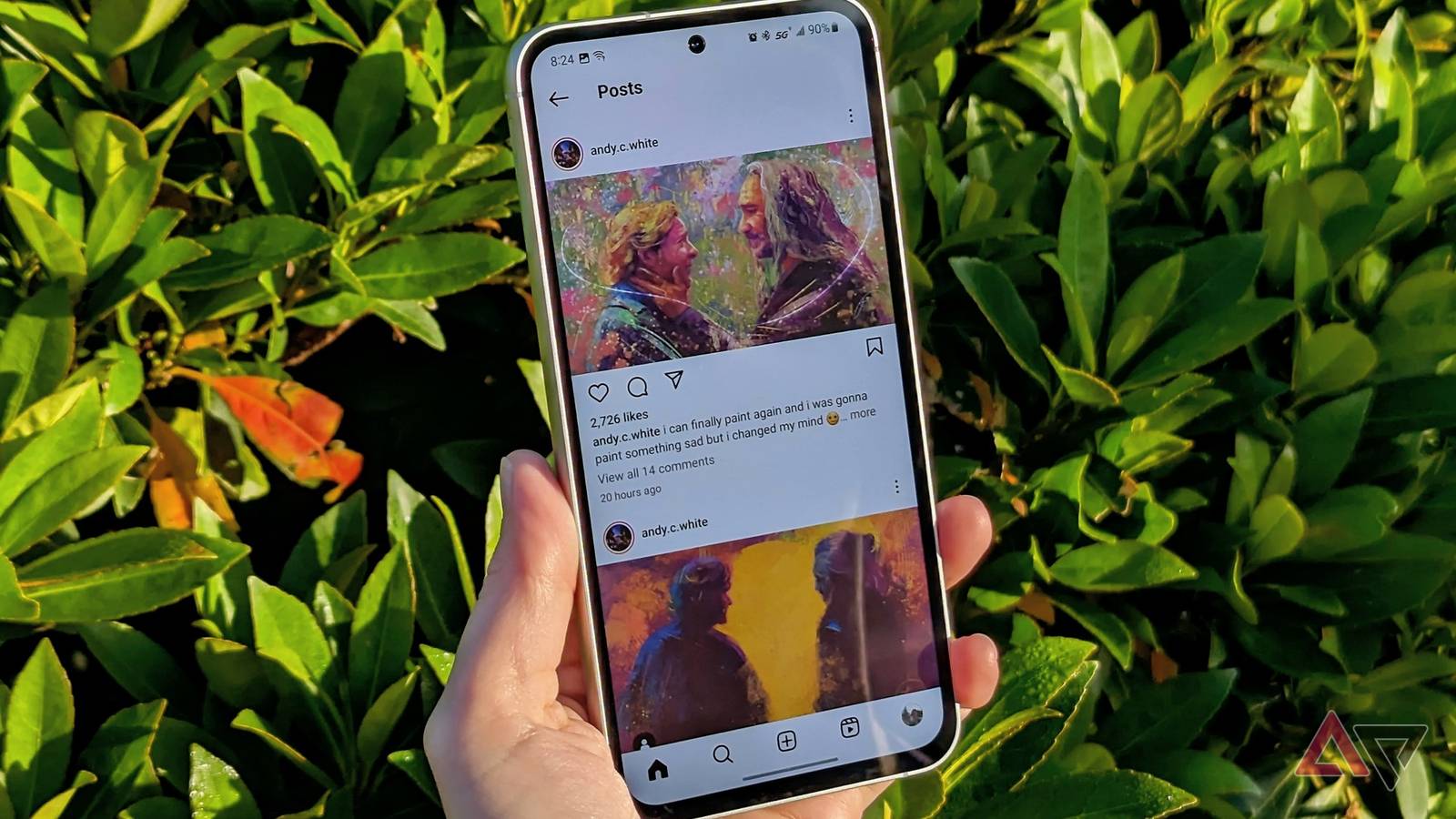
Instagram CEO wants to let you know that the app doesn't eavesdrop on your conversations
Instagram does not listen to users' conversations; targeted ads result from app-collected data, advertiser relationships, and information users share when signing up.
fromThedrum
2 months agoEmpire Leverages In-game Advertising within iOS's #1 Sports Game to Bring Afro Pop Artist Kizz Daniel to Soccer Fans During the FIFA World Cup
We previously worked with Anzu on a campaign for another artist Babyface Ray and saw huge success and interest from players for his music. When we learned that Anzu was able to bring our latest campaign to the most popular sports title on iOS and allow us to hone in on our target audience of World Cup fans, working with them again was a no-brainer. - Peter Kadin, SVP Marketing, EMPIRE
Soccer (FIFA)










fromComputerworld
3 months agoHappy Data Privacy Week from Apple
Data gathered from smartphones enables service providers to infer a wide range of personal information about their users, such as their traits, their personality, and their demographics. This personal information can be made available to third parties, such as advertisers, sometimes unbeknownst to the users. Leveraging location information, advertisers can serve ads micro-targeted to users based on the places they visited. Understanding the types of information that can be extracted from location data and implications in terms of user privacy is of critical importance,
Privacy professionals




fromTech Advisor
3 months agoYour phone is covertly sharing your data at night! How to stop it
The data that a smartphone transmits in a continuous loop can be divided into two categories: legitimate data that maintains the functionality of the device, and sensitive data that is used for tracking, advertising and other purposes. It is not always clear which data falls into which category. For example, if your device sends diagnostic data and reports to the manufacturer or app developers, this may be necessary and important. However, it usually also requires your consent.
Privacy technologies
fromThe Drum
3 months agoInternet service providers handed ad targeting treasure trove as congress scraps online privacy protections
President Trump is expected to sign the order this week, meaning companies who backed the repeal, such as Verizon, AT&T and Comcast, will now be free to share customer browsing habits, app usage history, financial information, location data, social security numbers and content of communications. The wealth of data will pave the way for more highly targeted ads and could step up competition with advertising behemoths such as Google and Facebook.
fromAndroid Authority
4 months agoUS judge hits Samsung with restraining order over 'spying on' smart TV users
On smart TVs, ACR can capture hundreds of images of what's on your screen each minute, whether that content originates from the TV's built-in apps or a connected device like a dedicated streaming box or game console. The screenshots are sent to your TV's manufacturer, who can use the data gathered to target ads on your TV, or sell the data to other ad providers to target ads on other platforms.
Privacy technologies
fromFast Company
5 months agoICE is spending millions on ads to recruit new agents
The ads are so widespread that TV viewers and social media users alike are seeing them everywhere, including on YouTube, Spotify, and LinkedIn. In one recent ad seen on LinkedIn, a stern-faced Uncle Sam points at the viewer. The message reads: "Join ICE Today" along with the note, "$50,000 signing bonus" at the bottom. Likewise, a 30-second TV spot that originally aired during the 2025 MTV Video Music Awards broadcast in September has been spotted nationwide in the months since.
US politics
Social media marketing
fromPhys
5 months agoSocial media algorithms target lower-income youth with risky 'easy money' ads, study shows
Lower-income youth, especially boys, are disproportionately targeted by ads for risky financial products, betting, online gaming, and easy-income schemes on TikTok and Instagram.
Public health
fromLos Angeles Times
5 months agoSan Francisco sues Coca-Cola, Kellogg over ultra-processed foods. What that means
San Francisco sued ten major food manufacturers, alleging deceptive marketing of ultra-processed, addictive foods harming public health and targeting children in Black and Latino communities.
fromwww.bloomberg.com
5 months agoStagwell, Palantir Forge AI Ad Alliance
We're combining the incredible data ingestion and A.I. capabilities of Palantir with our engineering team out of the Coating Theory network and centrally that really has the marketing knowhow. And together we're aiming to create what I call the Holy Grail of marketing. That's where you sit. You sit back when you're in a big company and you say, Give me all those people who might need back to school.
Marketing tech


fromBBC News
7 months agoThe women taking tech giant Meta to task after their baby loss
What does my baby look like at six weeks? When's my due date? When should I book my first midwife appointment? These are just some questions women type into search engines when they find out they're pregnant. For Sammi Claxon, it was no different. Soon after she started searching for answers, algorithms picked up that she was pregnant, and began targeting her with adverts. But when she lost her baby due to a miscarriage, the adverts didn't stop.
Privacy technologies
fromPackaging Dive
7 months agoSonoco's inaugural TV ads put a lens on packaging's everyday moments
Listen to the article 6 min this year It's based on connected TV, or CTV, referring to ads that are delivered through internet-connected televisions and streaming services. CTV tools allow the company to hone its messaging to a particular audience: those in certain regions, ZIP codes, or even to individual viewers, Skipper said. The company's goal was to use that knowledge to engage with and boost Sonoco's name recognition among key niche audiences, such as private label customers.
Marketing tech


fromMUO
7 months agoThe creepy targeted ads on my phone vanished after I changed one setting
The ads on my phone were getting too personal. I could look up headphones once and then see them everywhere, from YouTube to random free games. Even after I stopped shopping, the same product continued to follow me. It became a steady reminder that my activity might be linked across apps, and I could not ignore it. I opened my privacy settings to see what I could change.
Privacy professionals


Online marketing
fromThe Verge
7 months agoAdam Mosseri's 'we're totally not spying on you' video is raising a lot of questions
Ads can appear due to advertiser-shared website visit data, friends' or similar users' interests influencing targeting, prior unnoticed exposure priming recall, or coincidence.
Right-wing politics
fromwww.mediaite.com
8 months agoJesse Watters Roasts Network's Ads For Old People, Who Will Be Watching Fox Until They Die'
Fox News primarily attracts elderly viewers, prompting hosts to mock age-targeted advertising (reverse mortgages, gold, Relief Factor, MyPillow) and predict lifelong viewership.
Online marketing
fromIrish Independent
8 months agoBank of Ireland warns about 'convincing' investment scam ads on social media
Fake social media ads impersonate European banks to sell counterfeit bond and deposit investments promising high fixed returns, targeting EU users and enabling personalized fraud.
fromComputerWeekly.com
1 year agoMeta settles lawsuit over surveillance business model | Computer Weekly
Meta has agreed for the first time to stop using the personal data of a specific individual for targeted advertising, as part of a negotiated settlement with human rights campaigner Tanya O'Carroll.
Marketing tech
[ Load more ]