#timber-design
#timber-design
[ follow ]
#architecture #sustainability #sustainable-design #sustainable-architecture #design #timber-construction
#architecture



Design
fromdesignboom | architecture & design magazine
3 days agoH&P architects forms arching, bamboo-like pavilion of glazed ceramic tiles in hanoi
The Ashui Pavilion in Hanoi emphasizes water's significance through its curved timber-and-tile design, enhancing the connection between architecture and nature.
Renovation
fromdesignboom | architecture & design magazine
3 days agocorten-clad twin pavilions frame shifting sea views along chinese coastal valley
Twin Pavilions features two distinct gable-roof structures that enhance coastal views while integrating with the landscape through innovative design and materiality.
Design
fromdesignboom | architecture & design magazine
3 days agoH&P architects forms arching, bamboo-like pavilion of glazed ceramic tiles in hanoi
The Ashui Pavilion in Hanoi emphasizes water's significance through its curved timber-and-tile design, enhancing the connection between architecture and nature.
fromYanko Design - Modern Industrial Design News
3 days agoThe Tiny Home That Proves You Don't Have to Downsize Your Family to Downsize Your Life - Yanko Design
The Harmony measures 34 feet long and 8.5 feet wide, making it road-legal across North America without a special permit. Inside, the floor plan stretches to 423 square feet, thoughtfully designed for family living.
Real estate
#forest-conservation
Environment
fromEarth911
1 month agoSustainability In Your Ear: The Forest Stewardship Councils' Path to a Circular Bio-based Future with Loa Dalgaard Worm
Forests face unsustainable depletion from rising demand for wood fiber, requiring circular economy models and new incentive systems to protect remaining forests while meeting material needs.
fromArchDaily
5 days agoHow Terraco Enhances Thermal Efficiency and Facade Longevity in Prefabricated Buildings
Offsite construction has delivered measurable environmental gains, with a peer-reviewed study showing an average reduction of 78.8% in construction waste compared to conventional methods. Under controlled factory conditions, reductions can reach up to 90%, highlighting significant improvements in sustainability.
Environment
Renovation
fromYanko Design - Modern Industrial Design News
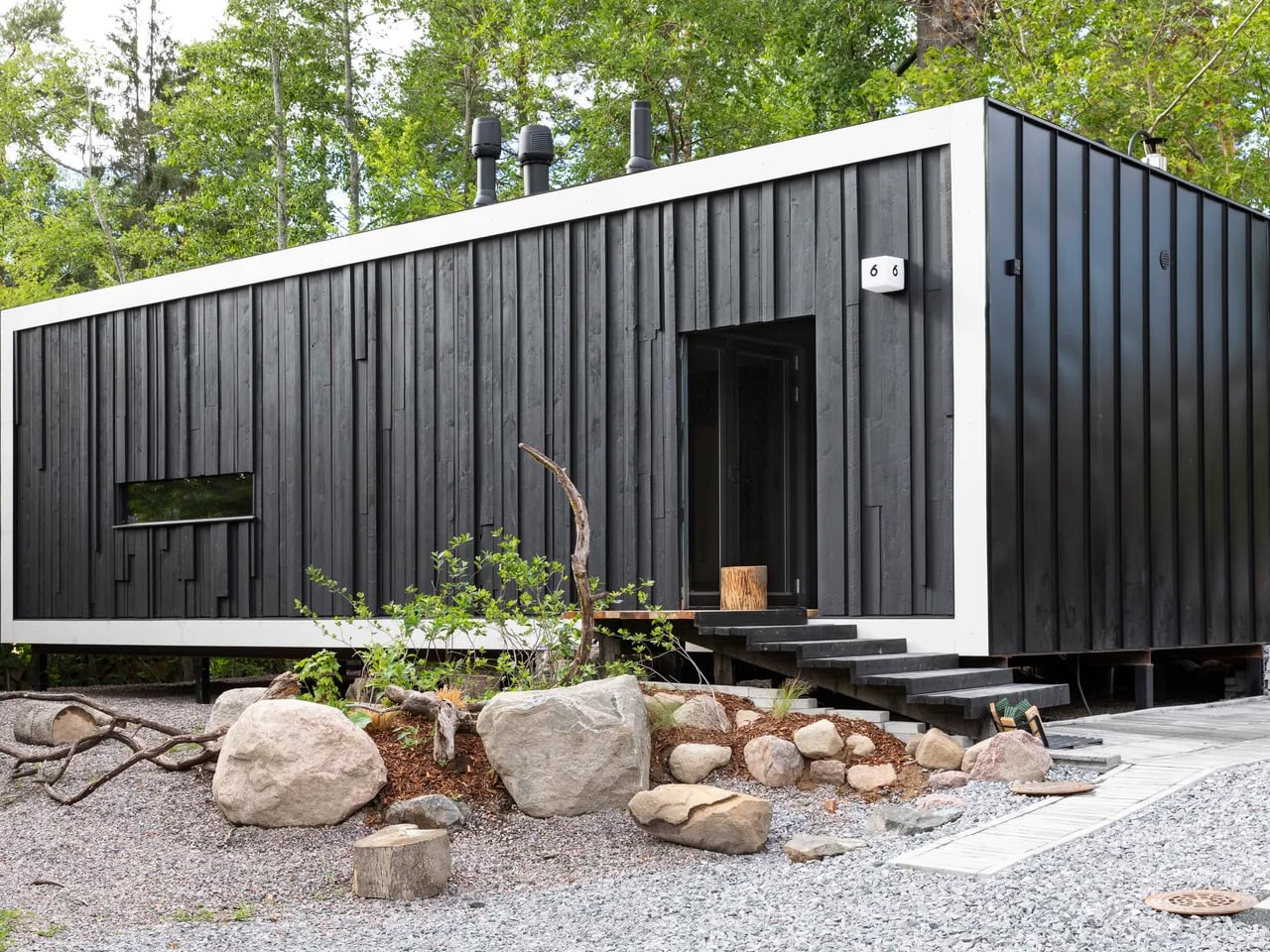
3 days agoThe 190sqm Melbourne Renovation That Didn't Touch the Street - Yanko Design
Abbotsford's Abbie Terrace exemplifies respectful architectural expansion, balancing modern design with historical context and preserving the original worker's cottage's character.
#sustainable-architecture



Design
fromdesignboom | architecture & design magazine
6 days agomud, bamboo, and tin craft a climate-responsive vernacular home in rural bangladesh
The Vernacular Home in Bangladesh utilizes local materials and techniques for climate-responsive design, emphasizing sustainability and cultural continuity.
Design
fromYanko Design - Modern Industrial Design News
2 weeks agoThis Finnish Professor Built His Family Home From Old Tires and Fishing Nets - Yanko Design
Matti Kuittinen's Tiny House Shadow exemplifies sustainable living, utilizing recycled materials and significantly reducing resource consumption and carbon footprint.
Arts
fromArchDaily
1 month agoBuildFest Introduces "Acts of Construction," a Three-Year Exploration of Timber Installations
Bethel Woods launches BuildFest, a three-year initiative featuring large-scale timber installations and multimedia experiences on the historic 1969 Woodstock festival grounds, organized sequentially around construction, choreography, and performance themes.
Design
fromYanko Design - Modern Industrial Design News
1 week agoBiomimetic Architecture Reaches New Heights With This Bird-of-Paradise Yoga Space - Yanko Design
Thilina Liyanage's architecture translates animal gestures into functional designs, exemplified by the Rifle Bird Yogashala inspired by the Victoria's riflebird's courtship display.
Renovation
fromYanko Design - Modern Industrial Design News
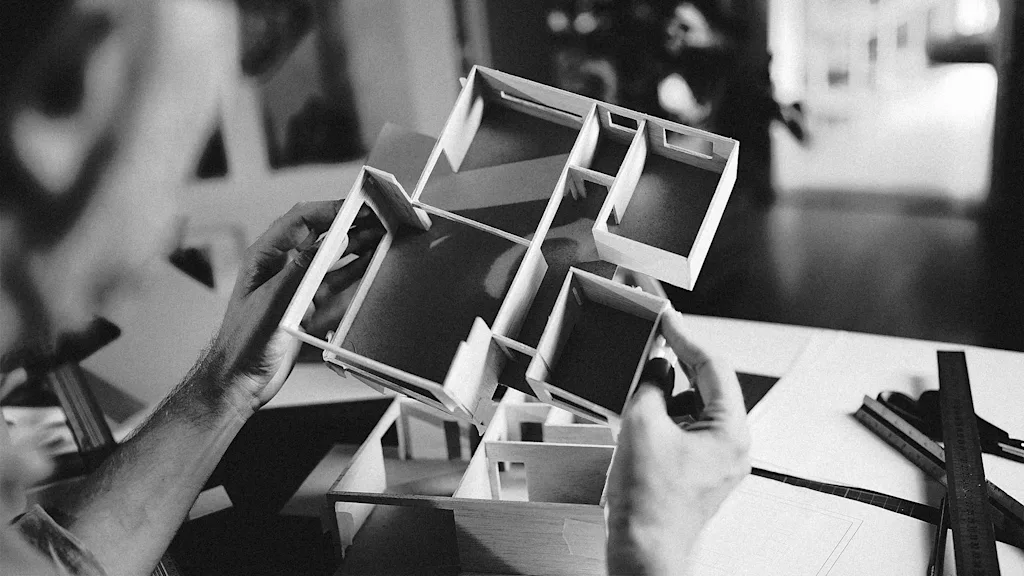
6 days agoHow Architects Turned a Postwar London Terrace Into an Open-Plan Home Without Touching the Facade - Yanko Design
Islington houses are redesigned to create open, continuous spaces while maintaining the original facade and architectural integrity.
fromArchDaily
1 month agoHow Architecture Is Learning to Generate Its Own Energy
Photovoltaic (PV) solar energy represents a modular technology that can be manufactured in large-scale facilities, generating economies of scale, while also being adaptable to small-scale applications. From residential rooftop systems to large-scale power generation installations, photovoltaic solar energy has established itself as a cost-effective option for electricity production in many countries around the world.
Environment
fromFast Company
1 month agoThese designers made a sustainable new building material from corn
This corn-based construction material was made by Manufactura, a Mexican sustainable materials company, and it imagines a second life for waste from the most widely produced grain in the world. The project started as an invitation by chef Jorge Armando, the founder of catering brand Taco Kween Berlin, to find ways he could reintegrate waste generated by his taqueria into architecture. A team led by designer Dinorah Schulte created corncretl during a residency last year in Massa Lombarda, Italy.
Science
fromdesignboom | architecture & design magazine
2 months agocan desert sand with plant-based materials be used to build houses and roads?
Researchers at the Norwegian University of Science and Technology and the University of Tokyo have made a prototype of botanical cement made of desert sand and plant-based additives in hopes that it can be used to build houses and roads. Once mixed, the team adds tiny pieces of wood together and presses them all with heat to produce the cement.
Science
fromArchDaily
1 month agoBuilding with Earth: Traditional Knowledge in Contemporary Architecture
Rather than representing a simple return to the past, this renewed interest reflects a broader reconsideration of how architecture engages with materials, local resources, and environmental conditions.
Renovation
fromBusiness Matters
2 months agoWhy Thermally Modified Timber Has Moved Into the Construction Mainstream
Thermal modification is not a new invention, but its relevance has increased as expectations around performance, sustainability, and predictability have tightened. Developers, architects, and contractors are no longer just asking whether timber looks good or performs well initially. They want to know how it behaves after ten, twenty, or thirty years, and how much risk it introduces into a project once the scaffolding is gone.
Remodel
fromwww.archdaily.com
1 month agoWood House / JAK Architecture
What began as a modest brief for a young and growing family soon evolved into a considered renovation that reimagines an existing Barwon Heads home. The original house had endured several unsympathetic alterations over the years, leaving it disjointed and built to a poor standard.
Renovation
fromArchDaily
2 months agoCircular Composites: Designing for a Sustainable Future
One of the earliest large-scale examples of composite materials can be found in the Great Wall of China, where stone, clay bricks, and organic fibers such as reeds and willow branches were blended to create a resilient and lasting structure. These early techniques reveal a timeless intuition: distinct materials, when combined thoughtfully, produce properties unattainable by any single element.
Environment
fromArchDaily
2 months agoFragile by Design: How Can Buildings Be Designed to Outlast Their First Purpose?
Having explored adaptability at the city scale, we are now zooming in on the building itself-and, crucially, on practice. How can architects, developers, and consultants embed adaptability as a measurable, mainstream outcome? This question will be on the agenda at the Adaptable Building Conference (ABC) on January 22 at the Nieuwe Instituut in Rotterdam, where architects, engineers, policymakers, and industry leaders will explore the potential of adaptable buildings-and how to deliver them at scale.
Remodel
Environment
fromwww.theguardian.com
2 months agoWe can learn from the old': how architects are returning to the earth to build homes for the future
Unstabilised rammed earth provides a low-carbon, locally sourced building method with thermal mass, moisture control and potential for circular construction.
fromwww.theguardian.com
2 months agoSchools, airports, high-rise towers: architects urged to get bamboo-ready'
For many years, bamboo has been mostly known as the favourite food of giant pandas, but a group of engineers say it's time we took it seriously as a building material, too. This week the Institution of Structural Engineers called for architects to be bamboo-ready as they published a manual for designing permanent buildings made of the material, in an effort to encourage low-carbon construction and position bamboo as a proper alternative to steel and concrete.
Environment
fromLondon Business News | Londonlovesbusiness.com
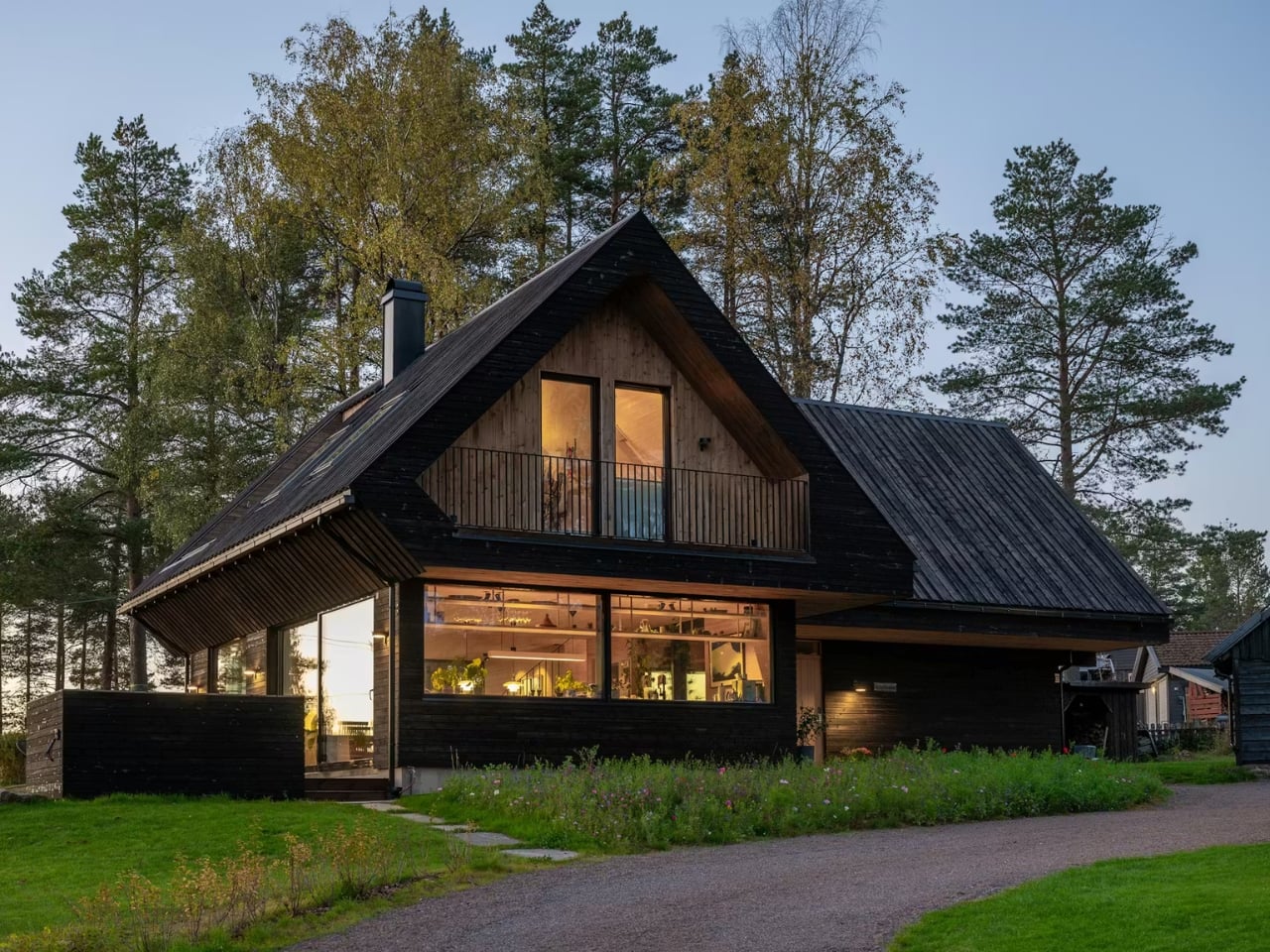
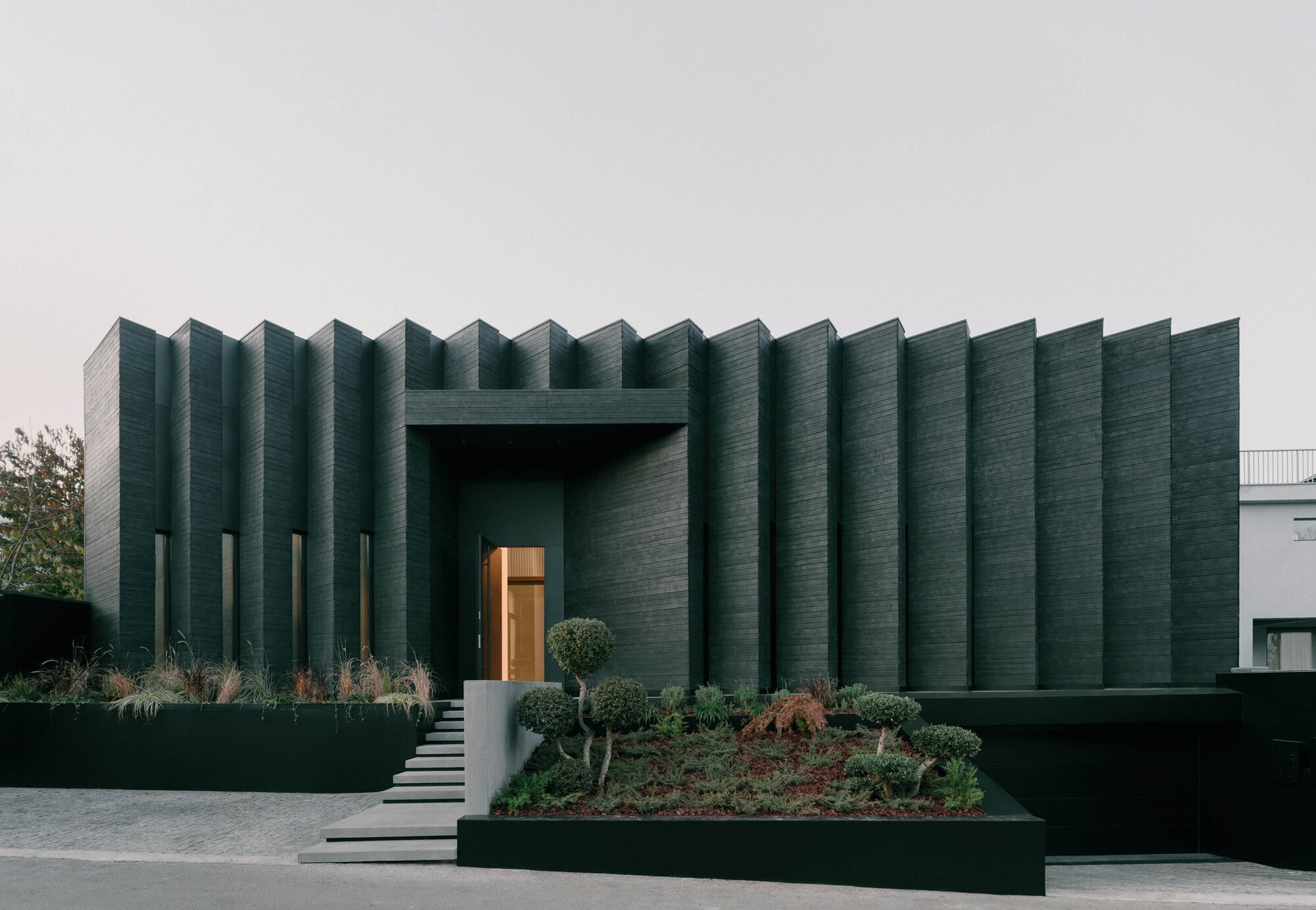
2 months agoTimber cladding in the UK: Materials, performance, and regulatory reality - London Business News | Londonlovesbusiness.com
Timber cladding has become a defining feature of contemporary construction across the UK. Once associated mainly with rural housing and architectural one-offs, it is now widely used across residential developments, commercial buildings, education projects, and urban regeneration schemes. Its appeal is often described in visual terms, but appearance alone does not explain its continued growth. Timber offers flexibility in design, a lower embodied carbon profile than many alternatives, and the ability to integrate effectively within modern wall systems when specified correctly.
Renovation
fromArchDaily
1 month agoWhen Light Meets Energy in Glass Ceilings
From the large industrial roofs and galleries of the 19th century to the contemporary atriums of museums and public buildings, glass has been a recurring material in shaping large and monumental interior spaces. More than a technological or engineering solution, these horizontal glazed planes introduce a distinct luminous quality: light that comes from above. Unlike lateral daylight entering through façades, zenithal light is more evenly distributed, reduces harsh shadows, and lends spaces a sense of continuity and openness that is difficult to achieve otherwise.
Design
Design
fromYanko Design - Modern Industrial Design News
2 months ago5 Biomimicry-based Architectural Designs That Copy Nature's Best Ideas - Yanko Design
Design in the Amazon embraces layered, adaptive systems prioritizing resilient materials, natural ventilation, and environmental harmony to create comfortable, low-impact interiors and products.
[ Load more ]