#uae-investment
#uae-investment
[ follow ]
#middle-east-conflict #strait-of-hormuz #oil-prices #uae #dubai #iran-war #regional-conflict #global-economy




fromLondon Business News | Londonlovesbusiness.com
2 days agoIran war threatens to wipe out recovery gains for London SMEs - London Business News | Londonlovesbusiness.com
Nearly half of firms (48%) expected turnover to grow over the next 12 months in the first quarter of the year, up from 42% in the final quarter of 2025.
London startup
from24/7 Wall St.
3 days agoEmerging Markets Are Emerging Again, and the FFEM ETF Lets You Not Miss Out
Dollar weakness matters enormously for emerging market equities because most of these companies earn revenues in local currencies. When the dollar softens, those earnings translate into more dollars for U.S.-based investors, giving the portfolio a currency tailwind on top of any underlying business performance.
Business
fromLondon Business News | Londonlovesbusiness.com
1 week agoMiddle East oil and gas recovery faces months-long process despite ceasefire - London Business News | Londonlovesbusiness.com
A 'workable system' of transit and shipowner confidence in the security of the transiting vessels is essential. This includes availability of insurance for transiting vessels, facilitating commercial trade financing, and sustained outbound vessel transits through the Strait of Hormuz.
Environment
fromLondon Business News | Londonlovesbusiness.com
4 days agoIndividuals fleeing the Gulf could be facing a hefty tax bill from HMRC - London Business News | Londonlovesbusiness.com
Many UK nationals working in the UAE, Kuwait, and Saudi Arabia are looking to return home. However, being in the UK increases the likelihood of being classified as a UK tax resident under the Statutory Residence Test (SRT).
UK news
fromIndependent
1 week agoLeaving the UAE? These are the money mistakes you need to avoid
While wealthy and glamorous influencers try to convince their followers that their upwardly mobile lives in Dubai are just peachy, in reality, many young Irish teachers and nurses are wondering whether it's time to pack up and return home.
Retirement
from24/7 Wall St.
6 days agoIgnore Hormuz - 3 Energy ETFs That Can Rally No Matter What Happens
Instead of trying to predict whiplashing oil prices, consider investing in energy ETFs like the Invesco WilderHill Clean Energy ETF and First Trust North American Energy Infrastructure. These ETFs provide exposure to sectors such as pipelines and shipping, independent of oil price fluctuations.
Business
World politics
fromLondon Business News | Londonlovesbusiness.com
1 week agoMiddle East energy shock could reshape global system by 2050 - London Business News | Londonlovesbusiness.com
Prolonged disruption to Middle East energy supplies could halve oil and gas import dependence by 2050, shifting demand towards electrification and renewables.
fromLondon Business News | Londonlovesbusiness.com
1 month agoFerrari halts exports to Middle East - London Business News | Londonlovesbusiness.com
We are closely monitoring the developments in the Middle East and the potential implications for our business. At this stage, we have temporarily suspended deliveries in the area, while managing few deliveries via airplane.
Cars
fromLondon Business News | Londonlovesbusiness.com
4 days agoUltra-wealthy line up major portfolio shifts as Iran shock drives global reset - London Business News | Londonlovesbusiness.com
"This is a system shock," says Nigel Green, CEO of deVere Group. "You have a material energy supply disruption and a structural shift toward fragmentation."
World news
NYC real estate
fromenglish.elpais.com
1 month agoThe Persian Gulf, a booming business for the Trump family
Donald Trump built a multi-billion dollar real estate empire by thinking big and aggressively pursuing deals, expanding from his father's Brooklyn and Queens apartment business to luxury properties, casinos, golf courses, and international ventures including Middle Eastern investments and cryptocurrency interests.
fromwww.aljazeera.com
3 weeks agoHow important are the Gulf economies to the world?
The ongoing conflict between the US and Israel against Iran is creating significant challenges for Gulf Arab nations, which are already feeling the economic strain from rising tensions and instability in the region.
World politics
World news
fromLondon Business News | Londonlovesbusiness.com
1 week agoThe UAE's policies fuel serenity amid geopolitical uncertainty - London Business News | Londonlovesbusiness.com
The UAE's crisis management showcases efficiency and inclusivity, emphasizing support for expatriates and residents during recent disruptions.
#middle-east
World news
fromSilicon Canals
1 week agoThe Middle East's real vulnerability isn't oil - it's the desalination plants that supply 90% of its drinking water - Silicon Canals
The Middle East's reliance on desalinated water exposes significant vulnerabilities, particularly due to concentrated infrastructure and ongoing military conflicts.
Travel
fromBusiness Insider
1 month agoDubai's status as a global hub is at risk, as the Iran conflict is already disrupting travel beyond the Middle East
Iran conflict disrupts Dubai's travel hub status through flight cancellations, rerouted air routes, surging oil prices, and potential permanent shifts in airline operations.
#uae

World news
fromLondon Business News | Londonlovesbusiness.com
2 weeks agoUAE warned against escalation as 'Abu Dhabi and Dubai could be blown up' Iran - London Business News | Londonlovesbusiness.com
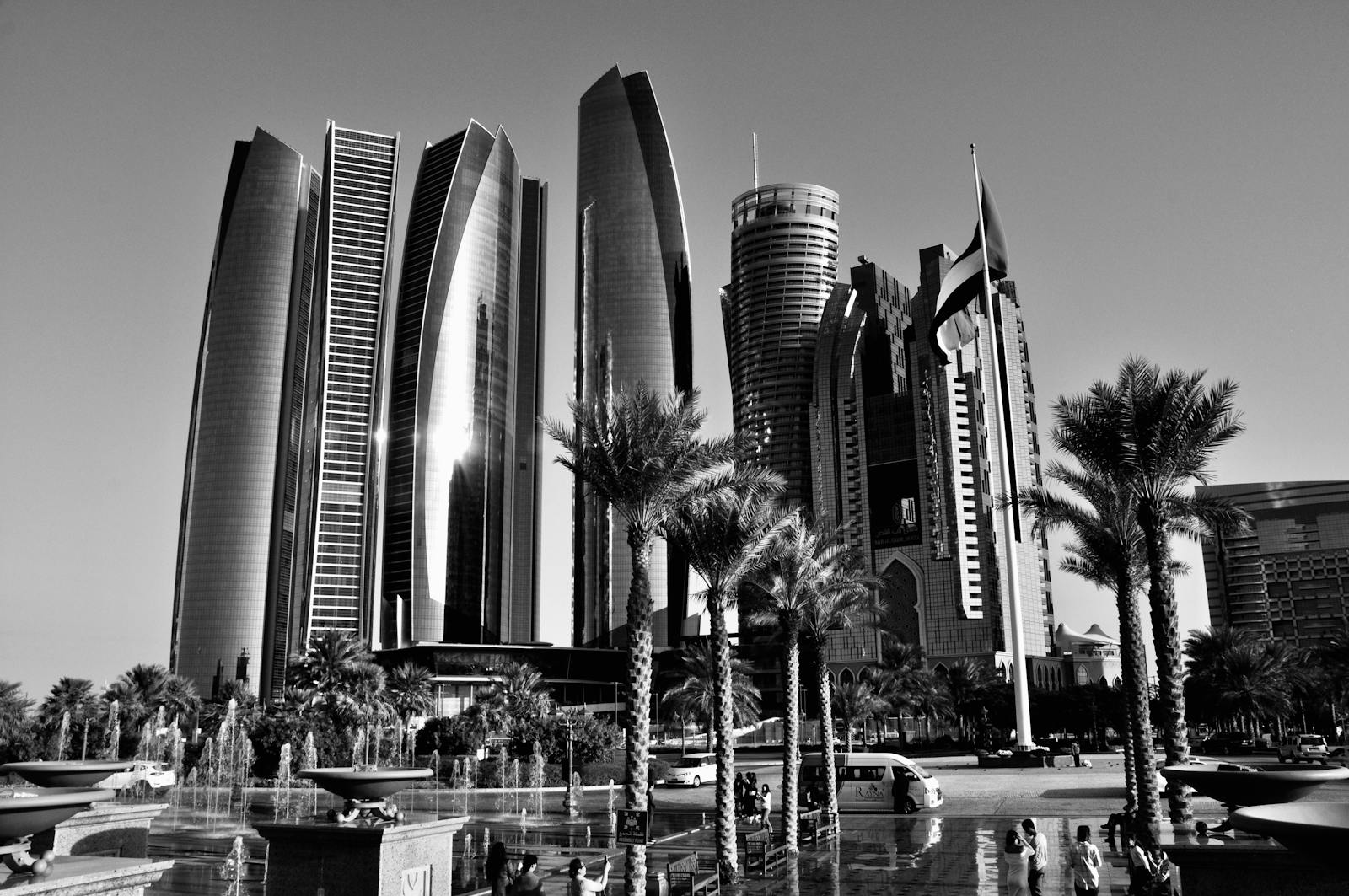
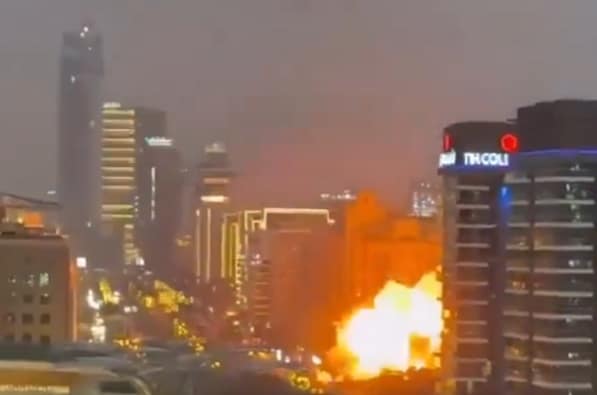
UAE's involvement in the Middle East conflict poses significant risks to Dubai and Abu Dhabi, according to economist Jeffrey Sachs.

Real estate
fromwww.theguardian.com
2 months agoDubai sells itself': real-estate boom as entrepreneurs and fortune hunters arrive
Dubai's tax advantages, modern infrastructure and luxury property market are drawing wealthy professionals and billionaires, driving booming real estate commissions and business relocations.
fromwww.dw.com
2 months agoGermany and the Gulf region: Energy and arms deals
Only recently, Environment Minister Carsten Schneider of the center-left Social Democratic Party (SPD) traveled to Saudi Arabia; shortly thereafter, Economy Minister Katherina Reiche of the center-right Christian Democratic Union (CDU) arrived and explained why: "When partnerships that one has relied on for decades begin to become a little fragile, we must look for new partners." Partners, for example, in energy and armaments projects. Reiche signed a Memorandum of Understanding with the Saudi Arabian Energy Minister and posted the news on X.
Miscellaneous
Real estate
fromSocial Media Explorer
2 months agoShaher Moh'd Ali Awartani Abu Dhabi: A Visionary Leader Driving Sustainable Growth Across Sectors - Social Media Explorer
Shaher Moh'd Ali Awartani Abu Dhabi advances Abu Dhabi's infrastructure and investment through disciplined, diversified, sustainable projects across construction, private equity, and hospitality.
fromwww.theguardian.com
2 months agoWill the Gulf's push for its own AI succeed?
Three years ago [when Web Summit Qatar began], people were talking about entering a multi-polar world. We are now living in a multi-polar world, said Paddy Cosgrave. As evidence, he referenced the fiery rebuke of Donald Trump given by the Canadian prime minister, Mark Carney, at Davos a few weeks prior. He pointed to the act that had preceded him on stage: dancing robots built by a Chinese company, which he called the most advanced in the world.
Artificial intelligence
fromwww.dw.com
1 month agoNo more big spenders: Iran war to dent Gulf state investment
The global impact of the Gulf countries is not limited to oil. This region is a hub of the international economy and if it decides to focus on its defense and to start pulling investments and to stop its [economic] engagement with the international community, the effect will be felt in every household in the world.
World news
fromSilicon Canals
1 month agoSaudi Arabia launches $40B tech fund as Gulf states race to diversify beyond oil - Silicon Canals
Saudi Arabia just made its most aggressive move yet in that generational project. The kingdom announced a new $40 billion technology investment fund, developed in partnership with American venture capital heavyweight Andreessen Horowitz (a16z), aimed at positioning Saudi Arabia as a global hub for artificial intelligence, cloud infrastructure, and advanced computing.
Venture
World news
fromThe Washington Post
1 month agoThis Emirati billionaire put a voice to Gulf anger over Trump's war in Iran
Gulf nations face pressure between avoiding conflict with Iran while maintaining security partnerships with the US and Israel, creating internal frustration with American military decisions in the region.
Business
fromLondon Business News | Londonlovesbusiness.com
2 months agoDubai business setup in 2026: A strategic guide for foreign investors and entrepreneurs - London Business News | Londonlovesbusiness.com
Dubai's 2026 strategy focuses on economic integration, regulatory sophistication, and a 9% corporate tax regime, making jurisdiction choice and substance critical for investors.
World news
fromLondon Business News | Londonlovesbusiness.com
1 month agoGulf economies are facing the worst regional economic shock since 1990 - London Business News | Londonlovesbusiness.com
US-Israel-Iran conflict causes Gulf oil production to plummet from 21 to 14 million barrels daily, threatening regional economies heavily dependent on oil exports.
#iranian-attacks
World news
fromwww.aljazeera.com
1 month agoDrone sparks fire at UAE oil site as Gulf takes more hits amid Iran war
Iranian drone and missile attacks on Gulf oil infrastructure, particularly Fujairah in the UAE, have intensified amid US-Israeli military operations, causing fires and casualties while targeting civilian infrastructure.

World news
fromwww.aljazeera.com
1 month agoDrone sparks fire at UAE oil site as Gulf takes more hits amid Iran war
Iranian drone and missile attacks on Gulf oil infrastructure, particularly Fujairah in the UAE, have intensified amid US-Israeli military operations, causing fires and casualties while targeting civilian infrastructure.
fromFortune
2 months agoIn 2026, it's time for CEOs to rethink HQs and look to Dubai's playbook for growth | Fortune
The old playbooks for business growth are proving less effective in today's rapidly shifting economic landscape. What actually works now, instead? As CEO of TECOM Group, the developer of Dubai's 10 most vibrant business districts across six priority economic sectors, I've witnessed firsthand how diversification and agile strategies, particularly through purpose-built ecosystems, have become essential for sustainable growth. Today's economic landscape is shifting at a pace that requires businesses to respond with agility, adjusting once-reliable growth and expansion strategies to diversify and stimulate growth.
Business
World news
fromwww.theguardian.com
1 month agoThe shine has been taken off': Dubai faces existential threat as foreigners flee conflict
Dubai's reputation as a safe luxury destination has been severely damaged by Iranian missile strikes, causing mass exodus of residents and tourists amid ongoing regional conflict.
World news
fromFortune
1 month agoDubai's signature Token2049 crypto event set to go forward even as other conferences hit pause amid growing conflict | Fortune
Token2049 Dubai crypto conference proceeds as scheduled for late April despite Middle East conflict, with sold-out registrations and fully secured exhibition space.
fromwww.aljazeera.com
1 month agoWhere do the 35 million foreigners living in the GCC come from?
Generations of foreign workers in the GCC countries have significantly contributed to the workforce, including labourers, construction workers, household staff, security personnel, and cleaners, all vital to building the modern infrastructures that Gulf nations are known for. Millions consider the Gulf their home, despite holding nationalities from other countries.
World news
fromSustainable Bus
1 month agoUITP monitoring Gulf geopolitical developments ahead of Dubai Summit - Sustainable Bus
UITP is closely monitoring geopolitical developments in the Gulf region in advance of the 2026 Summit, next month in Dubai. Over the past few days, we have remained in ongoing contact with the relevant authorities and our 2026 local hosts, the Roads and Transport Authority (RTA), as we carefully assess the situation in real time.
World news
World news
fromBusiness Insider
1 month agoThey moved to Dubai in pursuit of the expat dream. They're not giving it up so easily.
Despite recent Middle East tensions from US-Israel strikes on Iran, expats in Dubai remain committed to staying, citing career opportunities, safety measures, and improved quality of life.
fromLondon Business News | Londonlovesbusiness.com
1 month agoProtecting and defending your business from attack, UAE Style - London Business News | Londonlovesbusiness.com
But what wonderful hospitality am I and thousands of others receiving as the UAE is battered daily by dozens of killer Iranian missiles and suicide drones, aimed indiscriminately at civilian, economic and military targets. Not only is life here still comfortable and as close to normal as it possibly can be with warheads gate-crashing breakfast at Mach 5 (3,300 mph), but our generous hosts are picking up the tab.
World news
fromBitcoin Magazine
1 month agoThe UAE Has Built Up A $453 Million Bitcoin Reserve
Arkham Intelligence says bitcoin mining operations linked to the UAE's Royal Group are sitting on roughly $344 million in unrealized profit, excluding energy costs. Arkham attributed about 6,782 BTC to wallets connected with UAE royal-linked mining activity, valuing the holdings at approximately $453.6 million at the time of analysis. The firm said the implied profit reflects the difference between current bitcoin prices and estimated production costs, though it noted the figure does not account for electricity and operational expenses.
World news
World news
fromConde Nast Traveler
2 months agoQatar Just Launched a 10-Year Golden Visa for Entrepreneurs and Executives
Qatar launched a 10-year renewable residency program with two five-year pathways for entrepreneurs and executives, each with defined financial, nomination, and benefit requirements.
[ Load more ]