#unpermitted-gas-turbines
#unpermitted-gas-turbines
[ follow ]
#renewable-energy #natural-gas #data-centers #sustainability #energy-crisis #climate-change #electric-vehicles





fromwww.thelocal.de
5 days agoWill travellers in Germany be affected by Europe's looming jet fuel crisis?
Airlines in Europe are bracing for fuel supply shocks caused by the war in the Middle East. The severity of the impacts on passengers will be determined in the coming days and weeks depending on whether a recently announced ceasefire between the United States and Iran holds.
Germany news


fromwww.theguardian.com
2 days agoRecord number of homes in Great Britain turn to green energy as fuel prices soar
Octopus Energy reported that its heat pump orders more than doubled in March compared to February, while sales of solar power systems increased by almost 80%. This trend reflects a growing consumer shift towards renewable energy solutions.
Environment
fromYahoo News
2 weeks agoRadical road rule change to keep cars running amid Aussie petrol crisis: 'Can help'
"Lowering speeds does reduce fuel consumption, especially at highway speeds, because aerodynamic drag increases rapidly as speed rises. A reduction of around 10 km/h can realistically lead to fuel savings in the order of 5-10 per cent, depending on the vehicle and driving conditions."
Alternative transportation
UK politics
fromwww.independent.co.uk
3 weeks agoUK rules on installing wind turbines eased amid global energy crisis
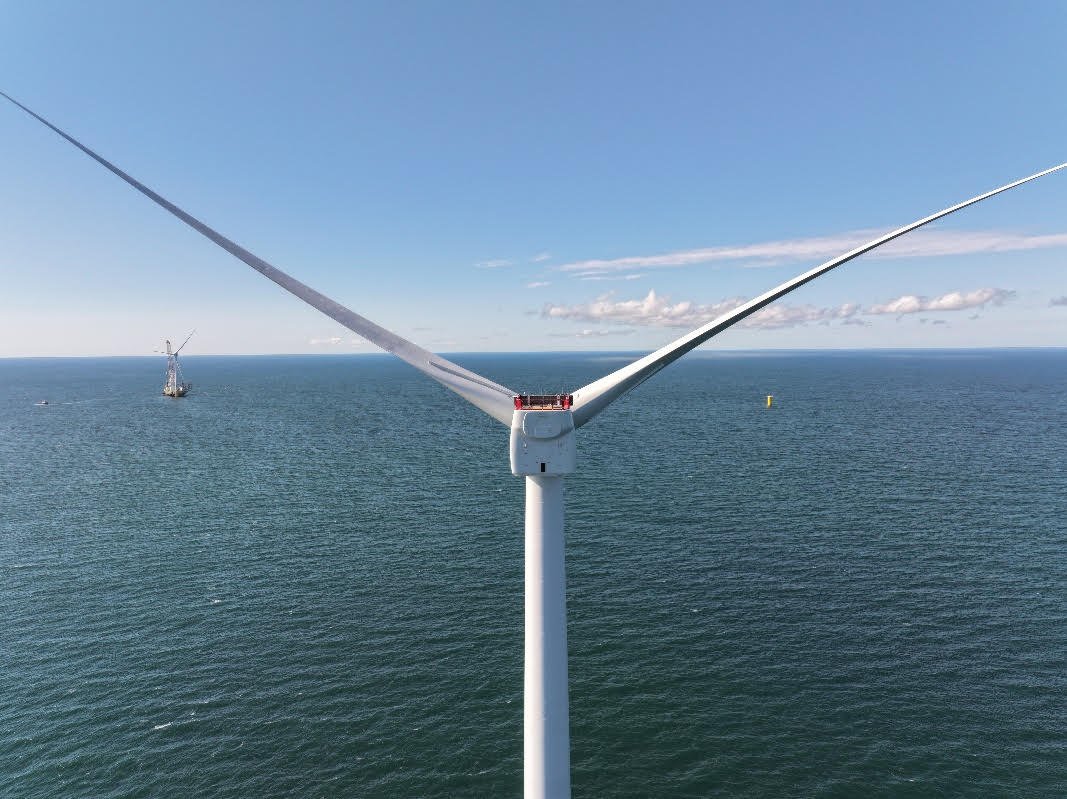
UK government proposes allowing businesses, schools, and farms to install small wind turbines up to 30 metres tall without planning permission to reduce energy costs and increase clean energy capacity.
from24/7 Wall St.
1 month agoThe Hidden Decay Eating BOIL Alive Even When Natural Gas Prices Stay Flat
January 2026 showed just how violent this relationship can get: Henry Hub spiked to $30.72/MMBtu on January 23 - a near-tenfold surge - before collapsing to $3.13/MMBtu by February 23. Extreme winter heating demand and supply constraints drove that move - exactly what BOIL is built to capture on the upside, and what devastates holders on the way back down.
Business
#methane-emissions
Environment
fromwww.theguardian.com
3 weeks agoRevealed: the world's worst mega-leaks of methane driving global heating
Satellite analysis reveals dozens of massive methane leaks from oil, gas, and landfill facilities worldwide in 2025, primarily in Turkmenistan, with most leaks preventable through simple maintenance or fixable at no cost since captured methane can be sold.
US politics
fromwww.theguardian.com
1 month agoMost US coal plants could meet air pollution rules. Trump weakened them anyway
The Trump administration eliminated mercury and air toxics standards despite 88% of US coal plants already having compliance capability, exposing children to neurotoxic pollution.
fromwww.dw.com
1 month agoCan EU renewables outmuscle US oil and gas?
At a meeting at the Paris headquarters of the intergovernmental body dedicated to global energy security, Wright referred to the "destructive illusion" of the IEA's commitment to massively reducing greenhouse gas emissions sourced from fossil fuels. The US, one of 45 member and associate countries of the IEA that represent 75% of the world's energy demand, is threatening to withdraw from the body if it does not quit its energy transition goals in the next year.
Miscellaneous
US politics
fromGothamist
1 month agoNew York's energy research agency says the state's landmark climate law is infeasible
New York's climate law requiring 70% clean energy by 2030 is deemed infeasible and expensive, with projected household costs increasing significantly while the state remains far from targets.



Environment
fromArs Technica
3 weeks agoCoal plant forced to stay open due to emergency order isn't even running
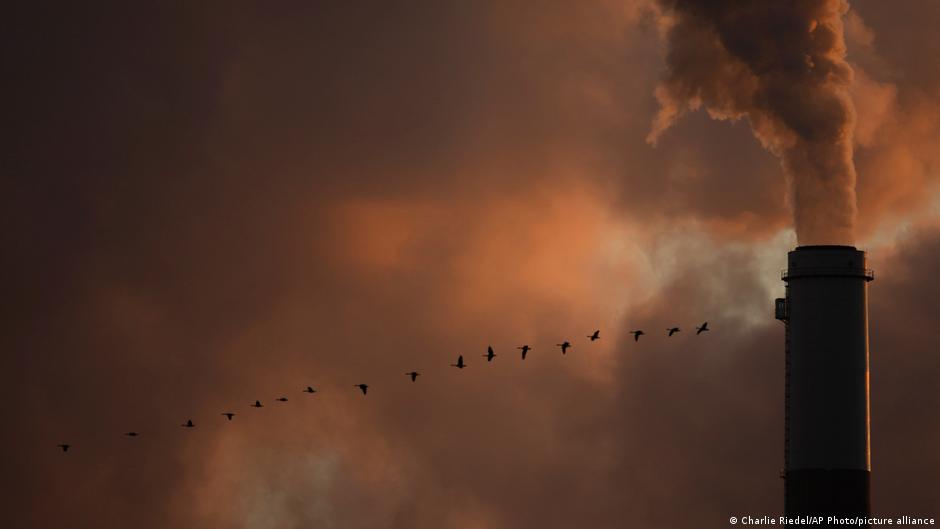
The Trump administration uses emergency orders to keep uneconomical coal plants operational despite cheaper renewable and natural gas alternatives, citing grid reliability while data shows minimal actual energy contribution.
Public health
fromwww.theguardian.com
1 month agoWood burning pollution leads to 8,600 premature US deaths a year, study finds
Residential wood burning causes an estimated 8,600 premature US deaths annually and contributes about 21% of wintertime particulate pollution despite only 10% of homes burning wood.
fromLos Angeles Times
1 month agoCalifornia wants millions of heat pumps. High power bills might get in the way
An all-electric, energy-efficient alternative to gas-burning furnaces, heat pumps are widely seen as the climate-friendly home heater of choice. They can do double-duty as both home heaters and AC units and are pretty good at maintaining a constant temperature inside a home without the blast-then-cool-off cycle typical of a furnace.
Environment
Environment
fromwww.theguardian.com
1 month agoThousands of pollution incidents in England downgraded without site visit, data suggests
Environment Agency staff downgraded 98% of 2,778 serious water pollution incidents reported in 2024 without site visits, representing a 1,500% increase in downgrades since 2021.
fromwww.theguardian.com
2 months agoUS leads record global surge in gas-fired power driven by AI demands, with big costs for the climate
The US is leading a huge global surge in new gas-fired power generation that will cause a major leap in planet-heating emissions, with this record boom driven by the expansion of energy-hungry datacenters to service artificial intelligence, according to a new forecast. This year is set to shatter the annual record for new gas power additions around the world, with planned and under-construction projects earmarked for 2026 set to nearly triple the amount of existing gas capacity, a report by Global Energy Monitor (GEM) found.
Environment


fromThe Verge
2 months agoIt's a new heyday for gas thanks to data centers
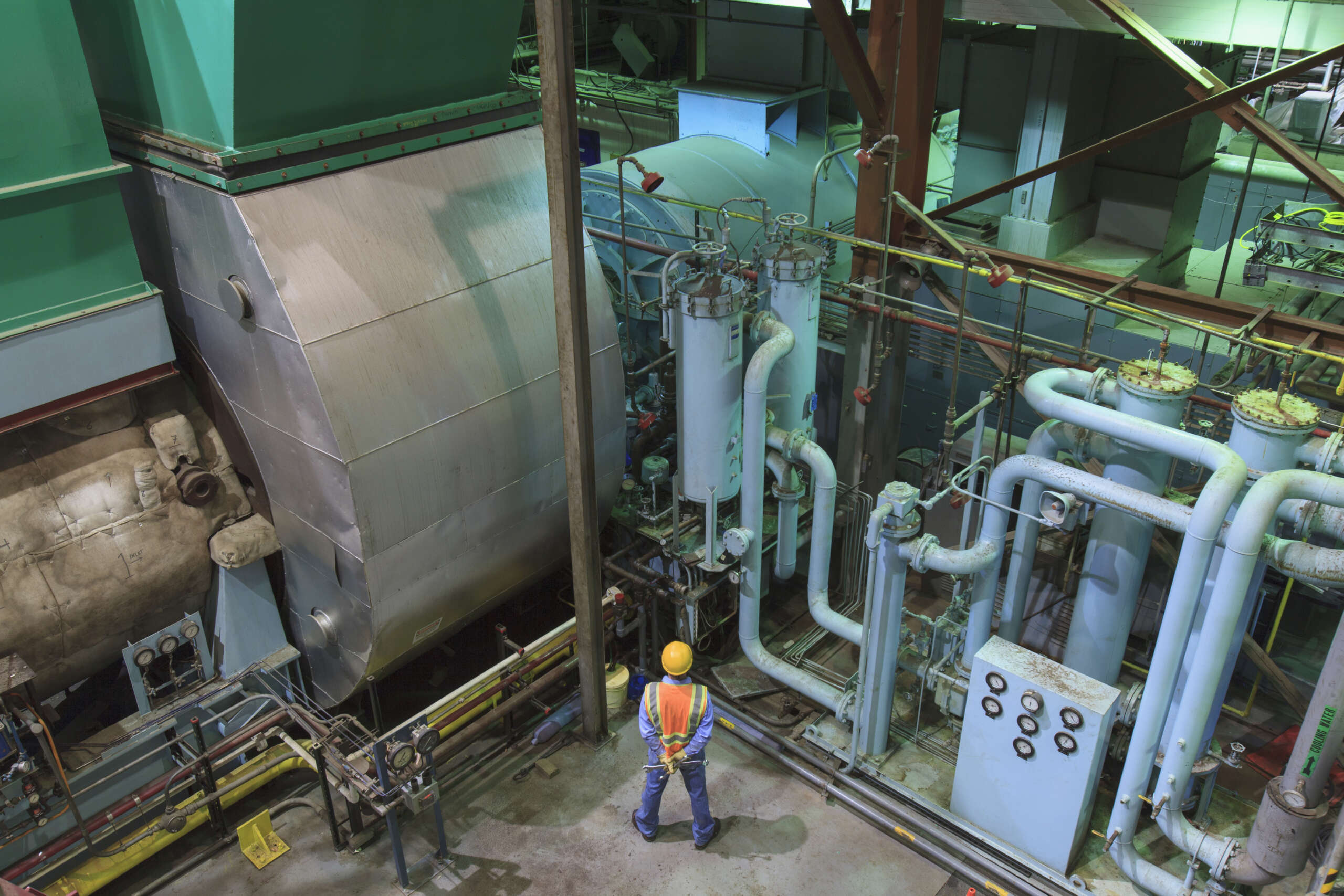
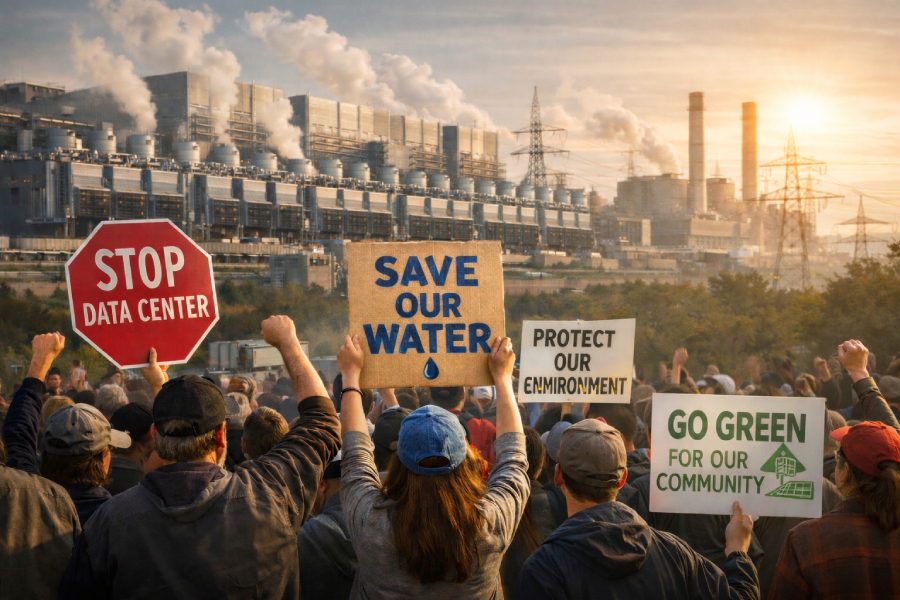
The US is now leading a global surge in new gas power plants being built in large part to satisfy growing energy demand for data centers. And more gas means more planet-heating pollution. Gas-fired power generation in development globally rose by 31 percent in 2025. Almost a quarter of that added capacity is slated for the US, which has surpassed China with the biggest increase of any country.
Environment

fromArs Technica
2 months agoStates want to tax fossil fuel companies to create climate change superfunds
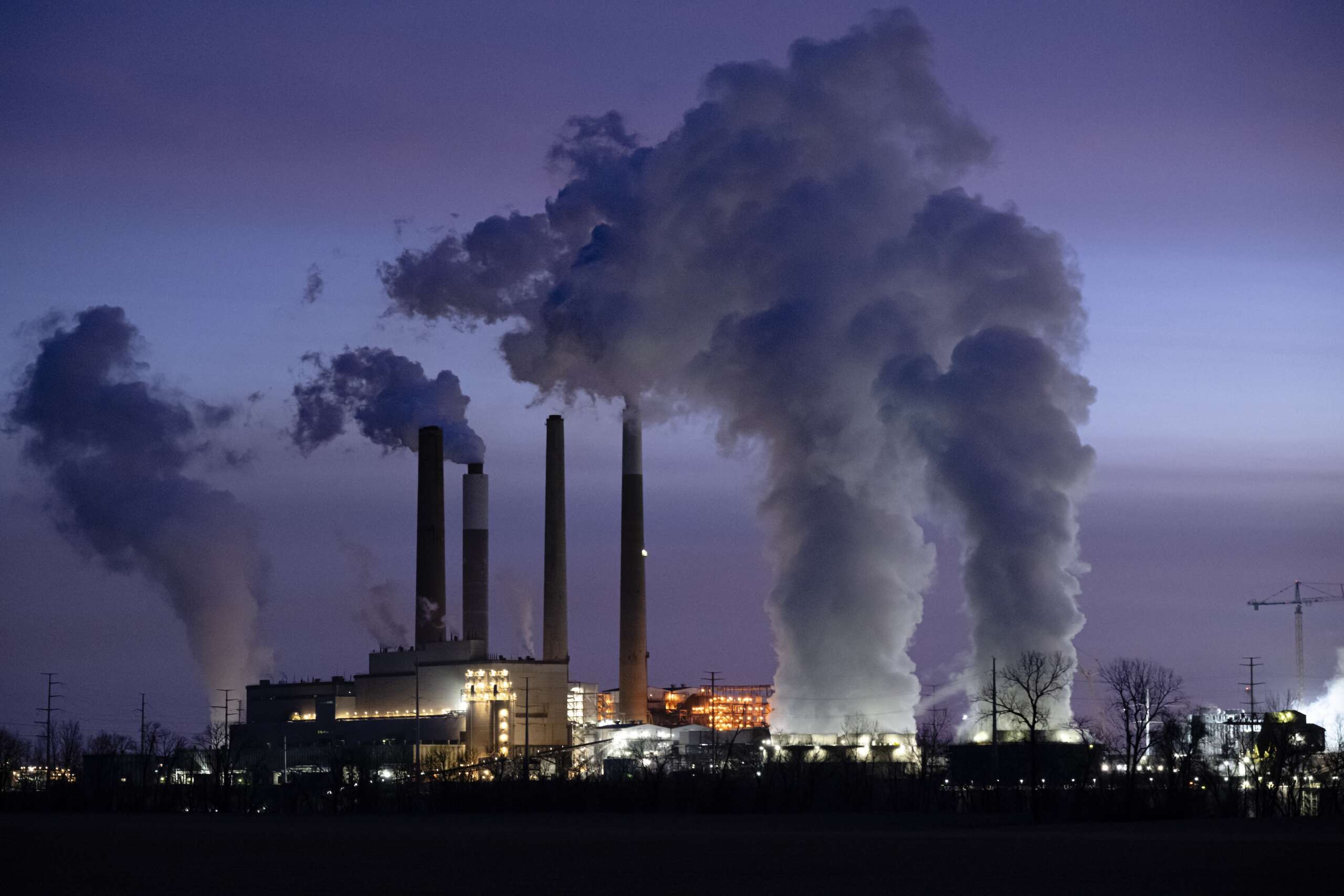
Last year, the nonprofit Climate Central launched an online database to track the most costly weather- and climate-related disasters across the country. The effort was led by the same lead scientist who tracked those costs for the National Oceanic and Atmospheric Administration-until the Trump administration axed the project in May. In 2025, the US experienced 23 such disasters with costs totaling at least $1 billion, for a total of $115 billion, Climate Central concluded.
Environment
fromFast Company
2 months agoA critical climate trend just reversed-driven by crypto and data centers
After two years of declines, United States greenhouse gas emissions increased in 2025-a change driven by increased electricity use, due in part to data centers and cryptocurrency mining, as well as cold winter temperatures that meant homes required more heating. Emissions increased 2.4% in 2025, according to preliminary data from the research firm Rhodium Group. That's higher than the country's GDP growth, which increased by a projected 1.9%.
Environment
fromwww.bbc.com
2 months agoMore solar farms on the way after record renewables auction
The government has awarded contracts to a record supply of new solar power projects, in a move that boosts the country's clean power goals but could spark anger from local opponents. The developments will be located across England, Scotland and Wales, with the West Burton solar farm planned for the Lincolnshire and Northamptonshire border becoming the largest ever to win a government contract.
Environment
fromwww.scientificamerican.com
1 month agoTrump administration slashes mercury regulations from coal plants
On Friday the Trump administration officially rolled back a series of Biden-era environmental regulations on coal plants, including some intended to clamp down on mercury pollution. Environmental advocacy groups and experts have decried the decision as risking human healthmercury has been shown to cause serious neurological damage, especially in infants. The decision effectively reverts regulations to those set in 2012 by the Obama administration.
Environment
[ Load more ]